
TL;DR:
- Pet-inclusive housing removes breed, weight, and fee restrictions, creating genuinely welcoming environments for all pets. It benefits residents by increasing satisfaction, reducing stress, and promoting community bonds, while property managers see faster leasing and longer tenancies. Choosing communities with behavior-based screening and transparent policies ensures better living experiences for pet owners and their animals.
Pet-inclusive housing is defined as rental housing that removes breed, weight, and fee restrictions to welcome all pets without arbitrary barriers. The distinction matters more than most renters realize. Over 50% of renters using online filters search specifically for dog-friendly communities, yet less than 10% of available properties qualify as truly pet-inclusive. That gap explains why choosing pet-inclusive housing, rather than settling for a vaguely “pet-friendly” label, is one of the most consequential decisions a pet-owning renter can make in 2026.
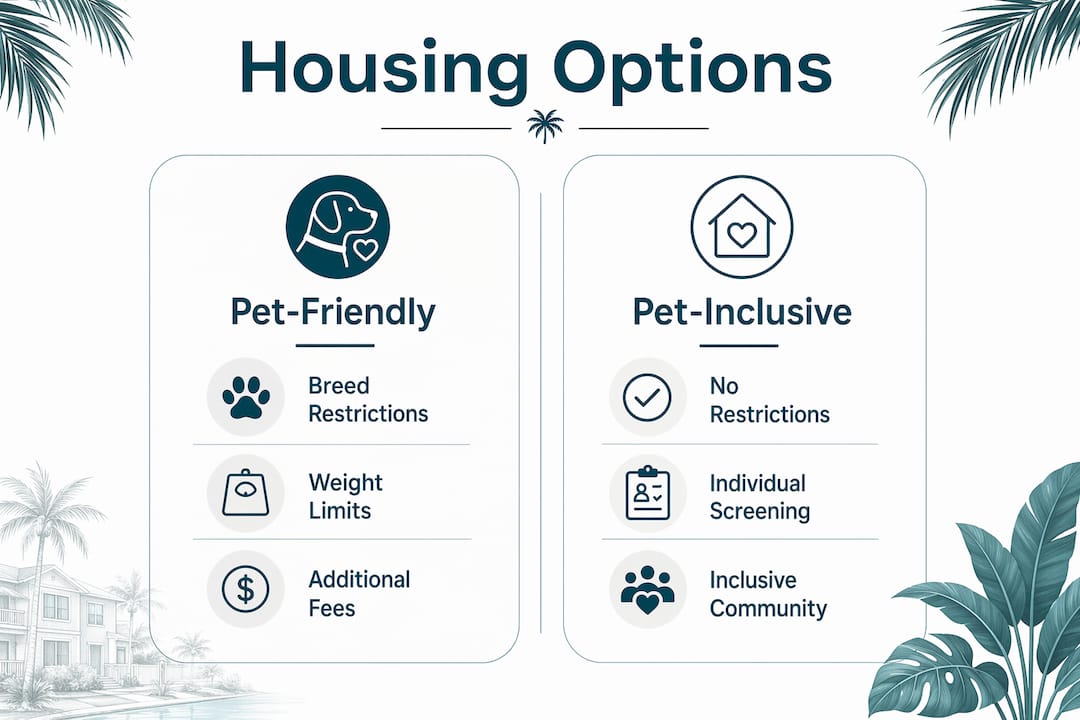
Why choose pet-inclusive housing over pet-friendly options?
Pet-inclusive housing and pet-friendly housing sound identical. They are not. The Pet-Inclusive Housing Initiative, a national advocacy effort, defines pet-inclusive housing as communities that actively remove barriers rather than simply tolerating animals. Most “pet-friendly” apartments still impose breed bans, weight caps under 25 pounds, and non-refundable pet fees that can reach $500 or more per animal. Pet-inclusive communities eliminate those restrictions entirely.
The practical consequence is significant. More than 80% of dog owners report difficulty securing housing because of arbitrary restrictions, and many are forced to either rehome their pets or hide them from landlords. Both outcomes damage animal welfare and renter well-being in measurable ways. Choosing a genuinely inclusive community removes that stress before you sign a lease.
Here is a direct comparison of what each model typically looks like:
| Feature | Pet-friendly housing | Pet-inclusive housing |
|---|---|---|
| Breed restrictions | Common (often 10+ banned breeds) | None |
| Weight limits | Typically 25–50 lbs maximum | No weight cap |
| Pet deposit or fee | $200–$500 non-refundable | Reduced or eliminated |
| Pet rent | $25–$75 per month per pet | Minimal or none |
| Pet amenities | Rare | Dog parks, wash stations, walking paths |
| Risk assessment method | Blanket breed/size bans | Individual behavior screening |
Pro Tip: When you read a listing that says “pet-friendly,” ask the property manager directly: “Do you have breed or weight restrictions?” If the answer is yes, the property is pet-tolerant, not pet-inclusive. That one question saves hours of wasted applications.
How does pet-inclusive housing benefit residents and communities?
The benefits of pet-inclusive apartments extend well beyond convenience. Residents in pet-inclusive communities report 15 to 20% higher community satisfaction, stronger feelings of belonging, and measurable reductions in stress, anxiety, and loneliness. Those are not soft metrics. They translate directly into how much you enjoy where you live and how long you stay.

Pets also reshape how neighbors interact. 71% of residents believe pets bring communities together, and the data supports that perception. Dog owners who walk their pets daily encounter neighbors they would otherwise never meet. Shared spaces like dog parks become informal gathering points that reduce the social isolation common in apartment living. For families with children, this social dimension adds real value to daily life.
Here is what residents consistently report gaining from pet-inclusive living:
- Improved mental health. Daily interaction with pets lowers cortisol levels and reduces symptoms of anxiety and depression.
- Increased physical activity. Dog owners walk an average of 22 minutes more per day than non-owners, according to research from Michigan State University.
- Stronger neighbor relationships. Shared pet spaces create organic social connections that formal community events rarely achieve.
- Reduced loneliness. Single residents and seniors in particular report that pet ownership significantly reduces feelings of isolation.
- Better animal welfare outcomes. Pet-inclusive policies reduce shelter intake by eliminating the housing pressure that forces owners to surrender animals.
For families and individuals alike, the importance of pet-friendly living goes beyond having a place to keep an animal. It shapes the quality of your daily environment in ways that standard apartment amenities simply cannot replicate.
What operational and economic advantages do property managers gain?
Understanding the business case for pet-inclusive policies helps renters recognize which communities are genuinely committed versus which ones are performing compliance. Property managers who adopt pet-inclusive frameworks see concrete financial results, and those results create more stable, better-maintained communities for everyone living there.
The numbers from 2026 research are direct. Pet-inclusive units lease 8 days faster on average than comparable non-inclusive units, and they receive more views, saves, and shares on listing platforms. Faster leasing means lower vacancy costs, which gives property owners more budget to invest in maintenance and amenities. PetScreening clients, for example, reported a 30.7% increase in revenue after implementing pet-inclusive policies alongside digital pet profiles and streamlined management tools.
Turnover is the hidden cost most renters never think about. Pet owners stay 21% longer in pet-inclusive rentals than residents in non-pet-friendly housing. Every time a unit turns over, a property owner spends on cleaning, repairs, marketing, and leasing commissions. Longer tenancies reduce all of those costs, and the savings often flow back into the community through better upkeep and upgraded amenities.
Modern tools like PetScreening also replace outdated blanket bans with individual behavior assessments that evaluate each pet on its actual history and temperament. This approach is fairer to renters and reduces liability more effectively than a breed ban ever could. Third-party pet-screening services reduce administrative burden by over one million hours annually across the industry, requiring renters to submit vaccination records and behavior history that protect both parties.
Pro Tip: When evaluating a community, ask whether they use a third-party screening service like PetScreening. Communities that invest in proper pet management tools are far more likely to maintain consistent, fair policies over time.
How can renters find and choose the best pet-inclusive options?
Finding a truly pet-inclusive rental requires more than typing “pet-friendly” into a search filter. The label is nearly universal and nearly meaningless without follow-up. Here is a practical process for finding pet-inclusive apartments that actually deliver on the promise.
- Read the full pet policy document, not just the listing summary. Ask for the written policy before scheduling a tour. Look specifically for breed lists, weight limits, and fee schedules.
- Ask about individual pet assessment. Communities using behavior-based screening rather than blanket bans are operating a more current and fair model.
- Calculate the true cost of pet ownership at that property. Add pet deposits, monthly pet rent, and any required insurance to your total housing cost. A lower base rent with $150 in monthly pet fees is often more expensive than a slightly higher rent with no pet fees.
- Check for pet-specific amenities. Dog parks, pet wash stations, and designated relief areas signal that the community was designed with pets in mind, not just permitted them.
- Talk to current residents. Ask them directly whether the pet policy is enforced fairly and whether the community feels welcoming to pet owners.
- Review the lease termination clauses related to pets. Some “pet-friendly” leases include clauses that allow eviction for pet-related complaints without a clear appeals process.
Understanding what to look for in a pet policy before you commit protects you from discovering restrictions after you have already moved in. The difference between a community that tolerates pets and one that genuinely welcomes them shows up in every detail of daily life.
Key takeaways
Pet-inclusive housing delivers measurably better outcomes for renters, pets, and property owners compared to conventional pet-friendly policies that rely on breed bans and fee barriers.
| Point | Details |
|---|---|
| Pet-inclusive vs. pet-friendly | Pet-inclusive housing removes breed, weight, and fee restrictions that most “pet-friendly” properties still enforce. |
| Resident satisfaction | Residents in pet-inclusive communities report 15 to 20% higher satisfaction and stronger community belonging. |
| Longer tenancy | Pet owners stay 21% longer in inclusive rentals, reducing turnover costs and improving community stability. |
| Faster leasing | Pet-inclusive units lease 8 days faster on average, reflecting strong and underserved renter demand. |
| Smarter screening | Behavior-based pet assessments replace blanket bans and reduce landlord liability more effectively. |
The case for treating pets as residents, not liabilities
I have spent years watching renters make housing decisions, and the single most common regret I hear is this: “I didn’t read the pet policy carefully enough.” People find an apartment they love, fall for the “pet-friendly” label, and sign a lease before discovering the 25-pound weight limit or the $400 non-refundable deposit that was buried in the addendum.
What strikes me most about the shift toward pet-inclusive housing is that it reflects a broader change in how we think about what a home actually is. For a growing number of renters, a home without their pet is not a home at all. The data from the Pet-Inclusive Housing Initiative and the NYC Animal Welfare office confirms what most pet owners already know intuitively: pets are not accessories. They are family members, and housing policy that treats them as liabilities creates real human and animal harm.
The communities that get this right are not just being kind. They are being smart. They attract more qualified applicants, retain residents longer, and build the kind of social fabric that makes a building feel like a neighborhood. The pet-friendly housing advantages in markets like Boca Raton are already visible in occupancy rates and resident reviews. My advice is simple: do not settle for a community that merely tolerates your pet. Find one that was built for both of you.
— Ayman
Find your pet-inclusive home at Cynthiagardens
Cynthiagardens is a modern apartment community in Boca Raton, Florida, built for pet owners who refuse to compromise. The community operates with transparent pricing and no hidden fees, which means the cost you see is the cost you pay. No surprise pet deposits buried in the addendum.
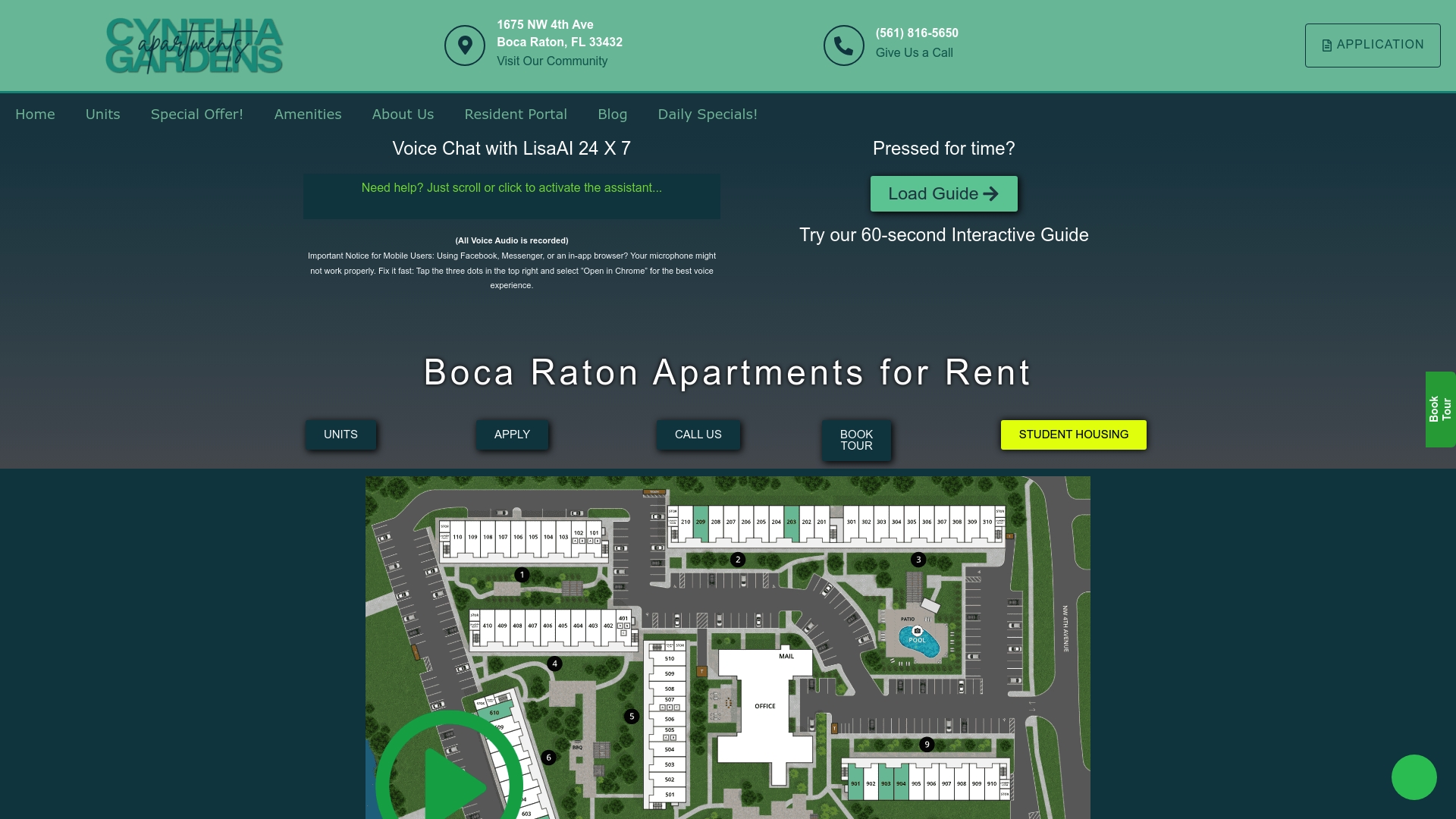
Prospective residents can explore apartment styles and features designed with pet owners in mind, including detailed floor plans and amenity information available through virtual tours and an interactive property map. The AI chat support and voice assistance tools make it easy to get answers about the pet policy before you ever visit in person. If you are serious about benefits of pets in apartment living, Cynthiagardens is worth a close look.
FAQ
What makes housing truly pet-inclusive?
Pet-inclusive housing removes breed, weight, and fee restrictions entirely, replacing blanket bans with individual behavior assessments. Less than 10% of available rentals currently meet this standard.
How much longer do pet owners stay in pet-inclusive rentals?
Pet owners stay an average of 21% longer in pet-inclusive rentals compared to non-pet-friendly housing, according to the Pet-Inclusive Housing Initiative. That longer tenure benefits both residents and property owners.
Do pet-inclusive apartments cost more to rent?
Not necessarily. While some communities charge pet rent, truly pet-inclusive housing often eliminates large non-refundable deposits and breed-related fees, making the total cost competitive with or lower than restrictive “pet-friendly” alternatives.
What is PetScreening and how does it work?
PetScreening is a third-party service that creates digital pet profiles using vaccination records and behavior history, replacing breed bans with individual risk assessments. Properties using PetScreening reported a 30.7% revenue increase after adopting pet-inclusive policies.
Why do pet-friendly rentals lease faster than standard units?
Pet-inclusive units lease 8 days faster on average because over 50% of renters actively filter for dog-friendly communities, yet fewer than 10% of properties qualify. High demand and low supply create a clear competitive advantage for inclusive communities.