Lease Requirements in Boca Raton: Documents, Credit Checks, and Tips to Qualify Faster
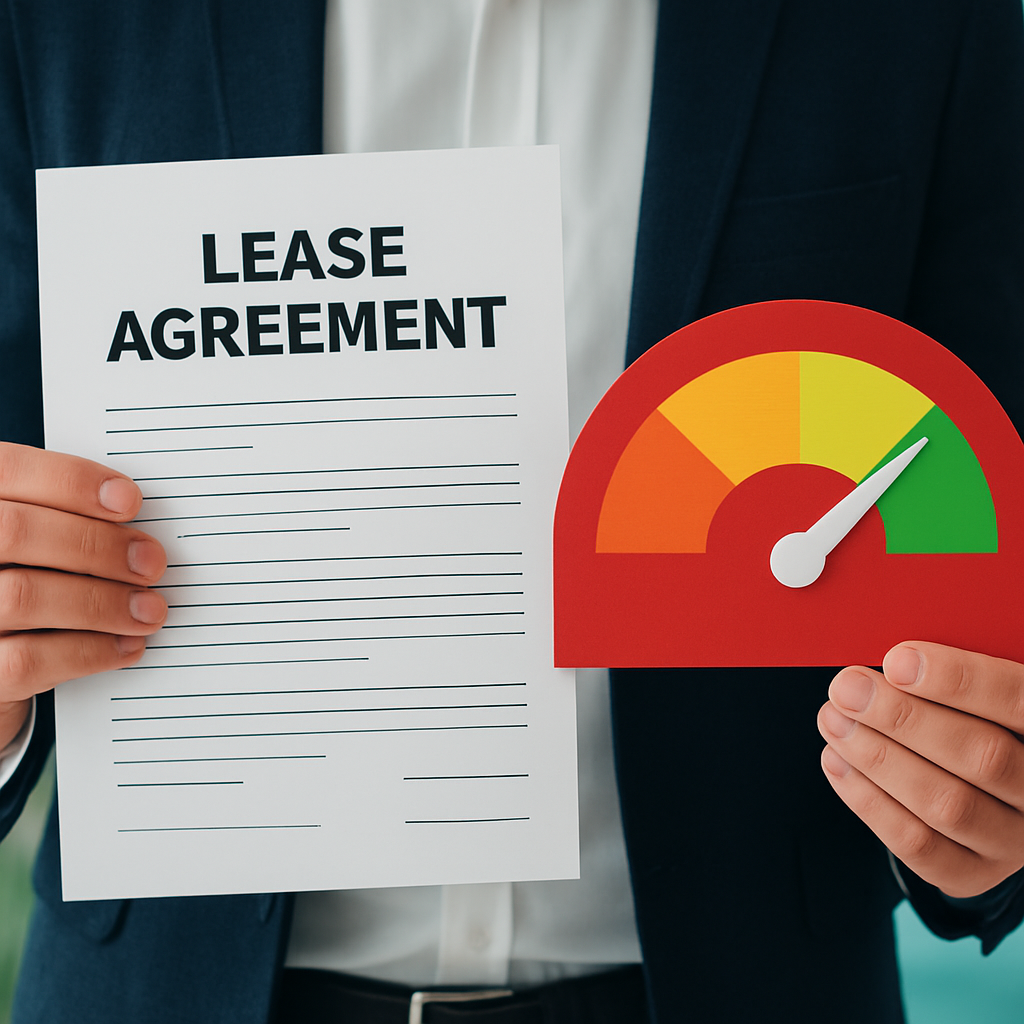
If you are hunting for a one-bedroom in town, knowing the lease requirements boca raton apartments landlords enforce will save time and prevent unnecessary rejections. This guide lists the documents managers expect, explains how local credit and eviction screening works, and gives practical tactics — preassembled application packets, guarantor options, and pet documentation — to help students and early-career professionals qualify faster.
Documents Boca Raton landlords will request
Start with the essentials. Boca Raton landlords expect a compact set of verifiable documents before they start screening — supplying them cleanly and early is the fastest way to avoid manual follow ups and delays.
- Photo ID: government issued ID or passport and either Social Security number or ITIN when required for a credit check.
- Proof of income: last 2 to 3 pay stubs, a signed employment verification letter with contact information, or for self employed applicants a recent 1040 and a profit and loss statement.
- Bank statements: 2 to 3 months of statements to show reserves and recurring obligations; export PDFs rather than screenshots for clarity.
- Rental history: prior lease, landlord contact info, and a move out statement or on time payment ledger if available.
- Student documentation: university enrollment verification, financial aid award letter, or a student account statement; combine with a parent guarantor form when necessary.
- Vehicle and pet records: vehicle registration if a parking permit is required; for pets provide vaccination records, microchip ID, and a short pet resume with photos.
- Additional items some offices ask for: copy of current lease if transferring, bankruptcy discharge documents if relevant, and proof of renter insurance if requested.
How to deliver them
Preferred formats and tradeoffs. Provide clear PDFs named with your last name and document type – example JaneDoe_Paystub1.pdf. Redacting the first five digits of a Social Security number reduces identity risk but may slow verification; ask the leasing office whether they need the full SSN before redacting.
Privacy and speed tradeoff. Secure portals or encrypted email are faster for processing than handing over paper at move in. However some leasing teams will request originals or notarized copies for guarantors or when a manual signature is required. Confirm delivery method up front to avoid repeat trips.
Concrete example: A student applying to Cynthia Gardens assembles a single PDF packet containing government ID, enrollment verification from the university, two months of bank statements, and a parent guarantor letter with contact info. The leasing office processed the application in 48 hours because all documents were preformatted and uploaded to the portal at submission.
Ask the leasing office before you apply whether they will run a hard or soft credit inquiry and whether they will accept digital documents via their portal.
Local rules to note. Florida landlord tenant law affects how security deposits and records are handled – consult Florida Statutes Chapter 83 for screening and deposit guidance. If a leasing office asks for unusual documentation, verify reasonableness against HUD fair housing rules before sharing sensitive data.
How credit and eviction checks are run and what landlords look for
Straight answer: Boca Raton leasing teams run a credit consumer report and a separate public-record eviction search, and they treat those as complementary risk signals — not identical ones. Property managers expect clean payment history more than a perfect score, and an old, isolated problem is far less deadly than a recent judgment or active collections.
How the checks are actually run
Screening is usually done with a tenant-screening service that pulls a credit report from one or more bureaus and queries court/eviction databases (services like CoreLogic, TransUnion SmartMove, or local court records). Ask the leasing office up front whether they run a soft or hard credit pull — it matters for your score — and whether they use national eviction databases or will check Palm Beach County court records directly. If you need the statute context, see Florida Statutes Chapter 83 and HUD screening guidance at offices/fairhousingequalopp/tenantscreening target=_blank>HUD Tenant Screening.
What landlords look for on credit and eviction reports
- Credit score benchmark: Many managers use ~620 as a guideline; this is not a legal floor — it is a risk filter. Low scores can be offset by stronger evidence elsewhere.
- Payment history: On-time rent or mortgage payments matter more than a small 12-year-old collection. Repeated recent late payments are a major red flag.
- Active collections or charge-offs: Especially within the last 2 years — landlords worry those predict missed rent.
- Bankruptcies and judgments: Recent bankruptcies or civil judgments reduce options; older bankruptcies weigh less if you show steady recovery.
- Eviction records: Completed eviction judgments within the last 3–7 years are commonly treated as disqualifying; older dismissals or vacated judgments are viewed more leniently.
Practical limitation: Screening data is imperfect — eviction databases often miss sealed records or show incorrect defendants. Expect a manual review if you submit evidence that contradicts a report. That manual step slows approval but is the usual way applicants with mistakes on their report get through.
Concrete example: A recent grad with a 580 score but steady employment submitted three months of bank statements, an employer letter, and a parent guarantor. The leasing team at a Boca Raton community accepted the guarantor and one-month prepaid rent, approving the lease after a 48-hour manual review.
- If you find an error: Order your free report via AnnualCreditReport, file disputes with the bureaus, and bring dispute confirmations to the leasing office. Use the CFPB resource at CFPB Tenant Screening to learn dispute paths.
- If you have a recent eviction: Be candid. Provide court paperwork showing vacatur, payment plans, or a letter from the previous landlord proving good conduct since the event — old evidence of remediation matters.
- Fast workaround: Offer a qualified guarantor, prepay rent, or show 6+ months of reserves in bank statements. These reduce the property manager's risk and often get you approved faster than waiting for disputes to clear.
Don’t apply blind: Ask if the office will run a hard inquiry and whether they accept third-party guarantors like TheGuarantors or Insurent before you hit submit; that small conversation saves denials and time.
Next consideration: if screening flags you, decide whether to invest in a guarantor service, offer extra security, or dispute records — each fixes approval speed differently and has real cost and documentation trade-offs.
Income requirements and affordability rules local landlords apply
Direct point: Most Boca Raton leasing teams use an income multiplier as the starting gate – think 2.5 to 3 times monthly rent – but the real decision hinges on how managers adjust that number for included utilities, reserves, and irregular pay. Passing a raw multiplier doesn’t guarantee approval if the money behind it looks unstable.
How managers actually calculate affordability
Common approach: Leasing offices calculate a net rent figure first. If utilities are included, they subtract an estimated utility allowance from the base rent and apply the multiplier to that lower number. If you have large cash reserves, some managers will accept fewer months of steady pay.
- Gross multiplier: Typical guideline is 2.5 to 3x monthly rent on gross income.
- Net rent adjustments: Included utilities or onsite perks can reduce the effective rent the manager uses in the calculation.
- Reserves count, but not equally: A one-time large bank balance helps but frequent deposits of consistent size are weighted more heavily.
- Guarantor math: Many managers require guarantors to show higher multiples, often 3.5 to 4x their household obligations, not just the apartment rent.
Trade-off to understand: Offering a larger security deposit or prepaying several months reduces a manager’s perceived risk but also raises your out-of-pocket cost and may limit your negotiating power on lease length or renewals.
Verifying irregular income and what passes in practice
What they want to see: For freelancers and gig workers, leasing teams usually want 3 to 6 months of bank statements showing regular deposits, 1099s or tax returns for the prior year, and an owner-prepared profit and loss for self-employed applicants. Sporadic income needs a narrative and documentation that shows predictability.
Practical judgment: In my experience, consistent monthly deposits are more persuasive than a single large balance. Leasing agents will manually increase scrutiny when income comes from unfamiliar sources – be proactive and annotate your bank statements before submission.
Concrete example: A recent graduate applying for a $1,800/month apartment in Boca Raton submitted proof of a $2,700 monthly part-time job plus a $900 monthly stipend from an internship agreement. The manager treated the stipend as recurring income once the applicant supplied a signed stipend schedule and two months of matching bank deposits, moving the file from conditional to approved.
- If you fall short: Offer a parent guarantor with full financial documentation, propose prepaying two months, or show three months of bank reserves equal to 6 months of rent.
- Negotiate counting guaranteed aid: For students, provide an official enrollment and financial aid award letter; many Boca Raton managers will count guaranteed scholarship or stipend payments as income when properly documented.
- Ask which exact documents they accept: That avoids delays and prevents managers from making conservative assumptions about irregular deposits.
Next consideration: Before you apply, calculate your effective net rent (subtract utilities if included), assemble 3 to 6 months of deposit history, and decide whether you will offer a guarantor or prepayment – that package wins approvals faster than repeated applications with incomplete income evidence.
Alternatives when credit or income fall short
Direct alternatives exist beyond simply having a higher score or steady paystubs. Leasing offices in Boca Raton commonly accept substitutes that lower perceived risk: third party guarantors, cash-forward arrangements, co-signers, structured roommate agreements, and insurance-style products that cover default. Each option moves risk away from the applicant in a different way and carries tradeoffs in cost, speed, and landlord acceptance.
Third-party guarantor services
How they work. Companies like TheGuarantors and Insurent back the lease for a fee so the leasing office treats your file like it had a qualified guarantor. Rhino and similar providers replace a large security deposit with a nonrefundable fee or monthly payment.
- Pros: fast approval workflow, reduces need for a parent co-signer, accepted by many Boca Raton property managers
- Cons: recurring or upfront cost can equal several hundred dollars, some landlords will not accept every vendor – confirm acceptance first
- Limitation: these services reduce lease risk but do not erase eviction records or serious credit problems that trigger manual declines
Prepaying rent or increasing the deposit
Practical tradeoff. Offering 1 to 3 months prepaid rent or a larger refundable security deposit buys trust quickly but locks up cash. Many managers prefer cash over paperwork because it limits manual underwriting time.
Use case example: A recent graduate with thin credit was asked to prepay two months rent and provide two months bank statements showing reserves. The leasing office approved within 24 hours because the cash positioned the applicant as low risk; the downside was reduced liquidity at move in.
Co-signers, roommate structuring, and lease design
Co-signers are fastest but personal. A parent co-signer usually clears the application immediately if they meet income and credit thresholds. That shifts legal responsibility to the co-signer, so be explicit about obligations and document everything.
- Roommate approach: rent with a creditworthy roommate on a single lease – this splits income requirements but increases joint liability
- Short initial lease: propose a 6 or 9 month term to reduce landlord exposure, then negotiate renewal once you have a payment history
- Document pack: supply bank reserves, a letter of employment, and strong rental references to replace an income multiplier
Practical judgment. In Boca Raton the quickest approvals often favor cash and documented reserves over slow credit cures. Third-party guarantors sit between these extremes – useful if you lack a co-signer but willing to pay for speed. Always confirm with the leasing office which of these alternatives they accept before paying any vendor fees.
Ask the leasing office directly which guarantors or deposit alternatives they accept and link your application to their preferred providers to avoid wasted fees. See the Cynthia Gardens student page for community contact details and specific acceptance policies.
Pet policies, documentation, and tips for pet-friendly properties like Cynthia Gardens
Straight talk: landlords approve or reject pet requests on paperwork and risk perception, not how cute your dog is. For pet-friendly Boca Raton apartments, a tidy, complete pet packet short-circuits questions and speeds decisions.
What to include in a pet packet
- Vaccination and vet records: current rabies, distemper, and other standard shots with vet contact info.
- Microchip and license: scanned microchip registration and county license if available.
- Pet resume: 1-page with age, weight, breed, temperament notes, obedience/training history, and two references (previous landlord or vet).
- Photos and a short video: a 20–30 second clip of the pet calmly in a living space is more convincing than paragraphs of claims.
- Proof of training or behavior classes: certificates or instructor contacts reduce breed/behavior objections.
Practical insight: offering a video and references reduces perceived risk faster than offering a larger nonrefundable fee. Managers see behavior evidence and will often waive minor breed concerns if the pet looks well-managed.
Trade-off to consider: pet rent versus pet deposit. Monthly pet rent raises your ongoing cost but lowers landlord risk more steadily; high refundable deposits lock up your money but may be preferred by owners who dislike recurring charges. Read the lease for refundable versus nonrefundable language before agreeing.
Legal boundary: service animals and reasonable accommodations are handled differently under HUD guidance—do not treat emotional support documentation and service-animal requests as standard pet agreements. See offices/fairhousingequalopp/tenantscreening target=_blank>HUD tenant screening if you need to request an accommodation.
Concrete example: A graduate student applying to Cynthia Gardens uploaded a single PDF with ID, lease application, and a pet packet (vaccines, microchip, 25-second video, vet reference). She offered to prepay two months of pet rent while the office completed screening; leasing approved her application within 48 hours and assigned a move-in date two weeks earlier than other applicants who submitted incomplete pet records.
How to ask and what to ask the leasing office
- Ask for specifics up front: breed/weight caps, required documents, and whether the community charges monthly pet rent or a one-time fee.
- Confirm whether pet fees are refundable: get the phrase exactly as it will appear in the lease.
- Ask whether a short behavior trial is possible: some communities allow a 30-day trial period with clear behavioral criteria.
- Check integration with your application: ask if you can upload the pet packet to the same portal used for the rental application to avoid processing delays.
Final judgment: applicants who treat pet screening as an add-on get slower, more adversarial reviews. If you want priority for pet-friendly listings like Cynthia Gardens, invest 30–60 minutes assembling a clean digital packet and communicating proactively. That investment usually beats offering extra money when managers are busy and understaffed.
Seven tactics to get approved faster
Key point: Leasing teams move quickly when risk is obvious and slow when anything looks messy. The tactics below are about removing uncertainty for the leasing agent — not tricking the process.
- Deliver a one-page applicant snapshot: a single PDF that leads with monthly rent, income summary, and contactable landlord references, followed by links to full documents. Leasing staff read one page first; make it obvious.
- Confirm the screening method before you apply: ask whether they run a soft or hard credit check and what screening vendor they use. If a hard pull is optional, delay it until you know the unit is still available.
- Bring a ready-to-accept risk-reduction offer: commit to paying first and last month, or an extra refundable security deposit, in writing. Cash up front short-circuits many manual approvals — but it also ties up cash and reduces bargaining power later.
- Pre-qualify a guarantor or guarantor certificate: get a parent co-signer or an approval letter from a third-party guarantor service and attach it to the application so the manager doesn't have to chase one down.
- Use the leasing portal and name files predictably: upload files as LastNameDocType (for example: GarciaPaystubs.pdf) and reference them in your cover email so the leasing agent can verify quickly.
- Show recent positive behavior, not distant credit fixes: include proof of paid-off collections or a short ledger of on-time rent payments; last 6–12 months of consistent cash flow matters more than a 10-point credit improvement.
- Follow up with a concise 48-hour check-in: email a 3-line status update and request an estimated decision time — polite pressure keeps your application on top of the inbox.
Concrete Example: A graduate student with irregular freelance income got approved for a one-bedroom at Cynthia Gardens by submitting a one-page summary, attaching a guarantor agreement from a parent, and offering two months prepaid rent. The leasing office completed screening in 36 hours instead of the typical 72 because there were no missing pieces to verify.
Trade-off to note: Paying extra upfront or using a guarantor speeds approval but reduces leverage on move-in condition issues and negotiation over lease terms. If you prepay, insist on clear receipt language and a timeline for refunds in writing.
Practical judgment: Spending a day assembling a clean, targeted packet and confirming acceptable guarantor providers is far more effective than trying to patch credit a week before applying. If you need a template, use the student resources on the Cynthia Gardens site as a base: student apartments boca raton.
Choose two tactics that match your constraints (cash vs credit vs guarantor) and confirm acceptability with the leasing office before you submit — that single confirmation saves days.
Application timeline, sample templates, and what to expect from Cynthia Gardens
Start with the expectation that speed is a package deal. Leasing teams move fast when your packet is complete and slow when they need to chase paperwork, conflicting names, or unsigned forms. Prepare to control the timeline by how you deliver documents, not by how quickly you can sign.
Typical timeline and where delays happen
- Viewing to application: same day to 3 days — if you want a unit held, ask what the leasing office requires to hold (fee, deposit, or completed application).
- Application submission to screening: 24–72 hours is common for automated checks; expect longer if manual review, guarantor verification, or court records need checking.
- Conditional approval to lease signing: 1–5 days depending on guarantor turnaround and whether the office uses electronic signatures or prints paper leases.
- Lease signing to move-in: 1–7 days for keys and move-in instructions once deposits and first month are cleared; utilities and parking passes add time.
Practical trade-off: opting to prepay the first month or offer a larger deposit usually shortens the clock, but you give up negotiating leverage on rent or concessions. If you need an answer inside 48 hours, be prepared to pay for speed.
Common operational snag: inconsistent names across documents (bank statement says Alex J. Smith, school ID says Alexander Smith) causes manual verification and a 24–72 hour delay. Use uniform naming and label files clearly to avoid that.
Three ready-to-use templates
- Application cover email: Hello [Leasing Agent Name], I submitted my application for [Unit/Model] on [date]. Attached: government ID, last 3 pay stubs, 2 months bank statements, rental references, and proof of enrollment (if student). My preferred move-in date is [date]. Please confirm receipt and whether you need anything else to complete screening. Thanks, [Full Name] [Phone].
- Guarantor quick email: Hi [Leasing Office], I will act as guarantor for [Applicant Name]. Attached are my photo ID, last 2 pay stubs, and most recent tax return. I understand this makes me financially responsible for the lease at [property]. Please let me know the guarantor form and any verification steps. — [Guarantor Name, Relationship, Phone].
- Pet resume fields: Pet name, breed, age, weight, spayed/neutered status, vaccinations on file (attach), microchip number, two brief references (prior landlord and vet), and one recent photo. Add a one-line behavior note: house-trained, no known aggression, crate-trained.
Concrete example: A recent applicant for a one-bedroom emailed a single PDF containing named files ID_AlexSmith.pdf, Paystubs_Alex_3.pdf, and Bank_Alex_2mo.pdf. Leasing acknowledged receipt within two hours; screening completed the next day after a guarantor emailed their docs. Lease signed electronically on day three. That sequence is repeatable if you bundle and label files correctly.
Cynthia Gardens follows local market workflows: be ready to upload documents to a portal or email them securely, and ask whether the community offers online lease signing or requires an in-office appointment. For student applicants see student apartments boca raton and use the same templates above tailored with enrollment proof.
Local resources and legal considerations for Boca Raton applicants
Start with the assumption that screenings and deposit disputes are governed locally and federally — not by handshake agreements. Boca Raton landlords must follow Florida landlord-tenant statutes and federal fair housing rules, and you should use those frameworks when you need to push back or speed a decision.
What to use first: order your free credit and eviction records, then collect court or university paperwork that disproves any bad entry.** Use AnnualCreditReport for credit files and the Palm Beach County Clerk for eviction docket copies to get primary documents the leasing office will accept.
Practical escalation workflow
- Document the problem: download the credit report or court docket showing the error and save PDFs.
- Send proof to the leasing office: email the evidence with a short cover note and ask them to re-run the report or accept the documentation while you dispute the record.
- File formal disputes: submit disputes to the credit bureaus and, if it is an eviction, contact the court that issued the judgment to request a record correction.
- Use regulatory channels if needed: file a complaint through the CFPB (tenant screening guidance) or HUD (offices/fairhousingequalopp/tenantscreening target=_blank>fair housing guidance) if you suspect discrimination or systemic errors.
Trade-off to accept: contesting records takes time and may not finish before you need to move.** If your timeline is tight, weigh a short-term workaround — a co-signer, third-party guarantor, or prepaid rent — against a months-long dispute that may or may not fully clear the record in time.
Concrete Example: an applicant found an old eviction listed by a tenant-screening company. They downloaded the court docket from the Palm Beach County Clerk, emailed it to the leasing agent with a one-paragraph explanation, and offered a two-month prepayment while the dispute was pending. The leasing office accepted the proof and held the unit under a conditional lease pending final resolution.
Local help exists — use it early. Palm Beach County Housing Division maintains renter resources and referrals to legal aid; for statutory language on deposit handling and screening, see Florida Statutes Chapter 83. These resources save you time and prevent weak paperwork from killing an otherwise eligible application.
Hard judgment: going straight to an attorney usually costs more than the disputed amount and slows a move. Try the documentation-plus-negotiation route first and reserve legal action for unresolved, high-value disputes or clear violations of fair housing law.
Next consideration: if you plan to rely on guarantor services or prepayments as your primary fix, call the leasing office before applying to confirm acceptance and any paperwork they require — that step avoids last-minute surprises.