
Last Updated: November 21, 2026
Quick Summary
Sustainable living for beach town residents starts with a free home energy audit through Florida Power & Light to find where your apartment wastes energy, since cooling dominates Boca Raton bills. Then target cooling, water use, waste, native landscaping, storm prep, and transportation.
- A Florida energy audit checks insulation, window seals, duct leaks, water heater settings, and appliance efficiency.
- Set the thermostat a few degrees higher when you leave and close blinds on west-facing windows.
- Water deeply and less often, and check irrigation timers after storms to avoid wasted water.
- Rinse containers, never bag recyclables, and keep plastic bags and Styrofoam out of the curbside bin.
- Photograph your unit and belongings for insurance before June, when the Atlantic season begins.
Table of Contents
- Start With a Home Energy Audit Before You Buy Anything
- Eco-Friendly Apartment Living Tips That Cut Energy Use
- Reducing Water Consumption in Florida Homes and Landscapes
- Sustainable Waste Management Boca Raton Residents Can Actually Follow
- Plant Native, Salt-Tolerant Landscaping Instead of a Lawn
- Prepare Your Home for Storm Season Before June
- Choose Transportation That Fits a Car-Oriented Coastal City
- Tour a Maintenance-Free Community Built Around Green Space
- Frequently Asked Questions
Start With a Home Energy Audit Before You Buy Anything
Sustainable living practices for beach town residents should begin with measurement, not shopping. Before you buy a single gadget, find out where your apartment actually wastes energy. In Boca Raton’s heat, cooling usually dominates the bill.
Home energy audits are available free through Florida Power & Light’s energy audit program. A technician checks insulation, window seals, duct leaks, and appliance efficiency.
This guide from Cynthia Gardens walks through seven practices that fit coastal Florida living.
What a Florida Energy Audit Actually Checks
A Florida audit looks at cooling load, not just insulation. Expect checks on:
- Attic and wall insulation levels
- Window seals and solar heat gain
- Duct leaks in the ceiling cavity
- Water heater settings
- Appliance age and efficiency ratings
A typical audit result is a prioritized list, and fixing the lower-cost items first is a sensible approach.
A Florida energy audit focuses on cooling load and checks these areas of your apartment.
| What the audit checks | Why it matters |
|---|---|
| Attic and wall insulation levels | Cooling usually dominates the bill |
| Window seals and solar heat gain | West-facing sun heats the unit |
| Duct leaks in the ceiling cavity | Leaks waste cooled air |
| Water heater settings | Older settings use more energy |
| Appliance age and efficiency ratings | Older appliances run less efficiently |
Eco-Friendly Apartment Living Tips That Cut Energy Use
Eco-friendly apartment living tips work best when they target cooling, because air conditioning drives most of a Florida bill. Renters can act on several of them without landlord permission.
Start with these:
- Set the thermostat a few degrees higher when you leave.
- Close blinds on west-facing windows during afternoon sun.
- Run ceiling fans only in occupied rooms.
- Wash laundry in cold water.
- Unplug chargers and small appliances when idle.
Windows that open matter too. On mild winter days, cross-ventilation can reduce the need to run the AC.
Reducing Water Consumption in Florida Homes and Landscapes
Reducing water consumption in Florida starts outdoors, where irrigation and landscaping use the most, and Boca Raton’s sandy soil and heavy summer rain make the outdoor wins larger than most guides admit. Indoors, the wins are smaller but steady.
Inside your apartment:
- Fix dripping faucets quickly; a slow drip can waste many gallons a day.
- Run dishwashers and washing machines with full loads.
- Take shorter showers and install a low-flow showerhead if your lease allows.
- Report running toilets to maintenance the same day.
Outdoors, the rules change. Check the city’s current irrigation schedule before you set a timer, since local watering rules can change by season. Watering during cooler hours generally loses less water to evaporation.
Irrigation Habits That Survive Salt and Summer Storms
Salt spray and heavy summer rain punish typical irrigation schedules. Water deeply and less often. Shallow daily watering can encourage weak roots and weeds. A rain sensor can stop watering during a downpour.
Check irrigation timers after storms, since a system left on a rain-delay setting can waste water. Aim sprinkler heads so they water plants rather than pavement.
Salt-Tolerant Native Landscaping That Cuts Irrigation
Native, salt-tolerant landscaping replaces thirsty turf with plants that already survive coastal conditions. Sea grape, coontie, dune sunflower, and railroad vine tolerate salt spray and need little irrigation once established. These species also feed pollinators and rebuild habitat lost to coastal development. By choosing native plants that thrive in salt and wind, residents can shape a coastal landscape that feels at home beside the water, as Costa SA-LA suggests.
For a patio or balcony, use containers with a saucer and a coarse, fast-draining mix; overwatering in containers is more common than underwatering. If you rent and cannot plant outdoors, try low-light plants for apartment living in containers instead, and group them so they shade each other’s soil.
Rain Barrels and Stormwater
A rain barrel on a downspout captures free water for container plants and reduces runoff that carries fertilizer and debris toward the coast. Keep the barrel covered to prevent mosquito breeding, and empty it before a named storm so it does not become a projectile. In a coastal city, every gallon captured on site is a gallon that does not carry pollutants to the beach.
Sustainable Waste Management Boca Raton Residents Can Actually Follow
Sustainable waste management starts with knowing what your local collection service accepts. Confirm your community’s hauler and collection rules before you buy bins or set a collection routine.
Curbside recycling accepts materials that vary by provider, so check your collection service’s current list. Keep these habits simple:
- Rinse containers before recycling.
- Never bag recyclables; loose items sort better at the materials recovery facility.
- Keep plastic bags, film, and Styrofoam out of the curbside bin.
- Compost food scraps if your community allows it, or use a countertop bokashi bin.
- Drop off batteries, electronics, paint, and chemicals at a designated hazardous-waste site rather than the curb.
Contamination can spoil a whole bin and slow the sorting line. One greasy pizza box or a tangled plastic bag is enough to cause problems.
Bulky Items, Yard Trimmings, and Holiday Trees
Bulky-item and yard-trimming pickup rules vary by provider, so confirm the current schedule and requirements with your collection service before setting items out.
Composting in a Coastal Apartment
Outdoor compost piles are impractical in a humid coastal climate and often barred by community rules. Countertop bokashi bins and sealed tumblers work better in apartments because they keep fruit flies and raccoons out. If your community has a shared garden, ask whether a three-bin compost system is allowed; the finished compost is useful for container plants and native landscaping.
Electronics and Household Hazardous Waste
Batteries, old phones, paint, pool chemicals, and fluorescent bulbs do not belong in any curbside stream. Household hazardous-waste drop-off options may be available through local county programs; check current locations and schedules. Store these items in a labeled box away from heat until you can drop them off, and never put lithium batteries in the recycling bin, where they can ignite in the truck.
Plant Native, Salt-Tolerant Landscaping Instead of a Lawn
Native, salt-tolerant landscaping replaces thirsty turf with plants that already survive coastal conditions. Sea grape, coontie, and dune sunflower tolerate salt spray and need little irrigation once established.
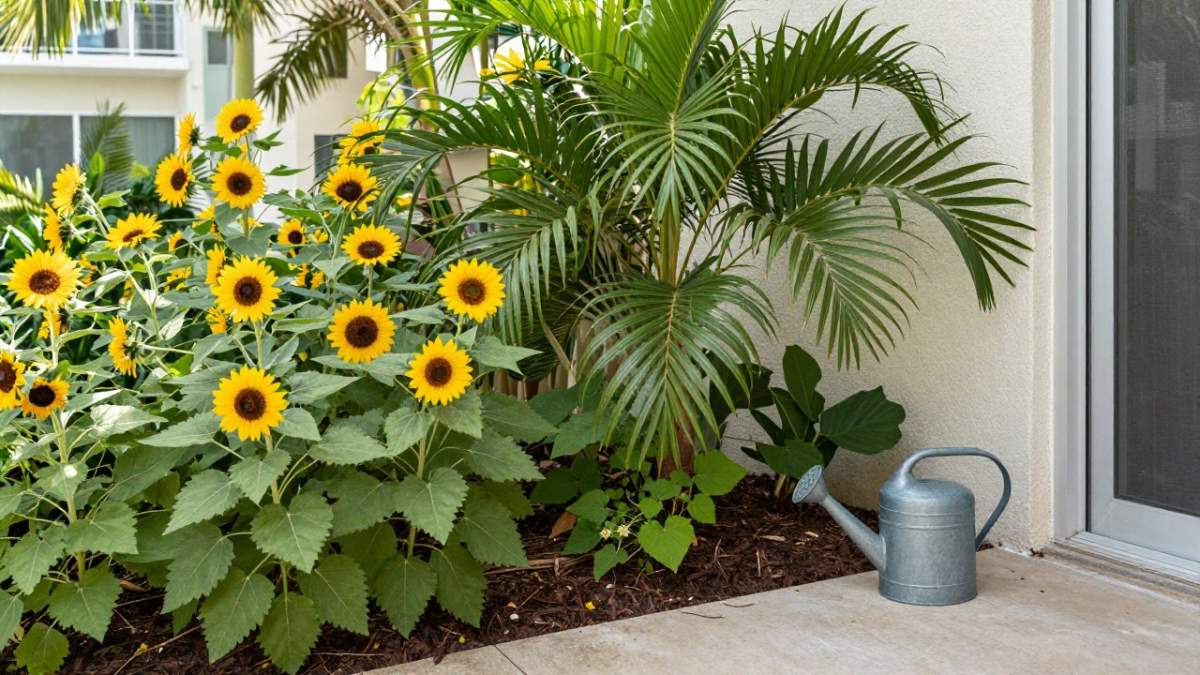
Pollinator-friendly plants can also support local wildlife. If you rent and cannot plant outdoors, try low-light plants for apartment living in containers instead.
Prepare Your Home for Storm Season Before June
Storm preparation is a sustainability practice, because replacing storm-damaged goods wastes materials and money. Start before June, when the Atlantic season begins.
Your pre-season checklist:
- Photograph your unit and belongings for insurance
- Stock water, batteries, and a manual can opener
- Clear your balcony of loose items
- Check renter’s insurance covers storm damage
- Save maintenance contact numbers offline
Resilient upgrades pay twice. Impact-rated windows can help with storm protection. For a deeper walkthrough, read how to prepare for moving to a coastal climate.
Choose Transportation That Fits a Car-Oriented Coastal City
Transportation choices matter in a car-oriented city, and the honest answer is that some trips still need a vehicle. The goal is cutting the ones that do not.
Try these swaps:
- Walk or bike for groceries under a mile away.
- Use Tri-Rail for longer commutes when it fits your route.
- Combine errands into one trip.
- Carpool for airport runs and beach days.
Walkable neighborhoods can reduce reliance on cars. If that lifestyle appeals to you, read why walkable neighborhoods matter before choosing where to live.
Tour a Maintenance-Free Community Built Around Green Space
Sustainable living is easier when the building supports it. Cynthia Gardens offers a garden-style community with lush, landscaped grounds.
Cynthia Gardens offers maintenance-free living, a resort-style pool, modern one-bedroom apartments with stainless steel appliances, and a location minutes from FAU and the beach.
Compare the benefits of living in garden style apartments for yourself. You can also explore our Boca Raton green oasis and picture daily life here.
Choosing sustainable habits in a beach town means working with the climate, not against it. Cynthia Gardens makes that easier with maintenance-free one-bedroom apartments, a resort-style pool, and landscaped grounds minutes from FAU and the beach. Our team handles repairs so you can focus on the habits that matter. Get started with Cynthia Gardens and schedule a tour today.
Frequently Asked Questions
What are the most effective sustainable living practices for someone renting near the beach?
Renters can focus on habits they control: run the dishwasher and laundry only with full loads, set the thermostat a few degrees warmer when away, switch to reusable water bottles and bags, and rinse recyclables before placing them in the bin. Ask your property manager about low-flow fixtures and native landscaping. In a beach town, also choose reef-safe sunscreen and skip single-use plastics that end up in the ocean. These steps cut energy and water use without any renovation.
How can I reduce water consumption in Florida without redoing the whole yard?
Start with the irrigation timer. Water before sunrise, cut the frequency to what local restrictions allow, and check sprinkler heads for leaks each season. Inside, fix running toilets and swap older showerheads for low-flow models. If you have planters or a small garden, group thirsty plants together and use mulch to hold moisture. Native and salt-tolerant plants need far less supplemental water once established, which matters during dry spring months.
What does sustainable waste management Boca Raton residents should know look like in practice?
Sort recycling according to your hauler’s accepted list, keep glass and cardboard clean and dry, and never bag recyclables. Food scraps can go into a countertop composter or a shared community bin if your building has one. Bulky items and electronics need separate drop-off or pickup arrangements rather than the regular cart. Confirm your collection day and accepted materials with the city or your property manager, since rules differ by community.
Does living near the beach raise or lower my carbon footprint?
It depends on how you get around and cool your home. Coastal homes often run air conditioning longer and face salt air that wears on equipment, which raises energy use. Driving everywhere in a car-oriented city adds emissions too. You can offset both by using public transit or commuter routes when possible, sealing windows and doors, and choosing a community with shared green space and shade trees. Smaller, well-insulated apartments generally use less energy than large detached houses.
