Table of Contents
- Why Low-Light Plants Matter in Modern Apartments
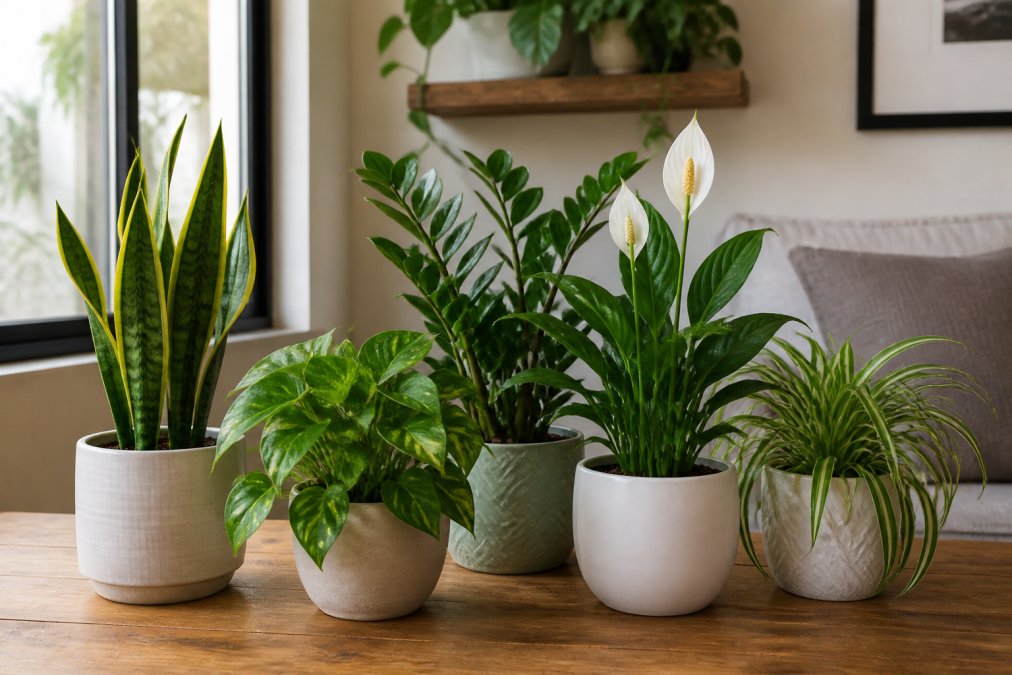
- Quick Comparison: 5 Best Plants for Low Light Apartment Living
- 1. Snake Plant: The Forgiving Air Purifier
- 2. ZZ Plant: Thrives on Neglect
- 3. Pothos: The Versatile Trailing Vine
- How to Care for Houseplants in Florida Apartments
- Signs Your Plant Needs More Light
- Where to Buy Low-Light Plants in Your Area
Last Updated: August 25, 2026
Why Low-Light Plants Matter in Modern Apartments
Roughly 66% of US households own at least one houseplant, yet most apartment dwellers face insufficient natural light (civicscience.com). Whether in a north-facing unit or surrounded by tall buildings, low-light conditions are the norm for urban living spaces. This guide from Cynthia Gardens explores the 5 best plants for low light apartment living, selections that thrive where sunlight is scarce and transform dark corners into living spaces.
The real problem: 54% of plant owners blame overwatering as their number-one plant killer, while 30% blame insufficient light. The solution is choosing the right low-light plant that eliminates both problems simultaneously. These aren’t delicate specimens requiring constant attention; they’re forgiving survivors that actually prefer shade.
Research shows 81% of plant owners report houseplants have a positive effect on their mental health (peer-reviewed research). Interaction with indoor plants can suppress the sympathetic nervous system responsible for stress responses, leading to measurable calm and happiness (peer-reviewed research). For apartment dwellers in Boca Raton, low-light plants aren’t just decor, they’re a wellness investment requiring almost nothing in return.
Quick Comparison: 5 Best Plants for Low Light Apartment Living
| Plant | Light Requirement | Watering Frequency | Height | Best For |
|---|---|---|---|---|
| Snake Plant | Low to bright indirect | Every 2-6 weeks | 2-4 feet | Beginners, air purification seekers |
| ZZ Plant | Low to medium indirect | Every 2-3 weeks | 3-5 feet | Travelers, neglect-tolerant gardeners |
| Pothos | Low to bright indirect | When soil is dry | Trailing/climbing | Hanging displays, vertical growing |
| Peace Lily | Low to bright indirect | When soil is slightly dry | 1-3 feet | Those wanting flowers, air purification |
| Spider Plant | Low to bright indirect | Moderate, consistent | 1-2 feet | Pet owners, propagation enthusiasts |
1. Snake Plant: The Forgiving Air Purifier
The snake plant is ideal for anyone skeptical about keeping plants alive. With upright, architectural leaves that tolerate everything from fluorescent office lighting to dim corners, this plant thrives on neglect. It can help purify your air by removing certain airborne toxins.
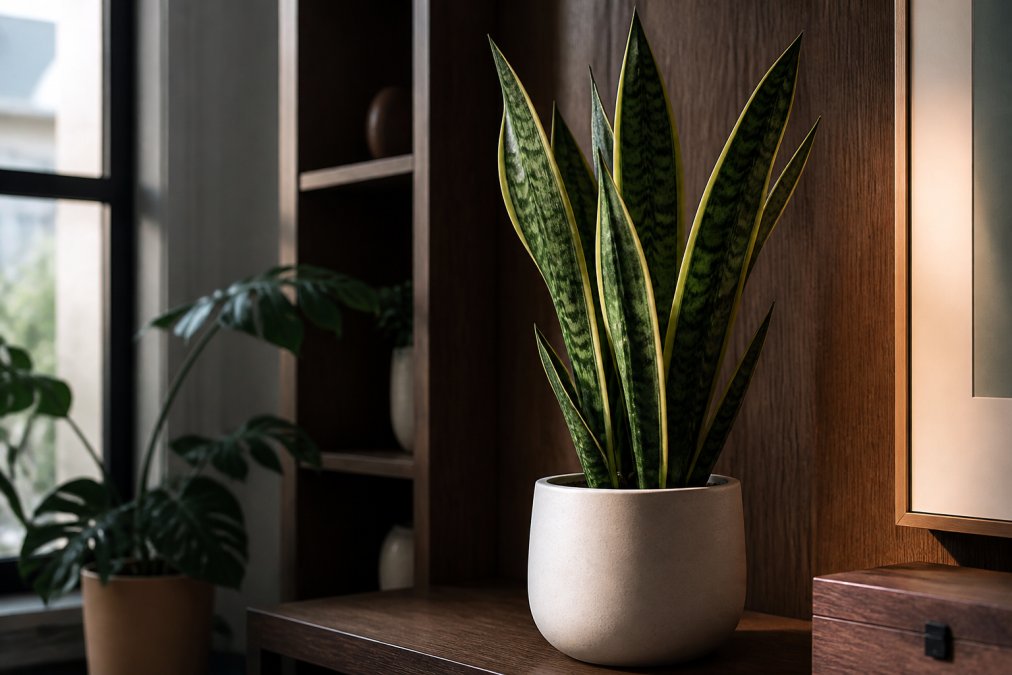
Snake plants tolerate low light well, though they grow faster in bright, indirect conditions. The critical mistake is overwatering. These plants store water in their rhizomes, so soil must dry out completely between waterings, typically every 2 to 6 weeks. In warm Boca Raton apartments, check soil moisture before watering; if it’s still moist an inch below the surface, wait another week.
Snake plants come in several varieties. The classic green-and-yellow variegated form is widely available and inexpensive. Laurentii varieties feature cream-colored leaf edges. Cylindrical varieties offer a sculptural alternative. All tolerate identical conditions.
Propagate snake plants by cutting a mature leaf into 2-inch sections, placing them in moist potting soil, and waiting 4-6 weeks for roots to develop. This creates free plants and provides a rewarding indoor activity.
Pros:
- Extremely forgiving; nearly impossible to kill through neglect
- Can contribute to improved indoor air quality
- Stylish, modern aesthetic that complements any apartment decor
- Grows slowly, so repotting is rare
Cons:
- Overwatering causes root rot, the only real threat
- Growth is minimal in very low light
- Toxic to pets if ingested
2. ZZ Plant: Thrives on Neglect
If you travel frequently or work unpredictable hours, the ZZ plant is your answer. This plant stores water in underground rhizomes, making it genuinely drought-tolerant. It tolerates very low light, even fluorescent office lighting, and adapts to whatever apartment conditions you provide.
The visual appeal is understated but refined. Glossy, thick leaflets emerge lime green and mature to deep emerald, creating a polished, modern look. Mature plants reach 3 to 5 feet in height, making them substantial enough to anchor a corner.
Watering is infrequent, every 2 to 3 weeks in most conditions, less in cooler months. In warm Boca Raton apartments, check soil moisture before watering. The rhizomes are sensitive to excess water; root rot develops if you water on a schedule rather than checking the soil first.
ZZ plants are toxic if ingested by pets or children. The entire plant contains calcium oxalates, which cause mouth irritation and gastrointestinal upset. Place this plant on a high shelf or in a room pets don’t access.
Pros:
- Exceptionally low maintenance and drought-tolerant
- Thrives in low to medium indirect light
- Adds a polished, sophisticated look to any space
- Slow growth means minimal repotting
Cons:
- Toxic to pets and children if ingested
- Very slow growth in low light
- Rhizomes rot if overwatered
3. Pothos: The Versatile Trailing Vine
Pothos is the most adaptable houseplant for low-light apartments. It tolerates everything from dim corners to bright windows, making it forgiving if you move it around. Grow it trailing from a shelf, climbing up a moss pole, or cascading from a hanging planter. One plant can transform multiple areas of your apartment.
The heart-shaped leaves come in several cultivars. Golden Pothos has green leaves with yellow variegation. Jade Pothos is solid green and slightly more shade-tolerant. Marble Queen features cream and green variegation but requires more light to maintain its pattern. All tolerate identical care.
Pothos is fast-growing compared to snake and ZZ plants, producing new leaves every week or two in moderate light. This makes it ideal if you want visible progress. It’s also trivially easy to propagate: cut a stem below a node, place it in water, and roots develop within days.
Watering is straightforward: water when the top inch of soil feels dry. In low-light conditions, this might be every 7-10 days. Pothos is forgiving of inconsistent watering, though it prefers consistency.
Renters who want a fast-growing, visually impressive plant that doesn’t require much space or light. Pothos is also ideal for anyone who enjoys propagating plants and creating new specimens.
Pros:
- One of the most light-tolerant houseplants available
- Fast-growing and visually rewarding
- Trivially easy to propagate
- Works as a trailing, climbing, or cascading plant
Cons:
- Toxic to pets if ingested
- Variegated varieties fade in very low light
- Can become leggy if light is extremely dim
How to Care for Houseplants in Florida Apartments
Caring for houseplants in warm, humid Boca Raton apartments requires adjustments compared to cooler climates. Florida’s heat, humidity, and intense seasonal sun create conditions that differ significantly from typical houseplant care guides.
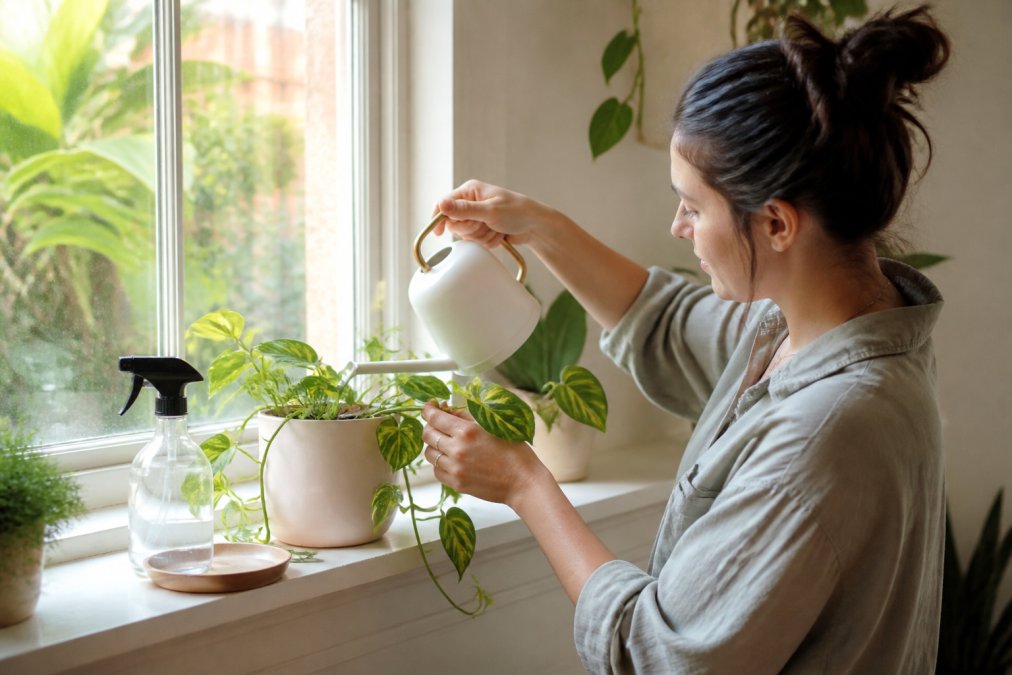
Temperature stability is your first advantage. While northern apartments experience seasonal dormancy, Florida apartments maintain consistent warmth year-round. Plants never truly rest, meaning they grow continuously. This accelerates growth but also increases water consumption. Monitor soil moisture more frequently than guides suggest.
Air conditioning creates a secondary challenge: rapid humidity loss. Your apartment’s AC system dries the air significantly, especially in summer. For snake, ZZ, and pothos plants, this dryness is actually beneficial, it reduces fungal risks and makes overwatering less likely. But it means the soil dries faster than you’d expect, so adjust watering frequency slightly upward. apartment storage solutions.
Managing Humidity and Heat
Low-light plants tolerate humidity fluctuations better than sun-loving species, but Florida’s dry indoor air still matters. If you notice brown leaf tips on pothos or peace lilies, low humidity is likely the culprit. Place plants on a pebble tray filled with water (the pot sits on pebbles above the water, not directly in it), or group plants together to create a microclimate.
Misting provides minimal benefit in Florida’s heat; the water evaporates too quickly. A pebble tray is more effective and requires no daily maintenance.
Heat itself isn’t a problem for low-light plants. Snake, ZZ, and pothos all tolerate temperatures from 60 to 80 degrees Fahrenheit comfortably. Avoid placing plants directly in front of air conditioning vents, where cold drafts can stress them.
Watering in Warm Climates
The instinct is to water more frequently in heat. The reality: warm apartments dry soil faster, but plants also use water faster, so frequency increases only slightly. The rule remains: check soil moisture before watering.
For snake plants, wait until the soil is completely dry. For ZZ plants, wait until the top inch is dry and the pot feels light. For pothos, water when the top inch is dry. In warm apartments, this might mean watering every 5-7 days instead of every 10, but the interval depends on your specific apartment, pot size, and soil type.
Use room-temperature water. Cold water shocks tropical plant roots. If your tap water is heavily chlorinated, let it sit for 24 hours before using. Drainage is non-negotiable, every pot must have drainage holes. Without them, water accumulates and roots rot within weeks.
Signs Your Plant Needs More Light
Even low-light plants have limits. If your apartment is genuinely dark, interior rooms with no windows or north-facing rooms with heavy shade, you’ll eventually see signs that light is insufficient.
The first sign is slowed growth. If your pothos hasn’t produced a new leaf in three weeks, or your snake plant shows no new growth for two months, light is likely the limiting factor. Moving the plant three feet closer to a window often reverses this.
Leaf loss is more serious. If lower leaves yellow and drop despite consistent watering, insufficient light is typically responsible. The plant is pruning itself because it can’t photosynthesize enough to support all its foliage. Move the plant to brighter conditions and new growth will emerge.
Variegation fading is purely aesthetic but worth noting. If your Marble Queen pothos or variegated Laurentii snake plant loses its white or yellow markings and becomes solid green, light is too low. Moving it to brighter indirect light restores variegation within a few weeks.
The most severe sign is leggy growth: long stems with large gaps between leaves. This indicates chronic insufficient light. Pruning the plant back and moving it closer to a window corrects it.
Low-light plants are genuinely forgiving, but even they have minimum light thresholds. If growth stops or leaves yellow despite proper watering, insufficient light is the issue. Moving the plant just a few feet closer to a window usually reverses the problem within weeks.
Where to Buy Low-Light Plants in Your Area
Finding quality low-light plants in Boca Raton is straightforward. Several local options offer established specimens and knowledgeable staff who understand Florida’s specific growing conditions.
Nu Turf of Pompano Beach is a 5-acre nursery just north of Boca Raton, offering thousands of trees, plants, and perennials. They carry interior foliage suitable for low-light conditions and their staff understands Florida’s climate and can recommend plants specifically adapted to apartment living.
HabBloom Plant Nursery operates a 12-acre facility in Boca Raton, producing over 1 million annuals and perennials annually. Their plants are bred for Florida’s climate, making them naturally adapted to local conditions. Call ahead before visiting, as hours are limited.
The Home Depot Garden Center in Boca Raton carries a selection of common houseplants, including several low-light options. Availability varies and selection is smaller than dedicated nurseries, but convenience and competitive pricing make it a viable option.
Smarty Plants offers online ordering with home delivery to Boca Raton. They source plants from local growers, inspect them for quality, and include a 30-day guarantee. Free delivery applies to orders over $200, with a $0.50-per-mile fee for smaller orders.
When purchasing low-light plants, inspect the foliage carefully. Avoid plants with brown or yellowing leaves, soft stems, or visible pests. Check the soil, it should be moist but not waterlogged. Ask the nursery staff about the plant’s light history; plants grown in shade are better adapted to low-light apartments.
Consider starting with a single plant to test your care routine. Snake plants are the safest bet for absolute beginners; they’re nearly impossible to kill and teach you the basics of watering and light requirements. Once you’ve successfully maintained a snake plant for a few months, adding ZZ plants or pothos becomes intuitive.
For apartment dwellers in Boca Raton, living at Cynthia Gardens offers an additional advantage: the community’s lush, landscaped grounds provide inspiration and a connection to living plants without the maintenance burden. The serene garden-style environment creates a natural extension of indoor plant care, and residents develop an appreciation for greenery that makes low-light houseplants feel like a natural addition to their living spaces.
Low-light apartment living doesn’t mean sacrificing greenery. The five plants covered here, snake plant, ZZ plant, pothos, peace lily, and spider plant, thrive in conditions most apartments provide naturally. They require minimal care, can contribute to improved indoor air quality, and deliver measurable wellness benefits. Start with one, master the basics, and expand from there. At Cynthia Gardens, our residents enjoy a maintenance-free living experience enhanced by the community’s beautiful landscaping, and many extend that approach indoors by cultivating low-light houseplants that require equally minimal intervention. Schedule a tour today to discover how serene apartment living in Boca Raton can include the calming presence of thriving indoor plants.
=== FAQ ANSWERS (audit these too, same rules) ===
[1] Q: What are the best low-light plants for apartments?
A: Snake plants, ZZ plants, pothos, peace lilies, and spider plants are the five best low-light plants for apartment living. Each tolerates shade exceptionally well and requires minimal maintenance. Snake plants and ZZ plants are especially forgiving, thriving on infrequent watering and neglect. Pothos adapts to almost any light condition, while peace lilies produce elegant white flowers even in dim corners. Spider plants are pet-friendly and can help purify air effectively. All five are widely available and affordable, making them ideal for renters.
[2] Q: How often should I water indoor plants in a humid climate like Florida?
A: In Florida’s humid climate, water less frequently than you might expect. Most low-light plants need watering every 2-6 weeks depending on the species and pot size. Check soil moisture by inserting your finger 1-2 inches deep; water only when soil feels dry. Overwatering is the leading cause of plant death, accounting for 54% of houseplant failures. The humidity in Florida apartments slows soil drying, so err on the side of underwatering rather than overwatering. Empty saucers after watering to prevent root rot.
[3] Q: Are these low-light plants safe for pets?
A: Spider plants are completely non-toxic to cats and dogs, making them the safest choice for pet owners. However, snake plants, ZZ plants, and pothos are toxic if ingested and should be placed out of reach of curious pets and children. Peace lilies are mildly toxic. If you have pets, prioritize spider plants or place toxic varieties on high shelves or hanging planters where animals cannot access them. Contact your veterinarian immediately if your pet ingests any plant material.
[4] Q: Can I grow low-light plants with only artificial light?
A: Yes, many low-light plants thrive under fluorescent or LED lighting alone. ZZ plants and snake plants tolerate artificial light exceptionally well. Pothos also adapts to fluorescent lighting, though variegated varieties may lose some color. Peace lilies can bloom under artificial light if it’s bright enough. Position lights 12-24 inches above plants and keep them on for 12-16 hours daily to simulate natural daylight. This makes low-light plants perfect for interior apartment spaces with no windows.
[5] Q: How do I know if my apartment has low light?
A: Your apartment has low light if you cannot read a newspaper comfortably near a window during midday without turning on lights, or if rooms lack windows entirely. North-facing rooms and interior spaces far from windows typically qualify as low-light areas. If you’re unsure, start with a ZZ plant or snake plant, both tolerate extremely low light and will show clear signs if they need more brightness through slow growth or pale new leaves.
Frequently Asked Questions
Q: What are the best low-light plants for apartments?
A: Snake plants, ZZ plants, pothos, peace lilies, and spider plants are the five best low-light plants for apartment living. Each tolerates shade exceptionally well and requires minimal maintenance. Snake plants and ZZ plants are especially forgiving, thriving on infrequent watering and neglect. Pothos adapts to almost any light condition, while peace lilies produce elegant white flowers even in dim corners. Spider plants are pet-friendly and can help purify air effectively. All five are widely available and affordable, making them ideal for renters.
Q: How often should I water indoor plants in a humid climate like Florida?
A: In Florida's humid climate, water less frequently than you might expect. Most low-light plants need watering every 2-6 weeks depending on the species and pot size. Check soil moisture by inserting your finger 1-2 inches deep; water only when soil feels dry. Overwatering is the leading cause of plant death, accounting for 54% of houseplant failures. The humidity in Florida apartments slows soil drying, so err on the side of underwatering rather than overwatering. Empty saucers after watering to prevent root rot.
Q: Are these low-light plants safe for pets?
A: Spider plants are completely non-toxic to cats and dogs, making them the safest choice for pet owners. However, snake plants, ZZ plants, and pothos are toxic if ingested and should be placed out of reach of curious pets and children. Peace lilies are mildly toxic. If you have pets, prioritize spider plants or place toxic varieties on high shelves or hanging planters where animals cannot access them. Contact your veterinarian immediately if your pet ingests any plant material.
Q: Can I grow low-light plants with only artificial light?
A: Yes, many low-light plants thrive under fluorescent or LED lighting alone. ZZ plants and snake plants tolerate artificial light exceptionally well. Pothos also adapts to fluorescent lighting, though variegated varieties may lose some color. Peace lilies can bloom under artificial light if it's bright enough. Position lights 12-24 inches above plants and keep them on for 12-16 hours daily to simulate natural daylight. This makes low-light plants perfect for interior apartment spaces with no windows.
Q: How do I know if my apartment has low light?
A: Your apartment has low light if you cannot read a newspaper comfortably near a window during midday without turning on lights, or if rooms lack windows entirely. North-facing rooms and interior spaces far from windows typically qualify as low-light areas. If you're unsure, start with a ZZ plant or snake plant, both tolerate extremely low light and will show clear signs if they need more brightness through slow growth or pale new leaves.