Last Updated: October 22, 2026
Quick Summary
To prepare for a coastal climate, plan for salt air, heavy humidity, and storm season before your boxes arrive. Seal boxes with moisture-resistant tape, pack desiccant packets with electronics, and call your utility provider a week ahead so the AC runs on day one.
- Storm season runs June through November, so time your arrival with that in mind.
- Keep indoor humidity below 60% and fix leaks fast to prevent mold.
- Standard renter’s policies often exclude flood damage, so ask about separate coverage.
- Any item with exposed metal needs a coat of protective oil or a sealed container.
- Set up airflow before decor by opening interior doors and running ceiling fans and AC.
Table of Contents
- How to Prepare for Moving to a Coastal Climate: First Steps
- How to Prepare for Florida Humidity Before You Arrive
- Hurricane Preparedness Boca Raton: What to Do Before You Move
- How to Prevent Mold in Humid Climates
- Your Coastal Apartment Moving Checklist
- Packing and Home Preparation Tips for a Coastal Move
- Why a Garden-Style Community in Boca Raton Makes Coastal Living Easier
- Conclusion
- Frequently Asked Questions
How to Prepare for Moving to a Coastal Climate: First Steps
Moving to a coastal climate means planning for salt air, heavy humidity, and storm season before your boxes arrive. This guide from Cynthia Gardens covers how to prepare for moving to a coastal climate, whether you land in Boca Raton, FL or anywhere along the shore.
Here is the key point most checklists skip: coastal damage is preventable, but only if you act early. A 2024 Virginia Tech study on coastal relocation found that residents in flood-prone East Coast areas increasingly weigh climate risk when choosing where to live. That makes sense. Planning ahead beats reacting later.
Below, we break the process into five stages, from humidity prep to your final walkthrough.
A coastal climate is a weather pattern defined by high humidity, salt-laden air, and seasonal storm risk. It affects how you pack, what you store, and how you cool your home.
The first 48 hours after arrival matter most. Set up cooling and airflow before you unpack a single box.
How to Prepare for Florida Humidity Before You Arrive
Start with your route and your timing. Book your move for a dry stretch if you can, and keep electronics and wood furniture in climate-controlled transport.
Humidity is the number one threat to your belongings. It warps wood, fogs glass, and feeds mold. Take these steps before the truck leaves:
- Seal boxes with moisture-resistant tape
- Pack desiccant packets with electronics and leather
- Wrap wood furniture in breathable moving blankets, not plastic
- Ship artwork and photos in rigid, sealed cases
Call your new utility provider a week ahead. You want the AC running on day one, not day three. A running system pulls moisture out of the air and protects everything you own.
Hurricane Preparedness Boca Raton: What to Do Before You Move
Hurricane preparedness in Boca Raton starts with knowing your zone. Check your address against local evacuation maps and note the nearest shelter before you sign a lease.
Storm season runs June through November, so time your arrival with that in mind. Keep a go-bag ready from day one:
- Bottled water and shelf-stable food for three days
- Flashlights, batteries, and a battery-powered radio
- Important documents in a waterproof folder
- Phone chargers and a portable power bank
- A week of pet food and medications
The National Park Service coastal adaptation case studies show how coastal communities prepare for climate risk through data collection and proactive planning. You can apply the same mindset at home: learn the risks, then act before the season starts.
How to Prevent Mold in Humid Climates
To prevent mold in humid climates, keep indoor humidity below 60% and fix leaks fast. Mold needs moisture, warmth, and a food source, so cutting the moisture stops it cold.
Simple habits go a long way:
- Run the AC fan on auto, not constant
- Use exhaust fans in the kitchen and bathroom
- Wipe down windows and sills after heavy rain
- Keep furniture a few inches off exterior walls
- Check under sinks and behind the fridge monthly
The Georgia Coastal Research Council at the University of Georgia notes that coastal communities adapt through nature-based solutions and proactive planning. At home, that means airflow and drainage, not chemical sprays.
Skipping airflow in closets and storage rooms is the most common mistake. Trapped air turns into mold within weeks, and cleanup costs far more than a fan.
Your Coastal Apartment Moving Checklist
A coastal apartment moving checklist keeps the move organized. Work through it in order so nothing slips.
| Stage | Key Task | When |
|---|---|---|
| Before you pack | Confirm AC setup and renter’s insurance | 3-4 weeks out |
| Packing | Seal boxes, add desiccants, wrap wood | 1-2 weeks out |
| Moving day | Keep electronics in climate-controlled transport | Day of move |
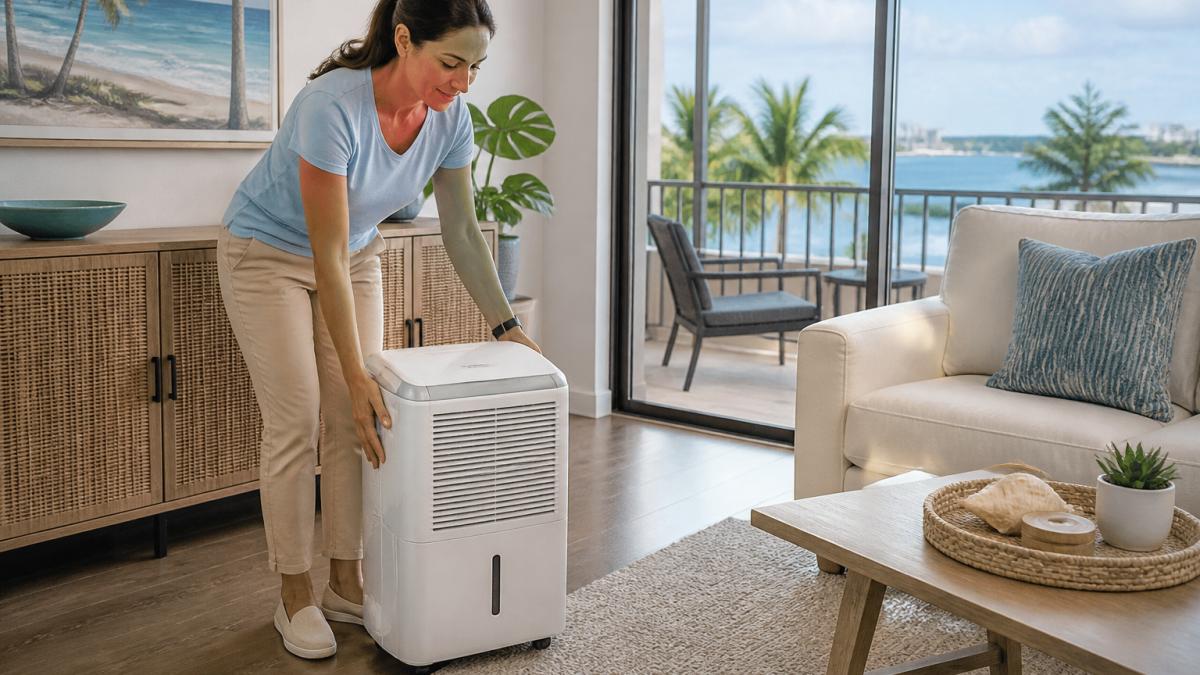
| First 48 hours | Run AC, set dehumidifier, check for leaks | On arrival |
| First week | Wipe surfaces, test fans, inspect closets | Week one |
Insurance deserves a close look. Standard renter’s policies often exclude flood damage, so ask about separate coverage before you sign.
Packing and Home Preparation Tips for a Coastal Move
Salt air corrodes metal fast. Any item with exposed metal, from tools to bike chains, needs a coat of protective oil or a sealed container.
Here is how we would pack a coastal move:
- Use plastic bins for anything metal or paper
- Add silica gel packs to every electronics box
- Label boxes by room and by humidity risk
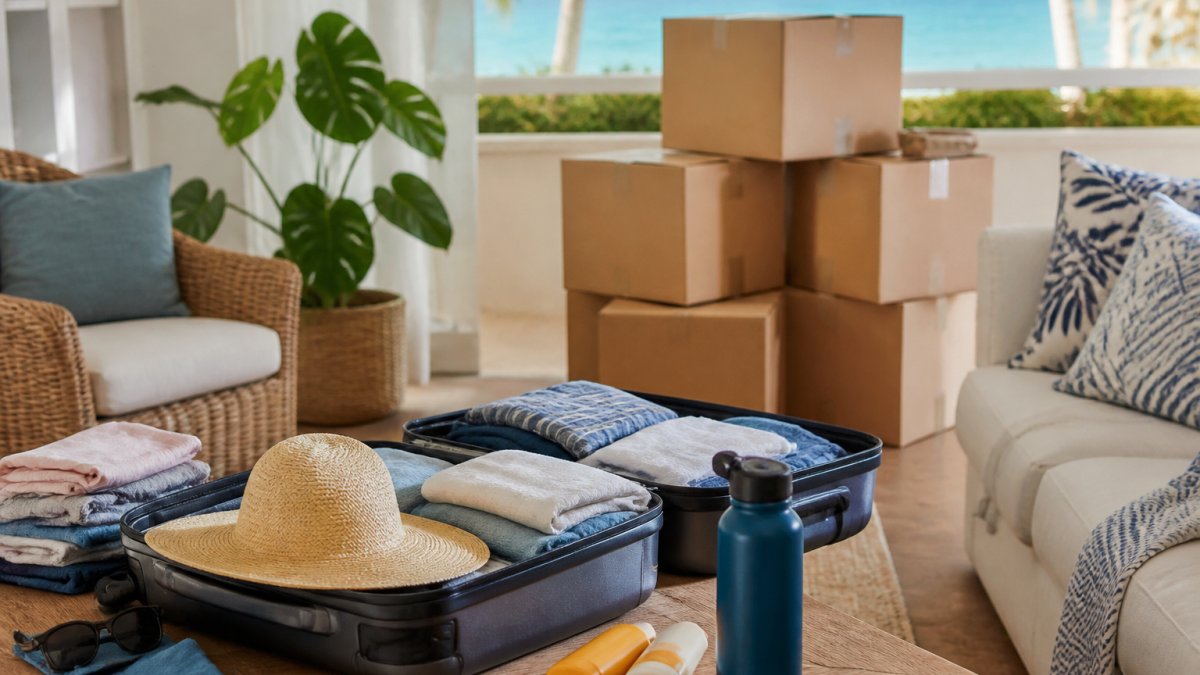
- Keep a “first night” box with bedding, towels, and chargers
- Photograph your belongings before the truck loads
Once you arrive, set up airflow before decor. Open interior doors, run ceiling fans, and let the AC dry the space for a day.
Why a Garden-Style Community in Boca Raton Makes Coastal Living Easier
A garden-style community reduces the daily friction of coastal living. Low-rise buildings, shaded grounds, and on-site maintenance mean fewer storm worries and less upkeep for you.
At Cynthia Gardens, we built our Boca Raton community around that idea. Our modern one-bedroom apartments feature stainless steel appliances and quartz countertops, finishes that handle humidity well. Residents enjoy a resort-style pool, lush landscaped grounds, and maintenance-free living.
For anyone searching for a quiet apartment near me in Boca Raton, location matters too. We sit minutes from FAU and the beach, with easy access to I-95 and Tri-Rail for commuters. The Middlebury Institute case study on coastal flood adaptation shows how coastal communities weigh adaptation costs against storm risk. Choosing a well-managed community is your own form of adaptation.
Ask any community how they handle storm prep and maintenance requests before you sign. The answer tells you more than any brochure.
Conclusion
Coastal living rewards people who plan ahead. Humidity, salt air, and storm season are manageable when you prepare before the move, not after.
At Cynthia Gardens, we make that transition easier with maintenance-free one-bedroom apartments, a resort-style pool, and landscaped grounds minutes from FAU and the beach. Schedule a tour today and see how effortless coastal living can feel. Once you have settled into your new home, you can begin personalizing your space with coastal decor ideas that capture the serene essence of the ocean breeze.
Frequently Asked Questions
What should I know before moving to Boca Raton, Florida?
Boca Raton combines coastal beauty with high humidity and hurricane season from June through November. Before moving, budget for renter’s insurance that covers wind and water damage, and plan for a higher electric bill due to air conditioning. A 2026 study in Nature notes that coastal sea-level height and land elevation shape hazard impacts, so choose an apartment with elevation and drainage in mind. Also confirm move-in costs and lease terms early, and ask about maintenance response times and pet policies if you have animals.
How do I prepare for the humidity in South Florida?
Start by scheduling an HVAC inspection and buying a dehumidifier before you arrive. Use moisture absorbers in closets and under sinks, and run exhaust fans in bathrooms and kitchens. Wash and dry any damp towels or clothing immediately. For electronics, use surge protectors and keep devices in air-conditioned rooms. If you are renting, ask management about humidity control in the unit and whether they provide dehumidifiers. A garden-style community with mature landscaping can also help shade windows and reduce heat gain.
What should I pack when moving to a coastal climate?
Pack moisture-wicking clothing, lightweight bedding, and closed-toe shoes for hurricane debris cleanup. Bring a basic hurricane kit: water, non-perishable food, flashlights, batteries, a battery-powered radio, and important documents in waterproof bags. Include a dehumidifier, moisture absorbers, and mold-resistant shower curtains. For furniture, choose materials that resist humidity, such as metal, plastic, or treated wood. Keep electronics in original boxes with desiccant packs. Label boxes by room and keep essentials separate for the first night.
How can I protect furniture and electronics from humidity?
Place furniture away from exterior walls and windows to reduce condensation. Use a dehumidifier to keep indoor humidity between 30% and 50%. For electronics, plug devices into surge protectors and avoid placing them near bathrooms or kitchens. Wipe down leather and wood furniture weekly with a dry cloth, and use mildew-resistant covers on upholstery. If you store items in a garage or storage unit, use pallets to raise boxes off the floor and add moisture absorbers. In a coastal apartment, report any musty odors to maintenance promptly.
What should I do to prepare for hurricane season in Boca Raton?
Hurricane season runs June 1 to November 30. Before you move, sign up for local emergency alerts and know your evacuation zone. Assemble a hurricane kit with at least seven days of water and food, medications, flashlights, and a battery-powered radio. Keep important documents in a waterproof container. If you rent, ask about storm shutters or impact windows and the community’s emergency plan. Review your renter’s insurance policy to confirm wind and flood coverage. Trim any trees near your unit and secure outdoor furniture when a storm approaches.
How do I prevent mold and mildew in a humid coastal home?
Control indoor humidity with a dehumidifier and air conditioning, and fix leaks within 24 to 48 hours. Run exhaust fans in bathrooms and kitchens, and dry wet surfaces immediately. Use mold-resistant paint and shower curtains, and clean bathrooms weekly with a mildew remover. Keep closets and storage areas ventilated. If you see or smell mold, report it to your landlord or maintenance team right away. A 2024 Virginia Tech study found that coastal residents are more inclined to relocate due to flooding, so addressing moisture early protects both your health and your lease.
What should I look for in an apartment near the beach?
Look for impact windows or storm shutters, elevated units, and good drainage around the property. Ask about humidity control, maintenance response times, and whether the community has a hurricane plan. Check for pet policies if you have animals, and confirm move-in costs and lease break terms. A garden-style community with lush landscaping can offer shade and a quieter environment than high-rises. Visit at different times of day to assess noise and traffic, and review actual resident testimonials rather than relying on marketing photos alone.
How does living near the coast affect everyday maintenance?
Salt air and humidity speed up wear on metal fixtures, paint, and outdoor furniture, so expect to clean and inspect these more often. Rinse outdoor items monthly and use rust-resistant hardware. Keep gutters and drains clear to prevent water damage during heavy rain. Check windows and doors for condensation and report any leaks promptly. In a rental, maintenance-free living can reduce your workload, but you still need to manage indoor humidity and report issues early. Budget for occasional replacement of weather-stripped seals and outdoor cushions.