
TL;DR:
- Asking detailed questions and obtaining written approval are essential to protect pet owners from disputes and unexpected charges. Pet-related costs can exceed $1,000 annually, so thoroughly understanding fees, deposits, and policies helps avoid budget surprises. Ensuring proper documentation, like a pet addendum, and confirming renewal protections safeguard housing rights for pet owners.
The most critical questions for leasing pet owners center on securing written pet approval, understanding all fees, and confirming that permission carries through every lease renewal. Pet lease questions are not just formalities. They are your legal protection against eviction, surprise charges, and policy reversals that can upend your living situation. Up to 40% of pet-friendly apartments require a pet deposit averaging $287. That figure alone shows why asking the right questions before you sign is non-negotiable.
1. What are the most important pet policy questions to ask before signing?
The first round of questions for renting with pets focuses on getting explicit, written approval for your specific animal. A verbal “yes, pets are fine” from a leasing agent carries almost no legal weight. You need documented answers to every restriction before your signature goes on the lease.
Ask these questions directly and request written answers:
- What breeds, species, and sizes are permitted? Get the exact weight limit in pounds.
- Does the pet policy apply to all units, or only specific floors or buildings?
- Are there limits on the number of pets per unit?
- What documentation do you require? Vet records, vaccination history, or landlord references?
- Does my pet approval carry over automatically at lease renewal, or does it require re-approval?
- Are pets allowed in common areas, the pool deck, or outdoor spaces?
- What are the rules for pet waste, noise complaints, and guest pets?
Written pet approval should specify each pet individually by name and breed to avoid ambiguity. A policy that says “small dogs allowed” without naming your dog gives a future manager room to dispute your approval.
Pro Tip: Request a pet addendum as a separate document attached to your lease. It should list your pet’s name, breed, age, and weight. This document is your strongest protection if a dispute arises.

2. How to navigate pet fees, deposits, and monthly rent charges
Pet-related costs in a lease fall into three distinct categories: refundable deposits, non-refundable fees, and monthly pet rent. Confusing these three is one of the most expensive mistakes pet owners make. Annual pet-related costs in leases can exceed $1,000 when you combine deposits, fees, and pet rent. That total surprises most renters who only asked about the deposit.
Ask your landlord or leasing agent to break down every charge in writing before you sign.
| Charge Type | Refundable? | What to Ask |
|---|---|---|
| Pet deposit | Yes, if no damage | What deductions are allowed? When is it returned? |
| Pet fee | No | Is this a one-time charge or per lease term? |
| Monthly pet rent | No | Is this amount fixed or can it increase at renewal? |
| Cleaning fee | Sometimes | Is this separate from the security deposit? |
State laws vary widely on refundable deposits and pet fee caps. Some states fold pet deposits into the total security deposit cap, which limits how much a landlord can collect. Cross-check your state’s statutes before signing anything.
Pro Tip: Add up all pet charges annually. Multiply monthly pet rent by 12, then add the deposit and any one-time fees. If the total exceeds $1,000, ask whether any charges are negotiable before you commit.
3. What legal protections and documentation should you verify?
Legal protection for pet owners starts with one document: the written pet addendum. Verbal pet approval is insufficient. Courts consistently favor landlords in disputes over unauthorized pets, even when a lease is silent on the subject. A signed addendum is the only document that definitively proves your pet was approved.
Check for these protections before signing:
- A signed pet addendum listing your pet’s name, breed, age, and weight
- Clear language on what constitutes pet-related damage versus normal wear and tear
- A clause stating who is responsible for pest control or odor remediation after move-out
- Written confirmation of any pet-friendly amenities included in your rent
Service animals and emotional support animals are exempt from pet fees and breed restrictions under federal law. They do require documentation, typically a letter from a licensed healthcare provider. If your animal qualifies, present that documentation at the time of application, not after signing.
Pet liability insurance covering injuries caused by pets is increasingly a lease requirement, especially for restricted breeds. Ask whether your lease requires it and what minimum coverage limits apply. A standard renters insurance policy often includes pet liability, but confirm the coverage amount with your insurer before assuming you are covered.
Knowing your rights also means understanding apartment pet policies in detail, including what rules apply to your specific unit type and community.
4. What questions protect you at lease renewal and policy changes?
Not confirming pet policy survival at lease renewal is one of the most frequent mistakes pet owners make. A lease that approves your dog today does not automatically guarantee approval when you renew next year. Management changes, new ownership, or updated community rules can all affect your pet’s status.
Ask these questions before your first lease is signed, not when renewal arrives:
- Does my pet addendum automatically renew with my lease?
- Can the property change its pet policy during my lease term?
- What happens to my pet’s approval if the property is sold or management changes?
- How much written notice will I receive if a pet policy change affects my existing pet?
- What are the conditions under which I could be required to remove my pet?
Lease silence on pets is generally interpreted as landlord discretion to prohibit them. A lease that does not mention pets is not a green light. It is a gap that a landlord can fill against you. Push for explicit written language that protects your pet’s status for the full lease term and any renewal period.
Pet addenda should explicitly state whether permission survives lease renewal. If your addendum is silent on this point, ask for an amendment before you sign. A single sentence confirming renewal protection is worth more than a landlord’s verbal reassurance.
For a broader view of what to ask before committing to any apartment, the pre-leasing question checklist at Cynthiagardens covers the full range of lease terms that affect pet owners and all renters alike.
You can also review Boca Raton pet policy specifics to understand common breed and weight restrictions in the local market before you start your search.
Pro Tip: Ask for a copy of the full pet policy document, not just the addendum. Some communities maintain a separate written policy that governs behavior, noise, and common area access. That document can be updated without changing your lease.
5. How to verify community rules that affect your pet’s daily life
Pet-friendly rental inquiries should go beyond fees and deposits. The daily experience of living with a pet depends on community rules that rarely appear in the lease itself. These rules cover where your pet can go, how disputes are handled, and what happens after a complaint.
Ask the leasing team these practical questions:
- Are there designated pet relief areas on the property?
- What is the noise complaint process if a neighbor reports my pet?
- Are pets allowed in the lobby, elevator, or laundry room?
- Is there a pet washing station or grooming area on site?
- What is the policy on pet-sitting guests or dog walkers entering the building?
Creating a safe, comfortable home for your pet also depends on the physical layout of your unit and building. Ask whether your floor plan has direct outdoor access or requires elevator use for every walk. That detail affects your pet’s routine more than any policy document.
Community rules can change with little notice. Ask whether rule changes require written notice to existing tenants and whether you have any recourse if a new rule conflicts with your existing pet addendum. A well-run community will answer these questions clearly. Vague or evasive answers are a signal worth taking seriously before you commit.
6. What questions clarify pet damage responsibility and move-out costs
Pet-related damage disputes are among the most common sources of security deposit conflicts at move-out. The lease and pet addendum should define exactly what counts as pet damage versus normal wear and tear. Without that definition, a landlord can charge for carpet replacement that would have been due regardless of your pet.
Ask these questions to protect your deposit:
- How does the lease define pet damage versus normal wear and tear?
- Will the property conduct a move-in inspection that documents the unit’s condition before my pet occupies it?
- Are there specific cleaning requirements at move-out, such as professional carpet cleaning?
- What is the timeline for returning my pet deposit after move-out?
- Can I dispute damage charges, and what is the process?
Pet fee breakdowns should be requested in writing and verified against state security deposit caps. Some states require landlords to return deposits within 14 to 30 days and provide itemized deductions. Knowing your state’s timeline before move-out gives you a clear basis for disputing any delay.
Document your unit thoroughly at move-in. Take dated photos of every room, including floors, walls, and baseboards. Send a copy to your landlord by email so the timestamp is on record. That documentation is your strongest defense against inflated damage claims when you leave.
Key Takeaways
Asking the right pet lease questions before signing is the single most effective way to avoid costly disputes, surprise fees, and policy reversals that put your pet’s housing at risk.
| Point | Details |
|---|---|
| Get written pet approval | A signed pet addendum listing your pet’s name and breed is your strongest legal protection. |
| Know all pet charges upfront | Annual pet costs can exceed $1,000; ask for a full written breakdown before signing. |
| Verify renewal protections | Confirm in writing that your pet’s approval carries through every lease renewal. |
| Understand damage definitions | Ask how the lease distinguishes pet damage from normal wear and tear before move-in. |
| Check service animal rights | Service and emotional support animals are exempt from pet fees under federal law with proper documentation. |
What I’ve learned from watching pet owners get burned by vague leases
Pet owners consistently underestimate how much a single missing sentence in a lease can cost them. I’ve seen renters lose their full deposit over carpet cleaning that was never specified in writing, and I’ve seen others face eviction notices because a management change voided a verbal pet approval they trusted for two years. The pattern is always the same: the renter assumed goodwill would substitute for documentation.
The most dangerous phrase in any pet lease conversation is “don’t worry about it.” When a leasing agent says your dog is fine without putting it in writing, that approval is worth nothing the moment that agent leaves the company. Push for the addendum every time, even when it feels awkward.
Fees are the second area where pet owners consistently get surprised. Pet owners often underestimate cumulative pet costs. Knowing all fees upfront is the only way to budget accurately. A $50 monthly pet rent sounds manageable until you add a $300 deposit, a $150 non-refundable fee, and a mandatory $200 professional cleaning at move-out. Ask for the full number before you fall in love with the apartment.
The best landlords welcome these questions. Transparency on pet policies is a sign of a well-run property. If a leasing team gets defensive or vague when you ask for written documentation, that tells you something important about how disputes will be handled later.
— Ayman
Pet-friendly leasing at Cynthiagardens in Boca Raton
Cynthiagardens is a pet-welcoming apartment community in Boca Raton, Florida, built around transparent leasing and clear community rules. Every fee is disclosed upfront, and the leasing process includes AI chat support, virtual tours, and an interactive property map so you can evaluate your options before stepping foot on site.
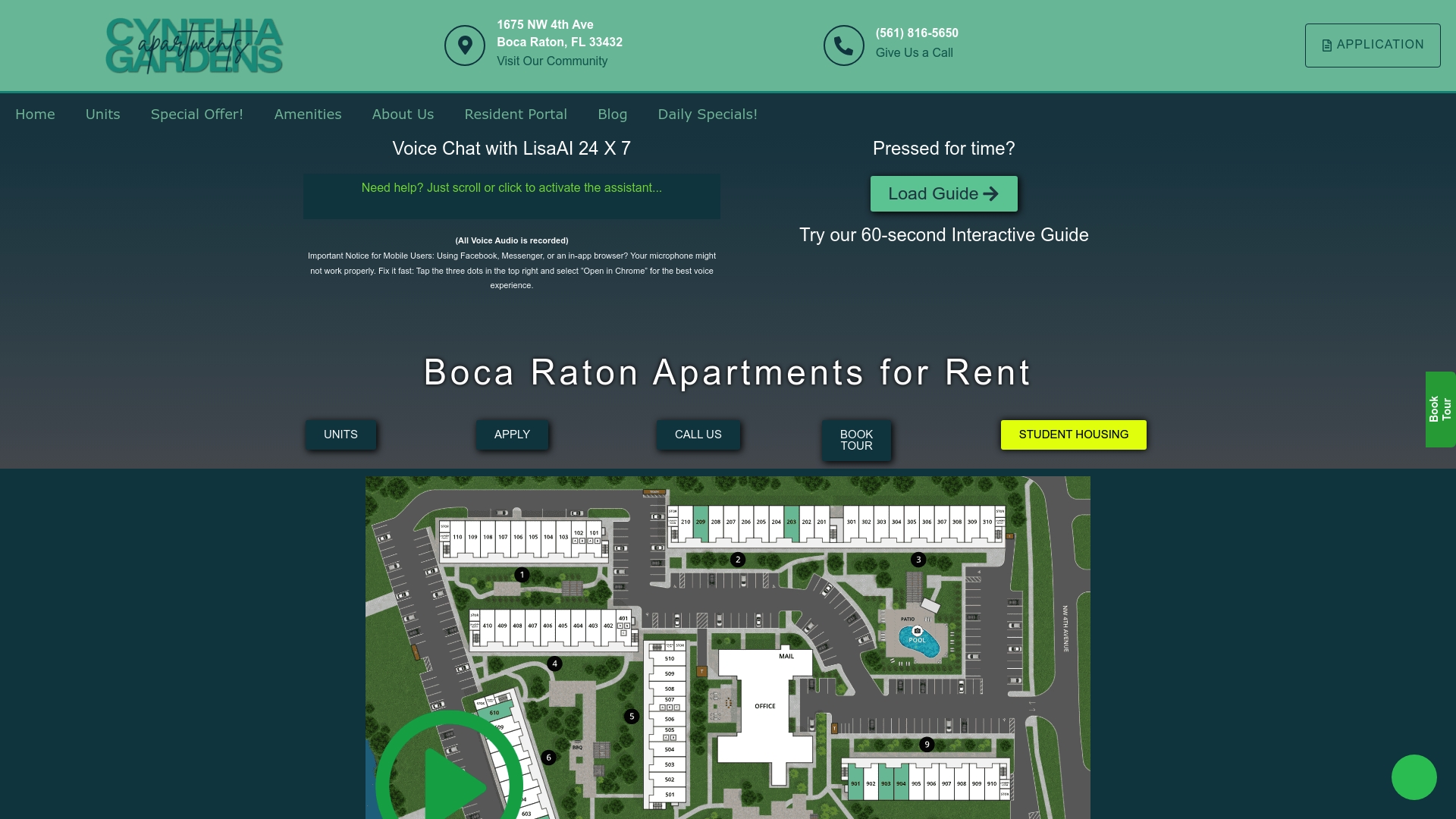
Pet owners can review available apartment styles and features to find units that fit their pet’s needs, from floor-level access to outdoor proximity. The leasing team at Cynthiagardens answers pet policy questions directly and provides written documentation at every step. For a full picture of how Cynthiagardens handles transparent lease agreements, the community’s leasing resources are available online or through the AI chat assistant on the website.
FAQ
What is a pet addendum in a lease?
A pet addendum is a written document attached to your lease that specifies your pet’s name, breed, age, weight, and all associated fees. It is the legally binding record of your landlord’s approval and your strongest protection in any dispute.
Can a landlord change the pet policy during my lease?
A landlord generally cannot change pet policy terms that are written into your signed lease mid-term. However, lease silence on pets gives landlords broad discretion, which is why written approval in the addendum is critical.
Are pet deposits refundable?
Pet deposits are typically refundable if no pet-related damage occurs, but this varies by state law and lease terms. Always ask in writing which charges are refundable and what deductions are permitted before you sign.
Do service animals require a pet deposit?
No. Service and emotional support animals are exempt from pet fees and breed restrictions under federal law. You will need to provide documentation from a licensed healthcare provider to qualify for this exemption.
What happens to my pet approval if the property is sold?
New ownership can introduce new pet policies, but your existing signed lease and pet addendum remain binding for the current lease term. Confirm renewal protections in writing before your lease expires to avoid gaps in coverage.