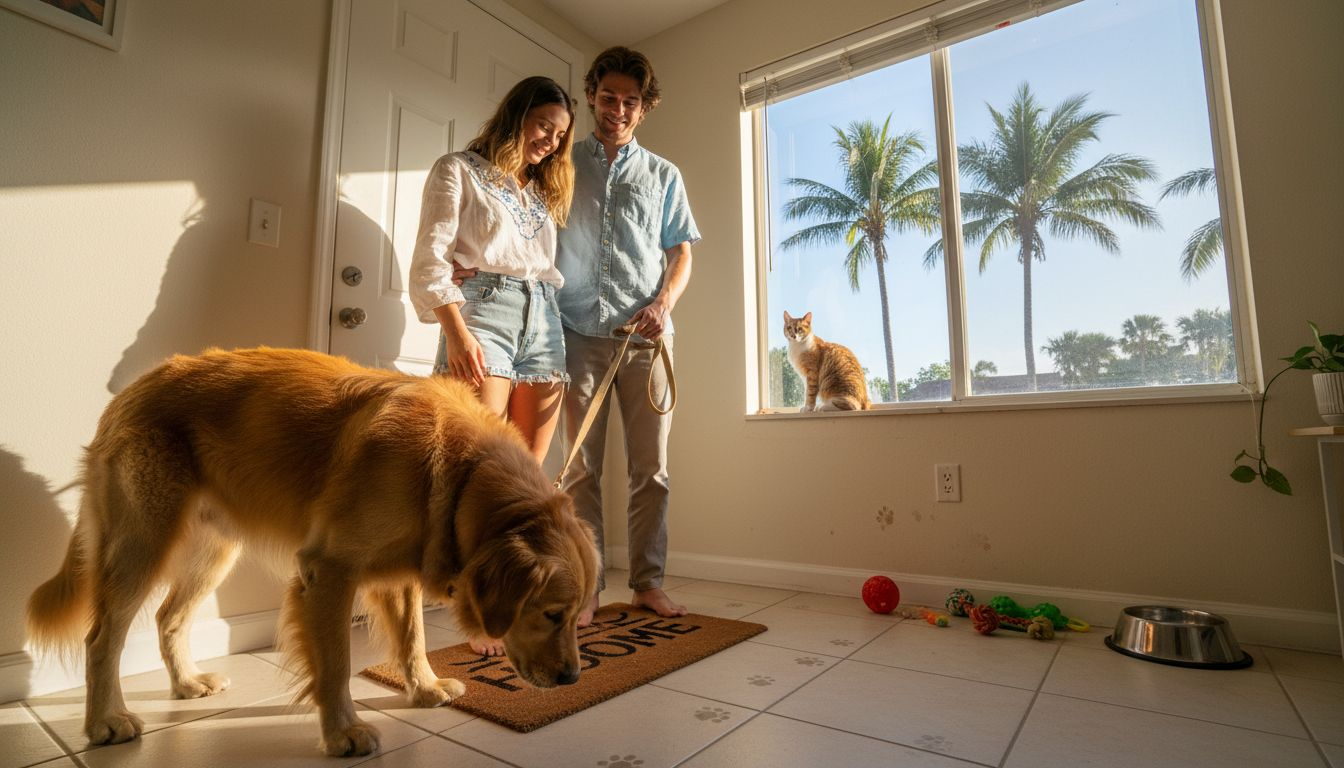
Finding the perfect apartment with your pet in Boca Raton can feel overwhelming. Every building has its own set of rules, fees, and restrictions that make it tough to know where your furry friend will truly be welcome. Without the right information, you could face surprise breed restrictions, costly deposits, or even discover your pet is not allowed after you move in.
This guide removes uncertainty by giving you practical, up-to-date insights into what matters most when renting with pets. You’ll learn about pet deposits, the truth behind breed restrictions, and what amenities can actually make life easier for you and your animal companion.
Get ready to discover the key details that will help you avoid costly mistakes, understand your rights, and find an apartment where both you and your pet can feel at home.
Table of Contents
- 1. Know Pet Size And Breed Restrictions
- 2. Understand Pet Deposit And Monthly Fees
- 3. Review Allowed Pet Amenities And Spaces
- 4. Check Lease Terms For Pet Rules
- 5. Explore Tech-Enabled Pet Support Features
- 6. Ask About Transparent Policy Updates
Quick Summary
| Takeaway | Explanation |
|---|---|
| 1. Know Pet Size and Breed Limits | Understand pet restrictions to avoid lease issues later. Knowing weight caps and restricted breeds is crucial before signing. |
| 2. Clarify Pet Deposit and Fees | Differentiate between refundable deposits and non-refundable fees. Knowing costs helps prevent unexpected financial burden during your lease. |
| 3. Review Pet Amenities | Check available pet spaces and amenities offered. This affects your pet’s quality of life and your own satisfaction in the apartment. |
| 4. Examine Lease Terms for Pet Rules | Carefully read pet clauses in your lease. Clear understanding of consequences and rules prevents future conflicts with management. |
| 5. Ask About Policy Updates | Inquire on how policy changes are communicated. Staying informed about pet policy updates helps avoid surprise violations. |
1. Know Pet Size and Breed Restrictions
Most Boca Raton apartments establish pet policies around size and breed limits rather than whether you own a pet at all. Understanding these restrictions before signing a lease saves you from difficult choices later.
Apartment communities typically cap pet weight at 25, 50, or 75 pounds. Some allow multiple pets under the combined weight limit. Knowing your pet’s exact weight matters because being just a few pounds over can breach your lease terms.
Breed restrictions exist because landlords worry about liability and property damage. However, research shows that breed identification proves unreliable, meaning visual guessing doesn’t accurately determine which dogs belong to restricted categories. Size and individual behavior matter far more than breed labels.
Many apartments focus on individual animal behavior and size rather than strict breed bans, making your pet’s temperament just as important as its genetic background.
Common breed restrictions you might encounter:
- Pit Bulls and pit bull mixes
- German Shepherds
- Rottweilers
- Chows
- Akitas
- Husky and Malamute breeds
Some buildings restrict only the largest dogs or those with aggressive histories. Others have zero tolerance for specific breeds regardless of individual temperament. Ask your leasing agent for the complete restricted list before applying.
Don’t assume your dog fits restrictions just because it looks small. A Chihuahua mix might technically be a pit bull according to DNA tests. Request your pet policy in writing and ask how they verify breed status if you own a mixed breed.
When exploring apartment-friendly dog options, check whether the breed appears on your target building’s restricted list. Some pets work great in apartments but face policy barriers anyway.
Pro tip: Get your mixed-breed dog’s DNA test before apartment hunting—this official documentation proves breed composition if landlords question your pet’s classification.
2. Understand Pet Deposit and Monthly Fees
Pet ownership costs more than just food and vet bills. Apartments charge separate pet deposits and monthly pet fees to cover potential damage and ongoing pet management. Knowing the difference saves you money and prevents lease surprises.
A pet deposit is a one-time upfront charge you pay when signing your lease. This money sits in reserve to cover any pet-related damage beyond normal wear and tear. Pet deposits must be refundable unless your lease specifically states otherwise, meaning you should get money back if your pet causes no damage.
Monthly pet fees work differently. These recurring charges appear on your rent bill every month for the life of your lease. Unlike deposits, monthly fees are non-refundable income for the landlord, not held as insurance against damage.
The biggest difference between pet deposits and monthly pet fees is that deposits come back (minus damages), but monthly fees do not.
Typical pet costs in Boca Raton:
- Pet deposits range from $200 to $750 per pet
- Monthly pet fees run $25 to $75 per pet
- Some buildings charge both deposits and monthly fees
- A few buildings waive deposits but charge higher monthly fees
These costs add up quickly. A $50 monthly pet fee equals $600 per year on your rent. A building charging $400 deposit plus $40 monthly fee costs more than a building with $600 deposit and no monthly fee.
Calculate your total pet cost before applying. Ask leasing agents for the exact deposit amount, monthly fee amount, and how many pets qualify under those charges. Some buildings offer discounts for second or third pets.
When evaluating affordable housing for pet owners, factor these recurring costs into your budget alongside your base rent payment.
Pro tip: Request the pet deposit be clearly labeled in your lease as refundable, and document your apartment’s condition with photos at move-in to prove your pet caused no damage when it’s time to recover your deposit.
3. Review Allowed Pet Amenities and Spaces
Not all pet-friendly apartments offer the same amenities. Some buildings provide dedicated pet spaces, while others simply allow pets without extra features. Understanding what your apartment complex offers makes a real difference in your pet’s quality of life.
Pet amenities vary widely across Boca Raton communities. Some apartments include dog parks, pet wash stations, or designated relief areas. Others offer nothing beyond allowing your pet in the unit. Ask leasing agents to show you exactly where your pet can spend time.
Common areas matter for pet owners. Check whether pets can access courtyards, patios, or community spaces. Some buildings restrict pets to your unit only, meaning your dog never leaves the apartment except for walks. Others allow pets in common lounges or outdoor seating areas during certain hours.
Properties that offer pet-friendly amenities and spaces create safer environments where pets follow clear community guidelines.
Ask about these specific spaces when touring apartments:
- Designated dog park or off-leash relief areas
- Pet wash stations or grooming facilities
- Pet-friendly outdoor patios or seating areas
- Indoor play areas for inclement weather
- Walking paths or designated pet routes
- Pet waste disposal stations
Some buildings offer pet amenities exclusively to one-bedroom apartments while studio tenants get none. Others charge extra for premium pet spaces. Know whether amenities come included or if they cost additional monthly fees.
Visit the property during peak hours to see pets actually using these spaces. An empty dog park at 3 PM might be packed at 6 PM when neighbors return home. Watch how well-maintained the spaces appear and whether staff actively manage them.
When evaluating pet-friendly apartment options in Boca Raton, compare amenities across multiple buildings. A building with basic pet policies but excellent dog parks might suit your needs better than one with few restrictions but no outdoor space.
Pro tip: Request a copy of the pet amenities map or list in writing, then ask staff to walk you through each space so you understand exactly where your pet can and cannot go.
4. Check Lease Terms for Pet Rules
Your lease agreement is a legally binding document that sets all pet rules for your tenancy. Many renters sign without carefully reading pet clauses, then discover restrictions they didn’t expect. Spending 30 minutes reviewing pet terms saves months of conflict later.
Leases typically include a dedicated pet section that outlines everything from breed restrictions to behavior expectations. This section specifies what happens if your pet violates lease terms and what financial consequences you face. Some leases even detail how many times your pet can bark before triggering complaints.
Lease agreements specify pet deposits, fees, and behavioral expectations that protect both landlords and tenants. Read every sentence in your pet clause before signing. A single overlooked word can change your entire living situation.
Your lease defines exactly what pet behaviors are acceptable and what financial or legal consequences result from violations.
These pet-related lease terms require your attention:
- Specific breed or size restrictions beyond what you discussed
- Pet deposit amounts and whether deposits are refundable
- Monthly pet fees and whether they increase over time
- Rules about pet behavior, noise levels, and aggression
- Restrictions on leaving pets unattended for extended periods
- Requirements for pet liability insurance or additional documentation
- Consequences for policy violations, including eviction clauses
Ask your leasing agent to highlight every mention of pets in your lease before you sign. Request clarification on vague language like “reasonable pet behavior” or “normal noise levels.” What seems reasonable to you might differ from your landlord’s definition.
Pay special attention to pet behavior clauses. Some leases allow landlords to ban pets if neighbors complain a certain number of times, even if complaints seem unfounded. Others specify exact decibel levels for acceptable dog barking. Know these standards before signing.
When reviewing your apartment pet policy, ask for a written summary of all pet rules separate from the full lease. This summary becomes your quick reference guide for what is and is not allowed.
Pro tip: Take a photo of all pet-related pages in your signed lease and keep a digital copy in your phone for easy reference if disputes arise.
5. Explore Tech-Enabled Pet Support Features
Modern apartment communities increasingly use technology to support pet owners and make policies easier to manage. These digital tools streamline everything from lease signing to pet emergency support. Understanding what tech features are available helps you choose a community that works with your lifestyle.
Tech-enabled features include AI chat support that answers pet policy questions instantly, 24/7. Voice assistance helps you navigate pet amenities and behavioral guidelines without calling the leasing office. Virtual tours let you see pet-friendly spaces before applying. Interactive property maps show exactly where dogs can exercise and where pets are restricted.
Some communities offer digital pet verification systems that securely store your pet’s medical records, certifications, and identification documentation. This eliminates paper hassles during lease signing and renewal. You upload documents once and the system keeps them accessible throughout your tenancy.
Technology that connects pet owners with support resources, emergency assistance, and community information helps you be a better neighbor and pet guardian.
Look for these tech features when choosing an apartment:
- AI chat support available 24/7 for pet policy questions
- Voice assistance for navigating pet amenities and rules
- Virtual tours highlighting pet-friendly spaces
- Digital pet documentation storage for medical records
- Mobile app for reporting pet-related maintenance issues
- Online pet policy summaries accessible anytime
- Alerts and notifications about pet-related community announcements
Some buildings connect residents to pet support resources like behavioral training and veterinary funding through their tenant portals. This helps you manage pet challenges without breaching your lease. Emergency pet support hotlines linked through your apartment app provide guidance during crises.
Technology also powers transparent lease management. Digital lease signatures mean you can review and sign documents remotely. E-signatures reduce processing time from days to hours. You receive instant confirmation and digital copies stored in your account.
When searching for pet-friendly apartments in Boca Raton, ask what technology the community uses. Communities invested in digital pet support typically invest in overall resident satisfaction.
Pro tip: Ask whether the apartment offers a mobile app and request a demo before signing your lease so you understand how to use it for pet-related questions and emergencies.
6. Ask About Transparent Policy Updates
Pet policies change. New management implements stricter rules. City ordinances shift. Without transparent communication about policy updates, you might wake up to restrictions that weren’t there when you signed your lease. Asking how your apartment communicates changes protects you from surprise rule violations.
Landlords are legally required to notify tenants about policy changes in most jurisdictions. The notification method matters though. Some buildings email updates that get buried in your inbox. Others post notices on community boards you never see. Smart renters ask specifically how the community delivers policy updates and verify they’ll receive them.
Pet policy changes often affect multiple aspects of your living situation. A new breed restriction might require your current dog to leave. Updated noise policies could make your pet’s normal behavior a lease violation. Fee increases mean your monthly pet costs jump without warning.
Transparent policy communication between landlords and tenants builds trust and ensures everyone understands community expectations.
When choosing an apartment, ask these specific questions:
- How does management notify residents about policy changes?
- Are changes sent via email, text, app notifications, or physical mail?
- How much advance notice do residents get before new rules take effect?
- Can residents request clarification on policy changes?
- Does the community have a policy change log available online?
- Are pet-specific policy updates communicated separately from general announcements?
Request to see how the community communicates with current residents. Ask to view examples of recent policy updates and notice formats. A professional apartment community maintains accessible, clearly written policy documentation that residents can reference anytime.
Some communities create dedicated pet policy pages on their websites or tenant portals. These pages display the current policy and show version history with update dates. This transparency helps residents stay compliant and plan for changes affecting their pets.
During lease signing, ask management to commit to advance notice of any pet policy changes. Request that updates be provided in writing through multiple channels. Most professional communities gladly agree because transparent communication reduces disputes.
Pro tip: Create a reminder to review the pet policy section of your lease quarterly and ask your leasing office if any updates have occurred since you signed.
Below is a comprehensive table summarizing the main considerations and advice for renting pet-friendly apartments as discussed in the article.
| Topic | Details | Recommendations |
|---|---|---|
| Pet Size and Breed Restrictions | Apartments often limit pet size and banned breeds. | Understand the restrictions and verify pet compatibility. |
| Deposits and Monthly Fees | Separate pet deposits and recurring fees are commonly charged. | Verify amounts, their conditions, and refundable policies. |
| Available Pet Amenities | Availability of amenities varies across apartment complexes. | Compare amenities when selecting apartments. |
| Lease Terms for Pets | Lease usually specifies all pet-related regulations. | Examine these clauses before signing an agreement. |
| Technology for Pet Support | Some communities offer tech-based pet management tools. | Check the offerings for convenience in document and rule management. |
| Policy Updates | Transparent communication of policy changes is essential. | Ensure clarity on notification mechanisms and update intervals. |
Discover a Pet-Friendly Apartment Experience Designed for You and Your Companion
Finding an apartment that truly understands the challenges of pet ownership is easier when you know what to look for. This article highlights common pain points like breed and size restrictions, refundable pet deposits versus monthly fees, and the importance of clear lease terms and pet amenities. You want a community that offers transparency, flexible policies, and tech-enabled support to avoid surprises and ensure your pet feels at home too.
At Cynthia Gardens, we specialize in delivering exactly that experience. Our Boca Raton apartments combine affordable pricing with innovative features such as AI chat support, virtual tours of pet-friendly spaces, and interactive property maps so you can confidently select the perfect home for you and your furry friend. We emphasize clear, upfront pet policies including refundable deposits and comprehensive pet amenities designed to keep tails wagging.
Take the next step toward stress-free pet apartment living by visiting our website to explore available apartments. Learn more about our pet-friendly apartment guide and see how technology enhances your leasing journey making complex pet policies straightforward and manageable.
Ready to find your new home today and give your pet the space they deserve
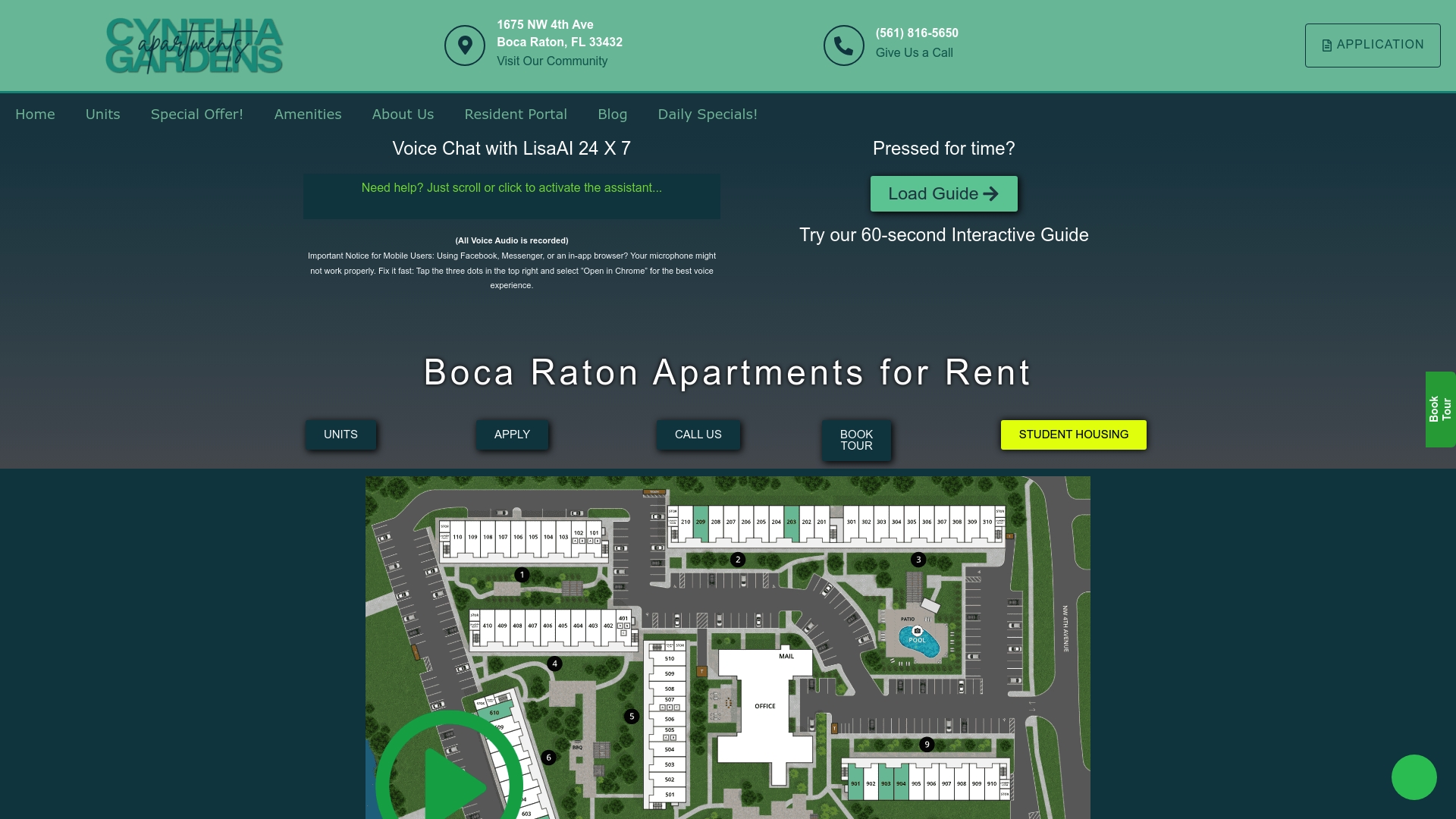
Visit Cynthia Gardens now and schedule a tour to experience pet-friendly apartment living with transparent policies and modern convenience.
Frequently Asked Questions
What are common pet size and breed restrictions in Boca Raton apartments?
Most Boca Raton apartments set weight limits typically ranging from 25 to 75 pounds and may restrict certain breeds. To ensure your pet qualifies, confirm their weight and check the specific breed list with your leasing agent before applying.
How do pet deposits and monthly fees work in Boca Raton?
Pet deposits are one-time charges that cover potential damage and are refundable if no damage occurs, while monthly pet fees are ongoing costs that are non-refundable. Ask your leasing agent for the specific amounts to budget effectively for pet ownership costs.
What amenities should I look for in a pet-friendly apartment?
Look for features like dog parks, pet washing stations, and walking paths when searching for a pet-friendly apartment. Assess which amenities are included or if there are additional fees to ensure they align with your pet’s needs and lifestyle.
What should I review in the lease regarding pet rules?
Carefully read the lease’s pet section, which outlines restrictions like breed and size limits, deposit amounts, and behavioral expectations. Clarify any vague terms with your leasing agent to avoid misunderstandings about pet policies after you move in.
How can technology assist me as a pet owner in my apartment?
Many modern apartment communities utilize technology to support pet owners through features like digital pet documentation and 24/7 chat support for questions. Inquire about these tech features to enhance your renting experience and stay informed about pet policies.
How will I be notified about changes to pet policies?
Ask the leasing office how they communicate updates to pet policies, such as through email or community boards. Request written confirmation of advance notice for any changes to avoid unexpected restrictions affecting your pet.
Recommended
- What Is a Pet-Friendly Apartment in Boca Raton?
- Premier Apartment Complex in Boca with Pet-Friendly Living – Luxury Apartments for Rent in Boca Raton | Premium Boca Raton Apartments | Aapartments Boca Raton
- Blog – Luxury Apartments for Rent in Boca Raton | Premium Boca Raton Apartments | Aapartments Boca Raton
- Pet Friendly Apartment Guide for Boca Raton Renters