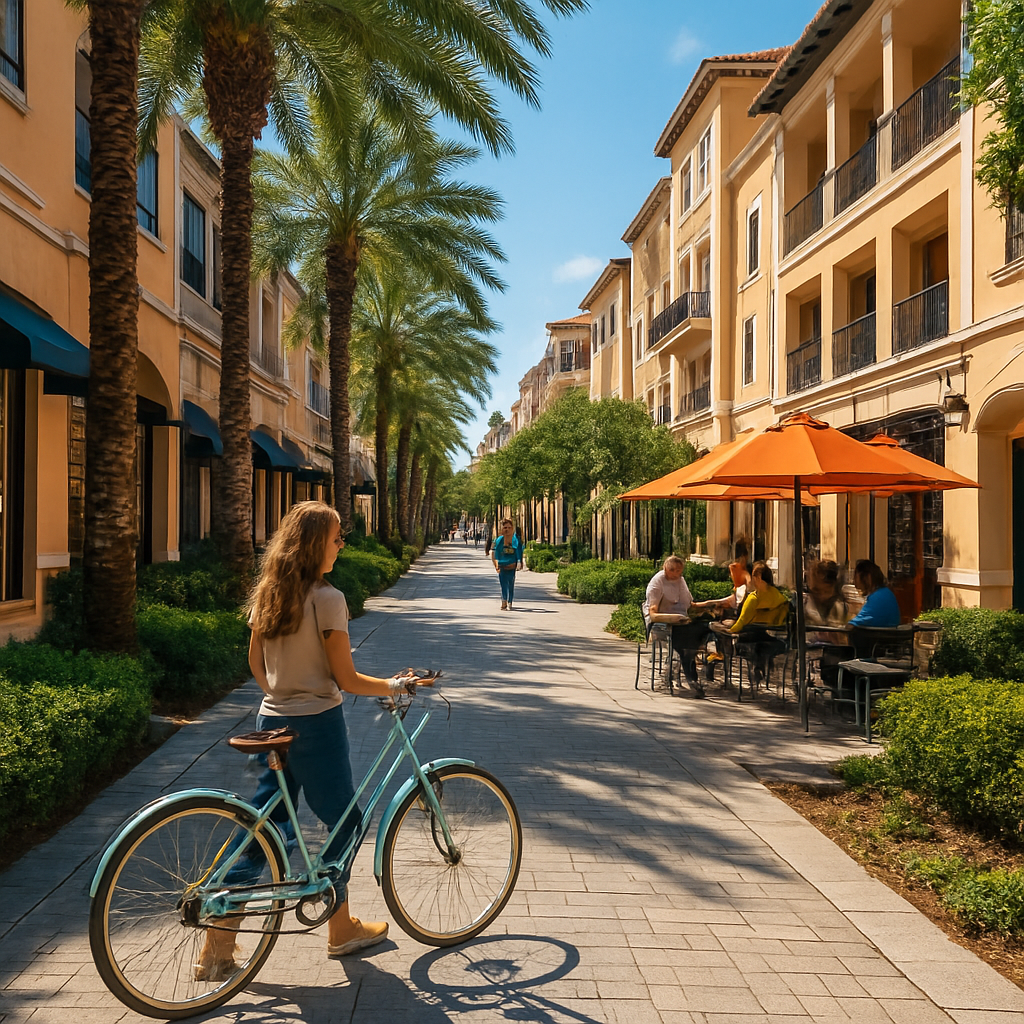
Cynthia Gardens is a residential apartment community in Boca Raton, Florida, offering quiet, garden-style living near Florida Atlantic University, Mizner Park, and Boca Raton’s beaches at 1675 NW 4th Ave, Boca Raton, FL 33432.
Walkable Neighborhoods in Boca Raton: Top Apartments for a Car‑Light Lifestyle
Looking for walkable neighborhoods Boca Raton apartments that actually let you run errands, grab coffee, and catch transit without relying on a car? This concise guide maps the citys most walkable pockets, compares rent bands and transit options, and highlights apartment features that cut car trips—plus a practical look at Cynthia Gardens as one real-world option.
Downtown Boca Raton and Mizner Park
Key point: Downtown Boca Raton and Mizner Park are the citys densest, most walkable core — restaurants, grocery options, the Boca Raton Museum of Art, and the Mizner Park Amphitheatre are clustered inside a few pedestrian blocks, which is why this area registers the highest walkability scores in Boca Raton. See general walkability metrics on Walk Score and neighborhood detail at Visit Boca Raton.
Mobility, transit, and the walking experience
Practical insight: Palm Tran serves downtown nodes and can cover the occasional longer commute, but most daily trips are genuinely walkable — coffee, a quick grocery run, or happy hour. Check routes and schedules on Palm Tran before you sign; service frequency after 9 pm is limited, so plan for rideshare or bike for late nights.
- Apartment search focus: look for luxury mid-rise rentals, condo-for-rent listings, and mixed-use lofts that put you inside the walkable grid rather than on the peripheral arterials.
- High-value features: secure bike parking, on-site package management, and nearby grocery/pharmacy reduce car trips more than a free parking spot ever will.
- Rent reality check: expect one-bedroom rents in the downtown/Mizner Park pocket to be in the premium band for Boca Raton. Typical market estimates range roughly $1,800 to $3,000 depending on building and amenities.
Tradeoff to weigh: Walkability here buys convenience and culture at a price. You get shorter errands and more nightlife, but also smaller unit footprints, higher rent per square foot, stricter pet policies in some buildings, and spotty guest parking during events.
Concrete example: A young professional renting a one-bedroom mid-rise near Mizner Park can walk to a weekday lunch, hit the market for groceries on the way home, and walk to evening concerts without starting a car. For weekday commutes outside Boca Raton they combine a nearby Palm Tran stop with a short rideshare for first/last mile — that tradeoff keeps a car optional rather than essential.
Judgment you need: Walk Score and tourist photos sell the idea of an always-walkable downtown, but the live experience depends on the exact block. Prioritize sidewalk quality, crosswalks, and evening lighting when you visit — pick a unit one or two blocks inside the grid, not on Federal Highway, and you will actually use your feet.
East Boca Raton near Florida Atlantic University
East Boca near FAU is where walkability gets practical for students, not picturesque. You get genuine walking access to classes, cafes, cheap eats, and a handful of grocery options—but the quality of that walk varies block to block. Check the neighborhood on Walk Score and compare routes on the FAU campus map at FAU before you sign anything.
Transit and pedestrian realities
Transit fact: Palm Tran runs frequent routes along Federal Highway and nearby corridors, and FAU operates shuttle services for students; see schedules at Palm Tran and FAU commuter pages. Reality check: those services handle daytime classes well but can be sparse for late‑night labs or irregular schedules.
- Walk-route priority: pick a unit with a direct, signalized crossing to campus or retail. Avoid places that force you to cross Federal Highway without a marked crosswalk.
- Amenity checklist: included utilities, on‑site laundry, secure bike parking, and nearby grocery or dollar store reduce daily car trips.
- Unit type: furnished or flexible short‑term leases are common and practical for students who stay by semester.
Concrete Example: A student renting a one‑bedroom near the east side of Federal Highway can realistically commute to FAU by bike in 8–12 minutes or on foot in about 20 minutes depending on crossings and sidewalks; verify the exact route on Google Maps and the FAU shuttle map before committing. For a hands‑on comparison, review student options at Cynthia Gardens' student apartments page Cynthia Gardens student apartments.
Tradeoff and judgment: Proximity to FAU lowers commute stress but raises two predictable tradeoffs: higher turnover and louder evenings near student hubs, and uneven pedestrian infrastructure on feeder streets. In practice, choose a slightly longer but safer route over a shorter, unsafe shortcut.
Practical test before you sign: walk the commute at the time you would normally travel—morning and after dark—check lighting, crosswalk timing, and whether nearby shops you plan to use are actually open when you need them.
Next check: if you prioritize quiet study time, narrow options to complexes set back from main corridors and confirm communal study spaces or quiet‑hours rules; if quick social life matters, focus on blocks within easy walking distance of the campus cafés and pizza shops.
Central Boca Raton near shopping corridors (Cynthia Gardens example)
Direct point: Central Boca is where daily errands actually become walkable, not just Instagram-friendly blocks. The area around Palmetto Park Road and feeder shopping corridors stitches together groceries, pharmacies, casual restaurants, and services in short, repeatable loops that matter for a car-light week.
Why this pocket matters for car-light renters
Practical value: In practice, living in a central-shopping corridor neighborhood turns four common weekly trips into walks or short bike rides: a grocery run, coffee, a quick dinner, and a pharmacy visit. That reduces not just driving time but the need for paid parking or an extra grocery stop on a commute.
What Cynthia Gardens offers: Cynthia Gardens illustrates the fit: pet-friendly one-bedroom floorplans, several utility-included options, on-site amenities like a pool and laundry, and bike-friendly storage that make short errands realistic. See apartment details on the property pages: apartment styles and student apartments.
Specific features to prioritize in central Boca rentals
- Included utilities: lowers the friction of short-term stays and reduces trips for bill management.
- Secure bike parking and a short-bike radius: many errands become a 5–12 minute ride — check for bike racks or secure rooms.
- On-site laundry and package storage: eliminates two common car trips per week.
- Proximity to a cluster of services: one grocery, one pharmacy, and at least two quick-service restaurants within a 10–15 minute walk or bike.
Transit and route reality check: Palm Tran has routes that cross central corridors, but frequency is modest; do not assume a bus replaces last-mile errands. Use Walk Score and a quick Google Maps route check from the unit to the grocery and pharmacy before signing.
Tradeoff to accept: Central convenience often comes with mixed building stock — some blocks are very walkable, others still optimized for cars. That means two apartments on the same street can have very different real-world access to shops and safe sidewalks.
Concrete use case: A young professional working in town who chooses a Cynthia Gardens one-bedroom with included utilities can replace 3–4 weekly car trips by walking to a nearby grocery, using secure bike storage to commute to a gym, and ordering smaller online deliveries held in on-site package rooms. That reduces fuel and parking costs and makes a single car sufficient rather than necessary.
Spanish River Village and Beachside Areas
Spanish River Village delivers beach-and-park walkability, not grocery-and-nightlife walkability. If your priority is morning runs on the sand, quick bike rides to Spanish River Park, and easy access to coastal trails, this is one of the best pockets in Boca Raton. Expect fewer full-service retail blocks within a five-minute walk than you would downtown.
Practical consideration: rents here run higher per square foot because you are paying for location and lifestyle—easy beach access and quieter streets—so you trade convenience for daily errands. That tradeoff matters: many units are smaller condos or garden-style buildings, not large rental complexes with on-site supermarkets or 24/7 conveniences.
Where Spanish River Village works — and where it does not
Good fit: renters who prioritize outdoor activity, dog owners who want close access to parkland, and people who regularly bike to destinations. Not a great fit: renters who need late-night restaurants, frequent grocery runs on foot, or frequent high-frequency transit connections.
- Prioritize storage and durability: seek units with dedicated bike storage, roomy closets for beach gear, and flooring that tolerates sand and salt.
- Check transit and last-mile options: Palm Tran service in beachside pockets is limited; verify routes on Palm Tran and plan for occasional rideshares.
- Confirm grocery access: if you want walkable grocery runs, map the nearest supermarket before signing—many beachside listings require a 10–20 minute bike ride rather than a 5 minute walk.
Concrete example: A young professional working remotely can live car light here by biking 5–10 minutes to Spanish River Park for daily exercise and walking to a local beachfront cafe for coffee. For weekly groceries they will likely bike or take a short rideshare to a full supermarket, or arrange delivery. That pattern fits people who accept one weekly longer errand in exchange for daily outdoor access.
Common misread: people assume beachside equals full-service walkability. In practice, Spanish River Village scores high for recreational walkability but lower for errands and evening dining; use Walk Score and street-level checks before committing.
If beach access is your top lifestyle driver, Spanish River Village is worth the premium. If you need everyday shops within a 5‑minute walk, look elsewhere.
Royal Palm Way and Palmetto Park Road Corridor
Neighborhood snapshot: The Royal Palm Way–Palmetto Park corridor is where short, purposeful walking trips work best — coffee, a deli, a boutique, and an after-work dinner are all realistic without a car. This strip gives you a true neighborhood feel: low to mid-rise buildings, palm-lined sidewalks, and clusters of independent retailers rather than large malls.
What walkability actually looks like here: Sidewalks and crosswalks are generally good near the core retail blocks, but they thin out quickly as you move a block or two north or south. That matters because many rental listings advertise walkable proximity to shops while the actual daily route includes crossings or short stretches that feel unsafe at night.
Apartment search focus and practical checks
- Prioritize secure bike storage: The corridor is compact enough for frequent short rides—secure bike parking reduces dependence on a car for beaches and grocery runs.
- Look for buildings that accept grocery/parcel delivery: Smaller landlords sometimes lack package rooms; if you rely on online groceries, confirm delivery policies.
- Confirm parking policy before signing: Many garden-style properties assign one space, but guest parking and street rules vary and that affects occasional car use.
- Test evening walks: Check lighting and crosswalks on the route you would use after dark — this is where advertised walkability often breaks down.
Transit and connections: There are Palm Tran stops on Palmetto Park Road; use the Palm Tran map to verify routes for your commute. For short regional hops — downtown, FAU, or larger grocery stores — the corridor is adequate, but it lacks the high-frequency transit that would let you ditch a car entirely.
Tradeoff that matters: You get a walkable everyday pattern — lunch, errands, neighborhood restaurants — but not strong options for big monthly shopping or spontaneous long trips. If you rent here expecting to be fully car-free, plan for at least occasional rideshare or a weekly car rental.
Concrete example: A young professional renting a one-bedroom on Palmetto Park can walk to a corner grocery, two coffee shops, and a handful of restaurants, then hop a Palm Tran bus for a 10–20 minute ride to downtown or FAU. For weekend beach runs they keep a folding bike and rely on occasional ride shares for bulk shopping.
If your daily life fits inside short errands and one regional commute per day, this corridor is efficient; if you need frequent long trips or large groceries, factor in a car alternative.
Next check: Run a route-specific Walk Score via Walk Score and open Google Maps street view for the exact block you are considering; neighborhood charm doesn't replace concrete checks on sidewalk continuity, lighting, and transit stop proximity.
Boca Raton Town Center and Federal Highway Corridor
Concrete point: The Federal Highway spine is useful for a car light lifestyle when you live near one of the retail nodes around Boca Raton Town Center, but large stretches behave like a typical commercial highway and will not replace a car for every errand.
Why it works: This corridor concentrates supermarkets, pharmacies, gyms, fast casual restaurants, and offices into repeatable nodes. If your unit sits within a 5 to 15 minute walk of a node you get reliable short trips on foot and can lean on Palm Tran for longer commutes. See Palm Tran route info at Palm Tran and quick walkability checks via Walk Score.
Where walkability actually helps you
Node reality: Walkability is not uniform along Federal Highway. The best pockets are clustered near shopping centers, where sidewalks, crosswalks, and bus stops are present. Between nodes you will find long blocks, limited shade, and few places to stop. Treat the corridor as a string of small walkable pockets rather than a continuous pedestrian neighborhood.
- What to check on a tour: Confirm sidewalk continuity and curb ramps for your specific route to grocery and transit; test the crosswalk timing at the main intersection; note the presence of bus shelters and lighting.
- Apartment features that matter here: on site gym, secure package lockers, covered bike parking, and laundry that actually reduces weekly car runs.
- Rent tradeoff: Units within walking nodes are often cheaper than downtown but may still carry a premium compared with more car dependent pockets.
Practical limitation: Bus frequency matters. Some Palm Tran routes that run on Federal Highway are fine during daytime but thin out evenings and Sundays. If your schedule includes late classes or night shifts, confirm evening service or plan for occasional rideshares.
Concrete example: A young professional working nearby who finds a second floor one bedroom within a 10 minute walk of the Town Center retail node can walk to grocery runs, hit a midday gym, and use Palm Tran for regional commutes. That setup will cut routine car trips to a few weekends a month rather than daily use, provided evening transit aligns with work hours.
Judgment: If you prioritize efficient errands and access to retail and jobs over scenic streetscape or nightlife, this corridor is a pragmatic choice. Do not assume continuous walkability; pick the exact block and verify crosswalks, lighting, and bus timetables before signing.
High value move: prioritize units that pair proximity to a retail node with on site amenities that replace short drives, like gyms and package lockers.