Table of Contents
- Best Indoor Plants for Apartments in Boca Raton: Quick Comparison
- Low-Light Plants for Apartments That Thrive Indoors
- Indoor Plants for Humid Climates: South Florida Favorites
- Pet-Friendly Houseplants Safe for Cats and Dogs
- Indoor Plant Care in South Florida: Essential Tips
- Sunny-Spot Plants for Bright Apartments
- Where to Buy Indoor Plants in Boca Raton
- Frequently Asked Questions
Last Updated: October 10, 2026
Best Indoor Plants for Apartments in Boca Raton: Quick Comparison
Finding the right indoor plants for apartments in Boca Raton comes down to understanding your space, light conditions, and lifestyle. Apartment living in South Florida presents unique challenges: humidity, limited natural light in some units, and the need for low-maintenance solutions that fit a busy professional schedule. The good news is that several plants thrive in these exact conditions, transforming your apartment into a calming, green sanctuary without demanding constant attention.
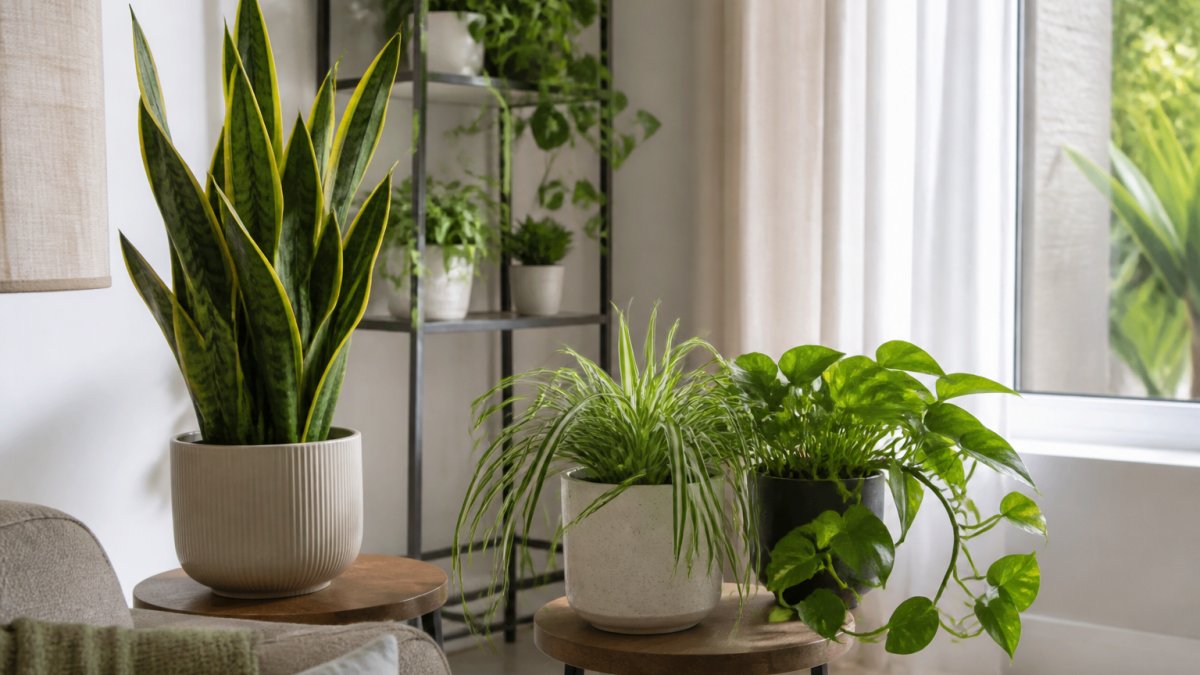
The indoor plants for apartments that work best locally handle humidity, variable light, and occasional neglect. Whether you’re a grad student at FAU, a young professional commuting to Miami, or simply someone seeking a peaceful home environment, these selections deliver both aesthetic appeal and practical resilience.
| Plant | Light Requirements | Water Frequency | Pet Safety | Best For |
|---|---|---|---|---|
| Snake Plant | Low to bright indirect | Every 2-3 weeks | Toxic to pets | Beginners, busy schedules |
| Golden Pothos | Low to bright indirect | Weekly | Toxic to pets | Hanging baskets, corners |
| Peace Lily | Low to medium indirect | Weekly | Toxic to pets | Humid apartments, air purification |
| ZZ Plant | Low to bright indirect | Every 2-3 weeks | Mildly toxic | Neglect-tolerant, modern spaces |
| Spider Plant | Medium to bright indirect | Weekly | Safe for pets | Pet owners, trailing displays |
| Jade Plant | Bright indirect to direct | Every 2-3 weeks | Safe for pets | Sunny windows, succulents |
Low-Light Plants for Apartments That Thrive Indoors
Not every apartment in Boca Raton gets abundant natural light. Corner units, north-facing windows, and interior spaces often struggle with dim conditions. The solution isn’t to abandon greenery, it’s to choose plants that actually prefer shade. Research from the National Library of Medicine’s studies on indoor plants shows that many houseplants adapt well to low-light environments while still improving air quality and reducing stress.
Snake Plant
The snake plant is the ultimate low-light champion for apartment dwellers. This plant tolerates neglect, thrives in indirect light, and can survive weeks without water. Its architectural, upright leaves add visual interest to any corner, and it requires minimal fussing, perfect for professionals with unpredictable schedules. The main drawback: it’s toxic to cats and dogs, so placement matters if you have pets.
Snake plants prefer to dry out between waterings. Overwatering is the number-one killer. Water only when the soil is completely dry to the touch, roughly every 2-3 weeks.
Golden Pothos
Golden pothos is the trailing plant that adapts to almost any condition. It grows equally well in low light or bright indirect light, making it ideal for apartments where light varies by season or time of day. Hang it from a shelf, let it cascade from a bookcase, or train it up a moss pole. It’s forgiving with watering and grows quickly, rewarding you with visible progress.
The downside: like snake plants, pothos is toxic to pets. If you have cats or dogs, this isn’t your choice.
Peace Lily
Peace lilies are elegant, shade-tolerant plants that flower indoors, a rarity among low-light options. They signal thirst by drooping slightly, making them excellent for learning plant care basics. Their broad, dark green leaves add sophistication to bedrooms or living rooms. In humid Boca Raton apartments, they thrive naturally.
Peace lilies are toxic to pets. They’re also prone to brown leaf tips if your tap water contains high chlorine levels, use filtered water when possible.
Cast Iron Plant
The cast iron plant earned its name honestly: it’s nearly indestructible. It tolerates low light, inconsistent watering, and temperature fluctuations that would stress other plants. Growth is slow, but reliability is guaranteed. It’s particularly useful for apartments with minimal natural light or for renters hesitant about plant care.
Indoor Plants for Humid Climates: South Florida Favorites
South Florida’s humidity is a feature, not a bug, when choosing plants. Many tropical species prefer moisture in the air. The challenge is selecting varieties that don’t become overwatered or develop fungal issues in stagnant conditions. Indoor plants for humid climates thrive when paired with proper air circulation, open windows occasionally or use a small fan to prevent mold. Maintaining this balance of airflow allows for the successful cultivation of variegated alocasia varieties that bring striking patterns and architectural interest to your living space.
ZZ Plant
The ZZ plant is South Florida’s secret weapon for apartment success. It handles humidity beautifully, tolerates low to medium light, and requires water only every 2-3 weeks. Its glossy, compound leaves stay vibrant without fussing. It’s also one of the most forgiving plants for travel, leave it alone for a month, and it’ll be fine.
ZZ plants are mildly toxic to pets but rarely cause serious issues since they’re not typically eaten. Still, keep them out of reach of curious cats or dogs.
Spider Plant
Spider plants are the workhorses of apartment living. They’re pet-safe, humidity-loving, and produce trailing runners with baby plantlets that you can propagate into new plants. They grow quickly, giving you visible results. Spider plants prefer bright indirect light but tolerate medium light, and they’re forgiving with watering schedules.
Neanthe Bella Palm
This compact palm thrives in humid apartments and adds tropical flair without taking up much space. It prefers indirect light and consistent moisture, ideal for Boca Raton’s climate. It grows slowly and stays relatively small, making it perfect for shelves or side tables. It’s also non-toxic to pets, a major advantage for households with animals.
Pet-Friendly Houseplants Safe for Cats and Dogs
Pet owners face real constraints when choosing houseplants. Many popular options are toxic to cats and dogs. If you have furry companions, these selections are genuinely safe while still delivering the benefits of indoor greenery.
Spider Plant
Spider plants are completely safe for cats and dogs and remain one of the most popular pet-friendly options. Interestingly, cats are often attracted to spider plants, so expect some nibbling, the plant tolerates it well. Keep it out of reach if you want to preserve its appearance, but there’s no health risk.
Boston Fern
Boston ferns are lush, non-toxic, and add a soft, feathery texture to apartments. They prefer humidity and consistent moisture, making them ideal for Boca Raton bathrooms or kitchens. They’re larger plants that make a visual statement. The trade-off: they demand more attention than snake plants or ZZ plants. They dislike dry air and irregular watering.
Indoor Plant Care in South Florida: Essential Tips
Caring for indoor plants for apartments in South Florida requires adjusting to local conditions. High humidity, intense summer heat, and salt-laden air from the coast all affect plant health. Understanding these specifics prevents common mistakes and keeps your plants thriving long-term.
Water less frequently than you think. South Florida’s humidity means plants don’t dry out as quickly as they would in drier climates. Check soil moisture before watering, stick your finger an inch into the soil. If it feels moist, wait. Most apartment plants prefer slightly dry conditions over constantly wet soil.
Ensure adequate drainage. Every pot must have drainage holes. Humidity plus standing water creates fungal problems. Use a saucer to catch excess water, but empty it after 30 minutes so roots don’t sit in moisture.
Provide air circulation. Open windows occasionally or use a small fan on low speed. Stagnant air encourages mold and pests. This is especially important in sealed apartments with central air conditioning.
Clean leaves occasionally. Dust accumulates on leaves and blocks light absorption. Wipe them gently with a soft, damp cloth every month or two. This also helps you spot pest problems early.
Watch for spider mites and mealybugs, which thrive in warm, dry indoor environments. If you notice sticky residue, webbing, or tiny white clusters on leaves, isolate the plant and treat it with neem oil spray or insecticidal soap.
Sunny-Spot Plants for Bright Apartments
If your Boca Raton apartment has south-facing windows or bright, indirect light most of the day, you have options beyond shade-tolerant varieties. These plants reward bright conditions with faster growth and, in some cases, flowering.
Jade Plant
Jade plants are succulents that thrive in bright, indirect to direct sunlight. They’re drought-tolerant, requiring water only every 2-3 weeks. Their thick, fleshy leaves store water, making them forgiving of neglect. Jade plants grow slowly but steadily, developing into attractive, sculptural specimens over time. They’re also pet-safe, a major advantage.
Jade plants occasionally produce clusters of pale pink or white flowers when they receive enough light. It’s rare indoors but possible in very bright apartments.
Bamboo Palm
Bamboo palms are tropical plants that appreciate bright, indirect light and Boca Raton’s humidity. They’re larger than some options, adding a statement-making presence to living rooms or entryways. They’re also non-toxic to pets. Growth is moderate, and they don’t demand constant attention once established.
Where to Buy Indoor Plants in Boca Raton
Finding quality plants locally is easier than ordering online. Local nurseries understand South Florida conditions and often stock varieties proven to succeed here. Home Depot and Lowe’s maintain indoor plant sections with competitive pricing and return policies. Specialty plant shops near downtown Boca Raton and along Federal Highway offer curated selections and expert advice.
When purchasing, inspect plants closely. Check for healthy, vibrant leaves and pest-free stems. Avoid plants with yellowing foliage, wilting, or visible insects. Ask staff about the plant’s light and water requirements before buying, a quick conversation prevents costly mistakes.
For apartment dwellers at Cynthia Gardens, the lush, landscaped grounds provide inspiration for indoor selections. Our maintenance-free living philosophy extends to choosing plants that complement rather than complicate your lifestyle.
Transforming your apartment into a green, calming space doesn’t require a green thumb or constant maintenance. The best indoor plants for apartments in Boca Raton are those that match your light conditions, humidity tolerance, and lifestyle. Whether you’re a busy professional, a pet owner, or simply someone seeking a peaceful environment, these selections deliver both beauty and resilience. Start with one or two low-maintenance varieties, snake plants or ZZ plants are forgiving choices, and expand your collection as you gain confidence. At Cynthia Gardens, we believe a serene living environment includes natural elements that bring calm and connection to your home.
Frequently Asked Questions
What are the easiest indoor plants to care for in an apartment?
Snake plants, ZZ plants, and golden pothos rank among the lowest-maintenance options for apartment living. These plants tolerate irregular watering, adapt to various light conditions, and rarely require special attention. Snake plants and ZZ plants can go weeks without water, while pothos thrives in hanging baskets or on shelves with minimal care. All three are forgiving choices if you travel frequently or have a busy schedule.
Which indoor plants do well in humid climates like South Florida?
Spider plants, peace lilies, and neanthe bella palms thrive in warm, humid conditions typical of South Florida apartments. These plants actually benefit from the moisture in the air and don’t require the careful humidity control needed in drier climates. ZZ plants and cast iron plants also handle humidity well while remaining drought-tolerant, making them ideal for apartments where humidity fluctuates seasonally.
Are there pet-friendly indoor plants safe for cats and dogs?
Yes. Spider plants are completely safe for both cats and dogs and are among the most pet-friendly options available. Boston ferns are also non-toxic to pets, though they require more frequent watering. Avoid peace lilies, jade plants, and pothos if you have curious pets, as these can cause digestive upset. Always verify plant safety with your veterinarian if you’re unsure, especially if your pet has a history of chewing plants.
How often should I water indoor plants in South Florida?
Watering frequency depends on the plant species and your apartment’s conditions. In South Florida’s warm climate, most plants dry out faster than in cooler regions. Snake plants and ZZ plants need water only when soil is completely dry, roughly every 3-4 weeks. Spider plants and peace lilies prefer consistently moist (not wet) soil and may need watering weekly. Always check soil moisture before watering; overwatering is the most common cause of plant failure in apartments.
What’s the best way to add greenery to a small apartment without taking up floor space?
Hanging baskets and wall-mounted planters maximize greenery while preserving floor space in compact apartments. Golden pothos and spider plants work beautifully in hanging arrangements. Tall, narrow plants like bamboo palms fit snugly in corners, while shelving units can display multiple smaller plants vertically. Window sills are ideal for succulents and jade plants that need bright light. This approach transforms any apartment into a lush space without cluttering living areas.