Table of Contents
- Why Boca Raton Stands Out as a Top Residential Destination
- Downtown Boca and Mizner Park: Culture and Walkability
- East Boca Raton: Waterfront Living and Beach Access
- West Boca Communities: Families and New Construction
- Apartments for Rent in Boca Raton: Affordable Rental Options
- Cost of Living in Boca Raton FL: What to Expect
- Choosing Your Ideal Boca Raton Neighborhood
Last Updated: August 20, 2026
Why Boca Raton Stands Out as a Top Residential Destination
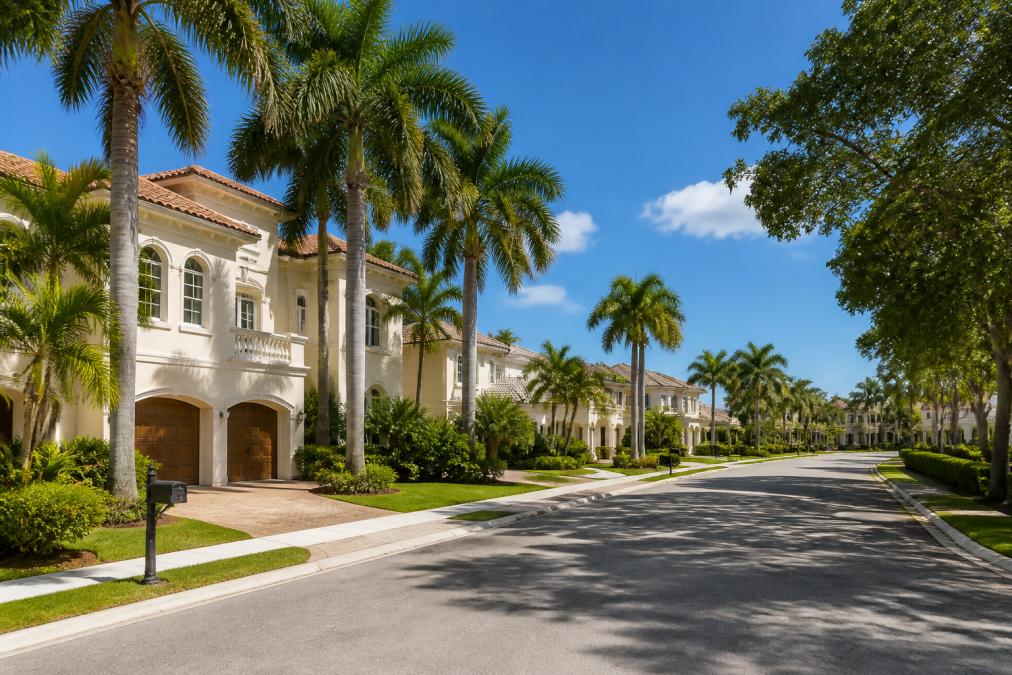
Boca Raton ranked #1 place to live in Florida for 2026, according to analysis that evaluated safety, economic opportunity, and affordability across 39 cities statewide. The city achieved a safety score of 83/100 due to low violent crime rates and boasts the highest median household income among analyzed cities at approximately $110,593 per year. This combination of safety, economic vitality, and quality of life makes Boca Raton an increasingly attractive destination for professionals, families, and retirees seeking to relocate to South Florida.
The residential areas in Boca Raton reflect this appeal. Whether you’re drawn to waterfront luxury, family-friendly gated communities, or affordable rental options near major institutions like Florida Atlantic University (FAU), the city offers distinct neighborhoods tailored to different lifestyles and budgets. Understanding these areas helps you make an informed decision about where to settle.
According to Harvard’s Joint Center for Housing Studies 2022 report, nearly two of three renters in Palm Beach, Broward, and Miami-Dade counties are devoting more than 30 percent of their incomes to housing costs. This affordability challenge underscores the importance of finding a residential area that aligns with both your lifestyle preferences and financial reality. Below, we’ll explore the best residential areas in Boca Raton, from upscale waterfront estates to modern apartment communities, so you can identify the neighborhood that works best for your situation.
Downtown Boca and Mizner Park: Culture and Walkability
Downtown Boca and Mizner Park stand out as the cultural and social center of the city, offering a mixed-use district with restaurants, shopping, galleries, an amphitheater, and the Boca Raton Museum of Art. This area appeals to residents who prioritize walkability and access to urban amenities over suburban privacy. Homes and condominiums here command premium pricing for their location and the lifestyle they enable.
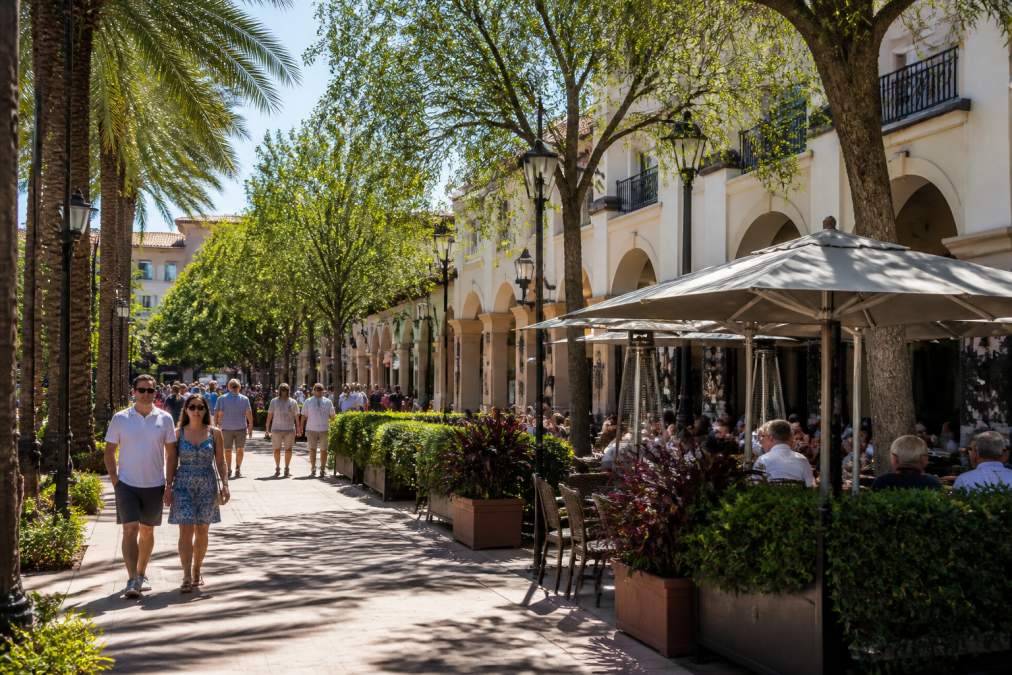
The walkability factor is significant. Residents can accomplish daily errands on foot, access cultural venues without driving, and enjoy a lock-and-leave lifestyle that appeals to young professionals and empty nesters. The neighborhood attracts those who view their home as a base for an active social calendar rather than a retreat from the city. Property values here reflect this desirability, with homes and condos priced at a premium compared to other residential areas in Boca Raton.
One consideration: the urban density that creates walkability also means less privacy and more noise compared to suburban neighborhoods. If you work from home or value quiet evenings, Downtown Boca’s constant activity may feel intrusive. The trade-off is deliberate, you’re paying for access and community engagement, not seclusion.
According to The Koolik Group’s 2026 neighborhood analysis, Downtown Boca and Mizner Park remain the most sought-after areas for those prioritizing walkability and cultural access. The median sold price across all property types in Boca Raton in July 2026 was approximately $584,000, but properties in this central location typically exceed that figure.
East Boca Raton: Waterfront Living and Beach Access
East Boca Raton, particularly the waterfront and near-coastal corridor, represents the premium tier of residential areas in Boca Raton. This area is supported by fixed supply, there’s only so much oceanfront and Intracoastal property available, and permanent demand from buyers seeking proximity to water. Homes here range from luxury estates with deep-water dockage to beachfront condominiums.
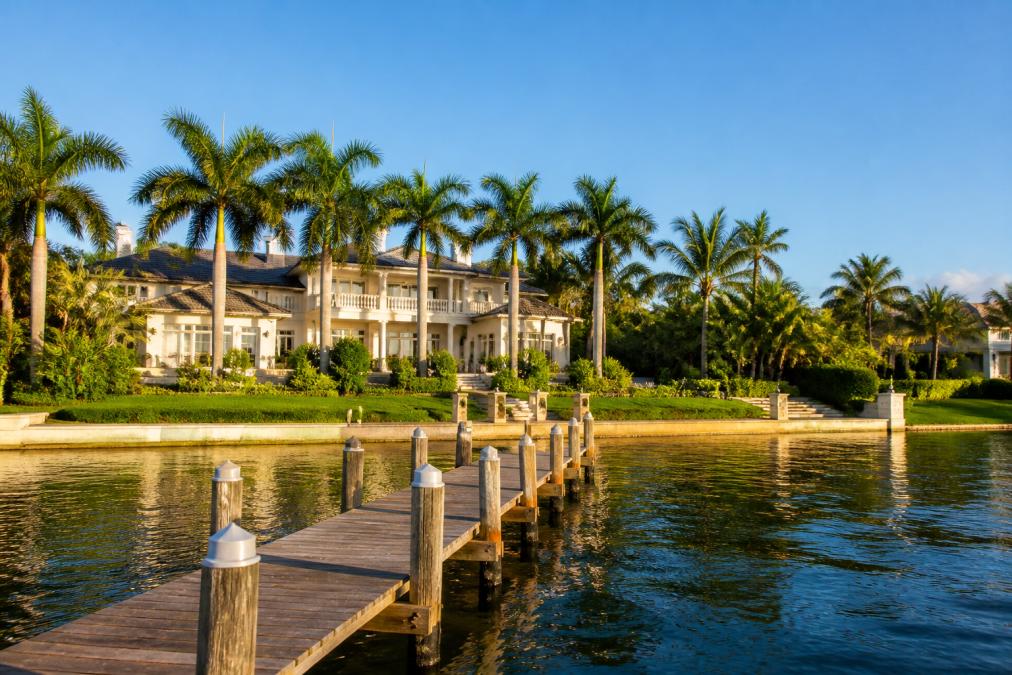
The appeal is straightforward: direct access to boating, fishing, and beach lifestyle. For families with boats or individuals who prioritize water recreation, East Boca eliminates the need to travel to enjoy these activities. The area has historically shown the strongest appreciation profile among residential areas in Boca Raton, driven by limited supply and consistent demand.
The median sale price for luxury single-family homes in Boca Raton climbed to approximately $2,192,500 in 2026, an increase from $2,000,000 the previous year, with luxury homes closing at roughly 94.2% of their list price. This data reflects the strength of the high-end market. The median days on market for luxury homes tightened to about 33 days, down from 40 days, indicating fast sales cycles for well-priced listings.
East Boca comes with higher property taxes, higher insurance premiums (particularly for waterfront properties), and elevated HOA fees in many communities. The initial purchase price is only the beginning of the financial commitment. Additionally, waterfront living means exposure to hurricane risk and the associated insurance volatility that comes with Florida coastal property.
West Boca Communities: Families and New Construction
Western master-planned communities like Boca Bridges and Lotus represent the newer, family-oriented side of residential areas in Boca Raton. These communities feature sleek, contemporary designs with 5-star amenities including sprawling clubhouses, on-site dining, and professional-grade fitness centers. They appeal to buyers seeking turnkey lifestyle and proximity to top-tier public and private schools.
Boca Bridges exemplifies this category. Starting around $1,000,000, homes are newly constructed single-family estates ranging from 3,000 to 10,000+ square feet. The community includes a resort-style clubhouse with lagoon-style pool, fitness center, tennis and pickleball courts, and a gourmet restaurant. HOA fees average around $600 per month. The development is zoned for highly-rated public schools, making it attractive to families with children.
These communities excel at providing amenities without the six-figure equity fees that traditional country clubs demand. You get resort-style living, active community programming, and modern construction. The trade-off is location, West Boca communities sit west of Military Trail, which may feel further from some East Boca attractions and the beach. Commutes to downtown or coastal areas require 15-20 minutes by car.
Saturnia, another family-friendly gated community in West Boca, was built in the late 1990s and offers resort-style amenities with strong concentration of families with children. It’s a well-established alternative for those seeking a secure, family-oriented environment without the premium pricing of newer developments.
Apartments for Rent in Boca Raton: Affordable Rental Options
For renters, Boca Raton offers several pathways to affordable living, particularly near FAU and surrounding areas. The median rental price for a one-bedroom apartment in Boca Raton hovers around $2,300, though options exist both above and below this figure. Average rental occupancy rates in Boca Raton are consistently above 95%, indicating strong demand and limited vacancy. impact window upgrades.
Cynthia Gardens offers modern, spacious one-bedroom apartments with high-end finishes including stainless steel appliances and quartz countertops. The garden-style community includes a resort-style pool and lush, landscaped grounds, amenities typically reserved for higher-priced properties.
For graduate students at FAU or young professionals seeking maintenance-free living near campus and beaches, this represents an accessible entry point into Boca Raton’s rental market.
The apartments are pet-friendly, and utilities are included in rent (water, trash, sewer, pest control), which simplifies budgeting. Lease options include both 10-month and 12-month terms, providing flexibility for students and professionals with varying timelines.
Cost of Living in Boca Raton FL: What to Expect
Understanding the true cost of living in residential areas in Boca Raton requires looking beyond purchase or rental price. Housing costs are only one component of your overall expenses.
Nearly two of three renters in South Florida devote more than 30% of their incomes to housing costs. More than a third of renters in the region are severely burdened, spending over half their incomes on housing.
Property taxes in Florida are moderate compared to northern states, there’s no state income tax, but property insurance has become increasingly expensive due to hurricane risk and rising reinsurance costs. HOA fees vary dramatically depending on your community, ranging from $300-400 monthly in some neighborhoods to $1,500+ in ultra-luxury gated communities.
For renters, the median one-bedroom apartment costs approximately $2,300 monthly. Beyond rent, factor in utilities (if not included), insurance, transportation, and groceries. The cost of living in Boca Raton FL is higher than many parts of the country, but lower than comparable South Florida beach communities.
According to Ocity’s 2026 analysis of Florida cities, Boca Raton’s affordability score reflects the challenge of housing costs relative to income. The city ranked #1 overall due to safety and economic opportunity, but affordability remains a constraint for many residents. This is why understanding which residential areas in Boca Raton fit your budget is critical, the difference between a $2,300 monthly rental and a $4,000+ luxury apartment significantly impacts your quality of life.
| Cost Category | Typical Range | Notes |
|---|---|---|
| One-bedroom apartment rent | $1,990-$2,800 | Varies by location and amenities |
| Property tax (home) | 0.83% of assessed value | No state income tax offset |
| Homeowner’s insurance | $1,200-$2,500+ annually | Higher for waterfront properties |
| HOA fees (gated communities) | $300-$1,500+ monthly | Varies dramatically by community |
| Utilities (if not included) | $150-$250 monthly | Electricity, water, internet |
Choosing Your Ideal Boca Raton Neighborhood
Selecting among the best residential areas in Boca Raton comes down to aligning three factors: lifestyle priorities, budget constraints, and life stage.
If you prioritize walkability, cultural access, and urban living, Downtown Boca and Mizner Park deliver. You’ll pay premium prices and sacrifice privacy, but you gain immediate access to restaurants, galleries, and community events. This works well for young professionals, empty nesters, and those who view their neighborhood as an extension of their social life.
If waterfront access and boating define your ideal lifestyle, East Boca Raton justifies the premium pricing. The fixed supply, strong appreciation history, and lifestyle benefits appeal to affluent buyers and those for whom water recreation is non-negotiable. Expect higher ongoing costs for insurance, taxes, and maintenance.
If you’re a family seeking modern construction, top-rated schools, and resort-style amenities without equity club fees, West Boca communities like Boca Bridges and Saturnia deliver. You trade proximity to the beach and downtown for family-friendly infrastructure and community programming.
If you’re relocating to Boca Raton for work at FAU, a local tech firm, or finance company, and you need affordable, maintenance-free housing, Cynthia Gardens offers a pragmatic alternative to traditional apartment complexes. The location near FAU and beaches, combined with included utilities, appeals to students and young professionals who value convenience and peace of mind over square footage.
Before committing to any residential area in Boca Raton, spend time there at different times of day. Visit on a weekday morning, a weekend afternoon, and an evening. This reveals how the neighborhood actually feels versus how it’s marketed. Downtown Boca’s evening energy differs dramatically from its daytime character. West Boca’s family focus is evident in school pickup times. East Boca’s quiet seclusion becomes apparent at night.
The best residential areas in Boca Raton aren’t universal, they’re personal. Your ideal neighborhood depends on whether you’re building a family, establishing a career, retiring, or seeking a second home. Each area serves distinct needs. The data supports this: luxury home sales remain strong in East Boca, family communities continue attracting relocating households, and rental communities near FAU maintain 95%+ occupancy. All are thriving because they serve different market segments.
Choosing where to live in Boca Raton is one of the most consequential decisions you’ll make when relocating to South Florida. Whether you’re drawn to the walkable culture of Downtown Boca, the waterfront luxury of East Boca, the family-friendly amenities of West Boca, or the affordable convenience of rental communities, the right neighborhood exists for your specific situation. At Cynthia Gardens, we understand that finding the right residential area means balancing lifestyle, budget, and practical considerations like proximity to work and schools. If you’re exploring rental options near FAU and the beach with modern finishes and included utilities, we invite you to schedule a tour today and experience the serene, maintenance-free living that sets our community apart.
Frequently Asked Questions
What are the safest neighborhoods in Boca Raton?
Boca Raton ranked #1 place to live in Florida for 2026, with a safety score of 83/100 due to low violent crime rates. Gated communities like Boca Bridges, Woodfield Country Club, and The Sanctuary offer 24-hour security and controlled access. Downtown Boca and East Boca also maintain strong safety records with active community policing. Your choice depends on whether you prefer gated security or established, well-monitored neighborhoods.
Which Boca Raton neighborhoods are closest to the beach and FAU?
East Boca Raton offers the strongest beach proximity with waterfront estates and fixed supply supporting consistent demand. Cynthia Gardens apartments are situated just minutes from FAU and local beaches, making it ideal for students and professionals. Downtown Boca and Mizner Park provide walkable access to cultural venues and dining while remaining close to beach routes. All three areas balance convenience with lifestyle preferences.
Are there affordable residential areas in Boca Raton?
Cynthia Gardens offers one-bedroom apartments priced 20% below the metro average, with rental occupancy rates consistently above 95%. The median one-bedroom rental in Boca Raton hovers around $2,300 monthly. For homebuyers, West Boca communities like Boca Bridges start around $1,000,000 with HOA fees averaging $600 monthly. Martin Manor, a $52 million city initiative, will provide income-restricted units for families making 22% to 80% of area median income, completing fall 2026.
What is the cost of living in Boca Raton compared to other Florida cities?
Boca Raton has the highest median household income among analyzed Florida cities at approximately $110,593 per year. However, housing costs present challenges: nearly two-thirds of renters in Palm Beach, Broward, and Miami-Dade counties spend over 30% of income on housing, with over a third severely burdened at over 50%. The median home sale price in Boca Raton reached $679,000 in August 2026, reflecting higher costs than many Florida markets.