TL;DR:
- An ideal cat-friendly apartment provides secure windows, wide sills, and quiet, well-lit spaces.
- Effective search involves evaluating layout, natural light, flooring, and understanding detailed pet policies.
- Proper move-in preparations and environmental features help ensure a stress-free transition and long-term feline happiness.
You found a one-bedroom in Boca Raton with great natural light, a modern kitchen, and rent that fits your budget. But will your cat actually be happy there? That question matters more than most renters realize. Cats are territorial, sensitive to noise, and deeply affected by their environment. A place that looks perfect on paper can feel stressful and confining for a cat if the layout, windows, or flooring are wrong. This guide walks you through exactly what to look for, the steps to follow, and the mistakes to skip so both you and your cat can settle in with confidence.
Table of Contents
- What makes an apartment truly cat-friendly?
- Key steps to finding your perfect cat-approved apartment
- Understanding pet policies, fees, and lease agreements
- Prepping your cat for move-in and a stress-free transition
- Why most guides get cat apartment hunting wrong
- Find your perfect cat-friendly apartment in Boca Raton
- Frequently asked questions
Key Takeaways
| Point | Details |
|---|---|
| Focus on cat-friendly features | Key amenities and safe design elements will matter most for your cat’s comfort and security. |
| Research pet policies thoroughly | Understand all pet fees, rules, and fine print before you sign any lease agreement. |
| Ease your cat’s transition | Prepare ahead, use familiar items, and create a calm space to support your cat’s move-in. |
| Leverage local resources | Use specialized Boca Raton guides and property listings for the best cat-appropriate apartments. |
What makes an apartment truly cat-friendly?
Not every pet-friendly apartment is actually good for cats. A “pets allowed” label means the landlord tolerates animals. It does not mean the space was designed with your cat’s comfort in mind. Knowing the difference saves you from a frustrating move and a stressed-out pet.
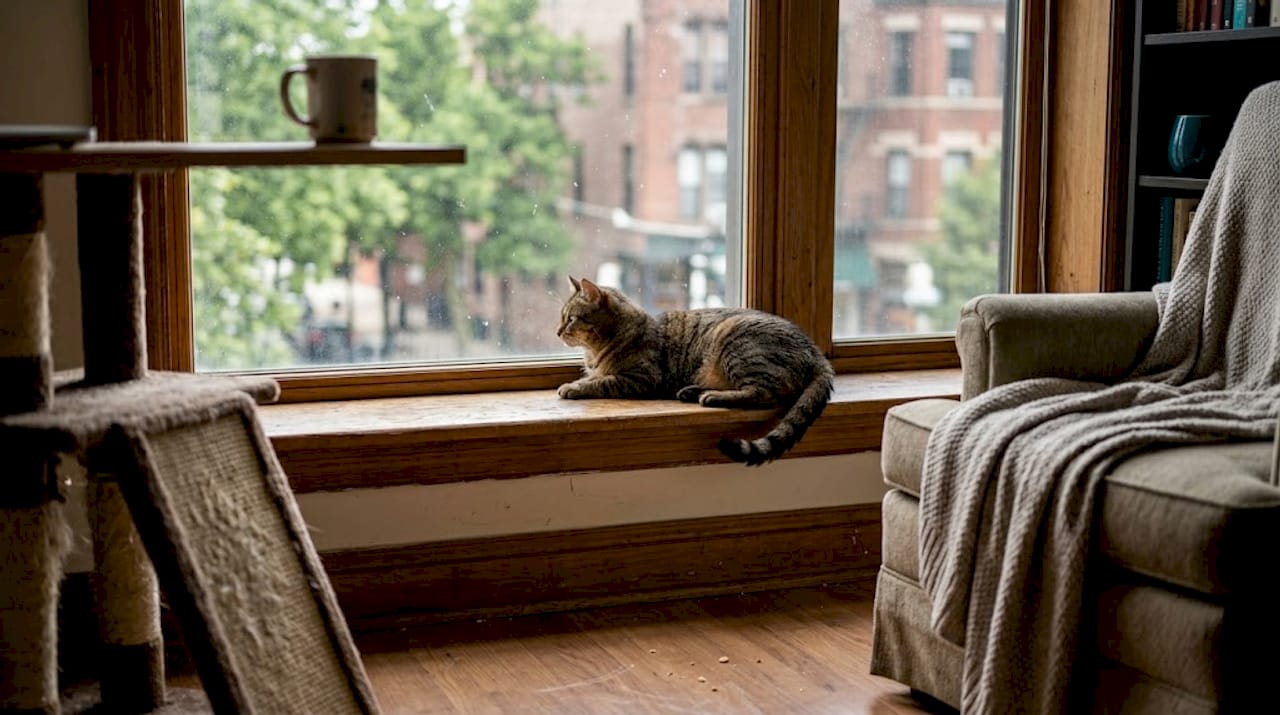
Start with windows. Cats spend hours watching the world outside, and low, wide windowsills give them a safe perch to do exactly that. Secure window screens are non-negotiable, especially in Florida where open windows are common year-round. A unit with only one small window facing a concrete wall is a poor match for an indoor cat.
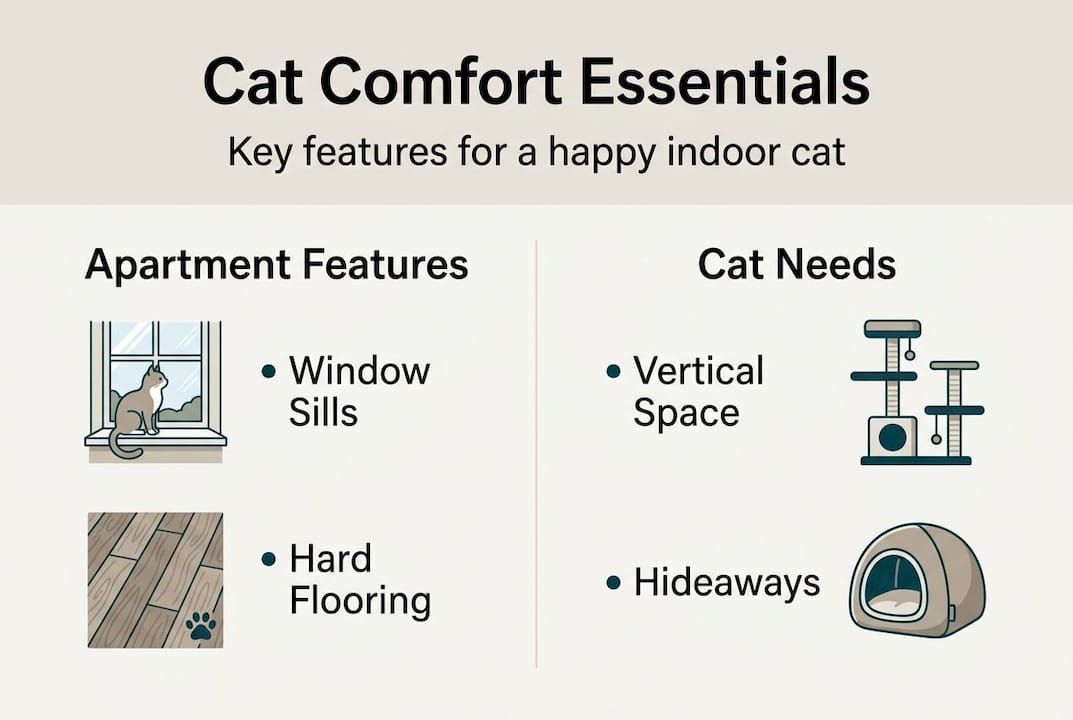
Flooring matters too. Hardwood or tile is easier to clean and less likely to trap dander or odors. Carpet holds onto pet smells and can be a source of conflict with landlords at move-out. If you find a unit with carpet, ask whether it can be replaced or covered before you sign.
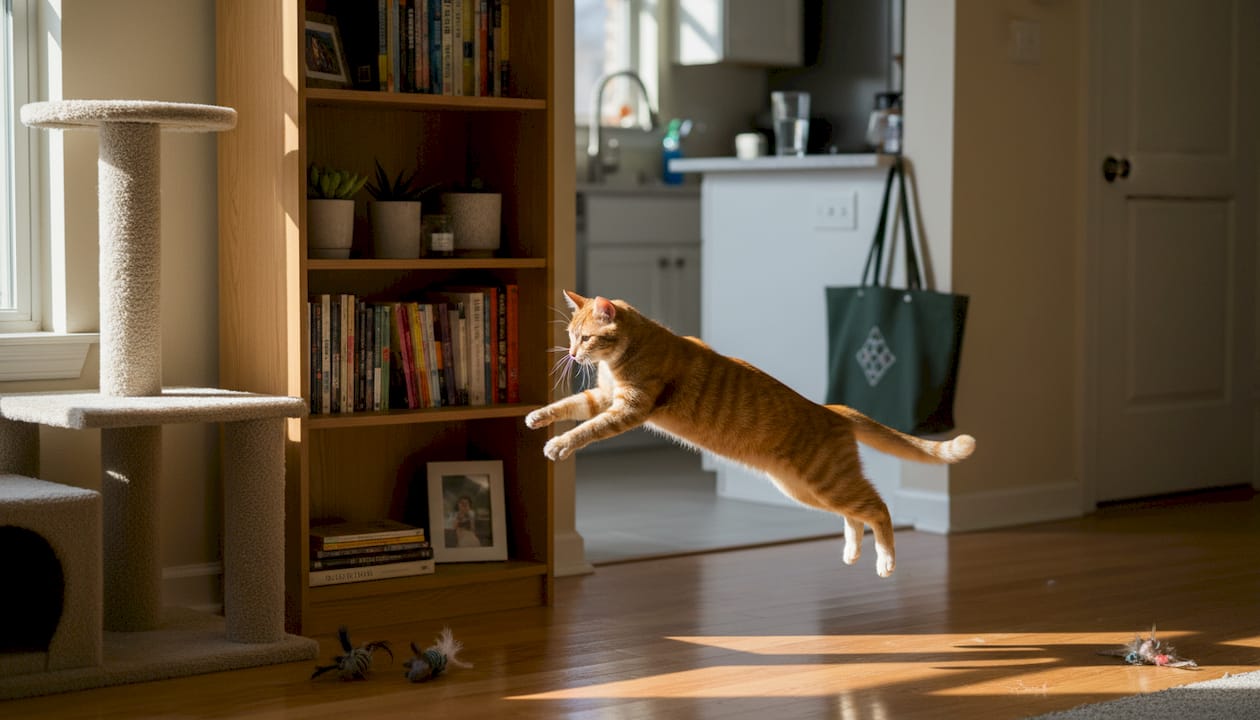
Layout and vertical space are often overlooked. Cats feel safer when they can climb and observe from above. A unit with open shelving, tall furniture space, or a dedicated cat tree corner is a better fit than a cramped studio with no room to move. Quiet units away from street noise or shared laundry rooms also reduce feline stress significantly.
Here is a breakdown of features to look for:
| Feature | Must-have | Nice-to-have |
|---|---|---|
| Secure window screens | Yes | |
| Low windowsills or sills wide enough for a cat | Yes | |
| Smooth, cleanable flooring | Yes | |
| Quiet unit location | Yes | |
| Built-in shelving or climbing space | Yes | |
| Pet washing station on-site | Yes | |
| Enclosed balcony or catio option | Yes | |
| Natural light in multiple rooms | Yes |
Key features to confirm before touring:
- Window screen condition and latch security
- Flooring type and any replacement options
- Proximity to loud common areas
- Outdoor access or enclosed patio availability
- Storage space for cat supplies
Pro Tip: Even if an apartment is not perfectly set up for cats, small changes make a big difference. A tension-mounted cat shelf, a window perch, and a white noise machine can transform a basic unit into a comfortable home for your pet.
Research consistently shows that cat-friendly apartments reduce pet surrender rates by 35%, which means the right environment is not just a comfort issue. It is a long-term commitment issue. Explore our cat-friendly amenities guide to see which features matter most in Boca Raton specifically, and check out amenities for cat owners to understand what separates a good unit from a great one. For additional cat owner resources, there are helpful tools available online as well.
Key steps to finding your perfect cat-approved apartment
Knowing what to look for is only the starting point. The real work is in how you search, filter, and evaluate your options before committing to a lease.
Step 1: Set your budget with pet costs included. Do not just calculate rent. Add the pet deposit, monthly pet fee, and any one-time fees. This gives you a realistic number to work with from day one.
Step 2: Research pet policies before scheduling tours. Many listings say “pets allowed” but have weight limits, breed restrictions, or a cap on the number of animals. Filter these out early so you do not waste time on units that will not work.
Step 3: Use virtual tours strategically. Walk through the unit online and look specifically at window placement, flooring, and room flow. Virtual tours save you from driving across Boca Raton to see a unit that clearly will not work for your cat.
Step 4: Schedule in-person tours with your cat’s needs as the lens. Bring your checklist. Look at screen quality, noise levels, and how much natural light each room gets at different times of day.
Step 5: Compare your top options side by side. Do not rely on memory. Use a simple comparison to rank your finalists.
| Search method | Pros | Cons |
|---|---|---|
| Online listings | Fast, filterable, wide reach | Pet policy details often vague |
| Local rental agents | Know the market well | May charge a fee |
| Referrals from cat owners | Real-world insight | Limited options |
| Community social groups | Honest reviews | Informal, slower process |
As affordable cat-friendly apartments in Boca Raton do exist but require methodical searching, skipping steps leads to settling for a unit that does not actually fit. Follow our guide on how to find pet-friendly apartments for a deeper look at filtering listings effectively.
If your options are limited, prioritize the features that affect your cat most: window access, flooring, and noise levels. Amenities like a pet spa or rooftop deck are nice, but your cat will not care about those nearly as much as having a sunny windowsill and a quiet room to nap in.
Understanding pet policies, fees, and lease agreements
You found a great unit. The windows are perfect, the flooring is clean, and the location works. Now comes the part that trips up most renters: the lease.
Pet policies vary widely between properties, and the details buried in a lease can create real problems if you do not read them carefully. Here is what to check:
- Allowed number of pets: Some leases cap it at one animal, even if the listing says “pets welcome.”
- Weight or size limits: Less common for cats, but some properties apply blanket weight rules.
- Breed restrictions: Rare for cats but worth confirming.
- Rules about guests with pets: Some leases prohibit other animals from visiting, which matters if you cat-sit for friends.
- Damage clauses: Understand what counts as pet damage versus normal wear and tear.
On fees, most Boca Raton apartments charge a one-time refundable pet deposit plus a monthly pet fee. The deposit typically ranges from $200 to $500, and monthly fees often run $25 to $75 per cat. As transparent pet policies and fair fees help renters avoid unexpected costs, always ask for the full fee breakdown in writing before signing.
Pro Tip: If a lease has a clause you are uncomfortable with, ask for an amendment. Many landlords will negotiate, especially if you have good rental history and can show your cat is well-behaved. Get any agreed changes in writing and signed before move-in.
“The biggest risk with unclear pet policies is not the fees themselves. It is the ambiguity that leads to disputes at move-out. A lease that does not define what counts as pet damage can cost you your entire deposit.”
Review your pet policy guide and understand lease agreement basics before you sign anything. A few hours of careful reading now prevents a lot of stress later.
Prepping your cat for move-in and a stress-free transition
Signing the lease is a milestone. But for your cat, move-in day is one of the most disorienting experiences they will face. Preparation makes the difference between a smooth adjustment and weeks of hiding under the bed.
Pre-move checklist:
- Visit the vet for a health check and to update any records with your new address.
- Stock up on familiar food, litter, and toys before the move.
- Pack your cat’s items last so their scent stays in the current space as long as possible.
- Set up a dedicated room in the new apartment before bringing your cat inside.
- Place familiar bedding, a litter box, food, and water in that room first.
On move-in day:
- Bring your cat in their carrier after the heaviest furniture is already placed.
- Let them explore the safe room first, without access to the full apartment.
- Gradually open access to other rooms over several days.
Calming strategies that actually work:
- Use a pheromone diffuser like Feliway in the main living area
- Keep your cat’s routine consistent, same feeding times, same litter box location
- Avoid loud music or parties in the first week
- Spend extra time sitting quietly in the same room as your cat
Pro Tip: Place a worn t-shirt or blanket near your cat’s sleeping area. Your scent is one of the most powerful calming tools available, and it costs nothing.
As smooth transitions reduce feline anxiety and support long-term happiness in new homes, the first month sets the tone for how your cat feels about the space long-term. Check out our apartment moving tips for a full breakdown of how to manage the process from packing to settling in.
Watch for signs your cat is adjusting well: eating normally, using the litter box consistently, and showing curiosity rather than hiding. If anxiety persists beyond three to four weeks, consult your vet.
Why most guides get cat apartment hunting wrong
Most cat apartment guides focus almost entirely on pet policies and deposits. That is useful, but it misses the point. The policy tells you whether cats are allowed. It says nothing about whether the apartment is actually livable for a cat.
We have seen renters choose a unit based on a favorable pet policy and then struggle for months because the apartment had no natural light, thin walls, or a layout that gave their cat no place to feel safe. The lease was fine. The apartment was not.
The questions most guides never tell you to ask: Does sunlight reach the main living area in the afternoon? Are the window screens solid enough to hold against a curious cat? Is there a spot where a cat tree can sit without blocking foot traffic?
These small details, not the pet deposit amount, determine whether your cat thrives. Understanding what matters in pet housing goes well beyond policies and price. It is about environment, light, layout, and quiet. That is the standard worth holding out for.
Find your perfect cat-friendly apartment in Boca Raton
You now have a clear picture of what to look for, how to search, and what to ask before signing. The next step is putting that knowledge to work with real listings.
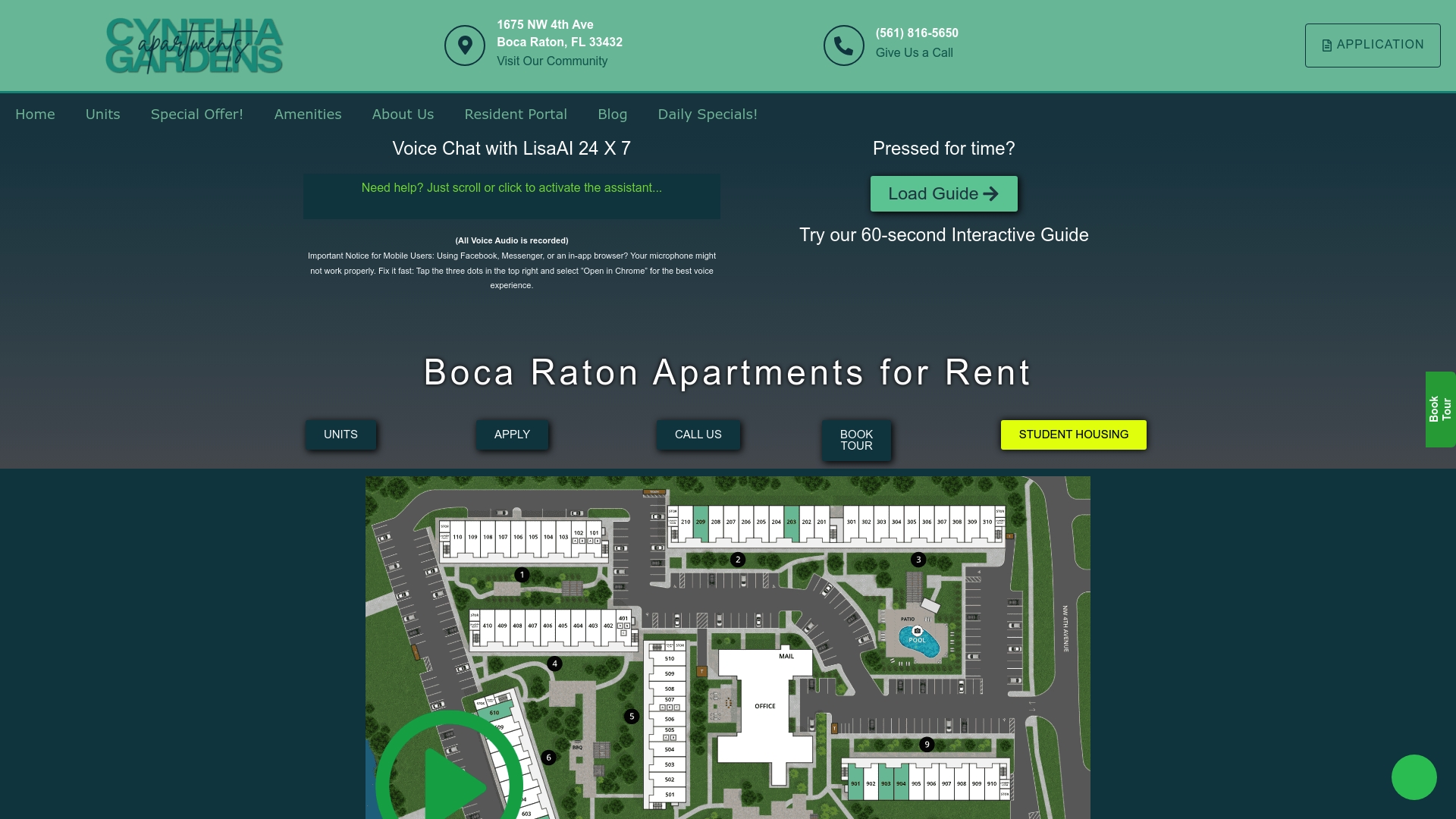
At Cynthia Gardens, we offer one-bedroom cat-friendly apartments designed with pet owners in mind. Our transparent pricing means no surprise fees, and our affordable pet-friendly apartments are built to fit real budgets. Explore our cat-friendly amenities in Boca and schedule a virtual or in-person tour today. Our AI chat support and interactive property map make it easy to find the right unit without the guesswork.
Frequently asked questions
What amenities should I prioritize for my indoor cat?
Prioritize apartments with secure windows, strong natural light, and open floor space for climbing or hiding. Cat-friendly amenities keep cats happier and more secure indoors, which reduces stress for both pet and owner.
Are there extra fees for having a cat in Boca Raton apartments?
Yes, most apartments charge a one-time pet deposit and a modest monthly fee for cats. Always request the full breakdown in writing, since transparent pet policies help renters avoid unexpected costs at move-out.
How can I help my cat adjust to a new apartment?
Bring familiar toys and bedding, set up a safe room before letting your cat roam freely, and keep feeding times consistent. Smooth transitions reduce feline anxiety and support long-term happiness in new homes.
What questions should I ask about pet policies before signing a lease?
Ask specifically about the number of cats allowed, any weight or breed rules, monthly pet fees, and how the lease defines pet damage. Transparent pet policies are crucial for a positive rental experience and protect you from disputes at move-out.
Recommended
- Cat-friendly apartment amenities guide for Boca Raton
- Cat-Friendly Apartments in Boca Raton: 35% Less Surrender
- Why 17% of Student Renters Choose Cat-Friendly Housing
- Pet-Friendly One-Bedroom Apartments in Boca Raton: Comfort for You and Your Pet – Luxury Apartments for Rent in Boca Raton | Premium Boca Raton Apartments | Aapartments Boca Raton