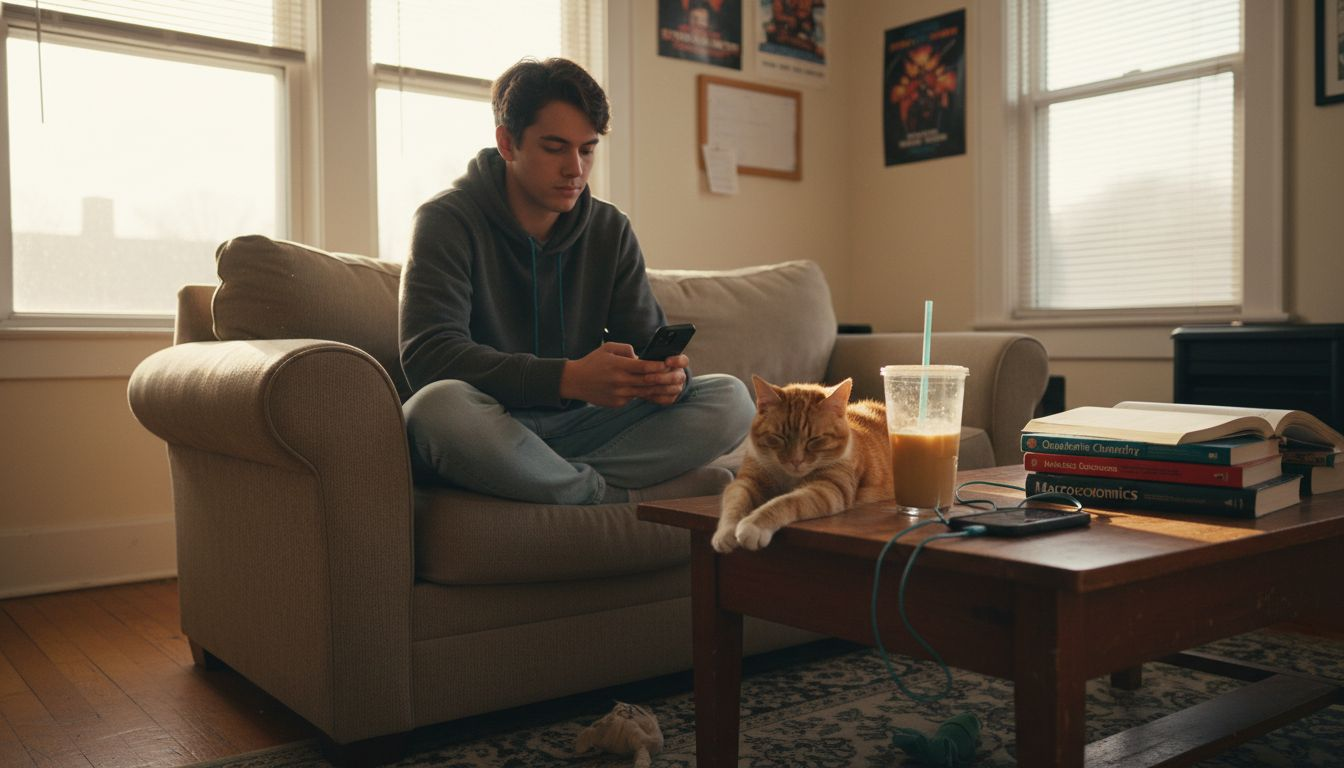
Nearly 17% of renters own cats, yet finding student housing that truly supports your feline companion in Boca Raton can feel like searching for a needle in a haystack. You face restrictive policies, surprise fees, and apartments that ignore your cat’s needs entirely. This guide cuts through the confusion and shows you exactly how to choose pet-friendly apartments in Boca Raton that benefit both you and your cat, with transparent pricing and amenities that actually matter.
Table of Contents
- Understanding Student Housing Needs For Cat Owners
- Key Pet Policies And Transparency In Lease Agreements
- Essential Amenities That Support Cat Well-Being
- Technology-Enhanced Apartment Search And Leasing For Cat Owners
- Why One-Bedroom Apartments Are Ideal For Cat Owners
- Common Misconceptions About Cat-Friendly Student Housing
- Practical Steps To Find And Lease Your Ideal Cat-Friendly Apartment
- Discover Your Perfect Cat-Friendly Apartment In Boca Raton
Key Takeaways
| Point | Details |
|---|---|
| Cat ownership drives rental decisions | Approximately 17% of U.S. renters own cats, making pet policies crucial in housing choices. |
| Transparency increases leasing confidence | Clear pet fee disclosure boosts willingness to lease by roughly 20%. |
| Technology simplifies apartment search | Virtual tours, AI chat, and interactive maps help find suitable housing faster. |
| One-bedroom layouts benefit cat owners | Separate rooms improve odor control and provide dedicated cat zones. |
| Myths prevent better housing options | Cats actually cause 23% fewer damage claims than dogs. |
Understanding Student Housing Needs for Cat Owners
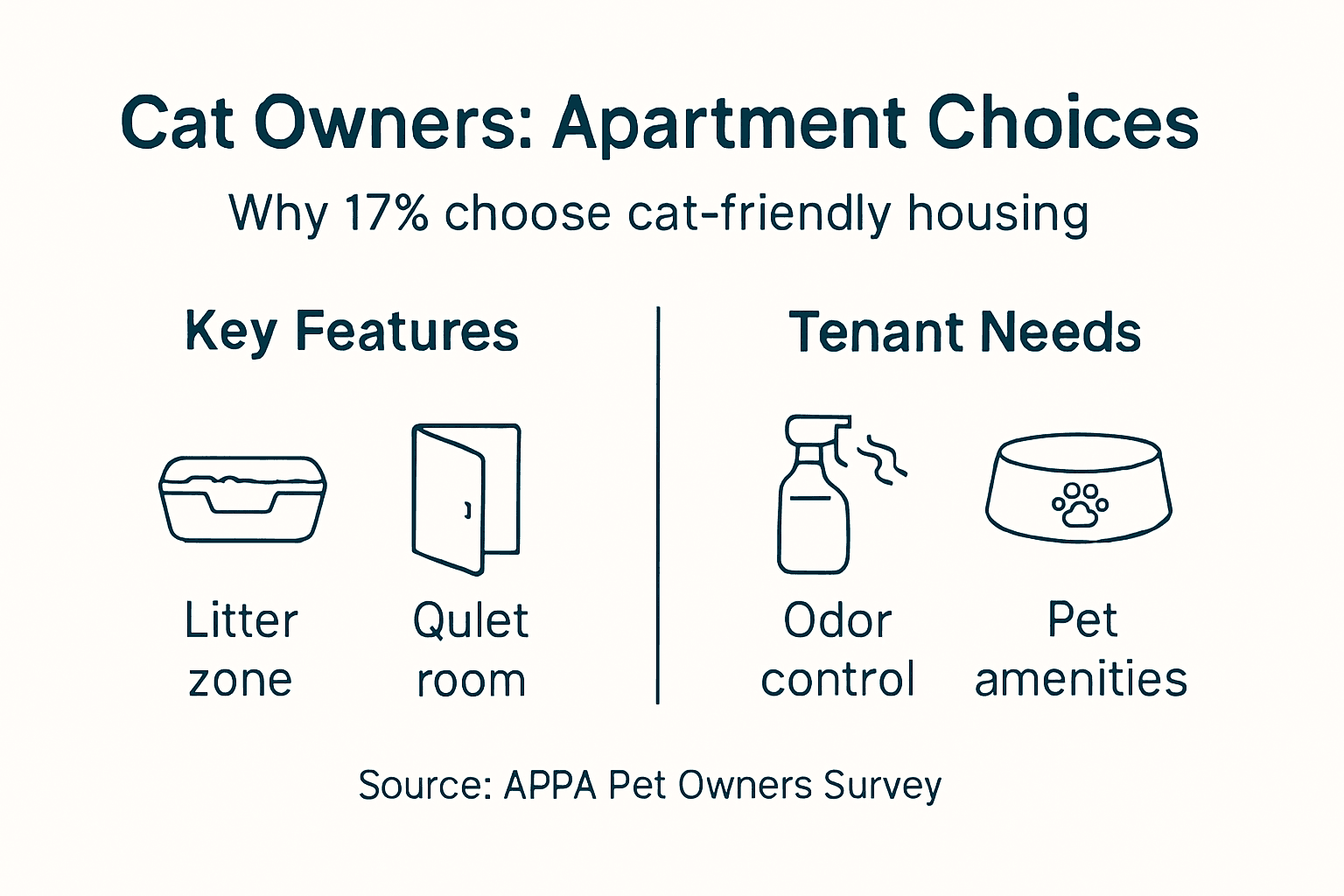
Cat ownership among students and young professionals is more common than most property managers realize. The 2023-2024 APPA National Pet Owners Survey™ confirms that approximately 17% of renters in the U.S. own cats, making cat-friendly policies a significant factor in rental decisions. Yet many student housing options still treat pet accommodations as an afterthought.
Students with cats need housing that checks three critical boxes: pet-friendly policies that don’t penalize responsible ownership, transparent and affordable pricing, and amenities that support both study life and pet care. When apartments fail to meet these standards, you’re forced into difficult choices between your education, your budget, and your companion’s wellbeing.
Common challenges include:
- Vague or restrictive pet policies that surprise you after you’ve invested time touring
- Hidden fees buried in lease fine print that blow your budget
- Lack of basic cat-supportive features like quiet spaces or proper ventilation
- Arbitrary restrictions that don’t reflect actual pet behavior or risks
Understanding these challenges is your first step toward finding appropriate pet-friendly housing in Boca Raton. The American Pet Products Association survey data shows that properties acknowledging and addressing these needs stand out in competitive rental markets. Your cat isn’t just a pet; it’s family. The right apartment recognizes that reality and builds policies around it, making your search for the best pet-friendly apartments in Boca Raton much more straightforward.
Key Pet Policies and Transparency in Lease Agreements
Pet policies vary wildly between properties, but understanding common cat-specific terms helps you evaluate options quickly. Most apartment pet policies include weight limits, though these rarely affect cats since most weigh under 15 pounds. Breed restrictions almost never apply to cats, unlike dogs. Some properties require vaccination records or veterinarian references, which responsible cat owners already maintain.
Transparency in pet fees makes an enormous difference. Research shows transparent pet fees reduce uncertainty and increase willingness to lease by approximately 20%. When you know upfront exactly what you’ll pay monthly, as a deposit, or as a one-time fee, you can budget accurately and avoid nasty surprises three months into your lease.
Clear lease agreements for cat owners spell out responsibilities that protect both you and the property:
- Damage liability and what constitutes normal wear versus excessive damage
- Noise restrictions and quiet hours that apply to pets
- Required flea treatments or regular veterinary care documentation
- Move-out inspection procedures specific to pet owners
Opaque or hidden fees do more than frustrate you. They actively discourage qualified renters from applying, shrinking the pool of responsible pet owners. Properties that bury costs in complex fee structures signal potential problems with other aspects of management. When you find apartments that openly share their complete fee structure on their website, you’ve found management that respects your time and intelligence.
The 2023-2024 APPA National Pet Owners Survey™ underscores why these policies matter at scale. With roughly one in six renters owning cats, properties that create unnecessarily complex or punitive pet policy restrictions essentially eliminate a massive segment of potential residents. Smart properties make policies clear, fair, and easy to understand.
Essential Amenities That Support Cat Well-Being
Amenities directly impact your cat’s health and your quality of life as a renter. Basic features like designated litter disposal areas prevent odor buildup in common spaces and show management takes pet ownership seriously. When properties provide scratch-friendly posts or surfaces in communal areas, they’re acknowledging natural cat behavior instead of fighting it.

Quiet spaces matter more than you might think. Cats are sensitive to noise, and constant loud sounds from thin walls or high-traffic areas trigger stress. Chronic stress in cats manifests as behavioral issues, excessive grooming, or health problems. Apartments with better soundproofing or units positioned away from noisy common areas create calmer environments for both study and rest.
Key pet-friendly apartment amenities to prioritize:
- Dedicated litter disposal stations that maintain cleanliness
- Grooming areas or pet wash stations for convenient care
- Quiet zones or sound-dampened units for stress reduction
- Secure outdoor access or screened balconies for safe stimulation
- Pet waste stations even though cats use litter boxes, showing overall pet-friendly culture
Pro Tip: Check if the apartment offers pet waste stations and grooming areas during your tour. Properties that invest in these features typically maintain higher overall standards and understand pet owner needs better.
Providing comprehensive pet-care amenities for cats correlates strongly with higher tenant retention and satisfaction. When you don’t have to drive 20 minutes to dispose of litter properly or struggle to bathe your cat in a cramped shower, daily pet care becomes manageable alongside your studies or work. These seemingly small conveniences compound over time, dramatically improving your rental experience.
Student-focused properties that understand pet needs create student apartment amenities that blend study spaces, social areas, and pet-friendly features seamlessly. The goal isn’t just tolerating your cat but actively supporting the human-animal bond that improves your mental health and overall wellbeing during demanding academic or professional periods.
Technology-Enhanced Apartment Search and Leasing for Cat Owners
Technology has transformed apartment hunting from a time-consuming chore into an efficient, informed process. Virtual apartment tours let you inspect pet amenities, room layouts, and potential cat hazards without leaving your current apartment. You can evaluate whether windows have secure screens, check floor materials for easy cleaning, and assess noise levels from traffic or neighbors.
AI chat support answers pet policy questions instantly, often outside traditional office hours when you’re actually researching apartments. Instead of playing phone tag or waiting days for email responses, you get immediate clarity on pet deposits, monthly fees, breed restrictions, and documentation requirements. This speed helps you eliminate unsuitable properties quickly and focus on genuine contenders.
Interactive maps elevate your search by highlighting features crucial to cat owners:
- Nearby veterinary clinics for emergencies and routine care
- Pet supply stores within walking or short driving distance
- Quiet residential streets versus high-traffic areas
- Proximity to parks or green spaces for your own outdoor activities
Pro Tip: Use online lease applications linked to pet policy information to expedite approval. Many modern systems let you upload vaccination records and vet references directly, streamlining what used to be a paper-heavy process.
These remote apartment search tools reduce search time significantly while increasing transparency. You make informed decisions based on comprehensive information rather than rushed in-person impressions. For busy students or young professionals, this efficiency means less time apartment hunting and more time focusing on what matters: your education, career, and relationship with your cat.
Properties offering these technological conveniences signal forward-thinking management. They understand that modern renters expect digital-first experiences and transparent information access. When you find apartment listings for students and professionals that integrate virtual tours, AI support, and interactive features, you’ve found management that values your time and invests in tenant satisfaction.
Why One-Bedroom Apartments Are Ideal for Cat Owners
Layout matters enormously when you share your space with a cat. One-bedroom apartments provide dedicated space to separate cat zones from your living and sleeping areas. You can place the litter box in a bathroom or closet area, keeping odors contained and away from where you eat, sleep, or study.
Separate rooms transform odor management from constant battle to simple maintenance. Studios force you to live, sleep, and manage cat care in one space, meaning litter smells permeate everything. One-bedroom layouts give you options for strategic litter placement and better airflow control.
Studies consistently show cat owners prefer one-bedroom layouts for their pets’ comfort and privacy. Cats need territory they can claim as their own. A separate bedroom provides a quiet retreat when you have guests, play music, or need to focus on video calls for class or work.
| Feature | Studio | One-Bedroom |
|---|---|---|
| Space for cat zones | Limited, everything in one area | Separate areas for litter, feeding, play |
| Odor control | Poor, smells permeate entire space | Good, containment in separate rooms |
| Privacy for cat | Minimal, constant activity exposure | High, bedroom offers quiet retreat |
| Rental preference | Lower among cat owners | Higher, 68% prefer for pet comfort |
One-bedroom units often allow better furniture and accessory placement for cat enrichment. You can set up a cat tree by a bedroom window without sacrificing your living room layout. Vertical space becomes usable for your cat without cluttering your main living area.
The top one-bedroom apartments balance affordability with these practical advantages. While they cost slightly more than studios, the quality of life improvement for both you and your cat often justifies the difference. When comparing affordable one-bedroom apartments, factor in how layout affects your daily routine and your cat’s behavior.
Common Misconceptions About Cat-Friendly Student Housing
Myth: Cats cause more damage to apartments than dogs. This belief persists despite clear evidence to the contrary. According to the Pet Insurance Market Analysis Report 2022, cats cause 23% fewer damage claims than dogs. Cats don’t chew baseboards, scratch doors to go outside, or cause floor damage from accidents at the same rate. Responsible cat owners who provide scratching posts and regular nail trimming prevent most potential damage.
Myth: Pet fees for cats are arbitrary and excessively high. In reality, transparent fee structures encourage leasing and are typically fair when you understand what they cover. Pet deposits often fund deep cleaning and any repairs needed after move-out. Monthly pet rent contributes to amenity maintenance like waste stations and grooming areas. Properties with transparent benefits of pet-friendly apartments show exactly how fees are calculated and what they cover.
Myth: All student housing is pet-friendly by default. This dangerous assumption leads to wasted time and disappointment. Many student-focused properties maintain strict no-pet policies or allow only caged animals. Others permit pets but lack any supportive amenities or reasonable policies. Careful verification of pet policy clarifications before touring saves you from emotional investment in unsuitable properties.
Common misconceptions to challenge:
- Landlords lose money on cat-owning tenants due to damage costs
- All cats scratch furniture and destroy blinds uncontrollably
- Pet fees never benefit the pet owner and exist only as profit centers
- Student housing universally welcomes pets without restrictions
Clear facts help reduce stigma and secure better housing options for cat owners. When you approach leasing conversations armed with data about actual cat behavior and damage statistics, you counter bias with evidence.
The Pet Insurance Market Analysis Report 2022 data empowers you to advocate for yourself as a responsible pet owner. Properties that understand the real risk profile of cat ownership offer fairer policies and don’t penalize you for myths that don’t reflect reality.
Practical Steps to Find and Lease Your Ideal Cat-Friendly Apartment
Taking a methodical approach transforms the overwhelming apartment search into a manageable process with clear outcomes. Follow these steps to secure housing that truly works for you and your cat in Boca Raton.
-
Research cat-specific pet policies thoroughly. Contact properties directly and ask about weight limits, breed restrictions, vaccination requirements, and any cat-specific rules. Document responses in writing for comparison later.
-
Request full disclosure of all pet fees upfront. Ask for itemized breakdowns: one-time deposits, monthly pet rent, non-refundable fees, and any additional charges. Properties that hesitate to provide complete fee information signal potential problems.
-
Prioritize apartments offering litter areas, quiet zones, and cat-friendly amenities. Create a must-have list based on your cat’s specific needs. Senior cats need different features than active young cats. Your lifestyle matters too; if you study at home, soundproofing becomes critical.
-
Use virtual tours and AI chat tools to evaluate options remotely and quickly. Screen out unsuitable properties before investing time in physical tours. Focus in-person visits on your top two or three choices after digital evaluation.
-
Confirm lease terms clearly state pet responsibilities before signing. Read the pet addendum carefully. Understand what constitutes excessive damage versus normal wear, who pays for flea treatments if needed, and move-out inspection procedures.
Pro Tip: Keep a checklist of pet policy elements and amenities during your search to compare apartments objectively. Emotional reactions to pretty photos or charming leasing agents can cloud judgment. A standardized checklist keeps you focused on what actually matters.
Leverage the leasing workflow for one-bedroom apartments that many modern properties offer. These streamlined processes include online applications, digital document signing, and automated approval timelines that respect your schedule. Use an apartment viewing checklist during tours to ensure you evaluate every property against the same criteria.
Before finalizing any lease, review pet policies one final time with management. Ask about scenarios that concern you: What happens if your cat damages blinds? Are there noise complaints procedures? Can you add a second cat later if circumstances change? Getting answers now prevents conflicts after you’ve moved in and invested financially and emotionally.
Discover Your Perfect Cat-Friendly Apartment in Boca Raton
Finding housing that respects your bond with your cat doesn’t have to feel impossible. Explore a range of apartment styles and features designed specifically with cat owners in mind, offering the space, amenities, and transparent policies you’ve been searching for.
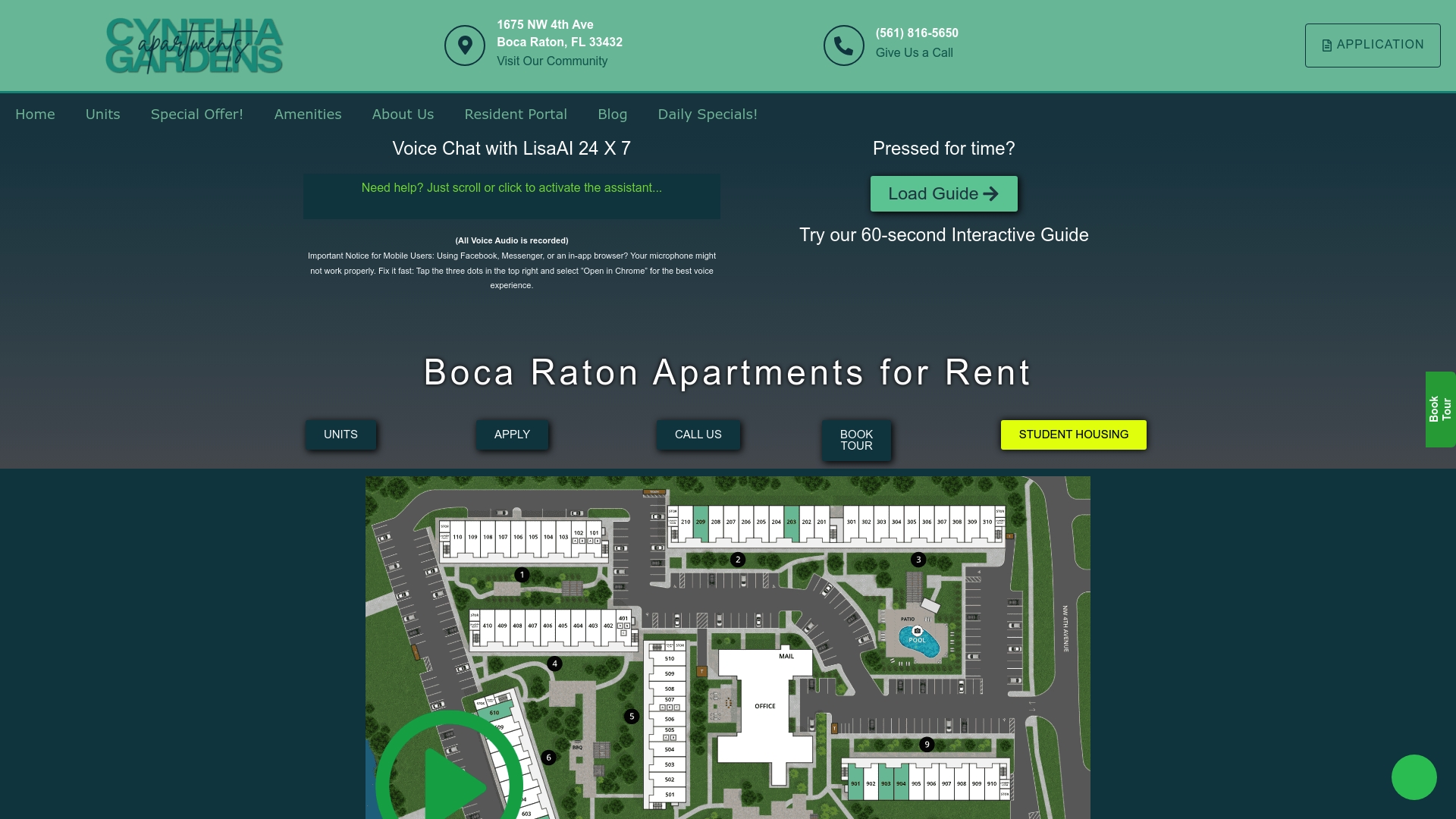
Our one-bedroom apartments in Boca Raton provide the separate spaces your cat needs to thrive while giving you room to study, work, and relax without compromise. We believe in complete transparency, which is why our apartment pet policies are published openly with no hidden fees or surprise restrictions. Technology tools like virtual tours and AI chat support help you make confident decisions on your schedule, not ours.
Frequently Asked Questions
What Should I Know About Pet Fees for Cats in Student Housing?
Pet fees vary widely between properties, but transparent landlords disclose all costs upfront, including deposits, monthly pet rent, and any non-refundable charges. This transparency helps you budget accurately and avoid hidden charges that strain student finances. Always request itemized fee breakdowns before signing any lease agreement.
Are One-Bedroom Apartments Worth the Extra Cost for Cat Owners?
One-bedroom apartments offer separate areas that help manage litter odors and reduce stress for both you and your cat compared to studio layouts. The ability to contain smells in a bathroom or separate room while maintaining a fresh living space often justifies the modest cost difference. This separation also gives your cat a quiet retreat area, promoting better behavior and health.
How Can Technology Help Me Find Cat-Friendly Student Housing?
Virtual tours let you inspect layouts and pet amenities from anywhere, while AI chatbots provide instant answers about pet policies and fees outside business hours. Interactive property maps highlight nearby veterinary clinics and pet supply stores, helping you evaluate location convenience. These tools save hours of research time and enable safer, more informed housing decisions without multiple in-person visits.