
Nearly every American renter faces a credit check before signing a Boca Raton lease, and surprisingly, more than 85 percent of property managers use your financial history to decide if you qualify. Young professionals and Florida Atlantic University students searching for affordable, pet-friendly one-bedroom apartments need to know how these checks shape their chances. This guide explains the essentials of credit checks, what Boca Raton landlords look for, and steps you can take now to strengthen your rental application.
Table of Contents
- What Is A Credit Check For Renters?
- Types Of Credit Checks Used By Landlords
- How Florida’s Laws Shape Screening
- Key Factors Landlords Evaluate
- Tenant Rights And Common Pitfalls
Key Takeaways
| Point | Details |
|---|---|
| Credit Checks Are Essential | Landlords use credit checks to assess a potential tenant’s financial reliability and ability to pay rent consistently. |
| Understanding Credit Types | Familiarize yourself with soft and hard credit checks; soft checks do not impact your score, while hard checks may temporarily lower it. |
| Florida’s Legal Protections | Florida tenant laws require written consent for credit checks and prohibit discriminatory practices, ensuring fairness for applicants. |
| Preparation Is Key | Maintain accurate application documents and resolve credit report issues in advance to enhance your chances of approval. |
What Is a Credit Check for Renters?
A credit check is a critical screening process that landlords use to evaluate potential tenants’ financial reliability and predict their ability to pay rent consistently. When you apply for an apartment in Boca Raton, property managers will typically request permission to run a comprehensive credit report examining your financial history.
The credit check provides a detailed snapshot of your financial behavior, revealing key information like your credit score, payment histories, outstanding debts, and any negative financial events such as bankruptcies or past foreclosures. Landlords use this information to assess the risk of renting to a particular applicant, helping them make informed decisions about tenant selection.
During a standard rental credit check, property managers will review several crucial financial indicators:
- Credit score range
- Payment consistency on previous bills
- Total outstanding debt
- History of late payments
- Potential legal judgments or collections
For young professionals and Florida Atlantic University students in Boca Raton, understanding how credit checks work can significantly improve your rental application success. A strong credit history demonstrates financial responsibility and increases your chances of securing your desired apartment.
Pro tip: Before applying for rentals, obtain a free credit report and review it for any potential errors or issues that might negatively impact your application.
Types of Credit Checks Used by Landlords
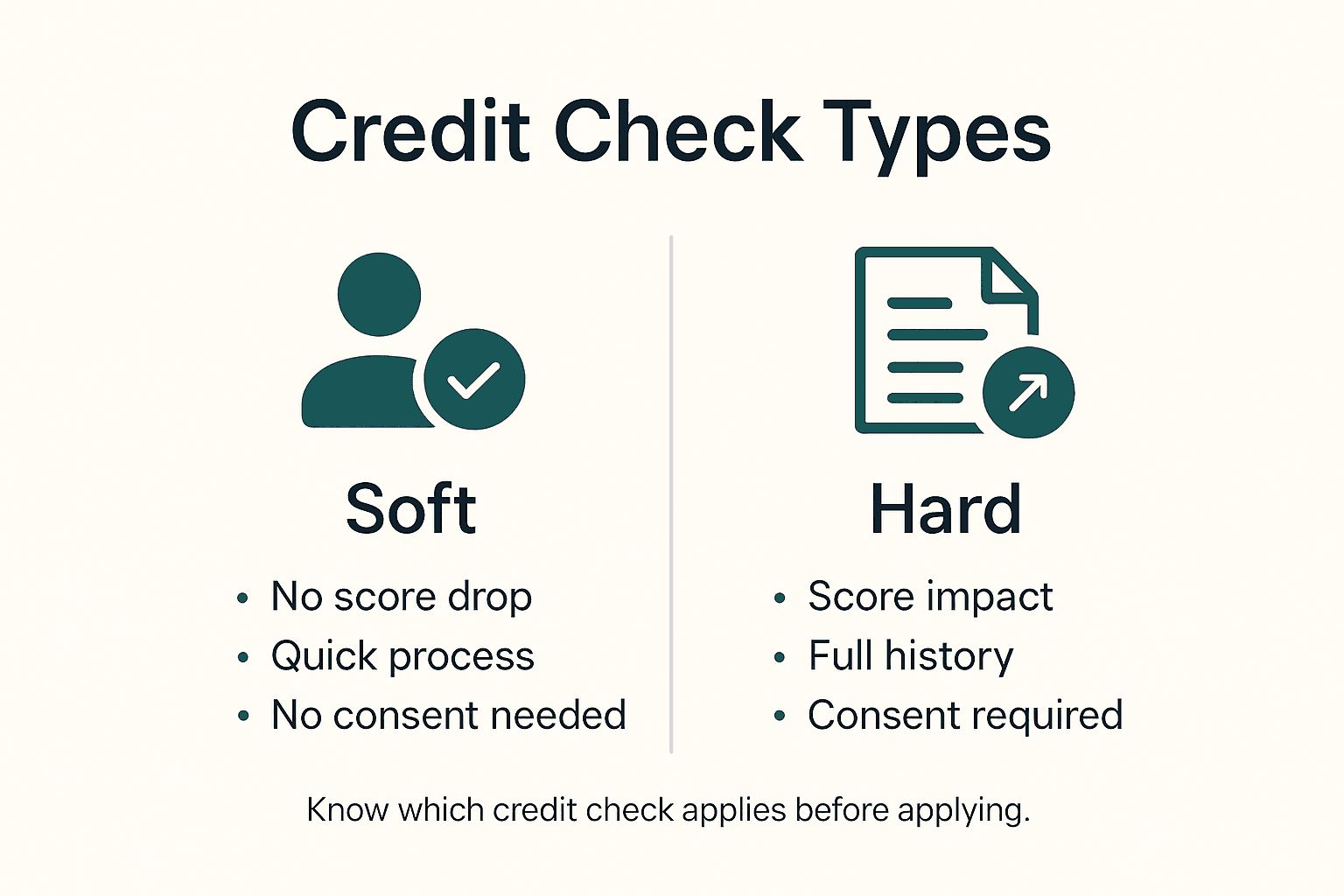
Landlords employ multiple types of credit checks when screening potential tenants, with each method serving a specific purpose in assessing financial reliability. Soft credit checks are the most common screening technique used by property managers in Boca Raton, providing a comprehensive overview of an applicant’s financial health without negatively impacting their credit score.
Soft Credit Checks provide a snapshot of your credit profile without generating a hard inquiry. These checks allow landlords to review your credit score, payment history, and overall financial stability quickly and efficiently. Key elements typically examined include:
- Credit score
- Total outstanding debt
- Payment consistency
- Current credit accounts
Hard Credit Checks are more intensive and require explicit consent from the applicant. These comprehensive screenings involve a deeper review through major credit bureaus like Experian, TransUnion, and Equifax. Unlike soft checks, hard checks can temporarily impact your credit score and are generally used when a landlord needs a more detailed financial assessment.
For young professionals and Florida Atlantic University students, understanding the difference between soft and hard credit checks can help you navigate the rental application process more strategically. By maintaining a strong credit history and being prepared with necessary documentation, you can improve your chances of securing your desired apartment.
Pro tip: Request that potential landlords specify which type of credit check they will conduct to understand any potential impact on your credit score.
Here’s a comparison of soft versus hard credit checks to help you understand their main distinctions:
| Feature | Soft Credit Check | Hard Credit Check |
|---|---|---|
| Impact on Score | No effect | May lower temporarily |
| Applicant Consent | Often implied | Explicitly required |
| Information Depth | Basic financial overview | Detailed financial history |
| Typical Usage | Initial screening | Final approval stage |
| Who Performs It | Landlords, employers | Landlords, lenders |
| Time Needed | Instant or brief | May take several days |
How Florida’s Laws Shape Screening
Florida’s tenant screening laws create a comprehensive framework designed to protect both landlords and prospective renters during the application process. These regulations integrate federal statutes like the Fair Credit Reporting Act and Fair Housing Act with state-specific guidelines to ensure transparent, fair, and consistent screening practices across the state.
The legal landscape for rental applications in Florida mandates several critical protections for applicants:
- Requirement for written consent before conducting credit checks
- Prohibition of discriminatory screening practices
- Mandatory disclosure of screening criteria
- Protection of applicant personal information
- Transparent adverse action notification processes
Consent and Transparency are fundamental principles underlying Florida’s screening regulations. Landlords must follow strict guidelines when evaluating potential tenants, including obtaining explicit written permission before accessing an applicant’s credit information and providing clear explanations for any potential rejection.

For young professionals and Florida Atlantic University students navigating the Boca Raton rental market, understanding these legal protections is crucial. These laws ensure that your application will be evaluated fairly, with consistent standards applied across all potential tenants.
Pro tip: Always request a written explanation of screening criteria and keep copies of all application documentation to protect your rights during the rental application process.
This summary table highlights major protections for Florida renters during screening:
| Protection Focus | What It Means | Impact for Applicants |
|---|---|---|
| Written Consent | Must sign before credit check | Ensures transparency |
| Non-Discrimination | Screening must follow legal guidelines | Prevents bias |
| Adverse Action Notice | Applicants get reasons for denial | Enables dispute of errors |
| Privacy Requirements | Landlords secure financial info | Keeps sensitive data safe |
Key Factors Landlords Evaluate
Landlords conduct comprehensive evaluations of rental applicants, carefully analyzing credit reports to assess financial reliability. This process goes far beyond simply checking a credit score, involving a detailed examination of an applicant’s financial history, payment patterns, and potential risk factors.
The critical factors landlords typically scrutinize include:
- Payment Consistency: History of on-time bill payments
- Debt-to-Income Ratio: Total outstanding debts compared to monthly income
- Credit Score: Overall financial health indicator
- Collections and Delinquencies: Past financial challenges
- Employment Stability: Consistent income source
- Rental History: Previous landlord references and rental performance
Financial indicators provide a nuanced picture of an applicant’s reliability. High debt levels, frequent late payments, or multiple collections can signal potential risks, while managed debt and consistent payment histories demonstrate financial responsibility. Young professionals and Florida Atlantic University students should understand that landlords are looking for evidence of financial stability and predictable income.
Navigating Boca Raton’s Apartment Lease Agreements can help applicants better understand the screening process and prepare more compelling rental applications.
Pro tip: Proactively address potential credit concerns by obtaining a free credit report, resolving any outstanding issues, and preparing a clear explanation for any past financial challenges.
Tenant Rights and Common Pitfalls
Florida tenant screening laws protect applicants through comprehensive legal safeguards that ensure fair and transparent rental application processes. These regulations are designed to prevent arbitrary discrimination and protect personal information while maintaining clear standards for landlords and prospective tenants.
Key tenant rights in the screening process include:
- Right to written consent before credit checks
- Expectation of clear, consistent screening criteria
- Protection against discriminatory practices
- Confidentiality of personal financial information
- Right to receive adverse action notifications
- Ability to dispute inaccurate credit report information
Common pitfalls for rental applicants can derail even the most promising application. Screening processes often involve complex legal requirements that can catch inexperienced renters off guard. Young professionals and Florida Atlantic University students should be particularly vigilant about potential issues like:
- Incomplete application documentation
- Unresolved credit report errors
- Insufficient income verification
- Lack of rental history documentation
- Inconsistent employment records
Understanding these rights and potential challenges can significantly improve your chances of successfully navigating the rental application process in Boca Raton. Preparation and attention to detail are key to demonstrating your reliability as a potential tenant.
Pro tip: Maintain a comprehensive application folder with recent pay stubs, employment verification, references, and a clean copy of your credit report to streamline the screening process.
Navigate Boca Raton’s Rental Market with Confidence at Cynthia Gardens
Understanding the impact of a credit check on your rental application can feel overwhelming, especially for young professionals and students. Key challenges like managing your credit score, providing accurate documentation, and knowing your rights demand clarity and support. At Cynthia Gardens, we recognize these pain points and offer a transparent, tech-forward leasing experience designed to make your apartment search stress-free. Our commitment to no hidden fees and clear communication means you can focus on what matters most—finding a reliable and affordable home.
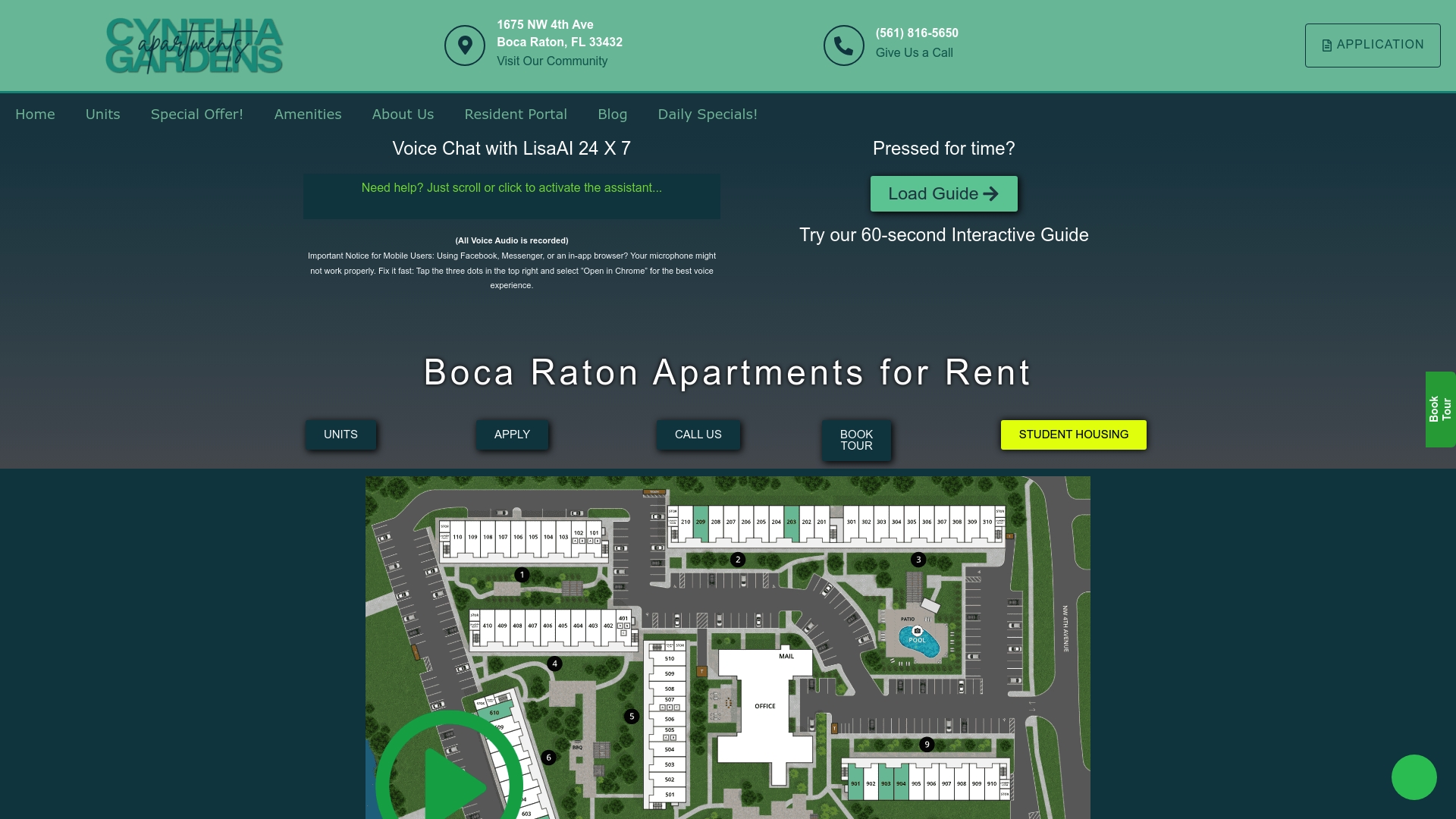
Take control of your rental journey by exploring our modern one-bedroom apartments at Cynthia Gardens. We streamline the application process with AI chat support and virtual tours so you can quickly assess your options with confidence. Learn more about our community and lease agreements by visiting Navigating Boca Raton’s Apartment Lease Agreements and see why Cynthia Gardens is the smart choice for renters facing credit screening challenges. Start your hassle-free lease application today by heading to our main site and discover the difference a supportive rental community can make.
Frequently Asked Questions
What is a credit check for renters?
A credit check is a screening process used by landlords to evaluate potential tenants’ financial reliability by examining their credit histories, including credit scores, payment history, and outstanding debts.
How do soft and hard credit checks differ?
Soft credit checks provide a basic overview of your credit profile without affecting your credit score, while hard credit checks require explicit consent and give a more in-depth review, potentially impacting your score temporarily.
What information do landlords look for in a credit report?
Landlords typically examine factors like payment consistency, total outstanding debt, credit score, history of late payments, and employment stability when evaluating rental applications.
What are my rights as a renter during the credit check process?
As a renter, you have the right to written consent before credit checks, clear screening criteria, protection against discriminatory practices, and the ability to dispute inaccuracies in your credit report.
Recommended
- rental apartments in boca raton – Luxury Apartments for Rent in Boca Raton | Premium Boca Raton Apartments | Aapartments Boca Raton
- Apartments for Rent in Boca Raton, FL – Discover Your Ideal Home Today – Luxury Apartments for Rent in Boca Raton | Premium Boca Raton Apartments | Aapartments Boca Raton
- Navigating Boca Raton’s Apartment Lease Agreements – What You Need To Know – Luxury Apartments for Rent in Boca Raton | Premium Boca Raton Apartments | Aapartments Boca Raton
- Apartments for Rent in Boca Raton, FL – Luxury Apartments for Rent in Boca Raton | Premium Boca Raton Apartments | Aapartments Boca Raton