
Table of Contents
- What Is Security Deposit Interest and Why It Matters
- Florida Security Deposit Interest Law: What Renters Need to Know
- How to Calculate Security Deposit Interest in Florida
- Florida Security Deposit Return Deadline and Interest Payment Timeline
- When Landlords Fail to Pay: Using a Florida Security Deposit Demand Letter Template
- Steps to Claim Your Security Deposit Interest
- Common Mistakes Renters Make With Security Deposits
- Conclusion
- Frequently Asked Questions
Last Updated: October 19, 2026
What Is Security Deposit Interest and Why It Matters
Security deposit interest is money that landlords earn when they hold your rental deposit in an account. It’s not a huge amount, but it’s your money, and you have the right to claim it.
Here’s why this matters: landlords hold thousands of dollars in deposits. That money sits in bank accounts and earns interest. Many renters don’t know they’re entitled to that interest. Some landlords count on renters not asking for it. Understanding your rights protects your wallet and ensures you get paid what you’ve earned.
At Cynthia Gardens, we believe renters deserve to understand every aspect of their lease and financial obligations. Knowing your rights regarding security deposit interest is part of being an informed renter.
Florida Security Deposit Interest Law: What Renters Need to Know
Florida law requires landlords to pay interest on security deposits held for more than one year. This is a specific legal requirement that many renters overlook. The state treats security deposits as trust funds, not landlord income.
Here’s what Florida law says:
- Landlords must hold deposits in an escrow account or trust account
- Interest must be paid annually if the deposit is held longer than one year
- The interest rate is set by Florida statute
- Landlords cannot keep the interest as a fee or charge
The key detail: Florida law applies to residential tenancies. If you rent an apartment or house in Florida, this law protects you. Landlords who fail to follow these rules can face penalties.
One common mistake is assuming your landlord automatically knows the law. That’s why tracking your own deposit and knowing your rights matters. You may need to request the interest yourself when you move out.
If your lease is silent on interest, Florida law fills in the gap. The statute requires payment regardless of what your lease says. This is a tenant protection that stands above lease language.
How to Calculate Security Deposit Interest in Florida
Calculating security deposit interest is straightforward once you know the formula. You need three pieces of information: the deposit amount, the interest rate, and how long the deposit was held.
The basic calculation:
- Deposit amount × Annual interest rate ÷ 12 months × Number of months held = Interest owed
Example: If you paid a $1,200 deposit and it was held for 18 months, multiply $1,200 by the current Florida interest rate, divide by 12, then multiply by 18 months.
The tricky part is finding the correct interest rate. You’ll need to check what the rate was during your tenancy. The landlord should have this information or you can request it in writing.
Many renters make the mistake of not tracking when their deposit was placed in the account. Keep records of:
- The exact date you paid the deposit
- The amount paid
- Any documentation showing when the landlord placed it in escrow
Without these dates, calculating the interest becomes difficult. Landlords sometimes claim they don’t have records, but you can provide yours. If the deposit was held longer than one year, you definitely earned interest.
Another mistake: assuming the landlord will volunteer this information. Most won’t. You need to ask directly and get it in writing. A simple email requesting the interest calculation and proof of payment is your starting point.
Florida Security Deposit Return Deadline and Interest Payment Timeline
Florida law sets specific deadlines for returning deposits and paying interest. Missing these deadlines gives renters legal grounds to demand payment plus penalties.
The timeline:
- Landlord has 30 days from move-out to return your deposit
- Interest must be included in that return if the deposit was held over one year
- If the landlord makes deductions, they must provide an itemized list
- If they don’t follow the timeline, you can pursue legal action
The 30-day window starts the day you move out, not the day you notify the landlord. Mark that date clearly. If day 31 passes without a check, the landlord is in violation of Florida law.
Many landlords delay returns by claiming they need time to inspect the unit or handle repairs. While inspections are reasonable, they don’t extend the 30-day deadline. If the landlord can’t meet the deadline, they should communicate that to you in writing before day 30.
Interest payment is not optional after the one-year mark. If your deposit was held 13 months, the interest is owed. If it was held 25 months, the interest is owed. There’s no “we forgot” exception in Florida law.
When the landlord returns your deposit, check the calculation. Many returns include the deposit amount but omit the interest entirely. Verify the math yourself. If something’s missing, send a written demand immediately.
When Landlords Fail to Pay: Using a Florida Security Deposit Demand Letter Template
If your landlord refuses to return your deposit or pay the interest you’re owed, a written demand letter is your next step. This letter creates a paper trail and often motivates quick payment.
What to include in your demand letter:
- Your name and current address
- The property address and lease dates
- The original deposit amount
- The calculated interest owed
- The date you requested the return
- A specific deadline for payment (typically 7-10 days)
- A statement that you’ll pursue legal action if not paid
Keep the tone professional and factual. Avoid anger or threats. Stick to the facts: dates, amounts, and what Florida law requires. Send this letter via email and certified mail. Keep copies of everything.
Here’s a template you can adapt:
[Your Name]
[Your Current Address]
[Date]
[Landlord/Property Manager Name]
[Property Address]
RE: Demand for Return of Security Deposit and Accrued Interest
Dear [Landlord Name]:
I rented the property at [property address] from [move-in date] to [move-out date]. Upon move-out, I provided you with a forwarding address for return of my security deposit in the amount of [deposit amount].
As of today’s date, I have not received my deposit or any accounting of deductions. Under Florida Statute 83.49, you are required to return my deposit within 30 days of move-out, including any accrued interest for deposits held longer than one year.
My deposit was held for [number of months] months. The interest owed at the current Florida rate is [calculated interest amount].
I request full payment of $[total amount] by [date 7-10 days from letter date]. Payment should be sent to [your address].
If I do not receive payment by this date, I will pursue legal action to recover the deposit, interest, and any applicable penalties under Florida law.
Sincerely,
[Your Signature]
[Your Printed Name]
Send this letter certified mail with return receipt requested. Email it as well. Document everything. If the landlord ignores this demand, you have grounds to file in small claims court.
Steps to Claim Your Security Deposit Interest
Claiming your security deposit interest requires action. Landlords don’t volunteer this money. Here’s how to get what’s owed to you.
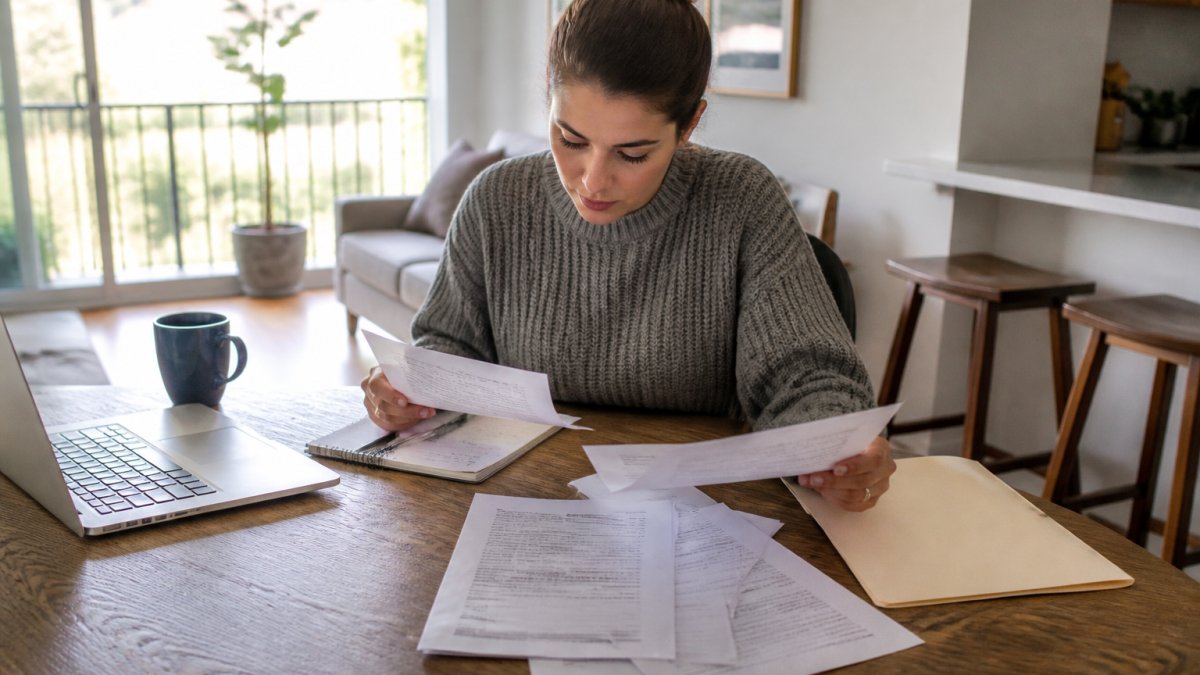
Step 1: Review your lease and move-out documentation
Find your original lease and any move-out inspection reports. Look for language about deposit handling and interest. Check your move-out date. Calculate how many months your deposit was held. This is your foundation.
Step 2: Determine the interest rate that applied
Contact your former landlord or property management company. Ask for the interest rate that applied during your tenancy. Request this in writing.
Step 3: Calculate the interest owed
Use the formula: Deposit amount × Interest rate ÷ 12 × Number of months held. Write this calculation down. Double-check your math.
Step 4: Request the return in writing
Send an email or letter to the landlord requesting your deposit and accrued interest. Be specific about the amount and include your calculation. Ask for payment within 7 days.
Step 5: Follow up if you don’t receive payment
If 7 days pass without payment, send the formal demand letter. Use certified mail so you have proof of delivery. This creates a documented attempt to resolve the issue before legal action.
Step 6: File in small claims court if necessary
If the demand letter doesn’t work, file a claim in your county’s small claims court. Bring your lease, move-out documentation, correspondence with the landlord, and your interest calculation.
Most landlords pay once they receive a formal demand letter. They know Florida law supports your claim. If yours doesn’t, small claims is a straightforward process that doesn’t require an attorney.
Common Mistakes Renters Make With Security Deposits
Understanding common mistakes helps you avoid them. Many renters lose money simply because they don’t know what to watch for.
Mistake 1: Not tracking the deposit date
Renters often can’t remember exactly when they paid the deposit. Without this date, calculating interest becomes difficult. Save your move-in paperwork. Note the deposit date in your calendar or phone.
Mistake 2: Assuming the landlord will volunteer interest
Landlords almost never mention interest unprompted. They hope renters won’t ask. You must request it explicitly. Don’t assume it will appear on your final check.
Mistake 3: Not requesting an itemized deduction list
If the landlord deducts money from your deposit, they must provide an itemized list showing what was deducted and why. If you don’t get this list, request it.
Mistake 4: Missing the 30-day deadline
If 30 days pass without your deposit return, the landlord is violating Florida law. Don’t wait longer hoping it will arrive. Send a written demand immediately. Waiting weakens your position.
Mistake 5: Not keeping copies of everything
Renters often discard lease documents after moving. Keep everything: your lease, move-out inspection reports, photos of the unit condition, emails with the landlord, and any correspondence about the deposit.
Mistake 6: Accepting a partial return without explanation
If your landlord returns less money than your deposit, ask why. Request an itemized accounting.
Mistake 7: Not following up in writing
Phone calls and verbal requests don’t create a paper trail. Everything related to your deposit should be in writing. Send emails, use certified mail, and keep records.
When you’re moving out of an apartment in Boca Raton or anywhere in Florida, protecting your deposit is essential. Avoid them by staying organized and communicating in writing.
Conclusion
Your security deposit interest is your money. Florida law protects your right to receive it. Understanding the rules, calculating what you’re owed, and following the proper steps ensures you get paid.
The process is straightforward: track your deposit, calculate the interest, request payment in writing, and escalate if necessary. Those who don’t can be pursued through small claims court.
As you search for your next apartment in Boca Raton, remember that quality landlords respect tenant rights and follow the law. At Cynthia Gardens, we believe in transparent, fair dealings with our residents. Our commitment to refined, welcoming living includes respecting every aspect of your tenancy, from lease terms to deposit handling.
If you’re looking for an apartment community that prioritizes transparent operations and resident respect, Florida’s security deposit statutes provide the full legal framework. For more guidance, consult the Florida Department of Business and Professional Regulation tenant resources. Additional support is available through local tenant advocacy organizations, which offer free guidance on renter rights throughout the state.
| Common Deposit Issues | What to Do | Timeline |
|---|---|---|
| Deposit not returned | Send written demand letter | Within 7 days of move-out |
| Interest not included | Request calculation and proof | Before 30-day deadline |
| Deductions without itemization | Request itemized list | Immediately upon return |
| Partial payment with no explanation | Demand full accounting | Within 7 days |
| No response to written requests | File small claims court case | After demand letter ignored |
Frequently Asked Questions
Are Florida landlords required to pay interest on security deposits?
Yes. Florida law requires landlords to pay interest on security deposits held for more than one year. The interest rate is set annually. Landlords must pay this interest when they return your deposit at the end of your tenancy.
How is security deposit interest calculated in Florida?
To calculate your interest, multiply your deposit amount by the annual interest rate, then divide by 12 for each month the deposit was held.
What should I do if my landlord doesn’t return my security deposit interest?
First, send a written demand letter requesting the interest owed, referencing Florida’s security deposit laws. If the landlord doesn’t respond within 30 days, you can file a claim in small claims court. Document all communications and keep copies of your lease and deposit receipts.
What is the deadline for a Florida landlord to return a security deposit and interest?
Florida law requires landlords to return security deposits within 30 days after you move out, along with any interest owed and an itemized list of deductions if applicable.