
TL;DR:
- Pet screening is a formal evaluation where landlords assess a pet’s breed, size, behavior, and health records before approval. It creates a clear process that protects tenants’ rights while reducing property damage and liability concerns. Proper preparation, documentation, and transparency significantly increase the chances of pet approval in rentals.
If you have a pet and you’re looking for a new apartment, you’ve probably run into the term pet screening. Many renters assume it’s just a quick checkbox on a lease form. It’s not. Understanding what is pet screening in rentals, and how it actually works, can be the difference between getting approved and losing a home you love. This guide breaks down the process, what landlords evaluate, your legal rights, and exactly how to set your pet up for approval from the start.
Table of Contents
- Key Takeaways
- What is pet screening in rentals and why it matters
- The pet screening process, step by step
- Benefits of pet screening for renters and landlords
- How to prepare your pet for a successful screening
- Legal protections for assistance animals
- My take on what renters get wrong about pet screening
- Ready to find your pet-friendly home in Boca Raton?
- FAQ
Key Takeaways
| Point | Details |
|---|---|
| Pet screening is a formal evaluation | Landlords assess your pet’s breed, size, behavior, and health records before approving tenancy. |
| Documentation matters most | Vaccination records, vet history, and behavioral references significantly improve your approval odds. |
| Assistance animals are legally protected | Service and emotional support animals cannot be denied or charged pet fees under Fair Housing laws. |
| Preparation beats luck | A well-organized pet resume and proactive communication are your strongest tools for approval. |
| Pet fees must be disclosed upfront | Approved tenants typically receive a pet addendum outlining deposits, rent additions, and damage rules. |
What is pet screening in rentals and why it matters
Pet screening is a formal evaluation process landlords use to assess whether a tenant’s pet is suitable for a specific rental property. Think of it as a background check for pets: a structured review of your animal’s breed, size, behavior history, vaccination status, and overall temperament before the landlord gives the green light.
This process is separate from your own tenant screening. You might have perfect credit and glowing references, but if your dog has a history of aggression or your cat is an unregistered exotic breed, the property could still deny your application. Pet screening focuses entirely on the animal.
Why do landlords care so much? The reasons are practical. Properties that skip thorough pet screening often deal with significant damage costs, noise complaints from neighbors, and liability issues tied to animal behavior. Screening identifies behavioral red flags like aggression or excessive barking before a lease is signed, which protects everyone in the building.
Here is what landlords typically evaluate during a pet screening:
- Breed and size. Many properties have restrictions informed by insurance policies and local regulations. Large breeds or breeds flagged as high-risk may be excluded entirely.
- Weight limits. A 20-pound cap is common in smaller apartment communities.
- Vaccination and health records. Up-to-date shots and a recent vet checkup signal responsible ownership.
- Behavioral history. Any documented incidents of biting, aggression, or property destruction are red flags.
- Number of pets. Most properties set a cap, often one or two animals per unit.
Pro Tip: Before you fall in love with an apartment, ask the leasing office for their full pet policy in writing. Knowing breed restrictions and size limits upfront saves you from wasting time on applications you can’t pass.
The pet screening process, step by step
Once you find a rental that accepts pets, here is what the actual process typically looks like:
-
Submit a pet application. This is a dedicated form separate from your rental application. You’ll document your pet’s name, species, breed, weight, age, and temperament. Pet applications also ask for vaccination records and any behavioral history, similar to how tenant screening forms work.
-
Provide veterinary records. Your vet’s contact information and your pet’s health file are standard requirements. Landlords want to confirm that your pet is spayed or neutered (in many cases), up to date on vaccinations, and in good health.
-
Supply behavioral references. A previous landlord, dog trainer, or long-time neighbor who can vouch for your pet’s temperament carries real weight. This is where a pet resume becomes valuable.
-
Attend a pet interview. Some landlords or property managers conduct in-person or virtual meetings to see your pet directly. This helps them verify the profile you submitted and get a sense of the animal’s actual behavior.
-
Wait for an approval decision. The landlord reviews everything and either approves, conditionally approves, or denies your pet. Conditional approval might mean a higher deposit or additional restrictions.
-
Sign a pet addendum. If approved, you’ll receive a separate legal document outlining fees, damage responsibilities, and conduct rules specific to your pet. Read this carefully. It’s legally binding.
One thing renters often overlook: the pet addendum is where the financial terms live. Some landlords separate pet approval from fees entirely, then detail everything in that addendum. Make sure you understand every line before you sign.
Benefits of pet screening for renters and landlords
Most renters view pet screening as a hurdle. Flip that perspective and you’ll see it’s actually working in your favor too.

For landlords, the advantages are obvious. Screening reduces noise complaints, property damage, and neighbor disturbances caused by pets that weren’t properly vetted. A calmer building means fewer headaches for everyone.
For renters, the benefits are just as real:
- You get clarity upfront. Once your pet passes screening, you know exactly what is allowed and what is not. No ambiguity mid-lease about whether your dog is too loud or your cat scratches the wrong surfaces.
- Your rights are protected. A formal screening process creates a paper trail. If a landlord tries to add restrictions after the fact, you have documentation of what was agreed upon.
- Financial terms are set in stone. Pet screening locks in your pet deposit requirements and any monthly pet rent before you move in. No surprise charges appear on your statement three months later.
- It builds trust with your landlord. Clear pet policies and screening reduce disputes and create a foundation of honest communication from day one.
“Pet screening is not just about protecting the property. It’s about setting expectations so both the renter and the landlord know exactly what they’re agreeing to.”
That trust matters more than people realize. Landlords who feel confident in your pet are more likely to renew your lease, work with you if an issue arises, and be flexible when you need them to be.
How to prepare your pet for a successful screening
Getting approved isn’t about luck. It’s about showing up organized and transparent. Here’s what you should have ready before you submit anything:
- Complete vaccination records. Get copies from your vet. Rabies, distemper, and any other required vaccines should be current and documented on official letterhead.
- A written vet reference. A brief note from your veterinarian confirming your pet’s health, temperament, and any relevant history goes a long way.
- A pet resume. Yes, this is a real thing. A pet resume with references that includes behavioral notes and vet records measurably improves your screening outcome. List your pet’s name, breed, age, weight, training history, and two or three references who can speak to behavior.
- Training certificates. If your dog has completed obedience training or a canine good citizen program, include that documentation. It signals that you’re a responsible owner.
- Photos of your pet. Some landlords appreciate seeing the animal before an interview. A few calm, friendly photos help humanize the application.
Pro Tip: Reach out to the property manager before submitting your application. Introduce yourself, mention your pet, and ask if there are any specific concerns you can address in advance. Proactive communication signals responsibility before any form is even filed.
When it comes to virtual or in-person pet interviews, set the stage. Bring your pet at a time when they’re calm, not right before feeding or during an anxious period. Let the animal interact naturally rather than trying to micromanage their behavior. Authenticity reads better than a performance.
Legal protections for assistance animals
This is where renters often run into serious misunderstandings. If you have a service animal or an emotional support animal, the rules are completely different.
Fair Housing laws protect tenants with assistance animals from pet fees and discrimination, even when a property has a strict no-pets policy. Your assistance animal is not classified as a pet under federal law. That means pet deposits and monthly pet rent do not apply.
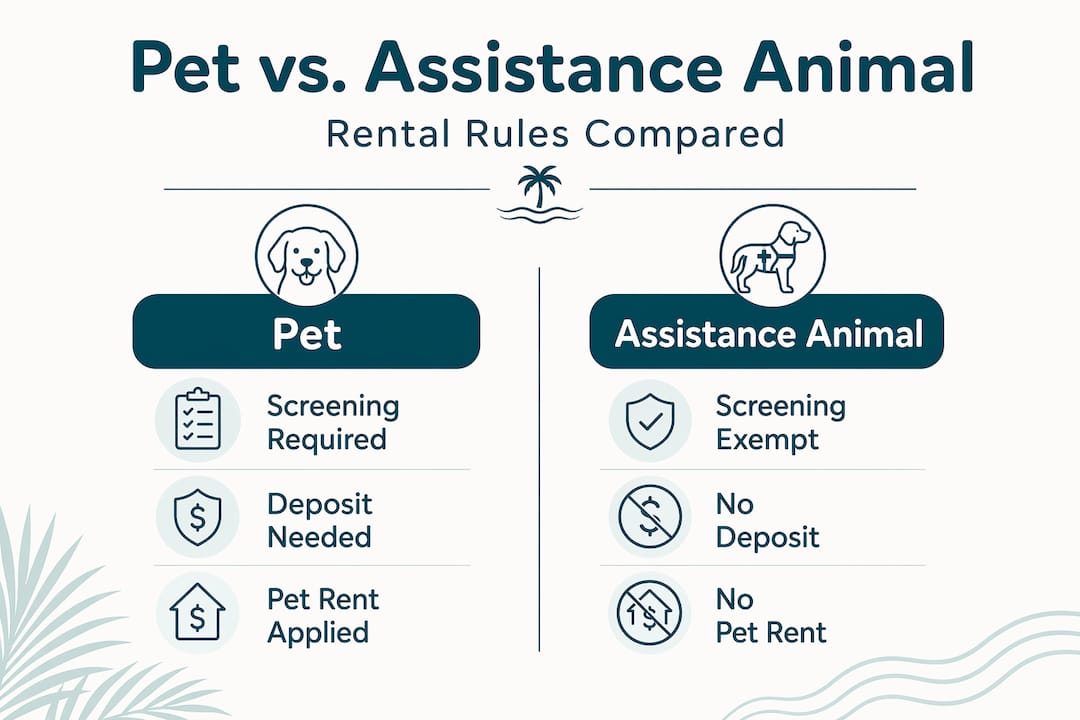
Here’s how it breaks down in practice:
| Animal type | Subject to pet screening | Pet deposit required | Pet rent applies |
|---|---|---|---|
| Standard pet (dog, cat, etc.) | Yes | Usually yes | Often yes |
| Service animal | No standard screening | No | No |
| Emotional support animal | Limited documentation only | No | No |
Landlords can ask for documentation that confirms the need for an emotional support animal, typically a letter from a licensed mental health professional. But they cannot require more than that. They cannot demand access to your full medical records, require breed evaluations, or apply the same screening criteria used for pets.
Misunderstandings about assistance animal rules are unfortunately common, and they can lead to unlawful requests. Knowing the distinction protects you from paying fees you don’t legally owe.
My take on what renters get wrong about pet screening
I’ve seen a lot of renters approach pet screening the same way: they fill out the form, attach a vet record, and wait. That’s the minimum. The problem is that when landlords are comparing multiple applicants, minimum effort doesn’t separate you from the pack.
In my experience, the renters who struggle most with pet screening are the ones who treat it as a bureaucratic obstacle rather than an opportunity. It’s a chance to introduce your pet, demonstrate your responsibility as an owner, and build goodwill with a landlord before you’ve even moved in.
The biggest pitfall I’ve seen? Failing to disclose something early that comes out later. A prior incident, a breed that falls into a gray area, a second animal you “forgot” to mention. Landlords find out. And when they do, it damages trust in a way that affects the entire tenancy. Transparency upfront is always the smarter play.
Pet screening done right benefits everyone long-term. A landlord who trusts your pet is more likely to renew your lease, stay flexible on minor issues, and treat you like a partner rather than a liability.
— Ayman
Ready to find your pet-friendly home in Boca Raton?
If you’ve been researching the pet screening process to find a home where your pet is genuinely welcome, not just tolerated, Cynthiagardens is worth a look.
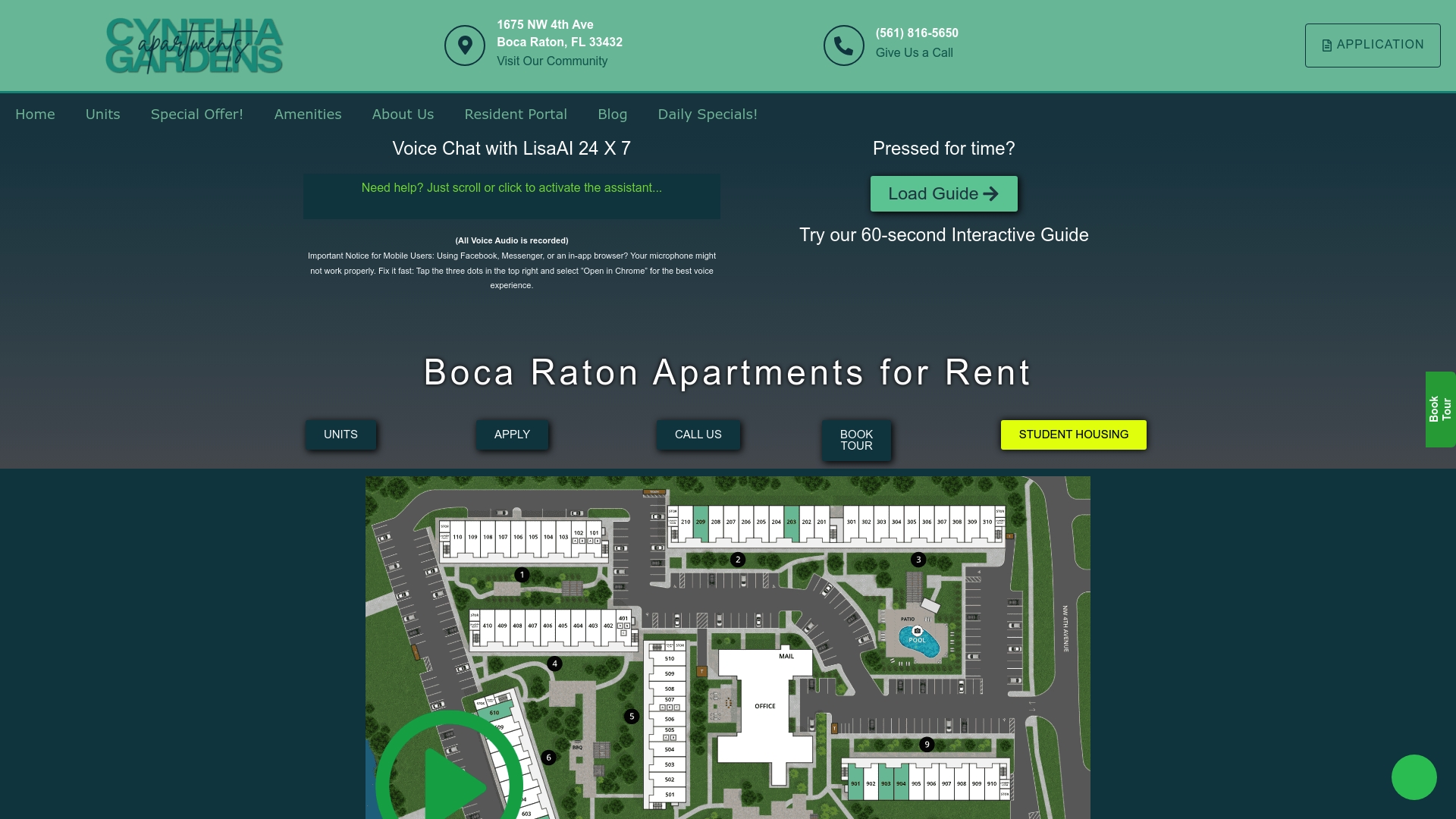
Cynthiagardens is a modern apartment community in Boca Raton offering transparent pet policies with no hidden fees. You can explore pet-friendly apartments in Boca built specifically to accommodate pet owners with clear guidelines and fair deposit structures. For renters still figuring out the financial side, the pet deposit guide on the Cynthiagardens site covers your rights and what to expect at every step. Your pet deserves a home as much as you do.
FAQ
What does pet screening involve in a rental?
Pet screening is a formal evaluation where landlords review your pet’s breed, size, vaccination history, behavioral record, and references to decide if the animal is suitable for the property.
Can a landlord deny my pet after screening?
Yes. Landlords can deny a pet based on breed restrictions, size limits, behavioral history, or property insurance requirements, as long as the denial does not violate Fair Housing laws.
Do I pay a pet deposit even if my pet passes screening?
In most cases, yes. Pet deposit requirements and any monthly pet rent are typically detailed in a pet addendum signed after your pet is approved.
Are emotional support animals exempt from pet screening?
Emotional support animals are not subject to standard pet screening. Landlords may only request documentation confirming the need for the animal, and they cannot charge pet fees or apply breed restrictions to these animals.
How long does pet screening usually take?
Most pet screening decisions happen within a few business days of submitting your pet application, documentation, and any required references or interview.
Recommended
- how to find pet friendly apartments: A Quick Guide – Luxury Apartments for Rent in Boca Raton | Premium Boca Raton Apartments | Aapartments Boca Raton
- Navigating Your Apartment Pet Policy – Luxury Apartments for Rent in Boca Raton | Premium Boca Raton Apartments | Aapartments Boca Raton
- Pet owner apartment checklist for safe, affordable living
- Rental pet agreements: A Boca Raton renter’s guide