Yes, many apartment communities can require pet DNA registration for ordinary pets as part of a standard pet policy, but assistance and service animals are generally exempt under federal law. Registration typically supports waste enforcement and comes with a fee that is often bundled into existing pet charges. If you are asked to register, read your lease language first, request the written policy and privacy terms, and assert your accommodation rights if your animal qualifies as an assistance or service animal.
TL;DR:
- Before registering, check whether the lease makes registration mandatory, when enforcement begins, whether existing residents are exempt, and what proof is required before charges.
- If a match is reported, request the Match Certificate, chain of custody record, lab contact details, and dispute procedure before paying or accepting a charge.
- Qualifying assistance animals are not pets under federal housing guidance, so properties cannot charge pet fees or require paid DNA registration to keep them.
- Before consenting, ask how vendors limit DNA use, how long they retain profiles, whether they share data, and how you can request deletion.
Table of Contents
- How pet-waste DNA programs operate: sampling, registry, and matching
- Typical costs, fines, and enforcement workflows you should expect
- Legal limits and renter protections under HUD, ADA, and FTC rules
- How to evaluate a DNA registry vendor’s privacy and security before you consent
- Step-by-step actions when asked to register or when you receive a match
- Designing renter-friendly pet-DNA policies
- Pet-friendly one-bedroom apartments with transparent pet terms
- FAQ
- Sources
How pet-waste DNA programs operate: sampling, registry, and matching
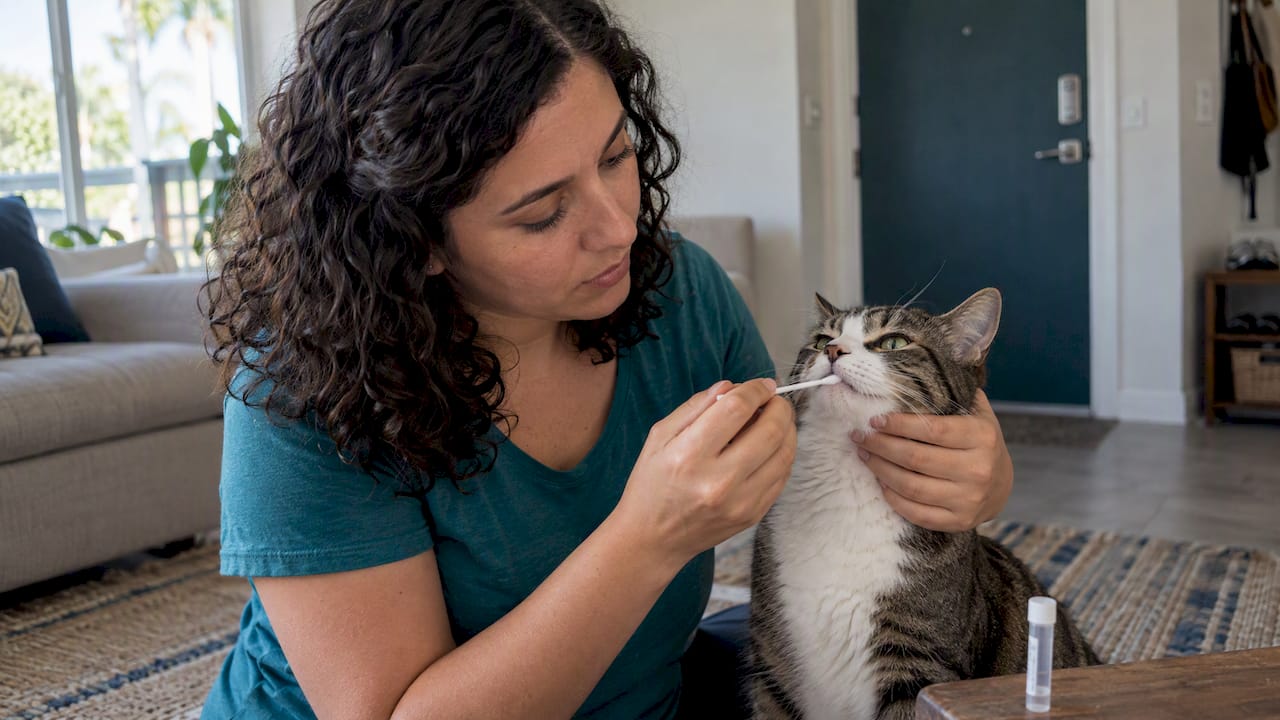
Pet DNA registration programs work in three stages. At move-in or during a scheduled registration event, staff collect a cheek swab from your pet, sometimes witnessed on-site to prevent contamination, and your pet’s genetic profile goes into a database maintained by the property or a third-party vendor. When waste turns up in a common area, a maintenance team or vendor collects a sample using a test kit, and the lab compares that sample against the registry.
A match generates a DNA Match Certificate, which the property can use as documentation before applying a fee or fine. This process identifies which registered animal left the waste; it does not profile breed, health conditions, or genetic predispositions. A peer-reviewed review of direct-to-consumer pet genetic testing notes that residents commonly misunderstand this distinction, since many assume these programs work like consumer breed-identification kits when they are built around identification-only markers instead.
- Registration: a cheek swab creates a reference profile stored in a database tied to your unit.
- Waste sampling: maintenance or a vendor collects an unclaimed sample and sends it to a lab.
- Matching: the lab compares markers against the registry and issues a certificate if there is a match.
Pro Tip: Ask whether your property witnesses swabs during a scheduled event rather than mailing a kit to your door; witnessed collection reduces disputes over sample integrity later.
Typical costs, fines, and enforcement workflows you should expect
Properties fund these programs in a few common ways — some even explore the best pet turf solutions for small spaces to reduce maintenance and improve pet areas. Some roll the registration fee into the pet fee checklist you already pay at move-in, others charge a separate one-time registration fee, and many phase in enforcement over several months to give residents time to comply before fines start.
Industry coverage on DNA-based waste programs explains that properties adopt these systems specifically to shift cleanup costs and responsibility back to pet owners, and many report meaningful drops in unscooped waste once residents know sampling is possible. Before you sign anything, look closely at how fees are labeled and timed.
- Check whether the lease calls it a “fine,” a “charge,” or an “administrative fee,” since each may carry different dispute rights.
- Ask if registration is mandatory now or phased in, and whether existing residents are grandfathered under old terms.
- Confirm what documentation, such as a Match Certificate, the property must produce before billing you.
- Find out the dispute window and whether you can request a re-test before a charge posts.
Enforcement thresholds also vary. Some communities fine on the first confirmed match, while others issue a warning letter before any charge appears on your account. Reading the apartment pet policy in full, rather than skimming the move-in packet, is the fastest way to know which model applies to you.
Legal limits and renter protections under HUD, ADA, and FTC rules
Federal law draws a clear line between pets and assistance animals, and that line matters for DNA registration. Under HUD’s Fair Housing Act guidance, housing providers cannot treat a qualifying assistance animal as a pet, and they cannot charge pet fees or deposits for that animal. A property can request documentation when the disability or the need for the animal is not obvious, but it cannot impose DNA registration fees as a condition of keeping a qualifying assistance animal.
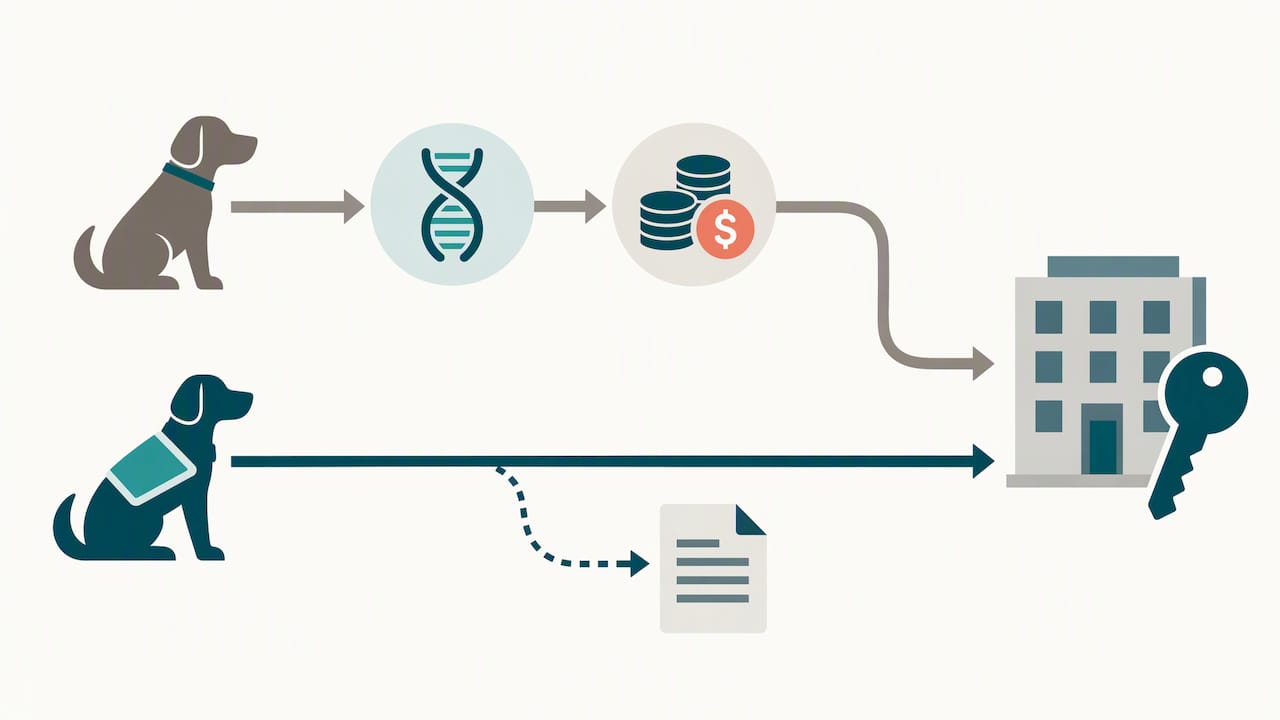
The ADA’s service animal rules apply a narrower definition, generally limited to dogs trained to perform specific tasks for a person with a disability. When a service animal’s status is not obvious, staff may only ask two questions: whether the animal is required because of a disability, and what task it has been trained to perform. They cannot demand DNA testing, certification, or proof of training as a condition of entry.
Assistance animals under these federal protections are a common arrangement in U.S. households, occurring frequently enough that housing providers routinely evaluate accommodation requests, according to HUD’s enforcement guidance, which outlines how often housing providers must evaluate these requests. The guidance reinforces that fee waivers and accommodation reviews are a routine, expected part of property management rather than a rare exception.
Beyond accommodation rights, the FTC’s guidance on genetic data privacy treats DNA information as highly sensitive and expects any company collecting it, including pet DNA vendors, to maintain strong security, limit data use to its stated purpose, and obtain real, informed consent rather than consent buried in fine print.
- If you believe a property mishandled your accommodation request, HUD’s regional Fair Housing office can review the complaint.
- A local fair-housing agency can often mediate faster than a federal complaint process.
- An attorney experienced in housing law is worth consulting if a property refuses to waive fees for a documented assistance animal.
How to evaluate a DNA registry vendor’s privacy and security before you consent
Before you swab your pet’s cheek, it is reasonable to ask the same questions you would ask any company collecting sensitive data. The FTC’s consumer alert on genetic information recommends reading privacy promises in full rather than assuming a vendor’s marketing claims match its actual practices.
- Check the privacy policy for purpose limitation: does it say the DNA data is used only for waste matching, or does it leave room for other uses?
- Look for a stated retention period and a process for requesting deletion once you move out or your pet passes away.
- Confirm whether the vendor shares data with third parties, and if so, under what conditions.
- Ask about security measures like encryption, restricted employee access, and a breach-notification commitment.
- Request written confirmation of the policy’s terms rather than relying on a verbal explanation from leasing staff.
Pro Tip: If a consent form is bundled into a long move-in packet with no separate signature line for DNA registration, ask for a standalone acknowledgment. A single blanket signature makes it harder to prove what you actually agreed to later.
Step-by-step actions when asked to register or when you receive a match
Before you consent, request the vendor’s privacy policy and the property’s written pet policy, and read the lease clause covering fees and fines closely. If you are notified of a match, ask in writing for the Match Certificate, the chain-of-custody record, the lab’s contact information, and the formal dispute procedure before paying anything.
If your animal qualifies as an assistance or service animal, assert your rights under the FHA and ADA, provide any documentation the property reasonably requests, and decline to pay pet fees tied to that animal. The questions for leasing pet owners checklist is a useful starting point for what to ask before you sign.
- Request written copies of both the vendor’s privacy policy and the property’s pet policy before registering.
- Ask for the Match Certificate and chain-of-custody documentation before accepting any charge.
- Keep records of every email, receipt, vet note, and witness-swab confirmation tied to your pet.
Designing renter-friendly pet-DNA policies
The best policies pair enforcement with transparency: clear fee disclosures, phased rollouts instead of overnight mandates, and accommodation exemptions stated plainly rather than buried in an appendix. That balance protects pet owners from surprise charges while still keeping common areas clean for everyone else.
— Ayman
Pet-friendly one-bedroom apartments with transparent pet terms
We built our pet policy around a simple idea: a one-time, non-refundable pet fee instead of ongoing pet rent, with no hidden charges layered on afterward. Our community keeps pricing clear from application to lease signing, so you know what to expect before you move in.
- We strive to publish our fee structure upfront rather than introducing new charges after you sign.
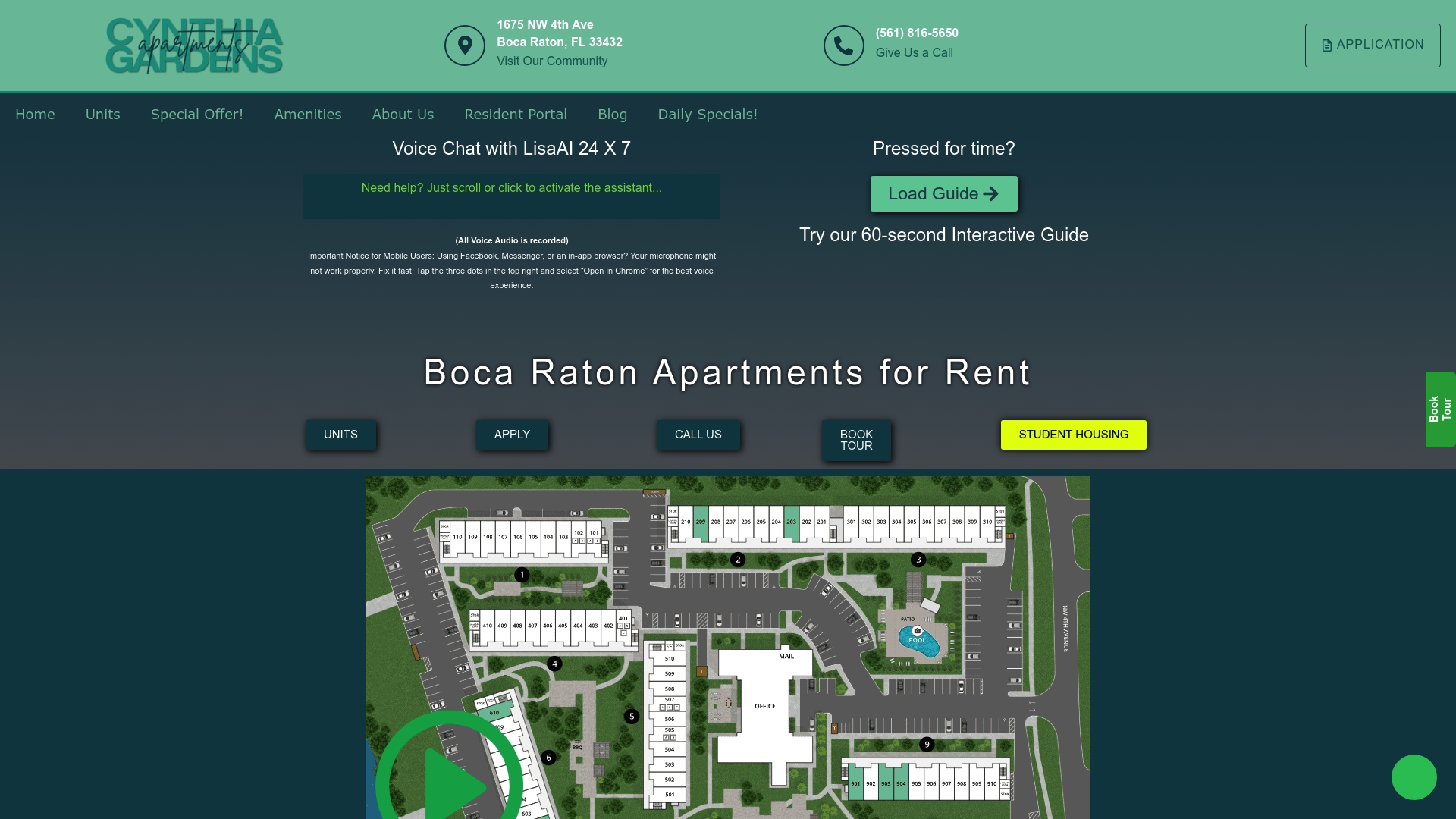
- We offer virtual tours and an interactive property map so you can evaluate options before committing.
- Our leasing team answers pet-policy questions directly through chat or voice support.
If you want to see current availability and pricing, browse our one-bedroom apartments and get your questions about pet terms answered before you apply.
FAQ
Why do apartment communities DNA test dogs?
Properties use DNA testing primarily to identify which pet left waste in common areas, since unscooped waste is a frequent source of resident complaints. Matching a sample to a registered profile lets management apply fees or fines based on documented evidence rather than guesswork, as industry reporting on these programs explains.
Which dog breeds are commonly restricted in apartment communities?
Breed restrictions vary widely by property and are not set by federal law, so you need to check each community’s specific pet policy rather than assume a standard list applies everywhere. Properties that restrict breeds typically base those rules on insurance requirements rather than government regulation.
What vaccination records do apartments typically require for pets?
Most communities ask for proof of current rabies vaccination and sometimes a broader vaccination record from your veterinarian before move-in. Requirements differ by property, so confirming the exact list with your leasing office before applying avoids delays.
How would my apartment know if I have an undisclosed pet?
Properties typically rely on resident reports, maintenance visits, or routine inspections to notice an undisclosed pet, rather than any automated detection system. Lease agreements usually require disclosing pets at move-in or shortly after acquiring one, and failing to do so can trigger fees or lease violations once discovered.
Can a property charge a DNA registration fee for my service animal?
No, under HUD’s Fair Housing Act guidance, a qualifying assistance animal cannot be charged a pet fee, which includes DNA registration costs tied to pet policies. You may still need to provide documentation if your disability or need for the animal is not obvious.
Sources
- Assessing a Person’s Request to Have an Animal as a Reasonable Accommodation Under the Fair Housing Act
- ADA requirements: Service animals
- FTC guidance on genetic data privacy
- How pet poop DNA testing fixes your apartment poop problem — Rental Housing Journal
- Analysis of direct-to-consumer pet genetic testing industry and consumer use