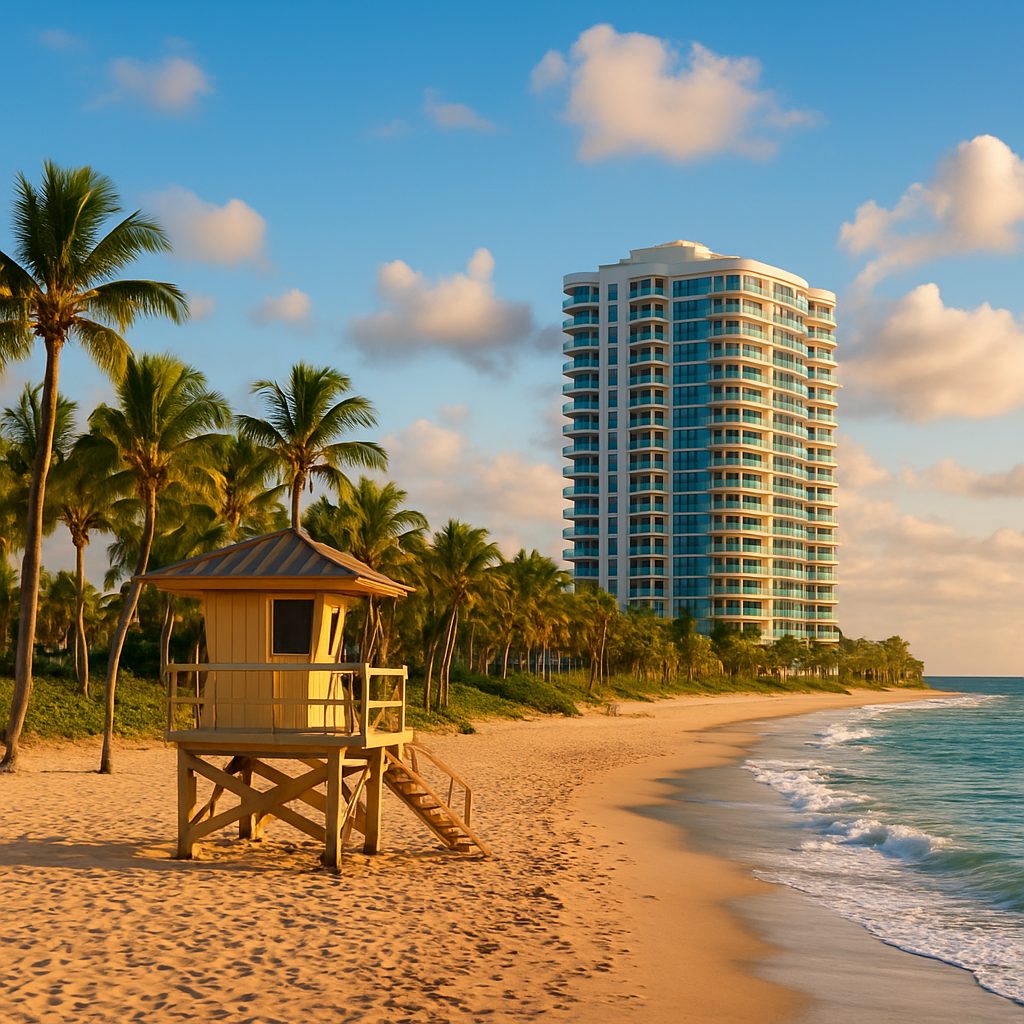
What It’s Really Like Living in Boca Raton: An Honest Renter’s Perspective
Living in Boca Raton looks glossy online; this is a renter reality check. I cover real monthly costs beyond base rent, neighborhood tradeoffs for students and early career professionals, commute realities, pet logistics, and how Cynthia Gardens examples show what included utilities and amenities actually buy you. Expect candid, street level guidance and concrete questions to ask on a tour so you do not sign a lease surprised.
Neighborhood snapshot: Where to live in Boca Raton and who fits each area
Quick reality: living in boca raton is not a single lifestyle — neighborhoods behave like different towns. Pick the area that matches the tradeoffs you can live with: pay more for walkability and beach access, or trade those for lower rent, easier parking, and roommate-friendly unit layouts.
- Mizner Park and Downtown Boca: Walkable, polished dining and events, quieter late at night. Best for early-career professionals who want restaurants, cafes, and errands within walking distance. Expect higher rents and limited street parking; many buildings charge for reserved spots.
- Boca Town Center and retail corridors: Convenient for jobs, shopping, and groceries. Mixed price points make this practical for someone who values short drives over walkability. Good option if you work retail, hospitality, or need easy access to malls and services.
- FAU area and West Boca: The most budget-conscious for students and roommates. Close to campus shuttle routes and student-oriented rental stock. Tradeoff: fewer walkable nightlife options and longer drives to beachside parks.
- Spanish River and East Boca: Closest to Red Reef Park and South Beach Park. Premium rents for waterfront properties and beach access. Choose this if living near beaches and outdoor activities is a top priority and you can absorb the cost.
- Suburban pockets (south of Yamato, small gated communities): Quiet and safe, often with on-site amenities. Better for those seeking a calmer study environment or retirement in Boca Raton, but expect a car-first lifestyle.
How to match a neighborhood to your priorities
- If you want nightlife and coffee shops: Aim Downtown/Mizner Park even if rent is higher; you will save on rideshares and time.
- If you are on a tight budget and study at FAU: Look in West Boca or the immediate FAU corridor for roommate-friendly units and lower per-person rent.
- If you own a car and want green space: Spanish River and East Boca give fastest access to parks and waterfront trails but cost more.
- If pet ownership matters: Confirm off-leash parks nearby and pet fees; properties that advertise pet-friendly policies often still have size or breed restrictions.
Tradeoff worth calling out: Proximity to beaches costs you not just extra rent but often higher utility and parking fees. In practice, students and new professionals who chase beachside units end up sacrificing study space or roommate affordability.
Concrete Example: A graduate student sharing a two-bedroom in West Boca can split rent and utilities to keep housing under budget, but will accept a 15 to 25 minute drive to FAU and fewer walkable evening options. By contrast, a young professional working downtown might pay a 20 to 30 percent premium to live in Mizner Park for the 10-minute walk to restaurants and events.
Practical judgment: Most students and early-career renters get the most value from FAU-area or West Boca rentals unless their social life or work requires downtown walkability. For decision-making, score neighborhoods on commute time, nightly quiet for study, and real monthly cost after parking and pet fees — not advertised rent alone.
For a detailed map of municipal boundaries and official neighborhood resources, consult the City of Boca Raton neighborhood pages at Neighborhood Resources.
Real monthly cost breakdown for renters in Boca Raton
Base rent is only the start. When you budget for living in boca raton, expect the line items below to turn a tidy-looking listing into a real monthly number that matters to students and early-career pros.
Typical monthly line items and realistic ranges
Key components: Base rent, electricity, water/trash, high-speed internet, renters insurance, parking, pet fees, laundry, and commuting. Electricity is the wildcard here because of AC load during warm months.
| Expense | Typical monthly range (one-bedroom, Boca Raton) |
|---|---|
| Base rent (West Boca / near FAU) | $1,500 – $2,000 |
| Base rent (Downtown / Mizner Park) | $2,000 – $2,800 |
| Base rent (East Boca / near beach) | $2,200 – $3,200 |
| Electricity (A/C heavy) | $70 – $170 |
| Water, sewer, trash | $15 – $60 |
| Internet (100-300 Mbps) | $45 – $80 |
| Renters insurance | $8 – $20 |
| Parking (assigned/garage) | $0 – $150 |
| Pet rent / fees | $25 – $75 |
| On-site laundry or laundry stipend | $15 – $50 |
- Understand variability: Electricity spikes in July and August. If your building does not include utilities, expect bills to climb in heatwaves and around holidays when you run guests through air conditioning.
- Included utilities tradeoff: Properties that include utilities raise base rent but remove billing surprises. Cynthia Gardens units with included utilities often narrow monthly swings by about $100 to $200 compared with similar units without utilities included.
- Parking and commute add up: Free parking is not guaranteed downtown. If you commute to FAU or need to use I-95, factor daily fuel or rideshare costs into your monthly housing budget.
Concrete example: Maria is a graduate student near FAU sharing a two-bedroom in West Boca. Her share of base rent is $950, utilities average $60, internet $30, renters insurance $10, and Palm Tran passes plus occasional rideshare add $75. Her real monthly housing-related cost lands around $1,125 — not the $950 that showed up on the listing.
Practical judgment: If you value predictable monthly cash flow, taking a slightly higher base rent with utilities included often beats the alternative of guessing electricity use. But do not assume included utilities always mean a bargain; compare historical average usage or ask management for a billing history before signing.
Seasonal and market caveat: Lease timing matters. Prices and available units tighten around the start and end of the academic year and during high-season summer months. If you move in summer, budget for higher utility bills immediately following move-in and ask about prorated utility charges.
Where to check next: For predictable commuting costs and route planning, see Cynthia Gardens public transit resources at Plan Door to Door Transit in Boca Raton With Palm Tran, Tri-Rail. To compare how included utilities shift advertised rent, review current listings at Private Apartments for Rent in Boca. For market context on base rents, consult the RentCafe Boca Raton trends at RentCafe.
Next consideration: Decide whether you need lower base rent or predictable bills. If budgeting tightness matters more than absolute rent, prioritize units with included utilities or ask for actual utility averages before you commit.
Commuting and transit realities: daily life without and with a car
Plain fact: living in boca raton without a car means rearranging your day around scheduled buses, rideshare windows, and a few walkable pockets. If your job or classes start at 8 AM, expect buffer time; Palm Tran and Tri Rail are useful but not a safety net for tight schedules.
How locals actually move
Public transit is serviceable but limited. Palm Tran covers the city and connects to FAU and shopping corridors, but frequency drops evenings and weekends. Use Palm Tran for up-to-date routes and schedules and check the stop times for your exact address before deciding to go carless.
Last mile is the real problem. Buses will get you to the neighborhood but often not to a dorm-style building entrance or grocery run at midnight. That makes rideshare or a bike essential for many students and young professionals.
- If you do not own a car: rely on a mix of Palm Tran, rideshare, and local walking pockets such as Mizner Park and downtown streets; budget for rideshare spikes during evenings and events.
- If you own a car: expect realistic commute times to be inflated by I-95 and Glades Road rush hour; driving gives control but adds parking and maintenance costs.
- Hybrid approach: keep a car for weekends or heavy shopping and use transit on weekdays when parking at campus or downtown is expensive.
| Typical trip | By car (non-peak) | By transit/combined |
|---|---|---|
| Cynthia Gardens to FAU | 10 to 20 minutes | 20 to 40 minutes (bus plus walk or shuttle) |
| Cynthia Gardens to Mizner Park | 8 to 15 minutes | 15 to 30 minutes (short bus or bike + walk) |
| Cynthia Gardens to Boca Town Center | 12 to 25 minutes | 25 to 45 minutes (transfer required) |
Concrete example: A graduate student living at Cynthia Gardens who needs to be on campus by 9 AM typically leaves at 8 AM when using Palm Tran, allowing for transfer time and a 10 to 15 minute walk from the stop to class. When classes end late, that same student often chooses a $6 to $12 rideshare to avoid a 30 to 45 minute bus wait. This pattern is common and predictable; plan for it.
Tradeoff to consider: a car costs more on paper but saves unpredictable time. For someone working shifts or with early clinical rotations, the time saved is often worth the parking fees. For a student with a flexible schedule and access to on-campus parking or shuttles, living carless can cut monthly costs.
If punctuality matters more than monthly savings, choose a unit with guaranteed parking or bring a car. If you prioritize rent savings and downtown walkability, prioritize Mizner Park or locations near frequent Palm Tran routes.
Practical step: before signing a lease, check the specific Palm Tran stop times for the property and ask the leasing team about guest parking, resident parking passes, and secure bike storage. For additional route planning and resident-focused tips, consult Seamless Commuting: Boca Raton Public Transit Solutions.
Next consideration: decide whether you need time certainty or cost certainty. If the former, prioritize parking and a vehicle. If the latter, map routes and schedules now and ask Leasa about transit-friendly units near FAU or downtown to avoid surprises.
Day to day essentials: groceries, healthcare, internet, and service providers
Key point: The conveniences you take for granted off campus determine how easy daily life really is when living in boca raton. Groceries, healthcare access, reliable internet, and basic services are where small inefficiencies add up to real time and money lost.
Groceries and food logistics
Practical note: Publix is the backbone grocery chain for most renters, with a Whole Foods style option around Boca Town Center and the seasonal Boca Raton GreenMarket at Mizner Park for fresh produce. Expect to pay more for organic, specialty, and ready made meals than in inland Florida neighborhoods.
Tradeoff: If you value convenience use grocery delivery services such as Instacart or store pickup, but factor delivery fees and surge pricing into your budget – these routinely erase any time savings on small orders and push a weekly grocery bill above what you might plan.
Concrete example: A graduate student who studies late and prefers to avoid weekend shopping can three times a month use Instacart to get groceries delivered for a roughly 10 to 20 fee plus tips, which often adds 30 to 50 a month to groceries. That same student saves time and stress when the apartment building has a small on site pantry or weekly community market, so check for those during a tour.
Healthcare and urgent care
Reality check: Boca Raton Regional Hospital and several urgent care clinics are close enough for same day visits in most neighborhoods, but primary care availability can vary and some specialists are harder to see quickly. Verify that your preferred providers accept your insurance and have offices near your likely commute route.
Use case: If you are balancing classes and a part time job, choose a neighborhood with at least one urgent care within a 10 to 15 minute drive. Waiting for an appointment across town can mean missing a class or shift.
Internet, mobile, and remote work needs
Hard truth: Fast upload speed and low latency matter more than peak download numbers for remote classes and interviews. Common providers in Boca Raton include Xfinity and AT T; fiber is not guaranteed in every building. Do not assume standard cable plans will be adequate for daily video conferencing.
Actionable step: Test the Wi Fi and mobile signal on your phone during a tour and ask management whether the building provides in unit wiring, centralized service, or any bulk internet options. Cynthia Gardens lists included utilities that reduce energy uncertainty, but internet may still be a separate contract; check the lease and ask about current tenants preferred providers via management or Leasa.
Service providers, deliveries, and quick chores
Common friction: Package delivery and laundry are the daily headaches for apartment renters. Many complexes now use secure package rooms or Amazon lockers, but not all do. If you receive frequent packages, confirm where carriers will leave them and whether there is a fee for locker use.
- Laundry: On site laundry is a convenience premium that saves trips but can mean broken machines and wait times – factor in occasional laundromat trips.
- Packages: Ask about package policy on tour and consider having high value deliveries sent to Amazon lockers at Boca Town Center or work addresses.
- Maintenance: Managed communities vary; demand specific average response times for non emergency requests during the tour.
| Service | Common options | Quick note |
|---|---|---|
| Groceries | Publix, Whole Foods, Boca Raton GreenMarket | Mix of low cost staples and premium produce; delivery fees add up |
| Healthcare | Boca Raton Regional Hospital, urgent care clinics | Good emergency coverage; primary care access varies by insurer |
| Internet | Xfinity, AT T, limited fiber builds | Test upload and latency during tour; ask about building wiring |
Bring your phone and a laptop to every tour and run a quick speed test and cellular check in multiple rooms. This one step prevents daily frustrations that do not show up on listing photos.
Takeaway: Before signing a lease confirm nearby grocery options, test internet and mobile signal, and get clear answers on package and maintenance policies – if any of those items fail your practical needs the apartment will be a daily annoyance, not a home.
Social life, dining, and weekend options within easy reach
Short version: living in boca raton gives you a dependable dinner-and-culture scene and excellent weekend outdoor options, but it is not a 24 hour party town. If you want late night clubbing most weekends youll be traveling to Delray Beach, Fort Lauderdale, or Miami.
Where people actually eat and meet
Dining anchors: Mizner Park is the steady social hub with restaurants like Maxs Grille, coffee shops, and the Mizner Park Amphitheater for concerts and movie nights. For cheaper, quick meals and study-friendly cafes head toward the FAU corridor and West Boca retail strips where Publix shopping centers and local bakeries concentrate foot traffic.
Nightlife tradeoff: Boca Raton community life favors early-evening dinners, wine bars, and cultural events over late-night club scenes. That is a pro for students who need quiet study time, and a limitation for those who want frequent late nights without driving 15 to 25 minutes to Delray or Fort Lauderdale.
- Typical spend: casual meal $12 – $20, sit down dinner $25 – $50, cocktails $10 – $15
- Weekend routine: Saturday morning GreenMarket or beach, afternoon at Gumbo Limbo or Spanish River Park, early evening dinner in Mizner Park
- Event calendar: check Mizner Park Amphitheater schedules and Boca Raton Museum of Art for regular free or low cost nights
Concrete example: A common student weekend looks like this – Saturday 9am farmers market at Mizner Park, 11am surf or snorkeling at Red Reef Park, late afternoon study session in a coffee shop near FAU, then dinner with classmates at a restaurant in Mizner Park. Expect to pay for parking or valet at peak times and to leave events by 11pm if you want to avoid long rides home.
Practical insight: proximity to beach access changes how you spend weekends more than proximity to downtown. Living near Spanish River or East Boca means you will use the beach as your default weekend plan; living near FAU or West Boca shifts you toward grocery runs, tailgate-style meetups, and cheaper dining options.
Beyond Boca: Delray Beach is 10 to 15 minutes away and provides a livelier bar scene, arts nights, and restaurant clusters that are useful when Boca feels quiet. Fort Lauderdale is about 25 to 35 minutes by car depending on traffic and gives you a larger nightlife and dining range if you want variety on a regular basis.
Where to check before you go out: use the City of Boca Raton neighborhood calendar for events at Mizner Park and community parks City of Boca Raton neighborhood resources and maps. For transit options when you need to get to Delray or Fort Lauderdale, see Cynthia Gardens public transit resource Seamless Commuting: Boca Raton Public Transit Solutions.
Next consideration: decide if you value quiet, consistent evenings and easy beach weekends, or if you need frequent late-night options. That decision should influence whether you prioritize proximity to Mizner Park, FAU, or quick access to I-95 when choosing a unit.
Pets and amenities: how to live here with a dog or cat
Short version: living in boca raton is pet friendly but not free. Expect pet rent or deposits, breed or size rules, and real limits on where animals can go on property even if the community advertises itself as pet friendly.
Pet costs, policies, and what actually matters
Key point: the headline rent is only the start for pet owners. Many communities charge a nonrefundable fee or refundable deposit plus monthly pet rent; some also require vaccination records and a vet reference. The practical tradeoff is predictability versus flexibility – cheap move in now with a small deposit, or pay more up front for a building that accepts larger dogs and has better outdoor space.
- What to ask on tour: Ask for the written pet policy, maximum pet weight, any breed restrictions, where pets are and are not allowed on property, and expected cleaning or damage charges.
- Typical fees to expect: refundable deposit and/or nonrefundable fee, plus monthly pet rent. Expect to budget for pet supplies, licensing, and extra cleaning at move out.
- Documentation landlords will ask for: current rabies and vaccine records, microchip info if available, and sometimes a reference from a previous landlord or vet.
Practical insight: buildings with larger amenity packages – pool, gym, clubroom – often tighten pet rules because owners value shared spaces and want lower risk of complaints. If having a dog off leash in a courtyard or bringing a cat into communal lounges is important, verify rules in writing and judge the community on enforcement history, not the glossy listing photos.
Concrete example: A graduate student moving to Cynthia Gardens brought a 30 pound dog, paid the posted deposit and monthly pet rent, and found the on-site walking path and nearby dog run made weekday life manageable. During hurricane season the student relied on the leasing office for nearby pet boarding referrals and used Boca Raton Veterinary Hospital for an emergency visit; having those contacts saved time and avoided last minute stress.
Amenities tradeoffs that matter for pet owners
Reality check: a pool and a landscaped courtyard improve quality of life but do not replace real dog-friendly infrastructure. Look for fenced dog runs, designated relief areas, and easy hose access for cleaning. Buildings that only list pool and gym can still be great for cat owners or people with small dogs, but expect compromises if you have a large or high energy dog.
- Amenity to prioritize for dogs: fenced off-leash area or dog run within walking distance.
- Amenity to prioritize for cats: secure windows or screened balconies and prompt pest control.
- Service reality: on-site pet waste stations matter more than an Instagrammable courtyard; check maintenance responsiveness for waste pickup and landscaping.
Next practical step: bring your pet to the tour if allowed, or bring clear photos and up to date vet records. If touring without the pet, use the checklist above and ask the leasing team for nearby off-leash parks and emergency vet contacts. For more on Cynthia Gardens leasing and apartment options see Private Apartments for Rent in Boca.
Takeaway: being pet friendly is not the same as being pet practical. Match the pet policy and physical amenities to your animal care routine, and verify enforcement and emergency resources before signing.
Cynthia Gardens in practice: who should consider it and what to expect
Bottom line: Cynthia Gardens works best for renters who want predictable monthly costs, a pet-friendly community, and a quiet, campus-proximate base rather than a walk-everywhere downtown lifestyle. The property is not the choice for someone who prioritizes immediate beach access or nightlife within a five-minute walk.
Who fits Cynthia Gardens
- Budget-minded students: one-bedroom layouts with included utilities remove the surprise of spiking electric bills during summer, which matters for tight monthly budgets.
- Early-career professionals on predictable pay cycles: included water and trash plus on-site laundry and a pool cut the number of vendors you manage each month.
- Pet owners who need nearby green space: the community advertises pet-friendly units and is close to local dog areas, reducing the friction of off-site trips.
Tradeoff to accept: included utilities mean more predictable bills but often a slightly higher base rent. If you are confident you can keep bills below the inclusion threshold, you could save with an apartment that bills utilities separately. In practice, most students and residents prefer the predictability — it reduces late-night budgeting stress and simplifies move-in.
Concrete example: a graduate student working part-time at FAU chose a one-bedroom at Cynthia Gardens because utilities were included and the lease start could be aligned with the semester. They saved time setting up fewer accounts, spent less on startup deposits, and could budget a fixed amount each month. A medical resident with rotating shifts appreciated the proximity to Boca Raton Regional Hospital and the on-site pool for weekend downtime.
What to expect day-to-day and during a tour
- Maintenance and responsiveness: ask for average maintenance turnaround time and real examples of past requests; websites and leasing staff answers vary from promised 24 hours to reality of 48 to 72 hours.
- Utility details: request last 12 months of average usage or the allowance policy that determines whether overages are charged.
- Parking and guest rules: confirm whether parking is assigned, if there are guest passes, and monthly fees for extra vehicles.
- Lease flexibility: check options for short-term extensions around graduation or job start dates and whether subletting is allowed.
- Community rules: pool hours, noise policy, and package delivery procedures — these are small things that affect daily life.
Judgment call: Cynthia Gardens is a practical choice if you value low administrative overhead and steadier monthly bills. It is less compelling if your priority is an ultra-walkable nightlife scene or beachfront living; for those goals, expect to pay a premium in East Boca or downtown Mizner Park areas.
When you tour, bring a short checklist and ask to see recent maintenance logs and the utility allowance policy – those answers tell you more than staged model units.
Want to check commute or transit options from Cynthia Gardens? Use the community transit resources like Seamless Commuting: Boca Raton Public Transit Solutions and plan connections with Palm Tran via Palm Tran.
Practical checklist and timeline for renters moving to Boca Raton
Start early but smart. For most students and early-career professionals moving to Boca Raton, begin looking 6 to 12 weeks before your ideal move-in date — shorter if you accept last-minute compromises, longer if you need a specific floor plan, parking, or pet-friendly approval.
A compact 12-week timeline
| Weeks before move-in | Core actions |
|---|---|
| 12 | Narrow neighborhoods; pick 2-3 target complexes and set tours (include Cynthia Gardens if you want included utilities or pet policies). |
| 8 | Tour units, confirm parking and pet rules, ask for average utility costs if not included, and check commute times to FAU or work. |
| 6 | Submit applications with documents, pay application fees, and reserve with a security deposit if required. |
| 4 | Sign lease, schedule movers, set up renters insurance and internet, confirm move-in logistics with management. |
| 1-0 | Walk-through, inventory existing damage, collect keys, assemble hurricane kit and emergency contacts. |
Key tradeoff to understand. Holding a unit with a refundable deposit buys certainty but ties up cash and sometimes your ability to chase better deals later. In Boca Raton seasonal demand spikes before the academic year and during winter, so paying to hold in August for a late-August move-in is common. If your budget is tight, prioritize communities that include utilities or have predictable fees to reduce monthly variability.
- Application checklist: government ID, recent pay stubs or student enrollment verification, references, and a completed rental application.
- Money items to budget: first month, last month (if requested), security deposit, pet deposit/rent, parking fee, application fee, and renters insurance.
- Pre-move logistics: schedule movers early, reserve elevator time for large complexes, arrange package delivery instructions, and confirm parking decal rules.
- Utilities and services: if utilities are not included, schedule electric, water if required, and internet at least 10 days before move-in; communities with included utilities reduce this step — see Private Apartments for Rent in Boca: 2026 Renter's Guide.
- Hurricane readiness: assemble a basic kit, store important documents digitally, and verify building storm procedures.
Concrete Example: A graduate student moving for the fall semester should start touring 8 to 10 weeks before classes. They apply to their top two picks at 6 weeks, pay a holding deposit to the chosen property, and schedule internet and movers 3 weeks out. If that student chooses Cynthia Gardens they trade off slightly higher base rent for included utilities and simpler move-in setup, which reduces unexpected costs during the first semester.
Next consideration: pick two neighborhoods, prepare your documents now, and schedule tours 6 to 8 weeks before move-in so you have leverage to compare fees, parking, and pet terms rather than rushing into the first available unit.