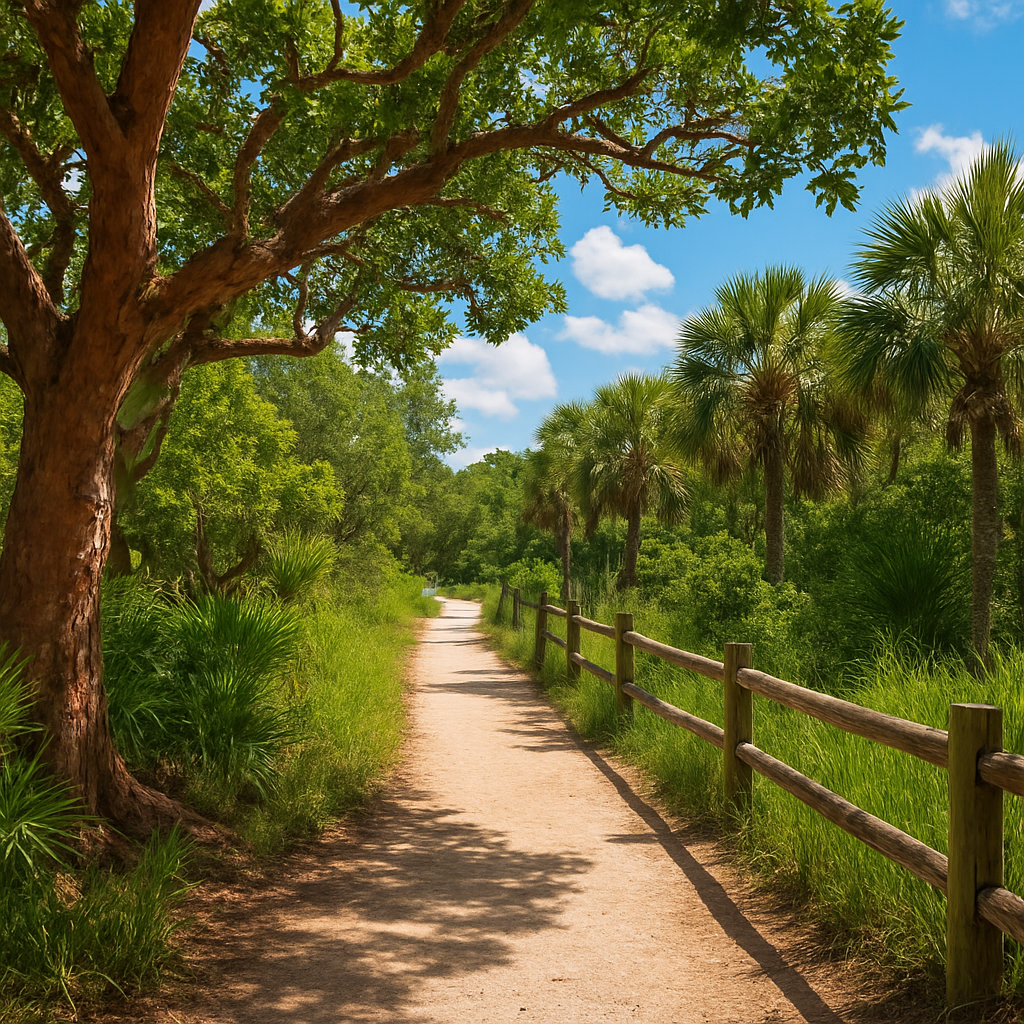
Gumbo Limbo Boca Raton Guide: Nature, Walking Trails, and Weekend Escapes for Residents
If you are weighing where to live in Boca Raton and want easy access to coastal hammock, boardwalks, and sea turtle rehabilitation, start with gumbo limbo boca raton as a practical local anchor. This concise guide covers what to see at Gumbo Limbo Nature Center, short walking loops and birding spots, pet and accessibility rules, and three ready weekend itineraries that fit a student or early career schedule. It also explains how Cynthia Gardens makes those regular nature escapes convenient without adding commute stress.
Neighborhood snapshot and proximity to Cynthia Gardens
Quick reality check: Cynthia Gardens sits in central Boca Raton where short drives, not walking commutes, connect you to the coast and green spaces. The neighborhood mixes low-rise apartments, student housing pockets, and strip-commercial corridors that keep errands short but make true beachside walking rare.
Typical travel times: From Cynthia Gardens expect roughly 10–20 minutes by car to Gumbo Limbo and about 15–30 minutes to Red Reef Park or downtown depending on time of day. Biking is doable for errands and short rides to the waterfront—plan for a 15–25 minute pedal to Gumbo Limbo on flat streets if you take a direct route and moderate pace.
Transit and rideshare reality: Public transit options exist but are slow for tight schedules; Palm Tran runs through Boca but doesn't replace a car for evening or weekend flexibility. If you rely on bikes and rideshares, bank an extra 10–15 minutes for pickups and secure bike parking at the nature center or beach access.
Parking and crowd trade-off: Weekends and sea turtle season compress parking at Gumbo Limbo and Red Reef—arrive early or late afternoon. If you want a short after-class outing during peak season, plan a 30–45 minute buffer for parking or switch to a weekday sunset visit when crowds thin and lighting is better for photos.
Concrete example: A realistic evening plan: finish class, stash a small daypack in your Cynthia Gardens unit, hop in the car at 5:15 pm and reach Gumbo Limbo by 5:30 pm. A 30–40 minute boardwalk loop, then a quick coffee at a nearby cafe before returning—total round trip under 90 minutes including a short walk to the visitor center.
Pet and lifestyle consideration: Cynthia Gardens is pet friendly, which matters because not every nearby nature spot allows dogs. That means your weekday walks can use local sidewalks and small parks while reserving Gumbo Limbo or Wakodahatchee visits for gear-heavy, leash-restricted outings; treat those as planned excursions rather than daily dog walks.
Next consideration: Decide whether you need daily access or occasional nature days. If you want spontaneous evening boardwalks and pet-friendly short walks, Cynthia Gardens hits the practical sweet spot—but if you need immediate beachfront every day, look closer to A1A properties and accept higher rents and parking trade-offs.
Gumbo Limbo Nature Center deep dive
Straight talk: gumbo limbo boca raton is a small, hands-on coastal education hub — not a large museum — built around a shaded boardwalk, touch tanks, and an active sea turtle rehabilitation program. The value here comes from frequent, short visits and programs that connect you directly to coastal habitat preservation rather than one long exhibit hall.
Core visitor experiences: Expect a boardwalk through coastal hammock and mangrove edges, an outdoor tank and touch-tank area, interpretive panels about local flora and fauna, and a visible turtle rehab facility when animals are in care. Regular educational programs, summer camps, and guided walks are the operational backbone — check the season calendar before you go on Gumbo Limbo Nature Center.
What matters for planning
- Timing vs activity: Visit at dawn for bird activity and late afternoon during sea turtle season for nesting updates; midday is best for touch tanks and indoor displays when staff-led demos often run.
- Accessibility constraints: The main boardwalk is generally stroller- and wheelchair-friendly but some sandy connector paths and beach accesses are uneven; call ahead if you need detailed ADA guidance.
- Pet trade-off: Sensitive habitats mean pets are often restricted or discouraged; treat Gumbo Limbo visits as scheduled nature days rather than routine dog walks.
Practical limitation: During peak nesting months the center runs special programs and volunteer activities that increase both educational value and crowding. If your goal is quiet birding or photography, avoid weekend program hours — but if you want interpretive context and staff-led viewing, those same hours are when the center delivers the most value.
Concrete example: A realistic student break: park, do a 25–30 minute boardwalk loop, spend 10 minutes at the touch tanks, and join a 20-minute staff chat about recent strandings. Total time under 90 minutes; you get fresh air, a study break, and a focused learning moment — no need for a full day.
Judgment: People often expect a big aquarium experience; in practice gumbo limbo boca raton delivers highest return for repeat, short-format visits and for families or residents who want hands-on, local conservation exposure. If you need long beach time or snorkeling, pair a Gumbo Limbo visit with Red Reef Park later the same day.
Best quick strategy: treat Gumbo Limbo as a 60–90 minute educational stop — plan it into an after-class or weekend block rather than the centerpiece of a full-day outing.
Local convenience note: If you live at Cynthia Gardens, a short drive makes repeated, targeted visits practical — store a small kit with binoculars and a reusable water bottle in your unit so Gumbo Limbo visits become routine rather than logistical chores. For directions and neighborhood context see Cynthia Gardens neighborhood.
Walking trails and short loops for daily exercise
Short loops win for habit building. If you want regular movement between classes or after work, pick routes you can finish in 20–40 minutes and repeat without fuss. The payoff comes from consistency, not length: five brisk 25-minute outings a week beats one long weekend hike.
The local fabric around gumbo limbo boca raton favors flat, predictable surfaces—boardwalks and paved coastal paths that are ideal for walking, tempo efforts, and stroller-friendly family outings. That convenience has limits: you will not get much elevation or trail variability here, so plan supplementary strength or hill work elsewhere if you need more intensity.
Quick comparison of three short loops
| Route | Typical loop time | Surface / terrain | Accessibility & stroller friendliness | Pet note |
|---|---|---|---|---|
| Gumbo Limbo boardwalk | 20–30 minutes | Wood/plank boardwalk through coastal hammock | Mostly level and stroller-friendly; some sandy connectors | Often restricted in sensitive areas — check rules |
| Spanish River Park coastal path | 25–45 minutes | Paved promenade + beachside sand | Good paved sections; beach access uneven | Leashed dogs usually allowed on park paths; beach rules vary |
| Red Reef Park shoreline loop | 20–40 minutes | Boardwalks, concrete paths, short sandy stretches | Generally accessible on primary paths; watch marine access points | Mixed — shoreline areas can be sensitive during nesting season |
Practical trade-off: Florida heat and humidity change what counts as a useful walk. Early morning or late afternoon windows are better for intensity and comfort; midday outings often become recovery walks rather than hard workouts. Also, flat boardwalks are low-injury but low-calorie compared with hills, so add bodyweight intervals or carry a light pack when you need more stimulus.
- Make 20 minutes count: alternate 3 minutes brisk walk with 1 minute faster pace for five cycles on a boardwalk loop.
- Minimal kit: keep a small kit in your unit at Cynthia Gardens neighborhood — resistance band, reusable bottle, small towel — so you can head out instantly.
- Crowd workaround: if the visitor center or touch tanks are busy, do timed laps of the boardwalk instead; it preserves the outing without fighting crowds.
Concrete example: A typical weekday routine: leave Cynthia Gardens with a daypack, drive 12–18 minutes to Gumbo Limbo, do two boardwalk laps (about 30 minutes) with a 5-minute bodyweight circuit on a shaded bench, then finish with a short cooldown walk back to the car. This fits neatly between classes or before evening study blocks and avoids the need for a long, single-session workout.
Judgment call: People overestimate how many calories flat coastal walks burn and underestimate how disruptive insects and sun are to daily consistency. Focus on regularity and small strength add-ons rather than chasing trail variety. If you want real elevation or rugged trails, reserve a weekend for Wakodahatchee or inland preserves—keep weekday loops for accessibility and habit.
Birding and wildlife hotspots worth a weekend trip
Top local hotspots: Wakodahatchee Wetlands and Green Cay Nature Center deliver the most reliable bird diversity within a short drive, while Red Reef Park and the Boca shoreline are the practical pick for marine life and seasonal sea turtle activity. Mix these with a focused stop at gumbo limbo boca raton for coastal-habitat context and you have a compact weekend loop that maximizes species variety without long drives.
Timing matters more than luck. Early morning gets wading birds on the move and quieter boardwalks; late afternoon is the window for shorebirds and turtle emergences during nesting season. Migration peaks in spring and fall produce higher species counts, but winter mornings often offer clear views of resident herons, egrets, and roseate spoonbills.
Practical constraints and tradeoffs
Access vs experience: Wakodahatchee is an easy, flat boardwalk with dense bird activity right over the water, which is ideal for quick visits and photography. Green Cay rewards longer stays with butterfly gardens and varied habitat but gets busy on weekend afternoons. Red Reef Park gives marine viewing and snorkeling options, but shoreline access can be sensitive during nesting months and limits where you can walk.
- Minimal gear that helps: compact binoculars (8×42), a camera with a 200–400mm equivalent or a 1.4x teleconverter if you have one, sun hat, and a refillable water bottle.
- Ethics and limits: avoid trampling vegetation for a closer shot, never use flash on nesting birds, and respect posted closures during sea turtle nesting and hatchling season.
- Transport tradeoff: parking is easiest early; if you live at Cynthia Gardens, plan for a 10–25 minute drive and reserve midday for Green Cay when lot turnover is faster.
Concrete example: Start at Wakodahatchee at 7:00 am for a 60 minute loop to catch herons and roseate spoonbills feeding, then drive 15 minutes to Green Cay by 9:00 am for boardwalk birding and the butterfly garden. End the day with a late afternoon shoreline check at Red Reef Park to scan for terns, gulls, and, in season, sea turtle activity; each stop is compact enough to fit into a standard weekend without rushing.
Judgment call from practice: Casual visitors overvalue rare sightings and underestimate the benefit of repeated short visits. The practical path to good birding is routine – learn the timing of local hotspots, visit the same pond repeatedly, and you will notice patterns and seasonal arrivals faster than by chasing single big days.
Three weekend escape itineraries for residents
Practical premise: build weekend plans that are compact and repeatable so a single missed nap or class is not catastrophic. Use Cynthia Gardens as a staging area – keep a small gear bag there and you turn a day off into a seamless nature run. See the Cynthia Gardens neighborhood page for proximity details Cynthia Gardens neighborhood.
Itinerary 1 – Beach and culture half day
Plan: Start 8:00 am at Gumbo Limbo Nature Center for a quick 30 minute boardwalk and touch-tank stop, drive 9 minutes to Red Reef Park for snorkeling or shore time by 9:30 am, then finish at Mizner Park for coffee and light shopping around 12:00 pm. Parking is easiest early; if lot is full, park a couple blocks inland and walk.
Pet and family modification: skip Red Reef if you have a dog – use Spanish River Park for leash-friendly beach stretches. For families, swap snorkeling for tidepool exploration and a shaded picnic at Mizner Park.
Itinerary 2 – Full nature immersion day
Plan: Leave Cynthia Gardens by 6:30 am, arrive at Wakodahatchee Wetlands for sunrise birding, spend 60 to 90 minutes there, then drive 20 minutes to Green Cay Nature Center by mid morning for boardwalks and the butterfly garden. Wrap up late afternoon with a 45 minute Gumbo Limbo visit during turtle season programming.
Tradeoff: this is the highest biodiversity day but it requires early starts and patience for crowds. If you want quiet photography, prioritize Wakodahatchee at first light and accept a shorter Green Cay visit.
Itinerary 3 – Delray arts, dining, and evening beach
Plan: Do a morning Gumbo Limbo loop, then drive 15 minutes north to Atlantic Avenue in Delray Beach for galleries and lunch. Afternoon is flexible – galleries, a stop at Morikami for culture, or a beach nap. End with a sunset shoreline walk back in Boca to scan for seasonal turtle activity. Use paid lots in Delray or timed street parking.
Practical judgment: Delray gives cultural density for low driving cost, but expect paid parking and busier sidewalks. If you value quiet nature over dining options, swap Delray for more time at Green Cay.
Concrete example: A student with a 2 pm class can still do Itinerary 1: leave Cynthia Gardens at 7:30 am, do Gumbo Limbo and Red Reef, grab coffee at Mizner Park, and be back by 1:15 pm with time to change. That short loop trades depth for reliability and fits a busy schedule.
Final insight: choose focus over quantity. Trying to pack three hotspots into one day usually means driving time erodes enjoyment. Pick two complementary stops – one active nature site and one cultural or beach stop – and you get a balanced, low-stress weekend from a central base like Cynthia Gardens.
Practical resident tips: parking, pet rules, accessibility, and safety
Short version: treat visits to gumbo limbo boca raton as planned runs, not spontaneous drop-ins. Parking, pet restrictions, and fragile habitats mean the easiest outings are the ones you organize ahead of time.
Arrival and parking tactics
Plan your lot strategy. The Gumbo Limbo lot is small and fills quickly on weekends and during turtle season; if it is full, shift to nearby public lots at Red Reef Park or the Spanish River access and walk or rideshare the short distance. For tight schedules, use rideshare drop-off at the visitor center entrance to avoid circling for a space.
Trade-off to accept. Parking closer costs time when you arrive late and patience when you arrive early. The reality is that early arrival buys access to quieter boardwalks; if you cannot arrive early, accept a slightly longer walk from a secondary lot and use that time as your warm-up.
Pets and wildlife rules — what residents actually do
Policy reality: many coastal hammock and wetland areas restrict pets to protect birds and turtle nests, so do not plan daily dog walks at Gumbo Limbo. Use leash-friendly neighborhood parks or Spanish River Park for routine dog outings and reserve Gumbo Limbo for supervised, gear-up visits when pets are allowed.
Practical workaround. Bring a collapsible water bowl, sturdy leash, and waste bags if you combine a pet-friendly park with a Gumbo Limbo stop. Keep the pet portion separate from the habitat-focused portion of your day to avoid stress on wildlife and citations.
Concrete example: A Cynthia Gardens resident walks their dog in a neighborhood park at 6:30 am, returns home to drop off the dog, then drives to Gumbo Limbo by 8:00 am for a solo boardwalk loop and the touch tanks. This split plan avoids habitat conflicts, keeps the dog safe, and fits into a morning class schedule without cutting corners on either experience.
Accessibility, mobility, and real limitations
Accessibility note: the primary boardwalks and visitor center are generally level and suitable for wheelchairs and strollers but some beach connectors are sandy or uneven. If you need detailed ADA access, call the center before your visit; staff can confirm routes, nearest parking stalls, and short detour options.
What people underestimate. Accessible does not mean identical to a paved city park. Expect occasional thresholds, narrow viewing spots, and limited shaded seating. If a full-day accessible beach experience is required, plan to pair Gumbo Limbo with county facilities that advertise specific ADA beach equipment.
Safety on trails, shoreline, and during turtle season
On-the-ground safety priorities: watch weather forecasts for storms, bring reef-safe sunscreen for snorkeling, keep a safe distance from wildlife, and never move or shine lights at turtle nests. Mosquitoes can be heavy at dusk in wetlands so carry repellent and close windows in your car after returning from a boardwalk.
Judgment from practice: novice visitors often focus on rare sightings and forget basic safety. The smarter approach is simple: reduce risk by timing visits for daylight or staffed program hours, secure your gear and valuables in the car before you start, and give wildlife wide berth. That preserves both your visit and the habitat.
- Pre-visit quick checklist: check Gumbo Limbo Nature Center for program schedules, confirm parking options, pack a headlamp if you are attending an evening turtle talk, and bring insect repellent.
- If you have a pet: review the Cynthia Gardens pet policy at Cynthia Gardens pets and plan pet-friendly segments of your day separately from habitat visits.
- If you need accessibility info: call ahead to the visitor center to confirm parking stalls and the best routed paths for wheelchairs or strollers.
How Cynthia Gardens supports an outdoor oriented lifestyle
Direct advantage: Cynthia Gardens functions as a practical staging area for regular trips to gumbo limbo boca raton and nearby nature trails — not because it is beachfront, but because it reduces the friction that kills weekend plans: gear storage, secure bike parking, and predictable commute windows from a central address.
What the property actually helps with: Residents can keep a dedicated nature kit in-unit (snorkel or compact mask, reef-safe sunscreen, binoculars, a small dry bag) and use building storage or a bike rack for quick departures. The real benefit is operational: fewer decisions before leaving the unit, which makes repeat visits sustainable instead of aspirational.
Practical trade-offs and limitations
Limitations to accept: Cynthia Gardens is a central, convenience-first choice — you trade immediate beachfront access and walking-to-the-sand spontaneity for lower rent, easier parking, and faster errands. That means night-time turtle walks or surprise beach days still require driving and occasional parking patience, especially during nesting season and weekends.
Judgment from experience: For students and early-career renters, consistency beats proximity. Living where you can reliably stash gear and jump in the car or on a bike produces more nature outings over a month than paying more to live exactly on A1A and only using it sporadically.
- Morning volunteer routine: Drop off a dog or bike to a neighbor-friendly park, leave the dog with a walker or at home, and arrive at Gumbo Limbo for a 7:00 am volunteer shift or morning boardwalk — this split-day approach avoids pet restrictions while letting you participate in sea turtle rehabilitation or guided programs (Gumbo Limbo updates).
- After-class micro-escape: Keep a compact daypack at Cynthia Gardens and do a 40–60 minute boardwalk loop plus a coffee stop; the apartment laundry and quick shower afterward keeps evening commitments intact.
- Weekend gear rotation: Maintain a beach/snorkel bag on a bottom shelf or in a locker so weekend packing is a five-minute task, not a chore—this removes the biggest barrier to regular Red Reef Park or Spanish River Park outings.
Concrete example: A graduate student works a morning lab shift, returns to Cynthia Gardens at 10:00 am to swap shoes and grab the stored snorkel bag, rides a bike to a nearby transit point, and reaches Red Reef Park by 10:45 am for 90 minutes of snorkeling. They return, rinse gear in the community sink, and are back to grad work by early afternoon — a compact loop enabled by storing gear and using communal facilities.
Community and low-cost benefits: Cynthia Gardens communal areas make pre-trip meetups and post-trip gear drying easy, which is an underrated advantage for groups coordinating volunteer opportunities gumbo limbo or carpooling to Wakodahatchee. Those small efficiencies translate into more outings and lower per-trip costs — important when budgets are tight.
Next consideration: Decide whether you want habit-driven short trips or occasional full-day excursions. Cynthia Gardens makes the first reliable and repeatable; if your priority is daily beach frontage, that is a different trade-off and worth factoring into your housing choice.
Resources and planning tools
Practical rule: check one authoritative site and one real-time tool before every trip. It costs a minute up front and saves an hour circling for parking, standing outside a closed visitor center, or missing a volunteer shift.
Authoritative pages to bookmark
- Gumbo Limbo updates: visit Gumbo Limbo Nature Center for program calendars, volunteer schedules, and sea turtle alerts.
- Park conditions and rules: check the City of Boca Raton Red Reef Park page at myboca.us before beach or snorkeling plans.
- County wetlands and birding: use Palm Beach County pages for Wakodahatchee and Green Cay at pbcgov.org for access notes and closures.
- Cultural planning: if pairing nature with a museum or garden stop, see Morikami Museum and Japanese Gardens for hours and ticketing.
Real-time tools that matter: routing and parking are the usual pinch points, so rely on navigation for traffic, a trail app for path conditions, and a tide or weather tool when you plan snorkeling or shoreline checks. Don t treat social posts as official notices; staff pages and county notices are where closures and nesting advisories appear first.
- AllTrails: use for trail maps, difficulty, and recent user reports; useful for Spanish River Park and short loops.
- Google Maps: live routing, parking lot markers, and drive-time estimates from Cynthia Gardens; good for timing class-to-park windows.
- iNaturalist and eBird: lightweight citizen science apps to identify species and record sightings; they also reveal what others are seeing that week.
- NOAA tides or local tide charts: essential for Red Reef snorkels and shoreline wildlife windows; low or high tide changes where you can walk and what you see.
Trade-off to accept: the more tools you use, the less flexible you become about spontaneity. If you want low-friction outings, standardize one quick workflow: check Gumbo Limbo for programs, open Google Maps for parking, glance at AllTrails for path notes, then go. That routine beats checking five sites and never leaving.
Concrete example: A Cynthia Gardens resident uses this sequence: at 6:30 am check Gumbo Limbo Nature Center for a 7:00 am turtle talk, open Google Maps to estimate a 12 minute drive with current traffic, confirm Wakodahatchee boardwalk conditions on the county page, then grab the prepacked daybag in the unit. The result is a focused 90 minute outing that fits between classes without last minute scrambling.
If you only use two tools, make them Gumbo Limbo s official site and a live navigation app. Everything else is a multiplier of convenience, not a substitute for those two.
Next consideration: pick a single workflow and practice it three times. If checking official pages becomes a habit, you ll stop wasting weekends on avoidable closures and crowded lots and start getting predictable, repeatable nature time from your Cynthia Gardens base.