TL;DR:
- Routine apartment maintenance prevents expensive emergencies, preserving your deposit and peace of mind. Regularly use tools, document issues, and perform seasonal checks to keep units in top shape. Clear communication and proactive care reduce disputes and extend the lifespan of appliances and systems.
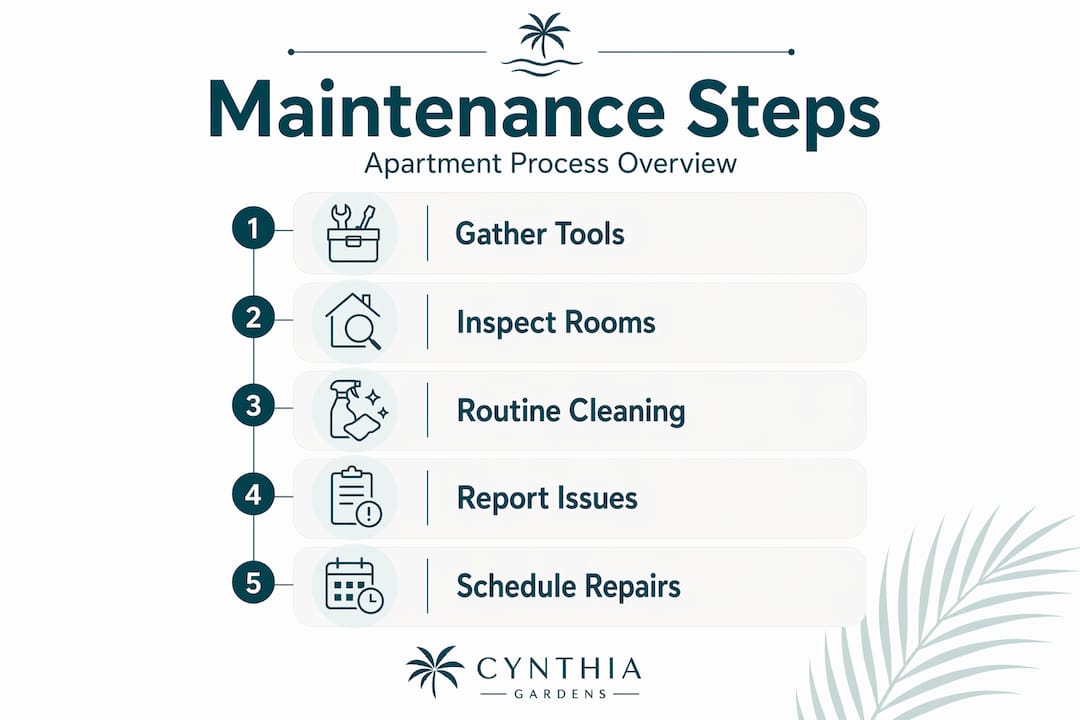
Skipping routine apartment maintenance doesn’t save time. It transfers small, cheap problems into expensive emergencies that eat into your deposit, your budget, and your landlord’s patience. Whether you’re a renter trying to protect your security deposit or a property manager keeping units in top shape, following clear apartment maintenance steps is what separates a smooth tenancy from a stressful one. This guide breaks down exactly what to do, room by room and season by season, so nothing slips through the cracks.
Table of Contents
- Key Takeaways
- Essential apartment maintenance steps: tools and preparation
- Room-by-room and seasonal maintenance tasks
- Tenant and property manager responsibilities
- Common apartment issues and how to troubleshoot them
- My take on proactive maintenance after years in multifamily housing
- Live well at Cynthiagardens
- FAQ
Key Takeaways
| Point | Details |
|---|---|
| Start with the right tools | A basic toolkit and cleaning supplies let you handle most routine maintenance before it escalates. |
| Use a seasonal schedule | Aligning tasks with the calendar prevents costly emergency repairs and protects long-term value. |
| Know who owns what | Renters and property managers have distinct responsibilities. Knowing the division avoids disputes. |
| Document everything | Photos and written records protect deposits and speed up landlord responses to repair requests. |
| Spot problems early | Catching leaks, mold, and HVAC issues in the early stages costs a fraction of emergency fixes. |
Essential apartment maintenance steps: tools and preparation
Before you touch a single maintenance task, you need the right supplies on hand. Scrambling for a wrench when a pipe starts dripping is exactly how small problems become big ones.
Build your core toolkit
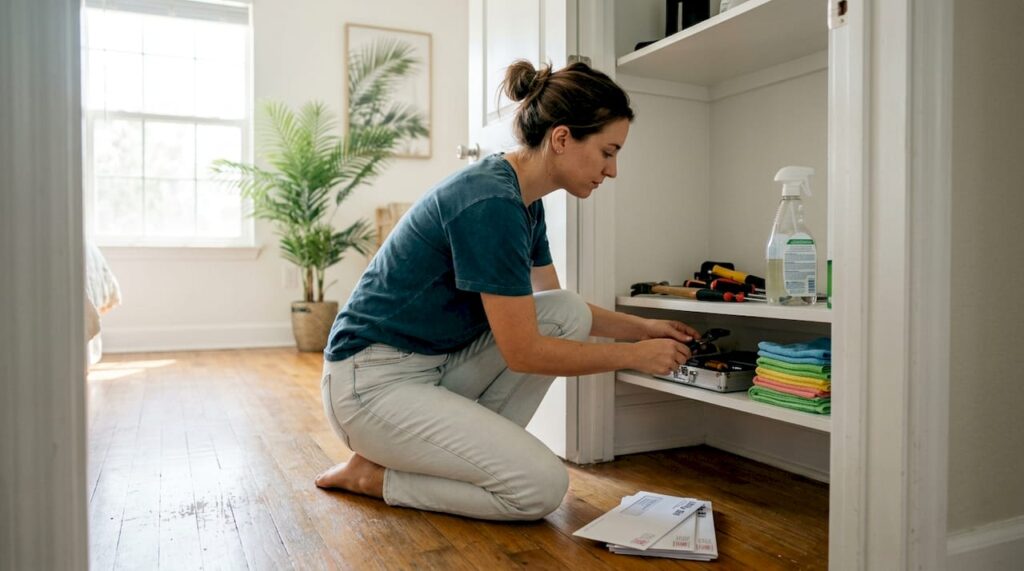
Every renter should have at minimum: a hammer, a set of screwdrivers (flathead and Phillips), adjustable pliers, a tape measure, a utility knife, and a small level. Property managers overseeing multiple units should add a cordless drill, a voltage tester, and a wet/dry vacuum to that list. These cover the majority of day-to-day fixes without requiring a professional callout.
Cleaning supplies matter just as much as tools. Keep a supply of microfiber cloths, a grout brush, a drain snake, baking soda, white vinegar, and an all-purpose cleaner. These handle most kitchen, bathroom, and surface maintenance without specialty products.
| Category | Recommended items |
|---|---|
| Hand tools | Hammer, screwdrivers, pliers, utility knife, tape measure |
| Cleaning supplies | Microfiber cloths, drain snake, all-purpose cleaner, baking soda |
| Safety items | Smoke detector batteries, GFCI tester, first aid kit |
| Tech tools | Maintenance tracking app, digital timer, shared task calendar |
For property managers, tech tools close the gap between reactive and proactive care. Dual-layer maintenance programs that combine time-based schedules with area-based checklists deliver significantly better coverage than improvised, reactive management.
Pro Tip: Use a free app like Notion or Google Tasks to create a recurring monthly maintenance schedule. Assign due dates, attach photos of completed tasks, and share access with your landlord or property manager to keep everyone aligned.
Documentation starts before the first maintenance task. When you move in, photograph every surface, appliance, and fixture. These images are your baseline record and your best protection if a deposit dispute arises later.
Room-by-room and seasonal maintenance tasks
The most practical property maintenance guide is one organized around where you actually live. High-use rooms fail first, and seasonal shifts bring predictable stress points that you can plan for.
Daily and weekly routines
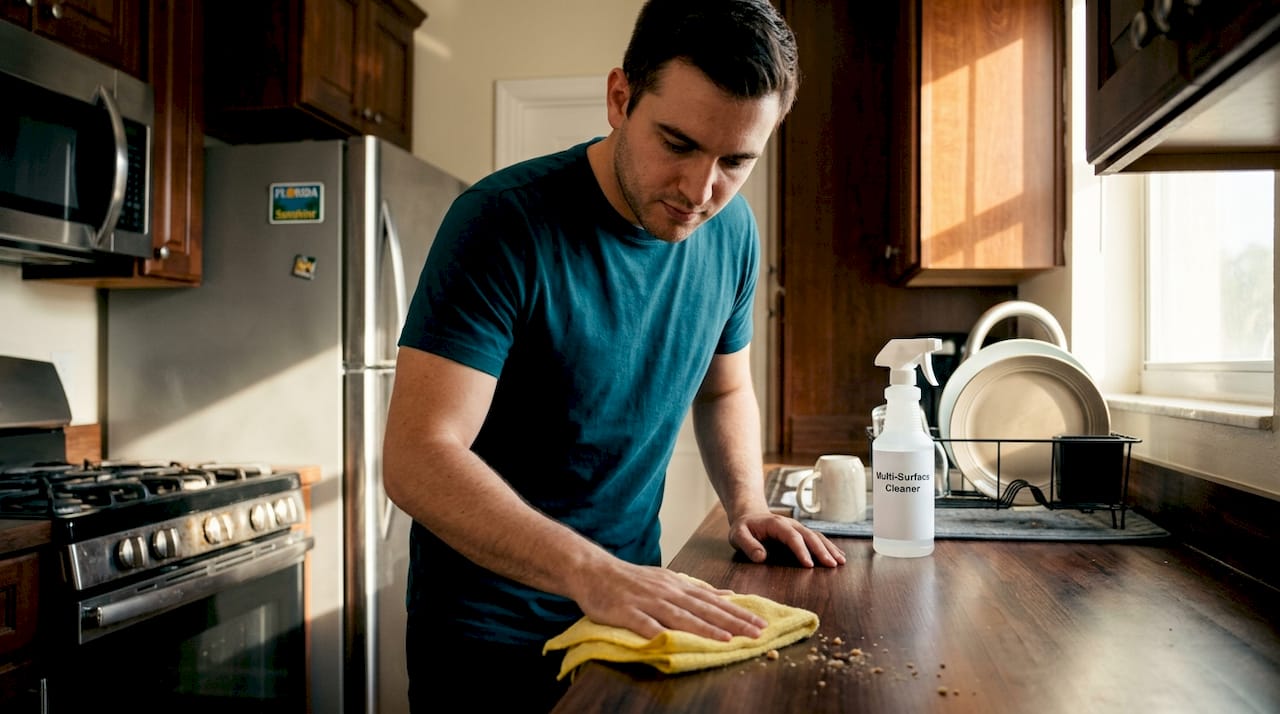
Daily cleaning tasks should take no more than 20 minutes to keep grime from accumulating into a full-day project. In the kitchen, wipe down countertops and stovetop surfaces daily. Run the exhaust fan when cooking to reduce grease buildup in filters. In the bathroom, squeegee the shower walls after every use to prevent mold growth, especially in humid climates like South Florida.
Weekly, check under the kitchen and bathroom sinks for moisture or drips. This one habit catches slow leaks before they warp cabinetry or produce mold. Sweep and mop hard floors, and vacuum carpets and rugs. Empty and clean trash bins, not just empty them.
Monthly maintenance tasks
- Test smoke and carbon monoxide detectors by pressing the test button. Monthly testing is a basic safety standard, along with a yearly battery swap regardless of whether the alarm still sounds.
- Inspect window and door seals for gaps or cracking. Drafts drive up energy bills and signal water infiltration risks.
- Clean the range hood filter by soaking it in hot, soapy water.
- Check the bathroom caulk around the tub and shower for cracks or discoloration, and reseal as needed.
- Run water in rarely used sinks or guest bathrooms to prevent P-trap evaporation, which allows sewer gases to enter the unit.
- Wipe down the inside of the refrigerator and check door seals for mold or looseness.
Pro Tip: Set a recurring phone reminder on the first of each month labeled “apartment check.” It takes under 30 minutes and catches issues before they compound.
Seasonal HVAC and weatherproofing tasks
HVAC maintenance is the single most neglected system in apartments. HVAC filters need replacement at minimum every 90 days. If you have pets, that interval drops to 30 to 60 days, since pet dander clogs filters fast and degrades air quality quickly. In Florida, where air conditioning runs nearly year-round, this matters more than in cooler climates.
Before summer, have the HVAC system professionally serviced if possible. Clean vents and return air grilles with a damp cloth. Before winter, replacing furnace filters seasonally improves efficiency and air quality during heating months. A seasonal maintenance checklist is not just a chore list. It functions as a financial protection plan, preventing the kind of surprise repair bills that show up right after a season change.
One often overlooked apartment upkeep tip: clean behind and underneath your refrigerator and stove at least twice a year. Neglected appliance areas increase fire risk, attract pests, and reduce appliance efficiency. It is also one of the reasons landlords charge turnover cleaning fees.
Tenant and property manager responsibilities
One of the most common sources of conflict in any tenancy is confusion about who is responsible for what. Getting this clear from day one protects both sides.
Typically, landlords handle structural repairs, major appliance servicing, pest extermination for infestations that are not caused by tenant behavior, and plumbing issues inside the walls. Tenants are generally responsible for:
- Keeping the unit clean and free of conditions that attract pests
- Replacing light bulbs and HVAC filters (unless the lease states otherwise)
- Reporting issues promptly, in writing, with documentation
- Avoiding damage beyond normal wear and tear
- Maintaining outdoor spaces like patios or balconies assigned to the unit
If you are a pet owner, your tenant maintenance responsibilities expand. Pet-related cleaning, odor management, and damage prevention fall on you. Reviewing your apartment pet policy before bringing in an animal saves you from surprise deductions at move-out.
Pro Tip: Always submit maintenance requests in writing, even if you speak with your landlord verbally first. A simple email with a photo attached creates a time-stamped record that protects both parties.
“The best tenants are the ones who communicate early, document thoroughly, and treat the unit like their own home. Property managers respond faster and more generously when they don’t have to chase down information.”
Documentation with photos and written records is not optional. It is your strongest tool for protecting your deposit and getting repairs handled quickly. Keep a folder, digital or physical, with every maintenance request, every response, and every dated photograph.
Common apartment issues and how to troubleshoot them
Catching a problem in its early stage is almost always cheaper and less stressful than waiting until it forces your hand.
Leaks and water damage
A dripping faucet wastes gallons of water and signals a worn washer. Tighten or replace the washer yourself first. If the drip continues, report it to your property manager in writing. Discoloration on ceilings or walls often points to a leak from the unit above. Never assume it will dry on its own. Water behind drywall produces mold within 24 to 48 hours.
Mold and air quality
Mold grows where moisture lingers. Run bathroom exhaust fans during and after showers, and keep the fan running for at least 15 minutes after you leave. Check window sills and closet corners monthly. A small patch of surface mold can be treated with a diluted bleach solution. Anything covering more than 10 square feet, or mold behind walls, is a professional job and a landlord responsibility to remediate.
Plumbing clogs
Most bathroom clogs are hair-related and respond to a drain snake or a simple zip-it tool. Kitchen clogs are often grease-related. Run hot water and a cup of baking soda followed by white vinegar down the drain monthly to prevent buildup. Avoid chemical drain cleaners, which can corrode older pipes.
Electrical concerns
Flickering lights usually mean a loose bulb. Repeated tripping of a breaker is a different issue entirely and should be reported immediately. Never overload outlets with multi-plug adapters, and test GFCI outlets in bathrooms and kitchens monthly by pressing the reset button.
Pro Tip: If you have pets, review a pet-friendly apartment checklist to spot maintenance items specific to pet owners, including floor protection, air filter frequency, and odor management strategies.
Customizing maintenance attention to usage intensity is what separates reactive problem-solving from real prevention. High-traffic areas like entryways, kitchens, and bathrooms need more frequent attention than a spare bedroom.
My take on proactive maintenance after years in multifamily housing
I’ve seen the full range. Renters who treat their apartment maintenance steps as a quarterly ritual versus those who wait until the ceiling is dripping before calling anyone. The cost difference, in time, money, and stress, is not even close.
What I’ve learned managing multifamily properties is that reactive maintenance costs roughly three times more than preventive maintenance. Not because the repairs themselves are more expensive (though they often are), but because emergency callouts, water damage remediation, and tenant displacement all pile on top of each other. A 15-minute filter change prevents an HVAC replacement call in August.
The uncomfortable truth about tenant-landlord relationships is this: most disputes are really documentation disputes. Both sides are telling the truth as they experienced it, but only one side has timestamps, photos, and written confirmations. Be that side.
My practical take on DIY versus professional help is simple. If the fix involves electricity inside walls, gas lines, or structural components, call a professional. Full stop. Everything else, from drain snakes to caulk guns to replacing a toilet flapper, is fair game for a renter willing to watch a 10-minute tutorial.
Communication done early and in writing makes everything easier. Property managers are far more responsive to tenants who report problems clearly and calmly than to those who wait until they’re furious to pick up the phone.
— Ayman
Live well at Cynthiagardens
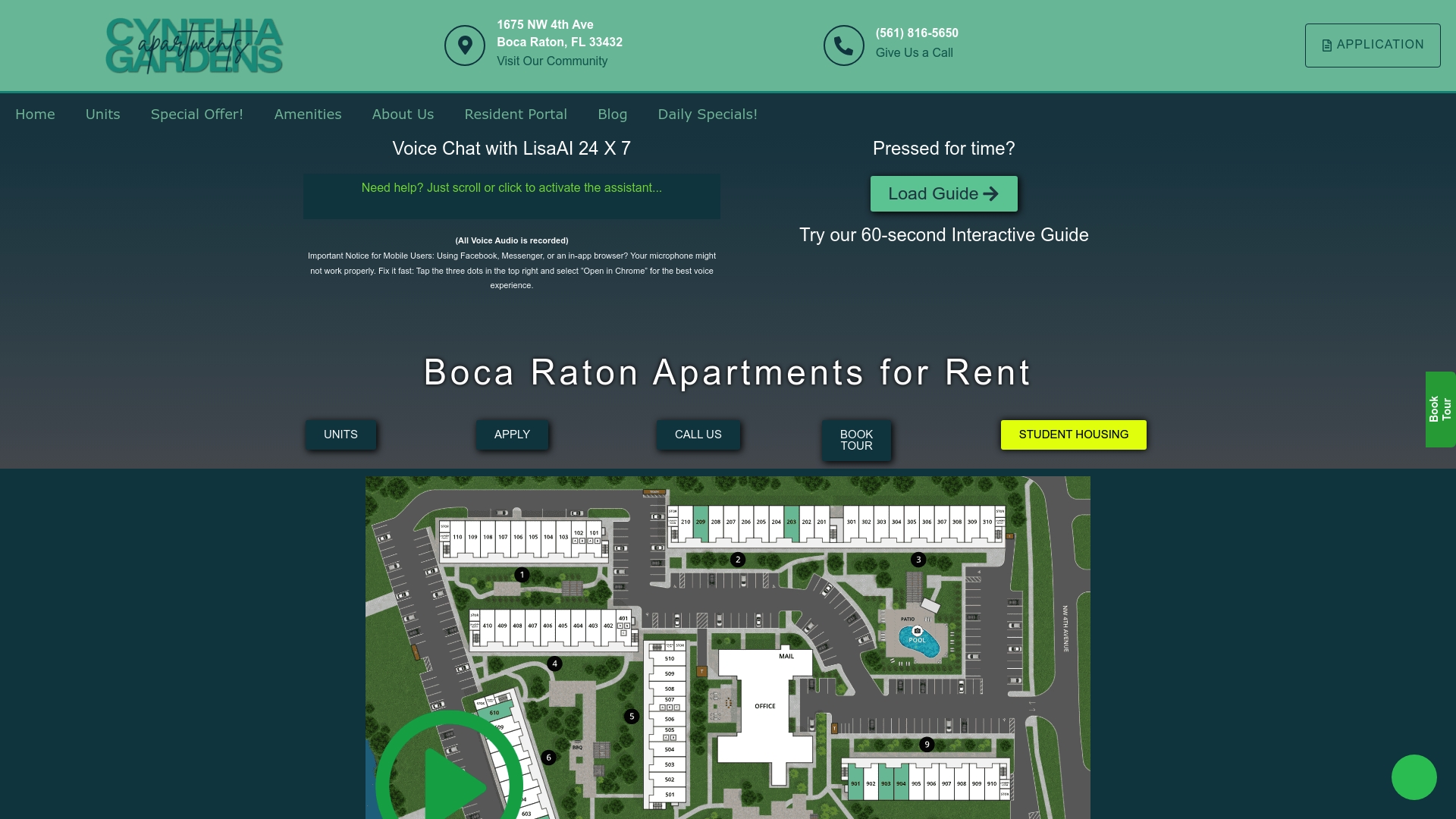
At Cynthiagardens in Boca Raton, Florida, apartment maintenance does not have to feel like your second job. Our one-bedroom apartments are built with modern, maintenance-friendly designs that make upkeep straightforward for young professionals, students, and pet owners alike. From move-in, you will have access to clear community rules that spell out maintenance responsibilities so there are no surprises. Explore our apartment styles and features through virtual tours, an interactive property map, and AI-assisted leasing support that answers your questions any time of day. Transparent pricing, no hidden fees, and a team that actually communicates. That is what living at Cynthiagardens looks like.
FAQ
How often should I change my apartment HVAC filter?
Replace your HVAC filter every 90 days at minimum. If you have pets, replace it every 30 to 60 days to maintain air quality and system efficiency.
What maintenance tasks are renters typically responsible for?
Renters are generally responsible for keeping the unit clean, replacing light bulbs and HVAC filters, reporting issues promptly in writing, and preventing damage beyond normal wear and tear.
How do I protect my security deposit through maintenance?
Document the unit with dated photos at move-in and throughout your tenancy. Submit all maintenance requests in writing with photos attached to create a time-stamped record.
When should I call a professional instead of doing it myself?
Call a professional for any repair involving electricity inside walls, gas lines, structural issues, or mold covering more than 10 square feet. Most surface-level plumbing and cleaning tasks are safe for renters to handle.
How can I prevent mold in my apartment bathroom?
Run the exhaust fan during and for at least 15 minutes after every shower. Check window sills and corners monthly, and reseal bathroom caulk as soon as you see cracking or discoloration.
Recommended
- The Ultimate 2025 Apartment Move In Inspection Checklist – Luxury Apartments for Rent in Boca Raton | Premium Boca Raton Apartments | Aapartments Boca Raton
- Mastering the Apartment Application Process – Luxury Apartments for Rent in Boca Raton | Premium Boca Raton Apartments | Aapartments Boca Raton
- Apartment Viewing Checklist: 8 Tips for 2025 – Luxury Apartments for Rent in Boca Raton | Premium Boca Raton Apartments | Aapartments Boca Raton
- Mastering Apartment Rental Applications – Luxury Apartments for Rent in Boca Raton | Premium Boca Raton Apartments | Aapartments Boca Raton