Table of Contents
- Why Hidden Apartment Maintenance Issues Matter in Boca Raton
- Your Apartment Move-In Inspection Checklist
- Signs of Water Damage in Apartments You Should Never Ignore
- How to Report Maintenance Issues to Landlord (and Get a Fast Response)
- How to Spot Hidden Apartment Maintenance Issues Room by Room
- What to Do When You Find a Problem After Move-In
- Conclusion: Peace of Mind Starts With a Careful Look
- Frequently Asked Questions
Last Updated: September 24, 2026
Why Hidden Apartment Maintenance Issues Matter in Boca Raton
Hidden apartment maintenance issues are problems that don’t show up during a quick walkthrough but surface weeks after you move in. They cost renters time, money, and peace of mind. According to Hemlane’s rental maintenance analysis, plumbing problems alone account for 1 in 4 maintenance requests in rental properties.
That number matters more than most renters realize. A 2026 analysis from Oxmaint’s property maintenance breakdown found that HVAC issues make up 25-30% of all maintenance requests, while electrical problems account for another 15-20%.
In Boca Raton, the stakes are higher. South Florida’s humidity, afternoon storms, and year-round heat put constant stress on plumbing, air conditioning, and windows. Small leaks become mold problems fast.
This guide from Cynthia Gardens walks you through how to spot hidden apartment maintenance issues before they become expensive headaches. You’ll get a room-by-room checklist, a reporting script, and clear next steps if something breaks after you sign.
Your Apartment Move-In Inspection Checklist
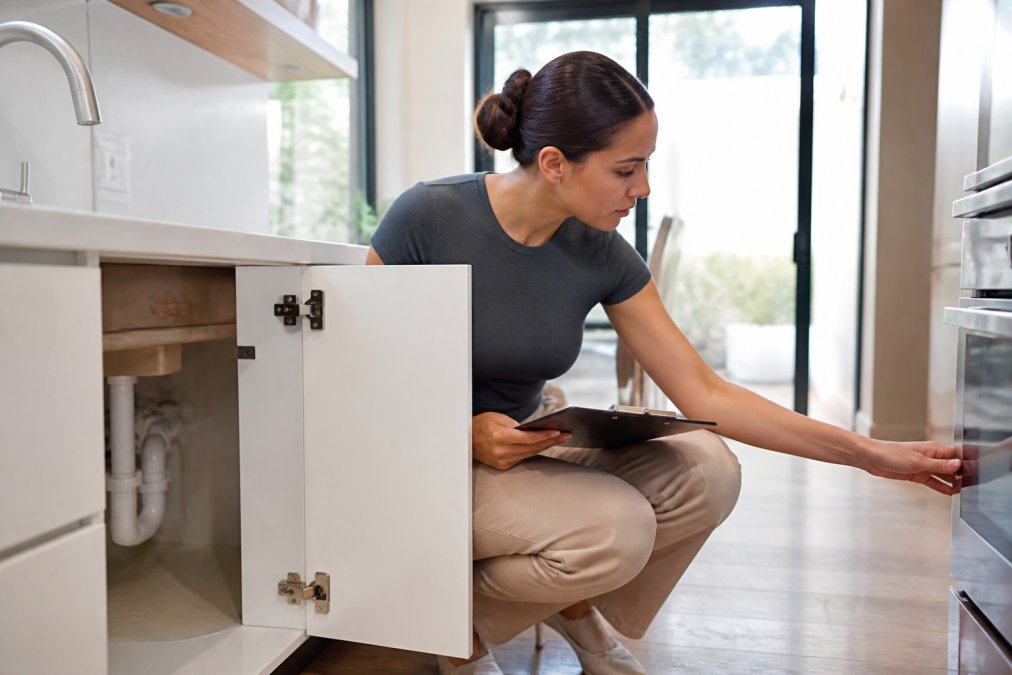
A good apartment move-in inspection checklist covers five systems: water, air, power, seals, and structure. Test each one before you unpack a single box.
Here’s what to check, in order:
- Water pressure: Run every faucet and shower for 60 seconds.
- Drains: Fill each sink, then let it drain fully. Listen for gurgling.
- Toilets: Flush twice. Watch for slow refills or rocking at the base.
- Air conditioning: Set it to 68°F. Feel for cold air within 10 minutes.
- Outlets: Plug in your phone charger at every outlet.
- Windows and doors: Lock and unlock each one. Check for drafts.
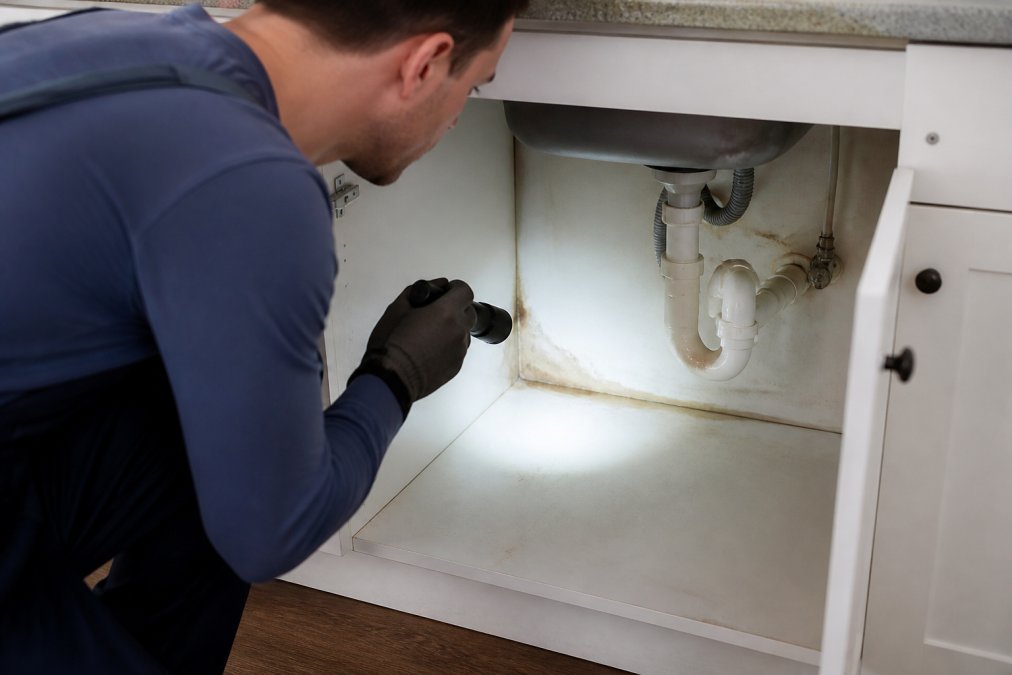
- Under sinks: Look for staining, soft wood, or a musty smell.
- Appliances: Run the dishwasher and washing machine on a short cycle.
What to Photograph and Document
Photograph everything, even if it looks fine. Date-stamped photos protect your security deposit and speed up repair requests.
Your photo list should include:
- Every wall, floor, and ceiling in each room
- Inside every cabinet and closet
- The water heater, HVAC unit, and breaker panel
- Any existing scratch, stain, or crack
- Meter readings on move-in day
Email the photos to yourself and your landlord the same day. That timestamp becomes your proof.
A common mistake is testing the AC for 30 seconds and calling it good. Run it for at least 15 minutes. Short cycling, where the unit turns on and off every few minutes, often only shows up after the system has run a while.
Signs of Water Damage in Apartments You Should Never Ignore
The clearest signs of water damage in apartments are warped baseboards, discolored ceilings, and a persistent musty smell. Any one of these means moisture is getting in somewhere.
Watch for these red flags:
- Brown or yellow rings on ceilings and walls
- Soft or bubbling paint near windows and vents
- Cupping or lifting floorboards and laminate
- A sour, earthy smell that doesn’t go away
- Running water sounds when nothing is on
Water damage rarely stays small in Florida. The state’s humidity feeds mold growth within 24 to 48 hours of a leak. Research published in Sage Journals on property maintenance shows that maintenance quality directly affects health, safety, and property values.
The contrarian truth? Many leaks aren’t visible during a walkthrough at all. RPM First Class’s maintenance insights notes that minor plumbing leaks and HVAC inefficiencies often only surface after a unit is occupied.
Never paint over a water stain or hang a picture over one. It hides the problem from your landlord, and when the damage spreads, you may be blamed for not reporting it. Report it in writing the day you spot it.
How to Report Maintenance Issues to Landlord (and Get a Fast Response)
Learning how to report maintenance issues to landlord effectively comes down to three things: written proof, clear photos, and a specific ask. Vague reports get slow responses.
Use this template:
Subject: Maintenance Request – [Unit #] – [Issue]
Hi [Name],
I’m reporting a [issue] in my unit at [address]. I first noticed it on [date].
Details:
- Location: [room and specific spot]
- When it happens: [always / when AC runs / after rain]
- What I’ve tried: [nothing / turned off valve]
Photos attached. Can you confirm a repair window within [X] days?
Thanks,
[Your name] | [Unit] | [Phone]
Then follow up. Oxmaint’s 2026 response-time report identifies slow maintenance response as the top tenant complaint, which is why tracking tools have become standard at well-run communities.
Here’s what to do if you don’t hear back:
- Send a follow-up email after 48 hours
- Call the office and log the call time and name
- Escalate to the property manager in writing
- Check your lease for a stated response window
Written requests with photos create a paper trail. That trail is what gets you a fast repair and protects you if the issue gets worse.
How to Spot Hidden Apartment Maintenance Issues Room by Room
A room-by-room sweep takes about 30 minutes and catches most problems a normal walkthrough misses. Work through each space in this order.
| Room | What to Check | Warning Sign | What to Do |
|---|---|---|---|
| Kitchen | Under-sink pipes, disposal, fridge seal | Soft cabinet floor, water rings | Report same day with photos |
| Bathroom | Caulk lines, toilet base, exhaust fan | Loose toilet, black caulk, weak fan | Request reseal and fan check |
| Bedroom | Windows, outlets, closet walls | Drafts, warm outlets, musty smell | Note draft source and outlet location |
| Living room | Ceiling, AC vents, sliding doors | Ceiling rings, weak airflow, sticky track | Have AC and seals inspected |
| Laundry | Washer hoses, drain pan, dryer vent | Damp pan, kinked hose, lint buildup | Ask for hose and vent check |
A 2026 Fannie Mae study found that 28% of renters cite maintenance and upkeep as a primary housing challenge, with pest problems, structural issues, and HVAC concerns topping the list (Fannie Mae Research and Insights).
Preventative maintenance programs are also getting more attention this year. SkillCat’s apartment maintenance best practices notes that proactive system checks protect property value and cut long-term repair costs, which benefits renters too.
What to Do When You Find a Problem After Move-In
Finding a problem after move-in is normal, and you have options. The key is acting fast and documenting everything.
Follow these steps:
- Photograph and video the issue from multiple angles.
- Write down when you first noticed it and what you were doing.
- Submit a written request using the template above.
- Set a reasonable deadline based on severity. Water and electrical issues are urgent.
- Escalate in writing if nothing happens within your lease’s stated window.
- Keep every reply in a folder labeled with the date.
For serious issues, like a gas smell or sparking outlet, leave the unit and call emergency services first. Then notify management.
This is where a maintenance-free community earns its keep. At Cynthia Gardens, modern one-bedroom apartments with stainless steel appliances and quartz countertops are built to hold up, and our garden-style layout means fewer shared walls and quieter living.
If you’re searching for apartments near me with a real maintenance promise, tour a community and ask about response times before you sign.
Conclusion: Peace of Mind Starts With a Careful Look
Spotting hidden maintenance issues takes one afternoon and a phone camera. That small effort saves you from mold, surprise repair bills, and deposit disputes down the road. The renters who document early and report in writing almost always come out ahead. Consistent vigilance remains the most effective defense against structural damage, especially when spotting hidden leaks before they compromise the integrity of your living space.
Cynthia Gardens offers a maintenance-free living experience in Boca Raton, minutes from FAU and the beach. Our residents enjoy a resort-style pool, lush landscaped grounds, and a quiet garden-style community designed for comfort and privacy. Every apartment is finished with high-end touches like quartz countertops and stainless steel appliances.
Schedule a tour today and see what effortless Florida living looks like.
Frequently Asked Questions
What are the most common hidden maintenance issues in Florida apartments?
Plumbing tops the list, accounting for 1 in 4 maintenance requests in rental properties according to Hemlane’s 2026 analysis. HVAC problems follow at 25-30% of requests, and electrical issues make up 15-20% per Oxmaint. In Florida’s humidity, hidden water damage and mold growth are especially common. Check under sinks, around toilet bases, and near windows for soft spots, discoloration, or musty odors before signing a lease.
How do I document apartment damage before moving in?
Use your apartment move-in inspection checklist to photograph every room, then date-stamp each image. Capture close-ups of existing scratches, stains, and cracks, plus wide shots showing their location. Test every faucet, outlet, and appliance while recording. Email the photos to your landlord the same day and ask for written confirmation. This creates a paper trail that protects your security deposit and makes reporting maintenance issues to your landlord faster later.
How can I tell if an apartment has hidden water damage or mold?
Look for signs of water damage in apartments: warped baseboards, bubbling paint, brown ceiling rings, soft drywall, and musty smells that linger after airing out. Bring a flashlight to check under sinks and behind toilets. Press gently on walls near showers. If you find active moisture, ask the landlord when it was last repaired and request a professional inspection before signing, since Fannie Mae’s 2026 research shows 28% of renters cite maintenance as a primary housing challenge.
What should I do if my landlord ignores a maintenance request?
Send a written request through email or your tenant portal, not just a phone call, and keep a copy. Florida law generally requires landlords to maintain habitable conditions, so document the issue with photos and dates. If there’s no response within a reasonable time, send a follow-up citing your original request. For urgent issues like no running water or a broken AC in summer, call and follow up in writing the same day.