
TL;DR:
- Effective landlord communication involves consistent documentation through various channels to protect tenants and resolve disputes. Tenants should use email for formal requests, certified mail for legal proof, and log all interactions, including non-responses, to build a solid record. Polite, factual language and confirming emails after conversations help convert verbal promises into enforceable written agreements.
Effective landlord communication is defined as the consistent, documented exchange of information between renters and property owners that protects both parties and prevents disputes. Knowing how to communicate with landlords is one of the most practical skills a renter can develop. About 41% of renters report disagreements with landlords, primarily over repairs (19%), utilities (17%), and move-out fees (16%). Those conflicts are almost always made worse by poor communication, not by the underlying issue itself. The good news is that clear, professional communication resolves most problems before they reach a courtroom.
How to communicate with landlords using the right channels
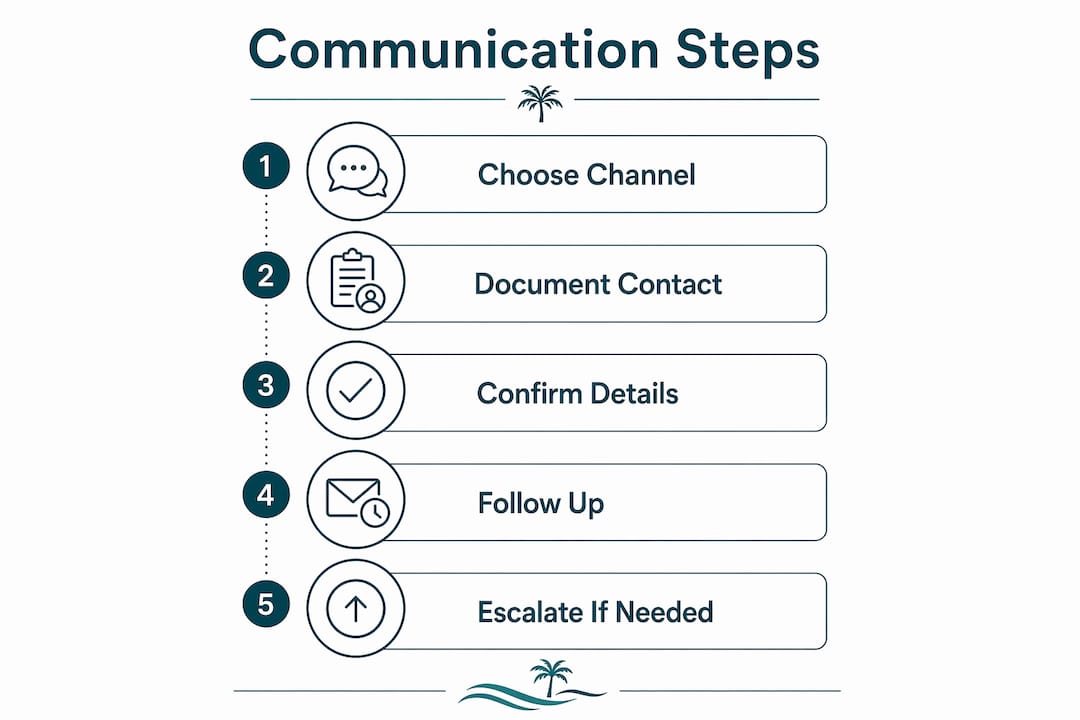
The channel you choose determines how much legal protection you get. Email, text, phone, certified mail, and property management portals each serve a different purpose, and the best renters use all of them strategically.
Email is the default for formal requests. It creates a timestamped record, allows you to attach photos, and gives the landlord a written obligation to respond. Text messages work for quick, urgent prompts, but they are rarely enough on their own for anything serious. Phone calls are fast but leave no paper trail. Certified Mail is the gold standard for legal protection. Certified Mail is the only universally accepted proof in housing courts, which means it shifts the burden of proof to the landlord.
For urgent repairs, the most effective approach is a three-step multi-channel method:
- Send a text immediately to alert the landlord.
- Follow up within the hour with a detailed, timestamped email that describes the problem, the date, and the impact on your living conditions.
- Send Certified Mail if the issue is unresolved within 24–48 hours.
Property management portals add another layer. Many modern communities, including Cynthiagardens in Boca Raton, offer digital portals where renters can submit maintenance requests and track responses. These portals create automatic timestamps and viewed statuses, which function as built-in documentation. The role of digital communication in leasing has grown significantly, and renters who use these tools are better protected than those who rely on phone calls alone.
Pro Tip: Always BCC yourself on every email you send to your landlord. That self-BCC creates an independent timestamp in your own inbox that cannot be altered.
How to prepare and document every conversation
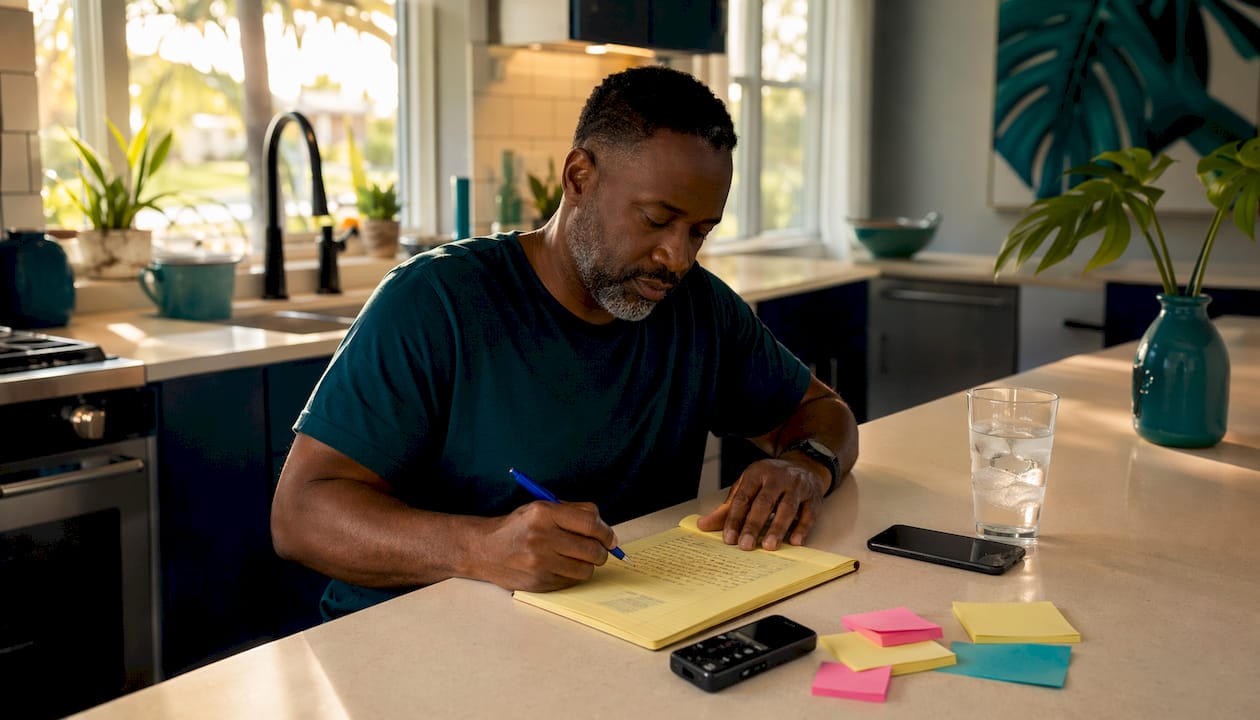
Documentation is the single most powerful tool a renter has. Most housing court cases are decided by who has the better-documented timeline, not who has the stronger argument. A dated communication log with every contact, every response, and every non-response is what wins disputes.
Building your communication log
Your log should record five things for every interaction:
- Date and time of the communication.
- Method used (email, text, phone, in-person, Certified Mail).
- Content summary of what was said or requested.
- Response received (or note that no response was given).
- Follow-up action you took next.
Non-events matter as much as events. If your landlord did not respond to a repair request by the deadline, log that silence. Maintaining a log that includes non-responses proves landlord neglect in court or mediation. Silence is evidence.
The confirming communication technique
Verbal agreements rarely hold in court. The fix is simple: after every phone call or in-person conversation, send a follow-up email within the hour. Start it with: “Per our conversation today, you agreed to…” This technique, known as “Confirming Communication,” converts a spoken promise into a written obligation. Confirming emails shift the burden of proof to the landlord, who must now dispute your written account to deny the agreement.
For maintenance issues, follow a three-strike escalation protocol:
- First notice: A polite, written request citing the specific problem and your lease section.
- Formal follow-up: A firmer email referencing the original request date and the landlord’s obligation under the lease.
- Statutory warning: A certified statutory warning letter that cites local housing codes and states a clear deadline for resolution.
Photograph all damage before and after any repair. Attach those photos to your emails with the date in the file name. That creates a visual record that supports your written log.
Pro Tip: Use the Digital Chain of Custody method: request read receipts on emails, BCC yourself, and note the “viewed” status in your property portal. Together, these create a record that is very difficult to challenge.
What communication techniques resolve landlord-tenant conflicts?
Clear, non-confrontational language is the foundation of conflict resolution. Blame and emotion give landlords a reason to dismiss your concern and focus on your tone instead of the problem. Factual, specific language keeps the conversation on the issue.
“I am writing to follow up on my maintenance request from [date]. The issue remains unresolved. Per Section 12 of my lease, the landlord is responsible for maintaining working plumbing. I am requesting written confirmation of a repair date within five business days.”
That kind of phrasing is polite, firm, and legally grounded. It cites the lease, sets a deadline, and requests a written response. It gives the landlord nothing to argue about except the facts.
For difficult or defensive landlords, the Gray Rock method is the most effective approach. Gray Rock means keeping your replies short, factual, and completely free of emotion. You do not explain yourself, apologize unnecessarily, or engage with provocative language. You state the fact and stop. This preserves your legal high ground and removes the emotional fuel that escalates conflicts.
When discussing rent increases or lease renewals, use data. Negotiating with market rent data and your own payment history gives landlords a concrete reason to accept your counter-offer. A landlord who knows you pay on time and that replacing you costs one to two months of lost rent is more likely to negotiate. Frame the conversation around mutual benefit, not fairness or feelings. For a deeper look at this approach, the guide on how to negotiate rent covers the specific framing that works.
Pro Tip: Before any difficult conversation, write down your three key points. Stick to those points only. Landlords who want to derail a conversation will introduce unrelated topics. Staying focused keeps you in control.
What to do when landlords avoid direct contact
Some landlords prefer phone calls only, respond inconsistently, or go silent on written requests. This is a common challenge, and it requires a specific response strategy.
- Send a follow-up email after every phone call. Even if the landlord refuses to use email, your confirming message creates a written record they cannot easily deny.
- Use Certified Mail for any formal request. When a landlord refuses email, Certified Mail forces a written record and establishes proof of delivery. The landlord’s refusal to sign does not invalidate the notice.
- Check your state’s recording laws before recording calls. Some states allow one-party consent recording, meaning you can record a call without the other person’s knowledge. Others require two-party consent. Know your state’s rule before recording anything.
- Escalate to housing authorities if the pattern continues. If a landlord is consistently unresponsive to documented repair requests, your local housing authority or tenant rights organization can intervene. Document the escalation in your communication log.
- Keep communication minimal and factual. With an avoidant landlord, less is more. Send short, specific messages and avoid lengthy explanations. Every word you write is potential evidence.
Renters who want to understand apartment maintenance steps in detail will find that the same documentation principles apply whether the landlord is responsive or not.
What questions should renters ask landlords?
Asking the right questions before signing a lease prevents most conflicts from ever starting. Consistent, transparent communication reduces disputes and builds mutual trust. The questions below cover the areas where misunderstandings most often occur.
Lease and fees:
- Which utilities are included, and which are the renter’s responsibility?
- What fees apply for late payment, and what is the grace period?
- What are the conditions for lease renewal, and how much notice is required?
- What deductions from the security deposit are standard, and what is the return timeline?
Maintenance and repairs:
- What is the process for submitting a maintenance request?
- What is the expected response time for urgent versus routine repairs?
- Who is responsible for appliance maintenance and replacement?
Rules and communication:
- What is your preferred method of contact for non-emergency questions?
- How much notice do you give before entering the unit?
- Are there community rules that are not listed in the lease?
Get every answer in writing. If the landlord answers verbally, send a confirming email that summarizes what was said. For a full list of questions tailored to Florida renters, the guide on questions to ask your landlord covers Boca Raton-specific considerations in detail.
Pro Tip: Ask about the landlord’s communication preferences on day one. Knowing whether they prefer text, email, or a portal saves you from starting every interaction on the wrong foot.
Key Takeaways
Clear, documented communication is the single most effective tool renters have for preventing disputes and protecting their rights throughout a tenancy.
| Point | Details |
|---|---|
| Use multi-channel communication | Text for urgency, email for documentation, Certified Mail for legal proof. |
| Confirm every verbal agreement | Send a follow-up email after every call to convert spoken promises into written records. |
| Keep a dated communication log | Record every contact, response, and non-response to build a defensible timeline. |
| Use the Gray Rock method in conflicts | Keep replies short, factual, and emotion-free to preserve your legal position. |
| Ask key questions before signing | Clarify maintenance timelines, fees, and communication preferences in writing before move-in. |
What I’ve learned from watching renters win and lose disputes
Most renters I’ve seen struggle with landlords share one common mistake: they wait until a problem is serious before they start documenting. By then, the landlord has weeks of plausible deniability, and the renter has nothing but memory. The renters who come out ahead are the ones who treat documentation as a daily habit, not a crisis response.
The other thing that surprises people is how much tone matters in writing. A frustrated email that uses words like “unacceptable” or “you never” gives a landlord a reason to respond to your emotion instead of your request. I’ve watched landlords use a single heated message to reframe an entire dispute. The Gray Rock method sounds passive, but it is actually the most powerful position you can take. Short, factual, and calm forces the other person to deal with the substance of your complaint.
Staying informed about local tenant laws is not optional. Florida has specific rules about security deposit returns, notice periods, and habitability standards. Renters who cite the relevant statute in their communications are taken more seriously, full stop. Resources like The Gregg Perrah Business Hub offer practical guidance on establishing professional communication standards in rental relationships that are worth reviewing before you sign any lease.
Treat landlord communication as a skill you build over time. The renters who do this well are not just protecting themselves. They are building a rental history that makes every future landlord want to work with them.
— Ayman
Renting at Cynthiagardens: where communication is built in
Clear communication should not depend entirely on the renter’s effort. At Cynthiagardens, a modern apartment community in Boca Raton, the leasing process is designed to remove the guesswork from day one.
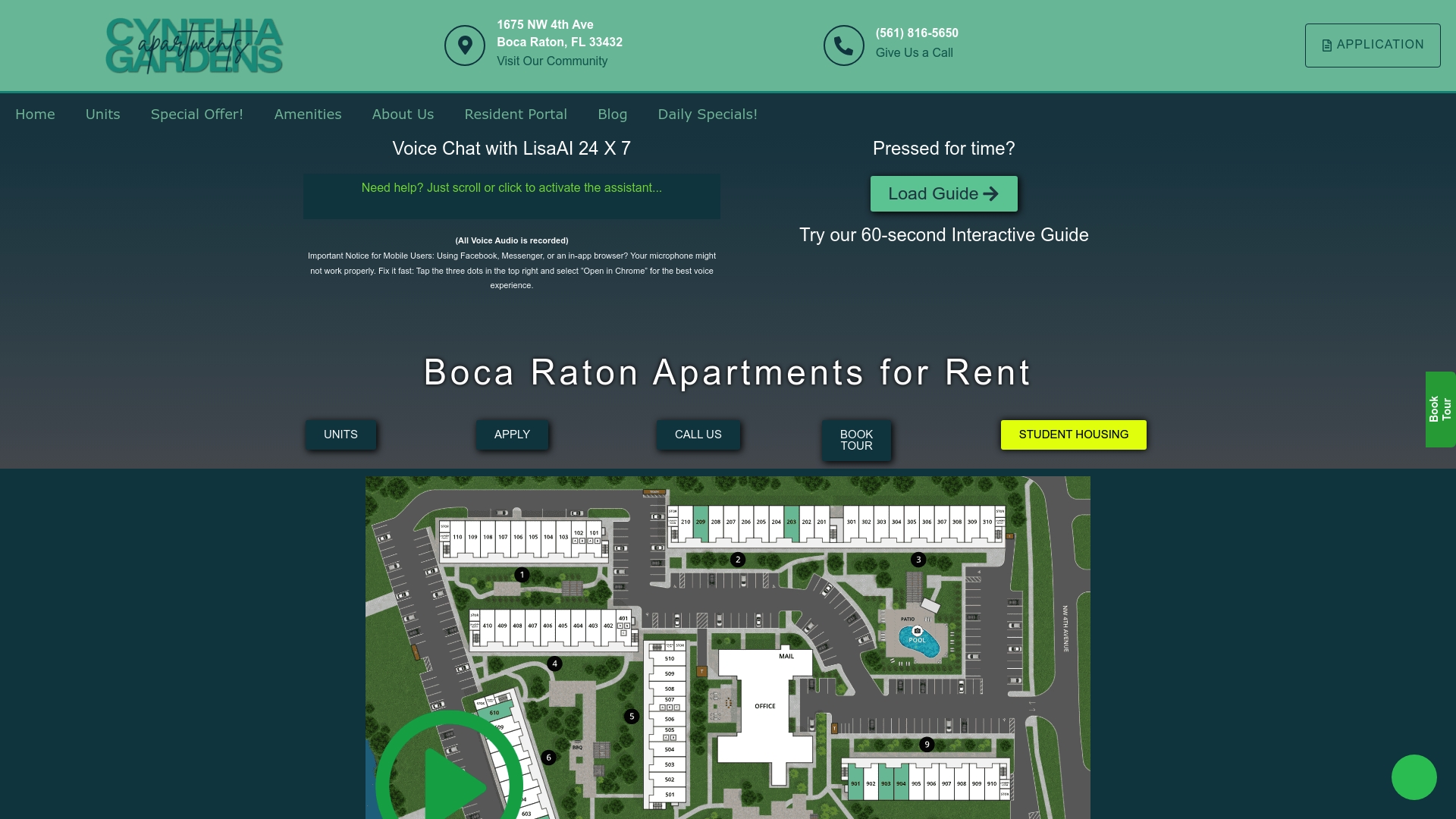
Cynthiagardens offers AI chat support, voice assistance, and a digital portal that timestamps every maintenance request and message automatically. Transparent pricing means no hidden fees to dispute later. Residents can submit requests, track responses, and review lease terms through one platform. For renters who want a community where the landlord relationship starts on solid ground, exploring the apartment styles and features at Cynthiagardens is a practical first step. The leasing workflow is built to give renters clarity and confidence from the first inquiry to move-in day.
FAQ
What is the best way to communicate with a landlord?
Email is the best default channel for landlord communication because it creates a timestamped, written record. For urgent issues, follow up a text with a detailed email within the hour.
How do I document a conversation with my landlord?
Send a confirming email after every phone call or in-person meeting that summarizes what was agreed. This converts verbal promises into written obligations and shifts the burden of proof to the landlord.
What should I do if my landlord ignores my repair requests?
Follow a three-step escalation: a polite written notice, a formal follow-up citing your lease, and a certified statutory warning letter with a clear deadline. Log every step, including non-responses.
What questions should I ask before signing a lease?
Ask about utility responsibilities, maintenance response times, security deposit conditions, notice requirements for entry, and the landlord’s preferred communication method. Get every answer confirmed in writing.
Can I record a phone call with my landlord?
Recording laws vary by state. Some states allow one-party consent recording, while others require both parties to agree. Check your state’s specific law before recording any conversation.
Recommended
- How to Find Affordable Apartments A Renter’s Guide – Luxury Apartments for Rent in Boca Raton | Premium Boca Raton Apartments | Aapartments Boca Raton
- How to Negotiate Apartment Rent for Beginners – Luxury Apartments for Rent in Boca Raton | Premium Boca Raton Apartments | Aapartments Boca Raton
- Apartment Finding Sites The Ultimate Renter’s Guide – Luxury Apartments for Rent in Boca Raton | Premium Boca Raton Apartments | Aapartments Boca Raton
- How to Negotiate Rent Price and Win Your Lease – Luxury Apartments for Rent in Boca Raton | Premium Boca Raton Apartments | Aapartments Boca Raton