
TL;DR:
- Student leasing involves signing rental agreements as a student, often with limited credit or income.
- Budgets should include all housing costs and stay within 30% of total income to avoid hidden fees.
Student leasing is defined as the process of signing a residential rental contract as a full-time or part-time student, often without an established credit history or steady income. This leasing guide for students covers every step you need: setting a realistic budget, choosing the right lease type, building a strong application, and spotting contract traps before you sign. The standard industry term for this process is “residential tenancy,” but students face unique hurdles that general renting guides skip entirely. Knowing the 30% income rule for housing costs and understanding security deposit laws are the two most important starting points.
How to set a realistic housing budget as a student

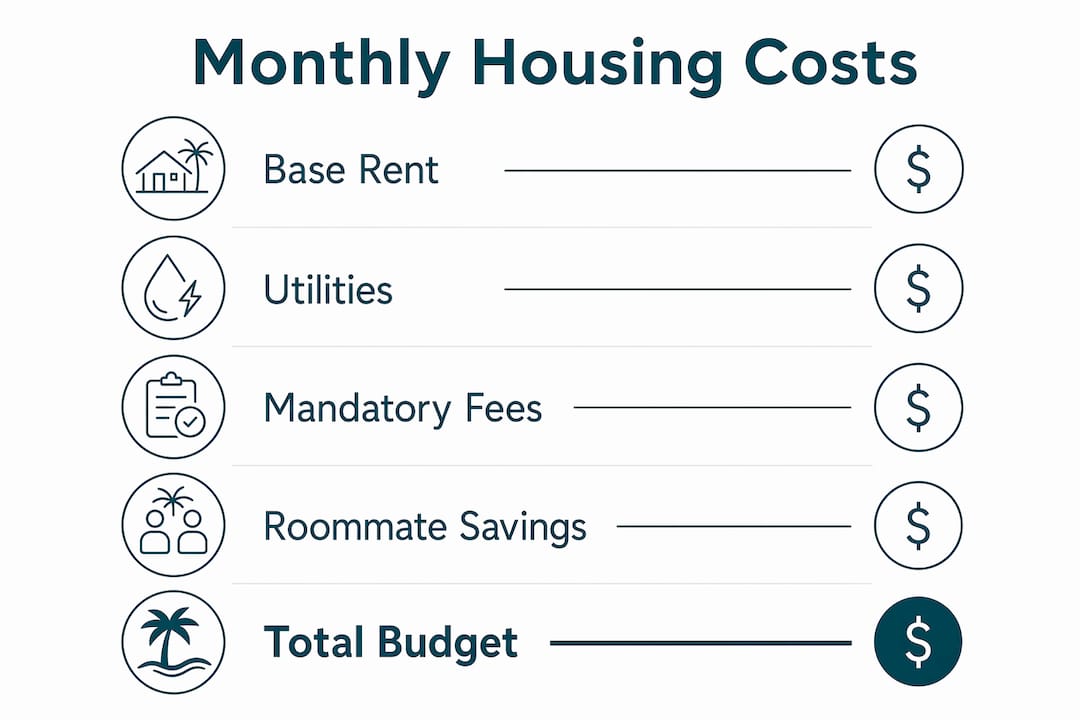
The single biggest mistake students make is budgeting only for rent. Your true monthly housing cost includes rent, utilities, internet, renters insurance, parking, and any mandatory fees the landlord charges.
The industry standard is to spend no more than 30% of your total monthly income on housing. That income calculation includes scholarships, family support, part-time wages, and financial aid disbursements, not just a paycheck. If your combined monthly income is $2,000, your housing budget tops out at $600.
Hidden fees are where student budgets collapse. Mandatory monthly fees such as valet trash, amenity charges, smart package lockers, and parking can add $20 to $400 per month beyond base rent. Always request a full written fee schedule before you tour a unit, not after.
Breaking down your full monthly cost
| Cost category | Typical monthly range |
|---|---|
| Base rent | Varies by market |
| Utilities (electric, water, gas) | $80–$200 |
| Internet | $40–$80 |
| Renters insurance | $10–$20 |
| Parking | $0–$150 |
| Mandatory fees | $20–$400 |
Sharing a unit with a roommate is the most reliable way to cut costs. A utilities-included apartment removes the guesswork from the utility line entirely, which makes monthly budgeting far more predictable. You can also use free tools like Mint or a simple spreadsheet to track every recurring charge from day one.
Pro Tip: Before signing anything, ask the landlord for 12 months of average utility bills for that specific unit. One summer electric bill in Florida can wipe out a month of savings.
What lease type is right for you?
Lease type determines your financial risk more than almost any other factor. Two students can live in identical apartments and face completely different legal exposure based on one clause.
Joint and several liability leases make every tenant on the lease responsible for the full rent. If your roommate stops paying, you owe the entire amount. That can mean eviction and debt collection even when you paid your share on time. Per-bedroom leases limit your liability to your own room, which protects you from a roommate’s default but may cost slightly more per month.
Common lease lengths and when they fit
- 12-month lease: The most common option. Locks in your rate and gives landlords confidence in your tenancy. Best if you plan to stay through summer.
- 9-month or academic-year lease: Aligns with the school calendar. Less common but worth asking about near university campuses.
- Month-to-month lease: Maximum flexibility, but typically costs more per month and gives landlords the right to raise rent or end the tenancy with shorter notice.
Subletting rules deserve close attention. Many leases prohibit subletting entirely, which means you cannot hand your unit to a friend if you study abroad for a semester. Early termination clauses vary widely. Some landlords charge two months’ rent as a penalty; others require you to find a replacement tenant. Read both clauses before you sign.
State law overrides lease contracts in most cases. A clause that waives your right to a habitable unit, for example, is typically unenforceable regardless of what the lease says. Check your state attorney general’s website for a plain-language summary of tenant rights before you commit to any agreement.
Pro Tip: Always get lease modifications in writing. A landlord’s verbal promise to repaint the walls or fix the dishwasher before move-in is legally worthless if it is not in the lease or a signed addendum.
How to find and apply for student housing
The best time to start searching for off-campus housing is 3–4 months before your move-in date. The peak student housing market runs from may through august, which means competition is fierce and prices are higher. Searching in november through february gives you better selection, less competition, and more negotiating power.
Use every resource available. University off-campus housing offices maintain vetted listings that never appear on general rental sites. Set up saved searches with email alerts on major rental platforms so new listings reach you the moment they post. Filter by distance from campus, price, and pet policy to avoid wasting time on units that do not fit.
Building a strong rental application
- Gather your documents early. Collect a government-issued ID, proof of enrollment, financial aid award letters, scholarship documentation, and bank statements showing available funds.
- Line up references. A professor, academic advisor, or previous landlord carries more weight than a friend. Ask permission before listing anyone.
- Arrange a co-signer if needed. Most landlords require income of 2.5–3 times the monthly rent. If you cannot meet that threshold, a parent or guardian co-signing the lease satisfies the requirement.
- Write a short cover letter. A two-paragraph note explaining your enrollment status, expected graduation date, and commitment to the property stands out in a competitive market.
- Offer proof of funds. A bank statement showing two to three months of rent in savings reassures landlords who are skeptical of student income.
Pro Tip: Apply to affordable housing near campus during off-peak months. Landlords with vacant units in december are far more willing to negotiate on price and move-in fees than those fielding ten applications in june.
What to check before you sign a lease
Touring an apartment is not just about liking the space. It is a structured inspection with specific questions that protect your money and your rights.
Start with the financials. Confirm exactly which utilities are included in rent and ask for written documentation of average monthly bills. Ask about maintenance response times and request the name of the property manager you will contact for repairs. Reviews that mention maintenance response and utility reliability in extreme weather tell you far more than a star rating.
Your pre-signing checklist
- Confirm whether the lease is joint and several or per-bedroom
- Verify the full move-in cost: first month, last month, and security deposit
- Ask how and when the security deposit is returned (state laws typically require return within 14–30 days with itemized deductions)
- Check the subletting and early termination clauses
- Request a written list of all mandatory fees
- Photograph and video every room, appliance, and surface before moving in
- Confirm the lease start date matches your actual move-in date
All agreements must be in writing to be enforceable. Verbal promises about repairs, upgrades, or rent discounts carry no legal weight. If a landlord refuses to put something in writing, treat that refusal as a red flag.
Do not sign a lease on the day of the tour. Taking 24–48 hours to review the full contract, compare it against your state’s tenant rights summary, and calculate the true monthly cost prevents the kind of rushed decisions that cost students thousands of dollars. A landlord who pressures you to sign immediately is a warning sign, not a selling point.
For a broader look at utility cost breakdowns by apartment type, Cynthiagardens publishes a detailed guide that helps students calculate realistic totals before committing to a unit.
Key Takeaways
A student who budgets to the 30% income rule, chooses the right lease type, and documents every agreement in writing avoids the most expensive and common rental mistakes.
| Point | Details |
|---|---|
| Apply the 30% rule | Cap total housing costs at 30% of all income sources, including scholarships and family support. |
| Know your lease liability | Per-bedroom leases protect you from roommate defaults; joint leases make you responsible for all rent. |
| Search 3–4 months early | Off-peak searches from november through february offer better deals and less competition. |
| Get everything in writing | Verbal promises are unenforceable; require written addenda for any landlord commitment. |
| Never sign on tour day | Take 24–48 hours to review the full contract and calculate true monthly costs before committing. |
What I’ve learned after watching students sign the wrong lease
The pattern I see most often is this: a student finds a unit they love, feels pressure from the landlord or a competing applicant, and signs the same day without reading past page two of the lease. Three months later, they discover a joint liability clause that leaves them on the hook for a roommate’s unpaid rent, or a mandatory fee schedule that adds $200 a month they never budgeted for.
The fix is not complicated. It just requires slowing down. I tell every student the same thing: treat the lease like a final exam. You would not submit an exam without reading every question. Do not sign a contract without reading every clause.
Joint and several liability is the clause that catches students most off guard. Most students assume that if they pay their share, they are protected. They are not. If you are in a joint lease and your roommate disappears in february, you owe the full rent or face eviction. Per-bedroom leases cost a bit more, but that premium buys real financial protection. For students without a long rental history, that protection is worth every dollar.
One more thing: negotiate. Students assume lease terms are fixed. They are not. Landlords will often waive application fees, reduce the security deposit, or include a parking spot at no charge if you ask in writing during the off-peak season. The worst answer you will get is no. The best answer saves you hundreds of dollars before you even move in. Pair your negotiation with a solid first-time renter strategy and you will walk into signing day with real confidence.
— Ayman
Student-friendly apartments worth a closer look at Cynthiagardens
Students searching for affordable, well-maintained housing near campus in Boca Raton have a clear option worth considering. Cynthiagardens offers one-bedroom apartments with transparent pricing, no hidden fees, and a tech-forward leasing process that includes virtual tours, AI chat support, and an interactive property map.
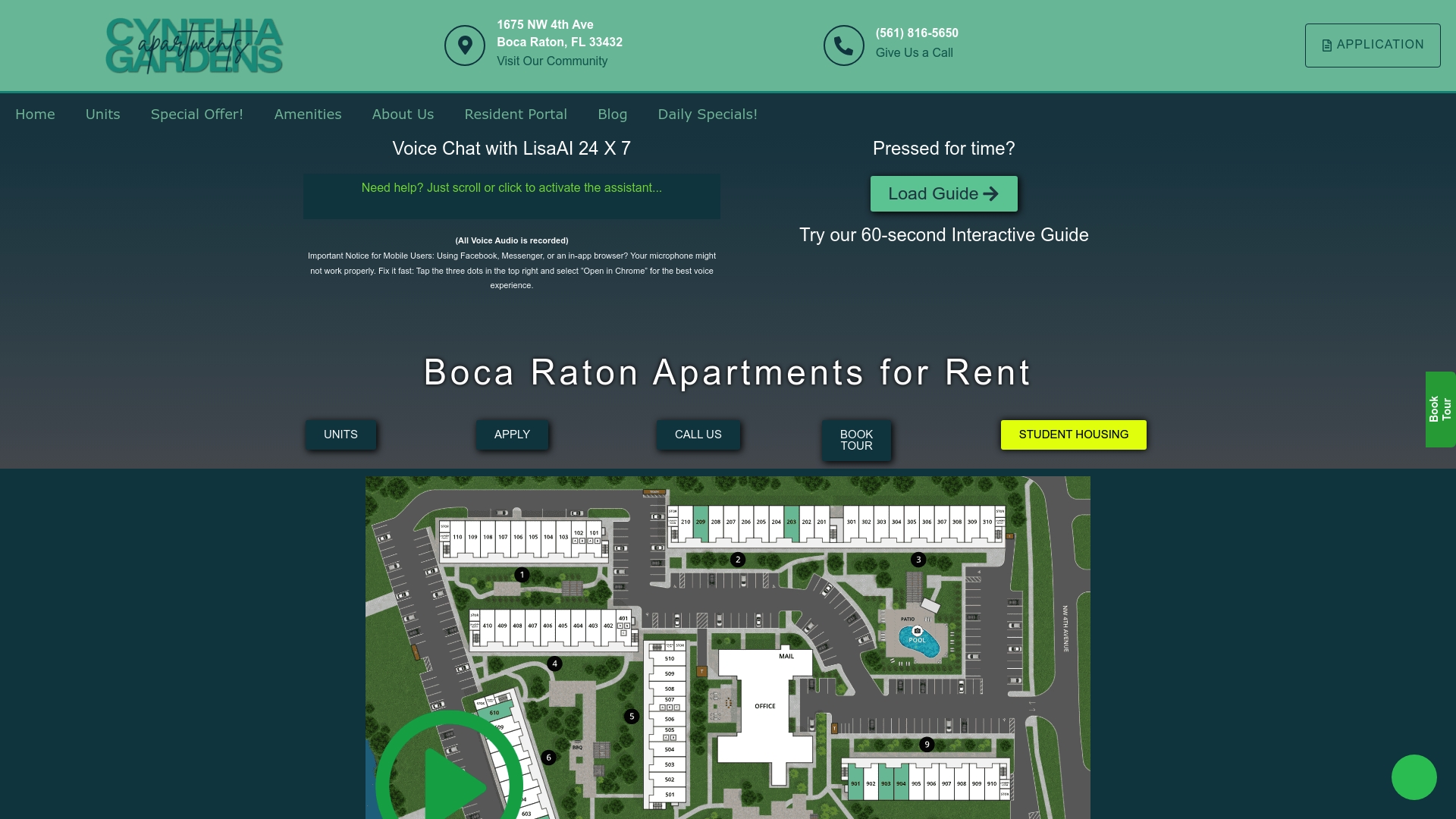
You can browse apartment styles and features to find the layout that fits your budget and lifestyle. For students who want the simplest possible monthly budget, the one-bedroom leasing workflow at Cynthiagardens walks you through every step from application to move-in. The leasing team is available through AI chat and voice assistance, so you get answers without waiting on a callback.
FAQ
What does the 30% rule mean for student housing?
The 30% rule means your total monthly housing cost, including rent, utilities, and fees, should not exceed 30% of your total monthly income. For students, that income includes scholarships, family support, and part-time wages.
What is the difference between a joint lease and a per-bedroom lease?
A joint and several lease makes every tenant responsible for the full rent if any roommate defaults. A per-bedroom lease limits your financial responsibility to your own room only.
When should students start searching for off-campus housing?
Start searching 3–4 months before your intended move-in date. Searching between november and february gives you access to better deals and less competition than the peak may-through-august season.
How long does a landlord have to return a security deposit?
State laws typically require landlords to return security deposits within 14–30 days of move-out, along with an itemized list of any deductions. California, for example, sets a 21-day deadline.
Can a student negotiate lease terms?
Yes. Lease terms are not fixed. Students can negotiate application fees, security deposit amounts, included amenities, and move-in dates, especially during off-peak rental months when landlords have more vacant units to fill.
Recommended
- Apartment Lease Agreement Form A Clear Guide – Luxury Apartments for Rent in Boca Raton | Premium Boca Raton Apartments | Aapartments Boca Raton
- A Lease Agreement Explained Simply – Luxury Apartments for Rent in Boca Raton | Premium Boca Raton Apartments | Aapartments Boca Raton
- Your Guide to a 3 Month Lease – Luxury Apartments for Rent in Boca Raton | Premium Boca Raton Apartments | Aapartments Boca Raton
- Student-Friendly Housing: What Boca Raton Students Need