TL;DR:
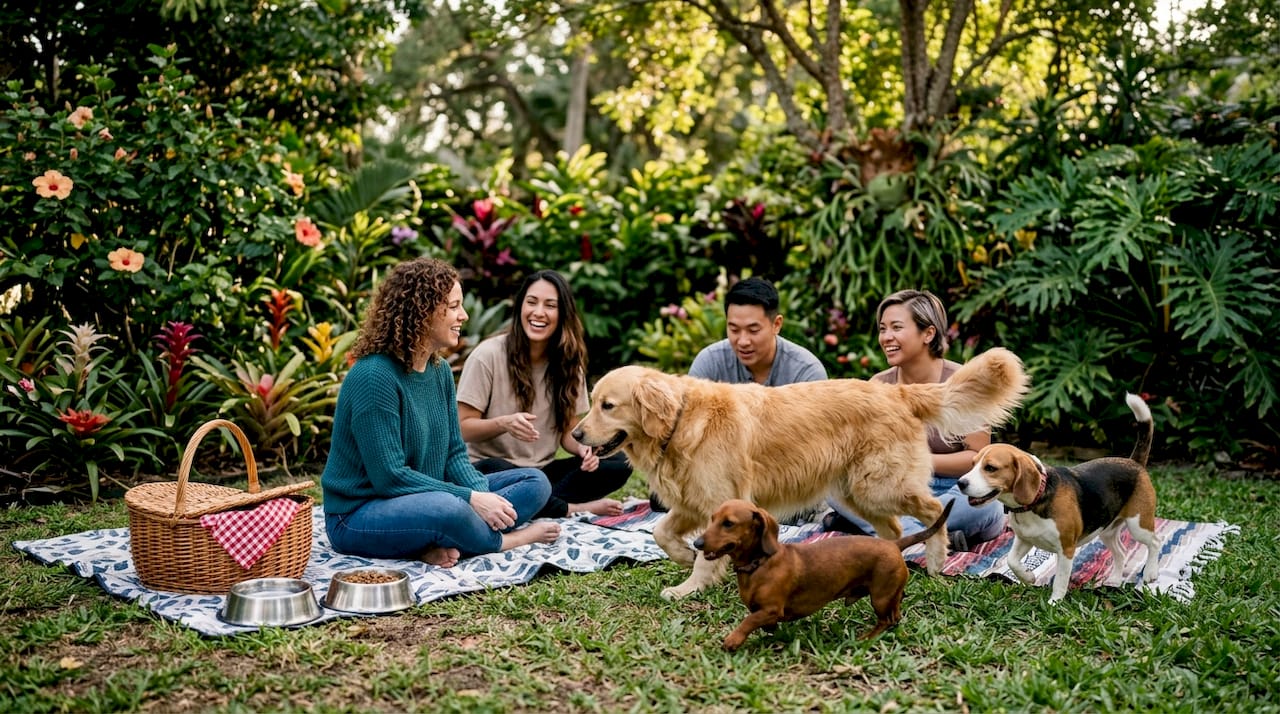
- Community events for pet owners are organized gatherings that promote socialization, activities, and resources for pets and their owners. Participating reduces loneliness, improves pet behavior, and strengthens neighborhood ties through structured, goal-oriented activities tailored to different pet temperaments.
Community events for pet owners are organized gatherings designed to provide socialization, activities, and shared resources for pets and their human companions. These events range from informal local meetups to large festivals attracting thousands of attendees, covering everything from charity walks and adoption fairs to agility workshops and breed-specific socials. The American Veterinary Medical Association (AVMA) and the American Kennel Club (AKC) both recognize structured group activities as a core part of responsible pet ownership. For pet owners in Boca Raton and beyond, these gatherings build neighborhood bonds while giving pets the positive exposure they need to thrive.
What are community events for pet owners?
Community pet events are any organized or semi-organized gatherings where pet owners bring their animals together for a shared purpose. That purpose can be social, educational, recreational, or charitable. The term “community pet gathering” is the broader industry label, covering everything from a six-person dog playdate in a local park to a 2,000-person pet parade through a city center.
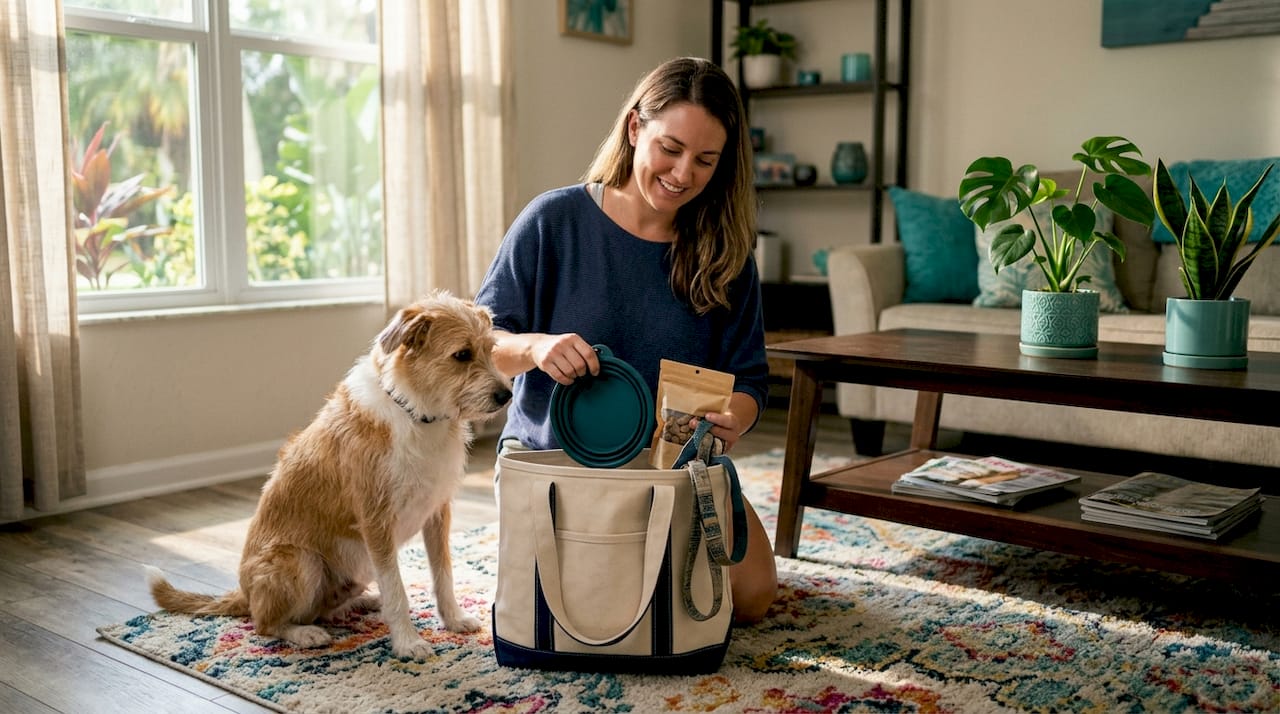
What makes these events distinct from a casual walk is structure and intent. Organizers set rules, designate spaces, and often invite vendors, trainers, or veterinary professionals to participate. That structure is what separates a productive socialization experience from an unpredictable free-for-all. Pet owners who understand this distinction get far more value from every event they attend.
The scope also extends beyond dogs. Cat cafés, small-animal expos, rabbit binkying contests, and exotic pet education days all fall under the same umbrella. The format shifts, but the core goal stays the same: connect owners, enrich pets, and build community.
Common types of community pet events
Community pet events span a wide range of formats, each suited to different pets and personalities. Knowing the differences helps you pick the right fit before you ever leave the house.
| Event type | Typical size | Ideal pet temperament | Activity level |
|---|---|---|---|
| Charity walk or fun run | 50–500 attendees | Calm, leash-trained | Moderate |
| Adoption fair | 20–200 attendees | Adaptable, curious | Low to moderate |
| Pet parade | 100–2,000 attendees | Confident, social | Moderate to high |
| Agility or training workshop | 10–50 attendees | Energetic, food-motivated | High |
| Pop-up pet market | 30–300 attendees | Relaxed, people-friendly | Low |
| Breed-specific meetup | 10–80 attendees | Varies by breed | Moderate |
| Education or wellness session | 10–60 attendees | Calm, handler-focused | Low |
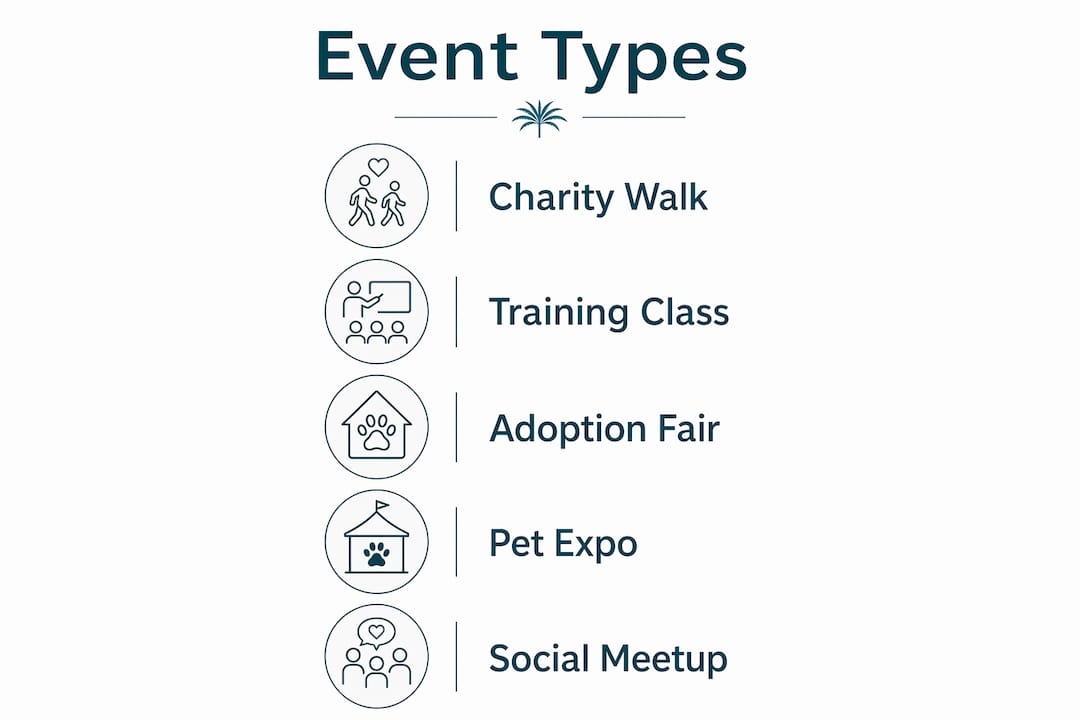
Charity walks are the most accessible entry point for new participants. They require only a leash and a willing dog, and the pace is set by the crowd. Agility workshops sit at the opposite end of the spectrum. They demand focus, a trained recall, and a dog that genuinely enjoys working for rewards. Pop-up pet markets work well for cats in carriers or small animals, since the environment is controlled and foot traffic is predictable. Breed-specific meetups offer a middle ground: familiar energy levels and compatible play styles reduce the risk of conflict.
What are the benefits of attending pet owner social events?
Participation in community pet gatherings reduces loneliness and builds a genuine sense of neighborhood belonging for owners. That is not a soft benefit. Social isolation is a documented health risk, and pet events create low-pressure, recurring opportunities for human connection built around a shared passion.
For pets, the benefits are behavioral. The AKC recommends positive, controlled socialization environments over chaotic gatherings because reward-based group activities reduce fear responses and prevent the development of aggression. A dog that regularly meets calm, friendly dogs in structured settings is less likely to react badly on a leash walk.
“Sharing experiences with fellow pet owners at community events reduces loneliness and fosters a sense of neighborhood belonging that is difficult to replicate through any other activity.”
Key benefits for pets and owners include:
- Reduced pet anxiety through repeated, positive exposure to new people, animals, and environments
- Improved owner mental well-being linked to social connection and shared purpose
- Access to professionals including trainers, veterinarians, and nutritionists present at many events
- Behavioral feedback from experienced owners and handlers who can spot issues early
- Community resources such as local shelter contacts, lost-pet networks, and emergency vet referrals
- Stronger neighborhood ties that extend beyond the event itself
The resource access point deserves emphasis. Many pet owner meetups bring in local veterinary clinics for free nail trims, microchip checks, or vaccination reminders. That practical value alone justifies attending, even for owners who consider their pets fully socialized.
How to prepare your pet for local pet activities
Preparation is the single biggest predictor of a good event experience. Experts advise against bringing young, unvaccinated puppies or reactive pets to crowded events, and they stress the need for active supervision throughout. Check your pet’s vaccination records before committing to any gathering, and confirm that parasite preventives are current per 2026 veterinary guidelines.
Pro Tip: Visit the event venue at an off-peak time before the actual event day. Walk the perimeter, note the entry points, and let your pet sniff the environment without the pressure of a crowd. This single step dramatically reduces first-event anxiety.
Pack for the event as you would pack for a family outing. A well-prepared bag makes the difference between a smooth afternoon and a stressful one.
- Water and a collapsible bowl. Shared water stations spread bacteria and parasites. Bring your own.
- A treat pouch with high-value rewards. Familiar treats keep attention and reinforce calm behavior in new settings.
- A standard leash and a backup long line. Even at off-leash events, a long line gives you a safety net.
- Emergency contacts. Write down your vet’s number, the nearest emergency animal hospital, and a trusted friend who can assist if needed.
- A familiar blanket or mat. A scent-marked resting spot gives anxious pets a safe base to return to.
- Waste bags, more than you think you need. Running out is the fastest way to become unpopular at any community pet event.
Plan rest periods into your schedule. Overstimulation is a real risk, especially for young animals or those new to crowds. Rotate between active participation and quiet time away from the main area.
Etiquette and safety at community pet gatherings
The unwritten social contract at any community pet event is simple: stay attentive and intervene before problems escalate. Owners who scroll through their phones while their dogs create conflict are the most common source of tension at these events. Active supervision is not optional.
Pro Tip: Before entering any off-leash area, perform a “gate check.” Wait at the entrance until the dogs already inside disperse. Entering while a group of excited dogs rushes the gate is one of the most reliable ways to trigger a negative first interaction.
Reading pet stress signals is a skill every owner should develop before attending their first event. Yawning, lip licking, whale eye, and a tucked tail are all early warning signs. Recognizing these signals and stepping away before they escalate protects your pet and the pets around you.
Clear do’s and don’ts for pet owner social events:
- Do keep your phone in your pocket and your eyes on your pet
- Do respect other pets’ space and ask before allowing greetings
- Do remove your pet from any situation that causes visible stress
- Do clean up immediately, every time
- Don’t force your pet into crowded or overwhelming areas
- Don’t bring a reactive or sick pet to a group event
- Don’t let your pet approach other animals without the other owner’s consent
- Don’t assume a wagging tail means a dog is safe to approach
Choosing the right event for your pet’s temperament matters as much as preparation. Not every pet benefits from every type of event. A high-energy parade overstimulates a noise-sensitive dog. A calm wellness workshop bores a working-breed dog that needs physical output. Match the event format to what your specific animal actually enjoys.
How to find or organize pet owner meetups
Local shelters, community centers, independent pet stores, and veterinary clinics are the most reliable starting points for finding pet owner meetups. Most post flyers, maintain social media pages, or keep event calendars at the front desk. Neighborhood apps and local Facebook groups surface informal gatherings that never appear on official event sites.
| Source | Best for | Planning tip |
|---|---|---|
| Local animal shelter | Adoption fairs, volunteer events | Call ahead to confirm pet attendance rules |
| Veterinary clinic | Wellness days, vaccination clinics | Ask about partner events with local trainers |
| Independent pet store | Pop-up markets, training demos | Check in-store bulletin boards weekly |
| Neighborhood social apps | Informal meetups, playdates | Filter by pet type and neighborhood radius |
| Community center | Organized walks, education sessions | Check seasonal program schedules |
Organizing a small local meetup requires less than most owners expect. Pick a public park with clear rules about leashes and waste. Set a date, create a simple event post in a neighborhood group, and cap attendance at a manageable number for a first gathering. Volunteer with an established animal welfare group first if you want to build credibility before running your own event. That experience teaches logistics, conflict resolution, and how to read a crowd of animals quickly. Cynthiagardens residents benefit from a pet-friendly community that makes connecting with local pet networks straightforward from day one.
Key Takeaways
Community pet events deliver the most value when owners choose the right event format, prepare thoroughly, and stay actively engaged throughout.
| Point | Details |
|---|---|
| Definition matters | Community pet events are structured gatherings, not casual outings, and that structure drives their socialization value. |
| Match event to pet | Choose events based on your pet’s temperament and energy level, not convenience or crowd size. |
| Preparation is non-negotiable | Current vaccinations, a packed bag, and a pre-visit to the venue set the foundation for a safe experience. |
| Active supervision protects everyone | Stay off your phone, read body language, and intervene early before stress escalates. |
| Community access is a real benefit | Events connect owners to trainers, vets, and local networks that extend well beyond the event itself. |
What I’ve learned from years of watching owners get this wrong
Most owners treat community pet events as passive entertainment. They show up, let their dog run, and assume the event does the work. It does not. The owners who get the most out of these gatherings treat them like a skill to practice, not a box to check.
The mistake I see most often is mismatching the event to the pet. A timid rescue dog at a loud parade is not being socialized. It is being overwhelmed. The AKC’s guidance on positive, controlled interaction exists for exactly this reason. Exposure without positive association does not build confidence. It builds avoidance.
The second mistake is underestimating the human side of these events. Pet owner social events are as much about the owners as the animals. The friendships, the shared knowledge, the neighbor who texts you when your dog gets out. That network has real-world value that no amount of solo dog walking builds. Owners who show up distracted miss it entirely.
My honest recommendation: start small. Find a breed-specific meetup or a low-key pop-up market. Go twice before you judge the experience. Bring good treats, leave your phone in your bag, and actually talk to people. The pet-friendly apartment features that support your daily routine matter, but the community you build at these events is what makes pet ownership genuinely rewarding long-term.
— Ayman
Cynthiagardens and the pet-friendly community life in Boca Raton
Pet owners who want to make the most of local pet activities need a home base that supports that lifestyle, not one that fights it.
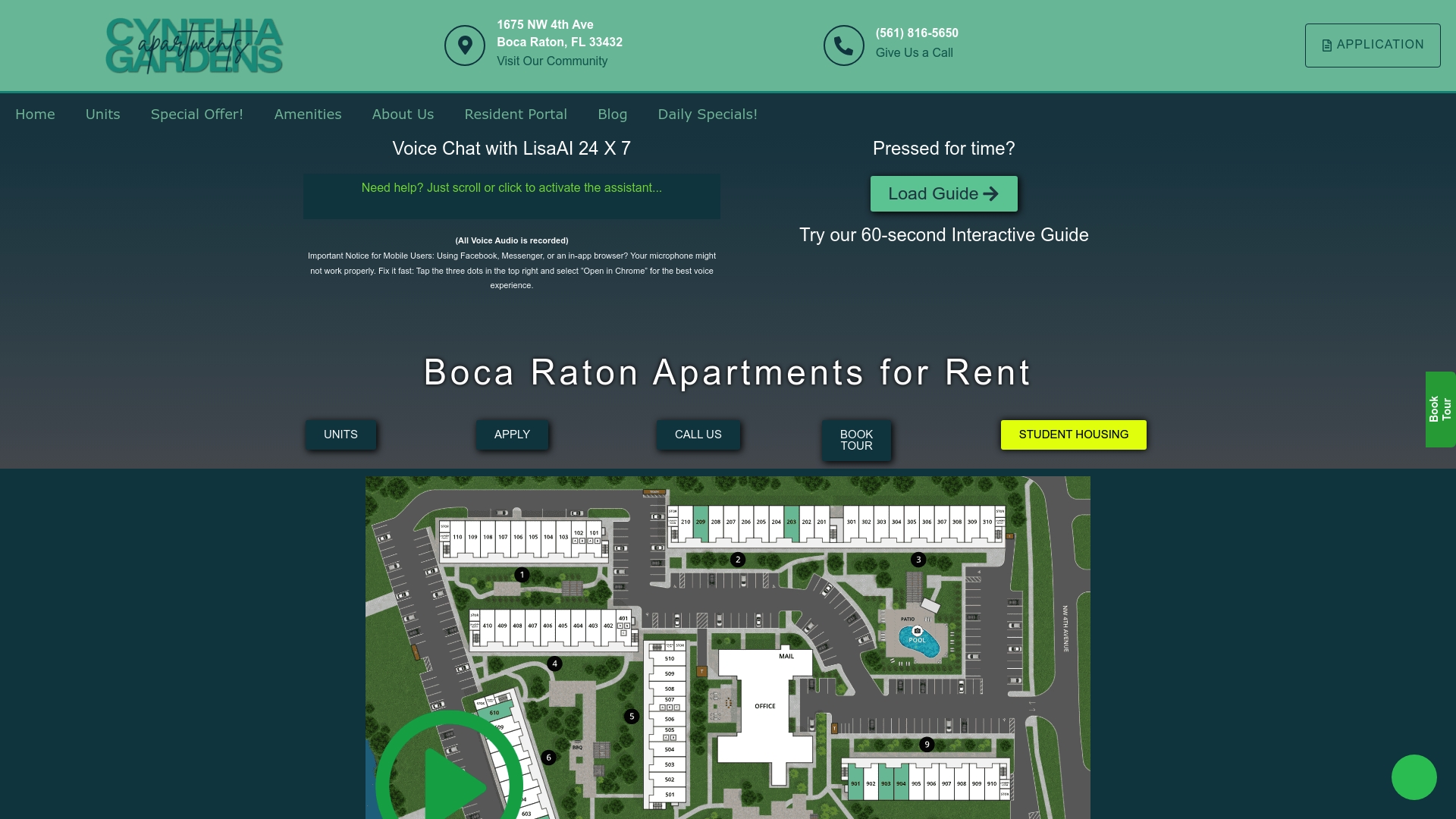
Cynthiagardens is a modern apartment community in Boca Raton built with pet owners in mind. The community offers well-maintained one-bedroom apartments with transparent pricing, no hidden fees, and amenities that make daily pet care practical rather than stressful. Residents get easy access to Boca Raton’s growing network of pet-friendly parks, events, and local shelters. Explore the apartment styles and features at Cynthiagardens to see how the community supports both you and your pet. Virtual tours, AI chat support, and an interactive property map make it easy to find the right fit before you ever visit in person.
FAQ
What is a community event for pet owners?
A community event for pet owners is an organized gathering where pet owners bring their animals together for socialization, education, or recreation. Formats range from charity walks and adoption fairs to training workshops and breed-specific meetups.
How do I find local pet owner meetups near me?
Local animal shelters, independent pet stores, veterinary clinics, and neighborhood social apps are the most reliable sources for finding local pet activities and meetups. Many events are posted only in neighborhood Facebook groups or on in-store bulletin boards.
What should I bring to a community pet event?
Bring water with a collapsible bowl, high-value treats, a standard leash, waste bags, emergency contact numbers, and a familiar mat or blanket for your pet to rest on.
Are community pet events safe for all pets?
Not every pet benefits from every event. Reactive or unvaccinated pets should not attend crowded gatherings, and sensitive animals do better at small, calm events than at large, high-energy ones.
How do I organize a small pet owner meetup?
Choose a public park with clear leash and waste rules, post the event in a neighborhood group, cap attendance for the first gathering, and stay present to manage the group actively throughout.
Recommended
- How to Find Pet-Friendly Apartments: A Complete Guide – Luxury Apartments for Rent in Boca Raton | Premium Boca Raton Apartments | Aapartments Boca Raton
- how to find pet friendly apartments: A Quick Guide – Luxury Apartments for Rent in Boca Raton | Premium Boca Raton Apartments | Aapartments Boca Raton
- Affordable Housing for Pet Owners—What Matters Most
- Best Pet-Friendly Apartment Features for Renters – Luxury Apartments for Rent in Boca Raton | Premium Boca Raton Apartments | Aapartments Boca Raton