
TL;DR:
- Co-living is a housing model where unrelated residents share private bedrooms and common facilities under a single operator, offering an organized community experience. It provides all-in pricing, flexible leases, and built-in social activities, making it ideal for students, young professionals, and remote workers in Boca Raton. However, it offers less privacy and control than traditional apartments, so understanding community standards and management is crucial before choosing this option.
You’ve been scrolling through rental listings in Boca Raton, and suddenly you see “co-living” pop up next to one-bedroom apartments and roommate-wanted posts. What exactly is it? Many young professionals and students assume co-living is just a fancy word for having roommates, but that assumption can lead to some real surprises when move-in day arrives. This guide breaks down exactly what co-living is, how it works in practice, and whether it makes sense for your life in Boca Raton given your priorities around privacy, your budget, and your pet.
Table of Contents
- Defining co-living: What it really means
- How co-living works: Layouts and living experience
- Co-living vs. other rentals: What’s the difference?
- Who is co-living for? Is it right for you?
- What most Boca Raton newcomers miss about co-living
- Find your fit: Explore modern, affordable Boca Raton apartments
- Frequently asked questions
Key Takeaways
| Point | Details |
|---|---|
| Private space with community | Co-living gives you a private bedroom while sharing amenities with others, combining privacy and affordability. |
| Flexible and affordable | Most co-living spaces offer flexible leases and streamlined moving, ideal for students and young professionals. |
| Transparency matters | Choose co-living or apartment options with clear rules, transparent pricing, and responsive management for peace of mind. |
| Compare your options | Weigh co-living against traditional apartments to see which matches your lifestyle, budget, and need for pet-friendly policies. |
Defining co-living: What it really means
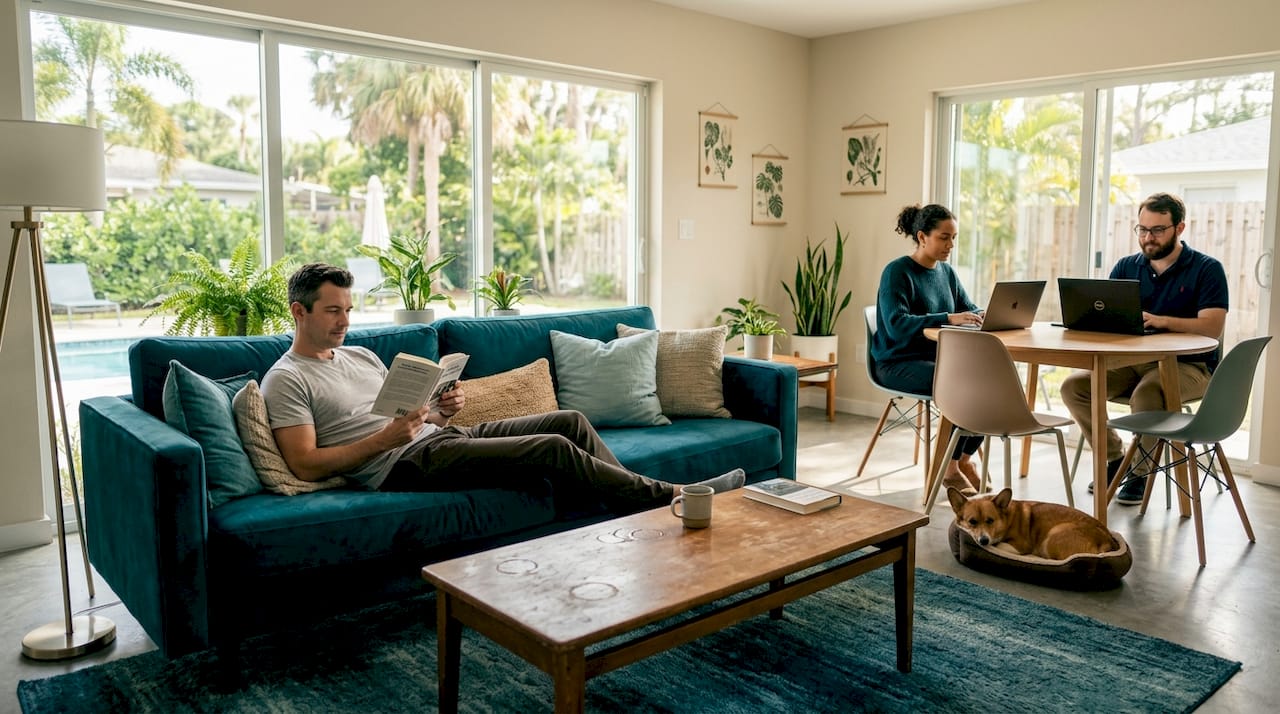
Co-living is one of those terms that gets used loosely, so let’s nail it down. According to the formal definition, co-living is a housing model where unrelated people share a residence and common facilities, typically under a single operator, while residents usually have private bedrooms. That last part matters enormously. You are not sharing a bedroom with a stranger. You get your own private space, and you share things like the kitchen, the lounge, laundry rooms, or coworking zones.
Here is what separates co-living from a standard roommate situation:
- Single operator: One company or manager handles rent collection, maintenance, and house rules for everyone. You are not negotiating lease terms directly with the person down the hall.
- All-in pricing: Rent typically includes utilities, internet, and sometimes furnishings. There is no bill-splitting chaos each month.
- Structured shared spaces: Common areas are intentionally designed for community use, not just because two people happen to share a kitchen by default.
- Flexible lease terms: Many co-living properties offer month-to-month agreements, which is a big plus for students or those new to Boca Raton.
- Community programming: Organized social events and community guidelines are standard, not optional add-ons.
“Co-living is a housing model where unrelated people share a residence and common facilities, typically under a single operator, while residents usually have private bedrooms.” Wikipedia
The key insight here is that co-living is a managed experience, not just a practical arrangement. That distinction changes everything about daily life inside those walls.
How co-living works: Layouts and living experience
Now that you know what co-living is, let’s look at how it actually works and feels on a daily basis.
The physical structure of a co-living property typically follows a consistent pattern. You have a private bedroom, which may or may not come with its own private bathroom, and then you move through shared hallways into shared spaces. Co-living combines aspects of shared housing and coworking, so residents often get private bedrooms plus shared kitchens, lounges, and amenities. Some upscale co-living buildings even include a dedicated coworking floor, a rooftop lounge, or a gym, all included in your monthly cost.
Here is a sequential look at what you can expect:
- Move-in: A community manager or leasing agent walks you through house rules, shows you your private space, and introduces you to shared amenity areas.
- Daily routine: You use your private bedroom for sleeping, working, and personal time. Shared kitchens and lounges are for cooking, eating, and socializing.
- Maintenance and support: You submit requests through an app or portal. The single operator handles all repairs, so you never argue with a housemate about who pays for a broken appliance.
- Community engagement: Social events like game nights, skill-sharing workshops, or weekend outings are often organized by a community manager.
- Move-out: Lease flexibility means many co-living setups allow 30 days notice rather than the standard 60 or 90 days for traditional leases.
Here is a quick breakdown of what is typically included versus extra:
| Feature | Typically included | Sometimes extra |
|---|---|---|
| Private bedroom | Yes | N/A |
| Utilities (electric, water) | Yes | Rarely |
| High-speed internet | Yes | No |
| Furnished room | Usually | Varies |
| Cleaning of shared spaces | Yes | N/A |
| Cleaning of private room | Sometimes | Often |
| Gym or pool access | Varies | Varies |
| Parking | Varies | Often |
Pro Tip: Before signing anything, ask the operator exactly which services are included in the monthly rent and which ones appear as separate charges. Transparent pricing is a major differentiator between a great co-living community and a frustrating one.
For young professionals thinking about community living benefits beyond just splitting costs, the managed experience of co-living can be genuinely valuable, especially when you first arrive in a new city like Boca Raton and do not have an established social network yet.
Co-living vs. other rentals: What’s the difference?
Understanding co-living is easier when you can compare it directly to the other living options you might consider in Boca Raton.
Here is a direct comparison table that covers what matters most to you:
| Factor | Co-living | Traditional apartment | Standard roommate setup |
|---|---|---|---|
| Privacy | Private bedroom, shared common areas | Full private unit | Negotiated, varies wildly |
| Monthly cost | Mid-range, often all-inclusive | Higher, utilities separate | Lower base rent, unpredictable extras |
| Lease flexibility | Month-to-month common | 12-month standard | Depends on primary leaseholder |
| Included amenities | High, often all-in | Varies by building | Rarely included |
| Management | Single professional operator | Property management company | No formal oversight |
| Pet-friendliness | Varies by operator | Varies by property | Depends on primary tenant |
| Social environment | Built-in community | You build it yourself | Depends on compatibility |
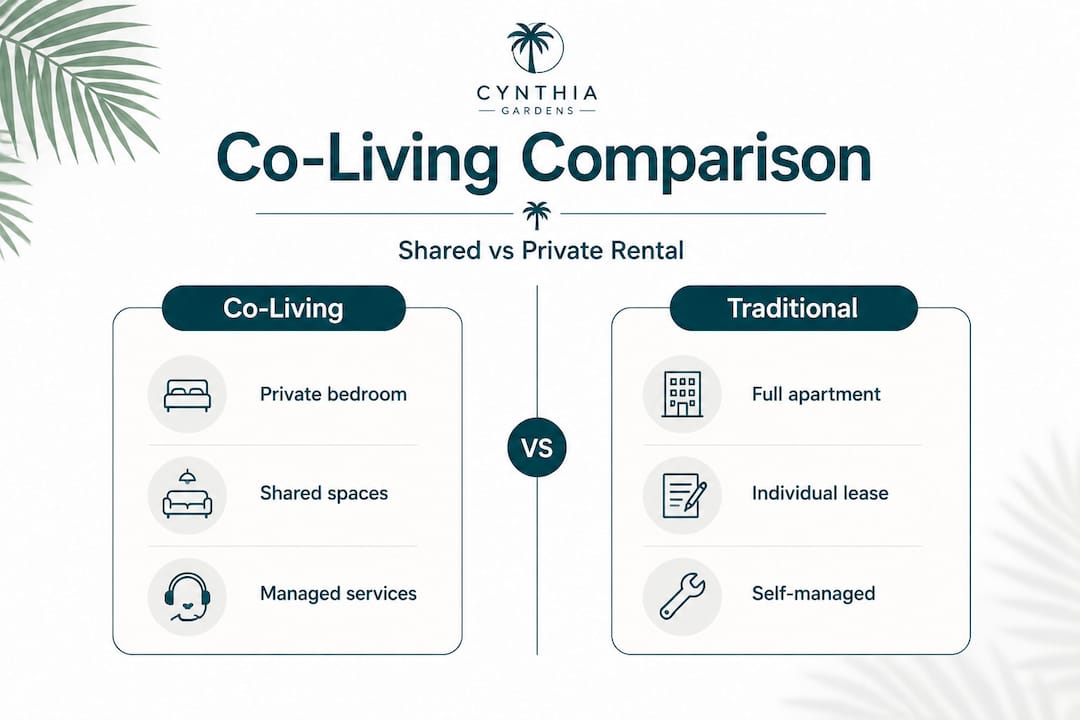
The important nuance here is that different co-living brands may be closer to shared housing with a community manager or room-by-room rentals inside a shared home. These produce very different privacy, pricing, and lease experiences even though the term is the same. Reading the fine print is not optional.
What traditional apartments do better:
- Complete privacy over your entire unit
- No shared kitchen drama
- More control over guests, decor, and daily rhythms
- Better suited for pet owners who need space and outdoor access
What co-living does better:
- All-in pricing with no hidden utility surprises
- Built-in social scene for newcomers
- No furniture shopping required on move-in day
- Shorter commitments for people testing a new city
What standard roommate setups get wrong most often:
- No professional oversight when conflicts arise
- Shared bills can create tension without clear rules
- Lease terms are tied to whoever signed first, creating vulnerability
When you are comparing your options, it helps to look at detailed apartment vs condo comparisons to understand what features come standard in different property types. You should also review available modern apartment features to understand what amenities you can expect without going the co-living route.
One important callout: not all co-living is created equal. Communities with transparent rules, responsive management, and clear pricing deliver a dramatically better experience than loosely organized arrangements that simply slap the co-living label on a shared house.
Who is co-living for? Is it right for you?
Now that you see how co-living stacks up against other options, let’s see if it actually fits your needs.
Co-living tends to work especially well for specific groups of people. If you fall into one of these categories, it is worth a serious look:
- Students at FAU or other Boca Raton schools: You get affordable rent, built-in community, and a furnished room without buying anything.
- Young professionals new to Boca Raton: You avoid the isolation of moving somewhere without a social network.
- Digital nomads or remote workers: Short leases and coworking amenities fit your mobile lifestyle.
- People relocating for work: You need somewhere comfortable while you get settled and figure out the city.
- Budget-focused renters: Splitting overhead across shared spaces genuinely lowers monthly costs compared to fully private units.
The affordability advantages for young renters are real, especially in a market like Boca Raton where one-bedroom apartments in desirable neighborhoods carry higher price tags. Co-living can be a strategic bridge while you build savings or wait for the right private unit to open up.
That said, co-living is not for everyone. Here are the honest challenges:
- Privacy limits are real. If you work from home all day and value absolute quiet, sharing a kitchen with five other people could wear on you quickly.
- Housemate conflicts happen. Even with a community manager, personality clashes in shared spaces are a reality.
- Rules apply to everyone. Some co-living operators have strict quiet hours, guest policies, or restrictions on cooking certain foods. That is a culture fit question you need to answer honestly for yourself.
- Less control over your environment. You cannot repaint walls, rearrange furniture that belongs to the operator, or adopt a dog without checking if it’s permitted.
Pro Tip: Before committing to any co-living space, spend time in the shared areas during peak hours, ideally morning and evening. The quality of daily urban apartment living in Boca Raton depends heavily on how well the community actually functions when everyone is home at the same time.
Co-living as a housing model where unrelated people share a residence under a single operator works well when everyone understands the rules going in. The best communities make those rules visible and easy to understand from day one.
What most Boca Raton newcomers miss about co-living
Before you decide if co-living is right for you, here is an insider perspective on what most Boca Raton renters overlook.
The first thing people get wrong is focusing almost entirely on price. Yes, co-living can be more affordable than renting a full unit on your own. But the bigger value driver is actually the quality of management and community standards. We have seen renters move into technically cheap co-living spaces only to spend months dealing with unresolved maintenance issues, unclear guest policies, and rotating housemates who were never properly vetted. The cost savings evaporated when you factor in the stress and time lost.
The flexibility angle is another one that cuts both ways. Month-to-month leases sound amazing until you realize that the operator can also change terms, raise prices, or ask you to vacate on relatively short notice in some markets. Flexibility works in your favor when you need it, but it can also make long-term planning harder. If you are planning to stay in Boca Raton for two or more years, a well-managed apartment with a standard lease may actually offer more stability and financial predictability than a rolling co-living arrangement.
Pet owners need to pay especially close attention here. Many co-living spaces do not allow pets at all because of shared-space considerations and the challenges of managing allergies or noise complaints across a community. The ones that do allow pets often have strict breed or size restrictions. This is not a detail to discover after you have fallen in love with an apartment tour. Ask about the pet policy during your very first conversation with an operator, not your last.
The renters who consistently get the best experience from co-living share one thing in common: they prioritized communities with transparent operations, clear house rules, and genuinely responsive support over communities that simply offered the lowest listed price. Community standards in apartment living determine your daily quality of life far more than square footage does. Look for operators who publish their rules openly, respond quickly to messages, and maintain their shared spaces properly. That is the real differentiator.
Find your fit: Explore modern, affordable Boca Raton apartments
If co-living sounds like it checks some boxes but you still want the privacy and independence of your own place, you have strong options right here in Boca Raton.
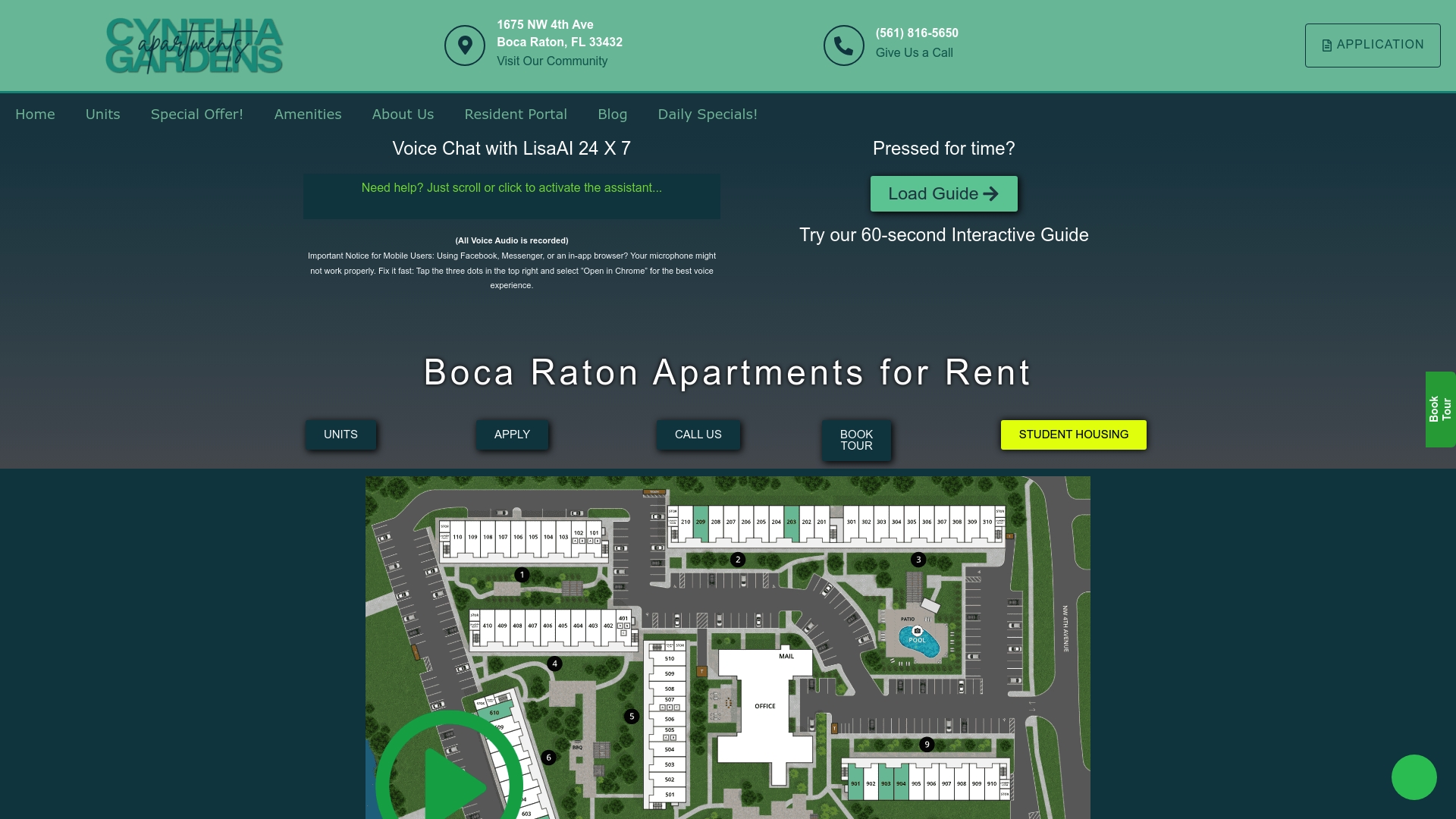
At Cynthia Gardens, we offer affordable one-bedroom apartments in Boca Raton with transparent pricing, no hidden fees, and pet-friendly policies that are clearly stated from day one. You can explore one-bedroom apartment options with virtual tours, an interactive property map, and AI-powered chat support so you can get your questions answered any time. We have designed our leasing experience to feel as easy and low-pressure as possible. Browse all available apartment styles and features to find the layout and amenities that actually match how you live.
Frequently asked questions
Is co-living cheaper than renting a one-bedroom apartment on your own?
Co-living can cost less upfront because utilities, internet, and furnishings are often bundled into one monthly payment, but the total cost depends on the operator and what is actually included. Always compare the all-in monthly number, not just the base rent.
Do co-living spaces allow pets in Boca Raton?
Some co-living communities do allow pets, but policies vary significantly by operator and property, so confirm this detail before you tour. Never assume a pet-friendly label applies to your specific animal without checking breed and size restrictions directly.
How is privacy maintained in co-living arrangements?
Most co-living spaces provide private, lockable bedrooms, and residents usually have private bedrooms with shared kitchens and living areas as the main common zones. Some higher-end co-living properties also offer private bathrooms attached to each bedroom.
What services or utilities are typically included with co-living?
Co-living combines shared housing with shared amenities, so rent typically covers utilities, high-speed internet, cleaning of common areas, and basic furnishings. This makes monthly budgeting more predictable compared to a standard apartment where you manage every bill separately.
Recommended
- Modern Apartment Living: Why It Matters in 2026
- Affordable Luxury: High-End Living on a Budget – Luxury Apartments for Rent in Boca Raton | Premium Boca Raton Apartments | Aapartments Boca Raton
- 7 Key Advantages of Affordable Housing for Young Renters
- Young Professional Housing: Modern Living for Boca Raton