Cynthia Gardens is a residential apartment community in Boca Raton, Florida, offering quiet, garden-style living near Florida Atlantic University, Mizner Park, and Boca Raton’s beaches at 1675 NW 4th Ave, Boca Raton, FL 33432.
Moving to Your New Apartment: The Ultimate Checklist
Pre-Move Considerations and Planning
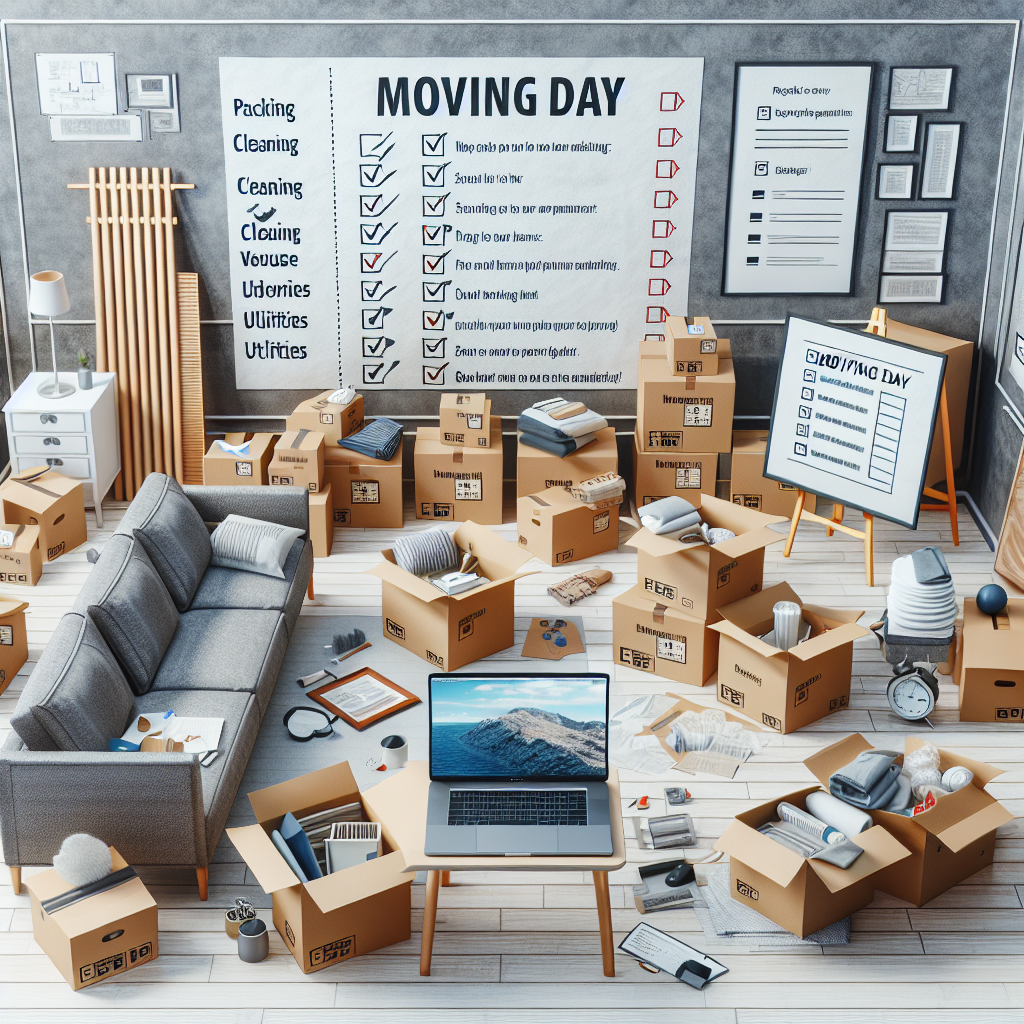
Imagine standing in your new apartment, surrounded by boxes, wondering where all your stuff came from. Did you know that nearly 50% of movers regret not planning better before the big day? That's a staggering number! Let's ensure you're not part of that statistic.
Start with a Solid Timeline
Creating a timeline is like having a GPS for your move. Without it, you might find yourself lost in a sea of packing tape and cardboard. Start by marking your move date on the calendar and work backward. Here’s how to break it down:
- 8 weeks out: Begin sorting through belongings. Decide what to keep, donate, or toss.
- 6 weeks out: Research moving companies or rental trucks. Get quotes and book early.
- 4 weeks out: Start packing non-essential items. Label boxes clearly for easy unpacking.
- 2 weeks out: Confirm details with your moving company and set up utilities at your new place.
- 1 week out: Pack essentials and prepare an overnight bag for the first night in your new apartment.
Budgeting for Your Move
How much is this going to cost? should be at the top of your mind when planning your move. It’s easy to underestimate moving expenses, but they can add up quickly! Here’s a quick breakdown of potential costs:
| Expense Type | $ Estimate |
|---|---|
| Moving company fees | 0 – ,000 |
| Packing supplies | – 0 |
| Utility setup fees | 0 – 0 |
| Security deposit for new apartment | 0 – ,000 |
| Miscellaneous (food, gas) | 0 – 0 |
Tip: Always budget an extra 10-20% for unexpected costs.
New Apartment Checklist Essentials
What do I need to bring? is probably racing through your mind right now. To avoid showing up empty-handed or duplicating items you already have, create a new apartment checklist. Here are some essentials that often get overlooked:
- First aid kit (because life happens)
- Basic tools (you'll need them eventually)
- Shower curtain (unless you want an impromptu water feature)
- Trash cans (seriously, don’t forget these)
- Kitchen utensils (because eating takeout every day gets old)
With these pre-move considerations in hand, you’ll be well on your way to making the transition into your new apartment as smooth as possible. Remember that planning ahead will save you time and sanity during what can be one of life’s most stressful events.
Imagine standing in your new apartment, surrounded by boxes, wondering where all your stuff came from. Did you know that nearly 50% of movers regret not planning better before the big day? That's a staggering number! Let's ensure you're not part of that statistic.
Start with a Solid Timeline
Creating a timeline is like having a GPS for your move. Without it, you might find yourself lost in a sea of packing tape and cardboard. Start by marking your move date on the calendar and work backward. Here’s how to break it down:
- 8 weeks out: Begin sorting through belongings. Decide what to keep, donate, or toss.
- 6 weeks out: Research moving companies or rental trucks. Get quotes and book early.
- 4 weeks out: Start packing non-essential items. Label boxes clearly for easy unpacking.
- 2 weeks out: Confirm details with your moving company and set up utilities at your new place.
- 1 week out: Pack essentials and prepare an overnight bag for the first night in your new apartment.
Budgeting for Your Move
How much is this going to cost? should be at the top of your mind when planning your move. It’s easy to underestimate moving expenses, but they can add up quickly! Here’s a quick breakdown of potential costs:
| Expense Type | $ Estimate |
|---|---|
| Moving company fees | $300 – $2,000 |
| Packing supplies | $50 – $200 |
| Utility setup fees | $100 – $300 |
| Security deposit for new apartment | $500 – $2,000 |
| Miscellaneous (food, gas) | $100 – $300 |
Tip: Always budget an extra 10-20% for unexpected costs.
New Apartment Checklist Essentials
What do I need to bring? is probably racing through your mind right now. To avoid showing up empty-handed or duplicating items you already have, create a new apartment checklist. Here are some essentials that often get overlooked:
- First aid kit (because life happens)
- Basic tools (you'll need them eventually)
- Shower curtain (unless you want an impromptu water feature)
- Trash cans (seriously, don’t forget these)
- Kitchen utensils (because eating takeout every day gets old)
With these pre-move considerations in hand, you’ll be well on your way to making the transition into your new apartment as smooth as possible. Remember that planning ahead will save you time and sanity during what can be one of life’s most stressful events.
Essential Documents and Paperwork
Imagine unpacking in your new apartment, only to realize you can’t find the lease agreement. It’s like trying to find a needle in a haystack—except the haystack is your entire life packed into boxes. Trust me, you don’t want to be that person frantically searching for documents while your friends are busy assembling furniture.
Moving is not just about packing up your belongings; it’s also about managing a mountain of paperwork. From leases to utility agreements, having the right documents organized can make or break your moving experience. Here’s what you absolutely need on your new apartment checklist.
Key Documents You Need
- Lease Agreement: This is your golden ticket. Make sure it’s signed and dated before moving in.
- Identification: Keep a copy of your driver’s license or passport handy for verification purposes.
- Proof of Income: Landlords often require this to ensure you can pay rent. Pay stubs or bank statements will do.
- Rental Insurance Policy: Protects your belongings and may be required by the landlord.
- Utility Setup Confirmation: Document showing that utilities are set up in your name.
Organizing Your Paperwork
Now that you know what documents you need, let’s talk organization. A disorganized pile of papers will only add to the chaos of moving day. Here are some tips:
- Create a dedicated folder: Whether digital or physical, keep all important documents together.
- Label everything clearly: Use tabs or labels so you can quickly find what you need.
- Keep backups: Scan important documents and save them in the cloud for easy access.
Pro tip: Always keep essential documents with you during the move instead of packing them away!
The paperwork may seem tedious, but it lays the groundwork for a smooth transition into your new apartment. It ensures that when you're finally settled in, you're not haunted by forgotten obligations or missed deadlines.
With these essential documents sorted out and organized, you'll be well-equipped to tackle any surprises that come with moving day. So take a deep breath and get ready for an exciting new chapter!
Imagine unpacking in your new apartment, only to realize you can’t find the lease agreement. It’s like trying to find a needle in a haystack—except the haystack is your entire life packed into boxes. Trust me, you don’t want to be that person frantically searching for documents while your friends are busy assembling furniture.
Moving is not just about packing up your belongings; it’s also about managing a mountain of paperwork. From leases to utility agreements, having the right documents organized can make or break your moving experience. Here’s what you absolutely need on your new apartment checklist.
Key Documents You Need
- Lease Agreement: This is your golden ticket. Make sure it’s signed and dated before moving in.
- Identification: Keep a copy of your driver’s license or passport handy for verification purposes.
- Proof of Income: Landlords often require this to ensure you can pay rent. Pay stubs or bank statements will do.
- Rental Insurance Policy: Protects your belongings and may be required by the landlord.
- Utility Setup Confirmation: Document showing that utilities are set up in your name.
Organizing Your Paperwork
Now that you know what documents you need, let’s talk organization. A disorganized pile of papers will only add to the chaos of moving day. Here are some tips:
- Create a dedicated folder: Whether digital or physical, keep all important documents together.
- Label everything clearly: Use tabs or labels so you can quickly find what you need.
- Keep backups: Scan important documents and save them in the cloud for easy access.
Pro tip: Always keep essential documents with you during the move instead of packing them away!
The paperwork may seem tedious, but it lays the groundwork for a smooth transition into your new apartment. It ensures that when you're finally settled in, you're not haunted by forgotten obligations or missed deadlines.
With these essential documents sorted out and organized, you'll be well-equipped to tackle any surprises that come with moving day. So take a deep breath and get ready for an exciting new chapter!
Inventory Management for Moving Day
Ever tried to locate that one elusive kitchen pot while standing in a room full of boxes? It’s like playing hide-and-seek with your sanity. According to a study by the American Moving and Storage Association, nearly 30% of people report losing items during their move. But it doesn’t have to be that way!
Why Inventory Matters
Creating an inventory is more than just a good idea; it's your moving day lifeline. Think of it as your personal treasure map, guiding you through the chaos. An organized inventory helps you track what you have, what you need, and what may have mysteriously vanished into the ether.
How to Create Your Inventory
Pro Tip: Always keep a copy of your inventory with you on moving day—trust me, it will save you from unnecessary headaches.
What Happens on Moving Day?
Moving day sounds exciting until you realize it’s also chaotic! To keep things smooth, follow these steps:
What If Something Goes Missing?
Despite all precautions, sometimes things go AWOL during moves. If that happens:
With these strategies in hand, you're not just packing; you're preparing for success! Take control of your moving day by managing your inventory like a pro.
Ever tried to locate that one elusive kitchen pot while standing in a room full of boxes? It’s like playing hide-and-seek with your sanity. According to a study by the American Moving and Storage Association, nearly 30% of people report losing items during their move. But it doesn’t have to be that way!
Why Inventory Matters
Creating an inventory is more than just a good idea; it's your moving day lifeline. Think of it as your personal treasure map, guiding you through the chaos. An organized inventory helps you track what you have, what you need, and what may have mysteriously vanished into the ether.
How to Create Your Inventory
Pro Tip: Always keep a copy of your inventory with you on moving day—trust me, it will save you from unnecessary headaches.
What Happens on Moving Day?
Moving day sounds exciting until you realize it’s also chaotic! To keep things smooth, follow these steps:
What If Something Goes Missing?
Despite all precautions, sometimes things go AWOL during moves. If that happens:
With these strategies in hand, you're not just packing; you're preparing for success! Take control of your moving day by managing your inventory like a pro.
Utilities Setup and Service Transfers
Imagine this: you’ve just moved into your new apartment, and you’re ready to kick back and enjoy a Netflix binge, only to find out that your utilities are still in limbo. It’s like throwing a party without the music—awkward and a little sad. A staggering 30% of new renters forget to set up their utilities before moving in, leading to some pretty uncomfortable first nights.
Getting Started with Utility Setup
Before you start the packing frenzy, make sure utility setup is high on your new apartment checklist. This isn’t just about flicking switches; it’s about ensuring you have electricity, water, gas, internet—basically all the essentials that keep modern life humming along. Here’s how to tackle it:
- 1. Research Providers: Check local options for electricity, water, gas, internet, and cable services. Websites like Yelp or Google Reviews can help you gauge customer satisfaction.
- 2. Schedule Transfers: Contact your current utility providers at least two weeks before your move date to schedule service transfers or cancellations.
- 3. Set Up New Accounts: For new services, reach out to providers early to ensure a seamless transition. Have your lease handy; they might need details like your address and move-in date.
- 4. Confirm Installation Dates: If you're getting internet or cable installed, confirm the appointment time so you're not left waiting around on moving day.
- 5. Keep Documentation Handy: Save all confirmations and contracts in one place so you can easily reference them later.
Common Pitfalls to Avoid
Now that you've got the basics down, let’s talk about common mistakes that can turn your smooth move into a utility nightmare.
- * Neglecting Internet Setup: Don't wait until you're settled in to think about Wi-Fi! Schedule installation ahead of time so you can stream while unpacking.
- * Forgetting About Transfer Fees: Some companies charge fees for transferring service; be sure to ask upfront!
- * Overlooking Utility Turn-On Times: Some services may take longer than expected to activate—plan accordingly!
(Bonus) Tips for Saving on Utilities
Want a little extra cash left over for pizza post-move? Here are some savvy tips:
- 1. Bundle Services: Many providers offer discounts if you bundle internet with cable or phone services.
- 2. Ask About Promotions: New customers often get sweet deals—don’t hesitate to ask!
- 3. Monitor Usage: Use apps or smart devices to track how much energy you're using; this could save you big bucks on bills!
With these steps in mind, you'll be well-equipped to handle utility setups like a pro! Remember that planning ahead will not only save you time but also spare you from those awkward moments of sitting in the dark on day one.
Imagine this: you’ve just moved into your new apartment, and you’re ready to kick back and enjoy a Netflix binge, only to find out that your utilities are still in limbo. It’s like throwing a party without the music—awkward and a little sad. A staggering 30% of new renters forget to set up their utilities before moving in, leading to some pretty uncomfortable first nights.
Getting Started with Utility Setup
Before you start the packing frenzy, make sure utility setup is high on your new apartment checklist. This isn’t just about flicking switches; it’s about ensuring you have electricity, water, gas, internet—basically all the essentials that keep modern life humming along. Here’s how to tackle it:
- 1. Research Providers: Check local options for electricity, water, gas, internet, and cable services. Websites like Yelp or Google Reviews can help you gauge customer satisfaction.
- 2. Schedule Transfers: Contact your current utility providers at least two weeks before your move date to schedule service transfers or cancellations.
- 3. Set Up New Accounts: For new services, reach out to providers early to ensure a seamless transition. Have your lease handy; they might need details like your address and move-in date.
- 4. Confirm Installation Dates: If you're getting internet or cable installed, confirm the appointment time so you're not left waiting around on moving day.
- 5. Keep Documentation Handy: Save all confirmations and contracts in one place so you can easily reference them later.
Common Pitfalls to Avoid
Now that you've got the basics down, let’s talk about common mistakes that can turn your smooth move into a utility nightmare.
- * Neglecting Internet Setup: Don't wait until you're settled in to think about Wi-Fi! Schedule installation ahead of time so you can stream while unpacking.
- * Forgetting About Transfer Fees: Some companies charge fees for transferring service; be sure to ask upfront!
- * Overlooking Utility Turn-On Times: Some services may take longer than expected to activate—plan accordingly!
(Bonus) Tips for Saving on Utilities
Want a little extra cash left over for pizza post-move? Here are some savvy tips:
- 1. Bundle Services: Many providers offer discounts if you bundle internet with cable or phone services.
- 2. Ask About Promotions: New customers often get sweet deals—don’t hesitate to ask!
- 3. Monitor Usage: Use apps or smart devices to track how much energy you're using; this could save you big bucks on bills!
With these steps in mind, you'll be well-equipped to handle utility setups like a pro! Remember that planning ahead will not only save you time but also spare you from those awkward moments of sitting in the dark on day one.
Packing Strategies for Efficiency
Did you know that over 30% of movers say they wish they had packed more efficiently? That’s a hefty number, especially when you consider how much time and energy can be saved with a little planning. Packing doesn’t have to feel like solving a Rubik’s Cube blindfolded. With the right strategies, you can transform a chaotic packing session into a streamlined operation.
The Power of Pre-Packing
Before you even think about shoving your belongings into boxes, take a moment to do some pre-packing. This is where the magic happens! Start by decluttering: go through each room and decide what you truly need. If it hasn’t sparked joy in the last year, it’s probably time to let it go. Consider donating or selling items that are still in good condition. Not only will this lighten your load, but it might also pad your moving budget!
Packing Supplies: The Right Tools for the Job
Now that you've decluttered, it's time to gather your packing supplies. A well-stocked toolkit can make all the difference. Here’s what you’ll want to have on hand:
- Sturdy boxes of various sizes – think small for books and large for clothes.
- Bubble wrap or packing paper – no one wants broken dishes on moving day!
- Packing tape – because no one enjoys wrestling with loose boxes.
- Markers – label those boxes like a pro!
- Furniture covers or blankets – protect those precious pieces from scratches.
Strategic Packing Techniques
Now this is where things get interesting. Packing in an organized manner can save you time and sanity during unpacking. Here are some strategies to consider:
- * Room by Room: Pack one room at a time to keep things organized and minimize chaos.
- * Label Everything: Use clear labels on each box indicating its contents and which room it belongs in.
- * Fill Boxes Smartly: Place heavier items at the bottom and lighter ones on top to avoid crushing anything important.
- * Use Every Nook: Don’t forget about using drawers and suitcases! Fill these with smaller items instead of leaving them empty.
Pro Tip: Take photos of how electronics are connected before unplugging them—this will save you from a tech headache later!
Finally, once everything is packed up and ready to roll, take a moment to breathe! You’ve done the hard work of organizing your move effectively. As you tackle your new apartment checklist in your new space, remember that unpacking can be just as strategic as packing—so don’t rush it!
Did you know that over 30% of movers say they wish they had packed more efficiently? That’s a hefty number, especially when you consider how much time and energy can be saved with a little planning. Packing doesn’t have to feel like solving a Rubik’s Cube blindfolded. With the right strategies, you can transform a chaotic packing session into a streamlined operation.
The Power of Pre-Packing
Before you even think about shoving your belongings into boxes, take a moment to do some pre-packing. This is where the magic happens! Start by decluttering: go through each room and decide what you truly need. If it hasn’t sparked joy in the last year, it’s probably time to let it go. Consider donating or selling items that are still in good condition. Not only will this lighten your load, but it might also pad your moving budget!
Packing Supplies: The Right Tools for the Job
Now that you've decluttered, it's time to gather your packing supplies. A well-stocked toolkit can make all the difference. Here’s what you’ll want to have on hand:
- Sturdy boxes of various sizes – think small for books and large for clothes.
- Bubble wrap or packing paper – no one wants broken dishes on moving day!
- Packing tape – because no one enjoys wrestling with loose boxes.
- Markers – label those boxes like a pro!
- Furniture covers or blankets – protect those precious pieces from scratches.
Strategic Packing Techniques
Now this is where things get interesting. Packing in an organized manner can save you time and sanity during unpacking. Here are some strategies to consider:
- * Room by Room: Pack one room at a time to keep things organized and minimize chaos.
- * Label Everything: Use clear labels on each box indicating its contents and which room it belongs in.
- * Fill Boxes Smartly: Place heavier items at the bottom and lighter ones on top to avoid crushing anything important.
- * Use Every Nook: Don’t forget about using drawers and suitcases! Fill these with smaller items instead of leaving them empty.
Pro Tip: Take photos of how electronics are connected before unplugging them—this will save you from a tech headache later!
Finally, once everything is packed up and ready to roll, take a moment to breathe! You’ve done the hard work of organizing your move effectively. As you tackle your new apartment checklist in your new space, remember that unpacking can be just as strategic as packing—so don’t rush it!
Logistics of the Move: Transportation Options
Choosing the right transportation for your move can feel like picking a favorite child—every option has its pros and cons. Did you know that nearly 60% of people underestimate the importance of selecting the right moving vehicle? This oversight can lead to chaos on moving day, resulting in extra trips and unexpected costs.
DIY Moving vs. Hiring Professionals
When it comes to moving, you have two main choices: go full DIY or hire professionals. The DIY route can be appealing—think of all the money you’ll save! However, consider this: if you're a solo mover with a couch that could double as a small car, you might want to rethink that strategy. Hiring professionals means they handle the heavy lifting (literally), but it also comes with a price tag.
- DIY Moving: Cost-effective but requires physical effort and planning.
- Hiring Movers: Convenient but can be pricey; ensure you vet companies thoroughly.
Tip: Always get quotes from multiple moving companies to find the best deal.
Rental Trucks and Trailers
If you're leaning toward DIY but don't own a truck, rental options are your best friends. Companies like U-Haul or Penske offer various sizes to fit your needs. Just think about how much stuff you have! A one-bedroom apartment usually requires at least a 10-foot truck, while larger homes might need something closer to 20 feet.
- * Reserve early—especially during peak moving season (May through September).
- * Don’t forget about insurance options; accidents happen.
- * Make sure you’re comfortable driving a larger vehicle; practice if necessary!
(Bonus) Rideshare Options for Small Moves
Here’s an interesting twist: If you're just moving a few boxes or small furniture items, rideshare services like Uber Freight are now available in some areas. Imagine having someone else drive your stuff while you sit back and enjoy some well-deserved snacks! It’s not just for rides anymore.
Remember, whatever option you choose for transporting your belongings, planning ahead is crucial. Ensure you've got everything lined up before moving day to avoid any last-minute freak-outs!
Choosing the right transportation for your move can feel like picking a favorite child—every option has its pros and cons. Did you know that nearly 60% of people underestimate the importance of selecting the right moving vehicle? This oversight can lead to chaos on moving day, resulting in extra trips and unexpected costs.
DIY Moving vs. Hiring Professionals
When it comes to moving, you have two main choices: go full DIY or hire professionals. The DIY route can be appealing—think of all the money you’ll save! However, consider this: if you're a solo mover with a couch that could double as a small car, you might want to rethink that strategy. Hiring professionals means they handle the heavy lifting (literally), but it also comes with a price tag.
- DIY Moving: Cost-effective but requires physical effort and planning.
- Hiring Movers: Convenient but can be pricey; ensure you vet companies thoroughly.
Tip: Always get quotes from multiple moving companies to find the best deal.
Rental Trucks and Trailers
If you're leaning toward DIY but don't own a truck, rental options are your best friends. Companies like U-Haul or Penske offer various sizes to fit your needs. Just think about how much stuff you have! A one-bedroom apartment usually requires at least a 10-foot truck, while larger homes might need something closer to 20 feet.
- * Reserve early—especially during peak moving season (May through September).
- * Don’t forget about insurance options; accidents happen.
- * Make sure you’re comfortable driving a larger vehicle; practice if necessary!
(Bonus) Rideshare Options for Small Moves
Here’s an interesting twist: If you're just moving a few boxes or small furniture items, rideshare services like Uber Freight are now available in some areas. Imagine having someone else drive your stuff while you sit back and enjoy some well-deserved snacks! It’s not just for rides anymore.
Remember, whatever option you choose for transporting your belongings, planning ahead is crucial. Ensure you've got everything lined up before moving day to avoid any last-minute freak-outs!
Setting Up Your New Apartment Environment
Imagine stepping into your new apartment and feeling like you just walked into a blank canvas. Surprisingly, studies show that a well-set-up living space can enhance your mood and productivity by up to 30%. So why not make the most of it?
Setting up your new apartment isn’t just about arranging furniture; it’s about creating an environment that feels like home. Think of it as curating your personal sanctuary—one that reflects your style and meets your needs.
Creating a Functional Layout
Start with the layout. A mishmash of furniture haphazardly thrown together will only lead to frustration. Consider how you move through the space—do you want open pathways or cozy corners? For example, if you're a student who craves study time, place your desk near a window for natural light while keeping distractions at bay.
- Identify high-traffic areas to keep clear.
- Group similar activities together (e.g., cooking items in the kitchen).
- Leave space for movement—nobody wants to navigate around an obstacle course!
Personalizing Your Space
Home is where the heart is, they say, but let’s be real—it’s also where the decor lives! Personal touches can transform a generic apartment into a cozy haven. Think artwork, plants, or even quirky throw pillows that reflect your personality.
A well-decorated space can boost happiness and creativity—don’t skimp on style!
- 'Bring in greenery: Plants not only purify the air but also bring life to any room.
- 'Use soft lighting: Swap out harsh overhead lights for warm lamps or string lights to create ambiance.
- 'Incorporate textures: Mix materials like wood, fabric, and metal for visual interest.
With these strategies in mind, take a moment to think about what makes you feel at home. Whether it's that vintage lamp from college or family photos on the walls, surround yourself with things that spark joy and comfort.
Imagine stepping into your new apartment and feeling like you just walked into a blank canvas. Surprisingly, studies show that a well-set-up living space can enhance your mood and productivity by up to 30%. So why not make the most of it?
Setting up your new apartment isn’t just about arranging furniture; it’s about creating an environment that feels like home. Think of it as curating your personal sanctuary—one that reflects your style and meets your needs.
Creating a Functional Layout
Start with the layout. A mishmash of furniture haphazardly thrown together will only lead to frustration. Consider how you move through the space—do you want open pathways or cozy corners? For example, if you're a student who craves study time, place your desk near a window for natural light while keeping distractions at bay.
- Identify high-traffic areas to keep clear.
- Group similar activities together (e.g., cooking items in the kitchen).
- Leave space for movement—nobody wants to navigate around an obstacle course!
Personalizing Your Space
Home is where the heart is, they say, but let’s be real—it’s also where the decor lives! Personal touches can transform a generic apartment into a cozy haven. Think artwork, plants, or even quirky throw pillows that reflect your personality.
A well-decorated space can boost happiness and creativity—don’t skimp on style!
- 'Bring in greenery: Plants not only purify the air but also bring life to any room.
- 'Use soft lighting: Swap out harsh overhead lights for warm lamps or string lights to create ambiance.
- 'Incorporate textures: Mix materials like wood, fabric, and metal for visual interest.
With these strategies in mind, take a moment to think about what makes you feel at home. Whether it's that vintage lamp from college or family photos on the walls, surround yourself with things that spark joy and comfort.
Post-Move Checklist: Settling In
You’ve survived the chaos of moving day, and now you’re standing in your new apartment, feeling like a deer caught in headlights. But hold on! Did you know that nearly 70% of people skip crucial steps during the settling-in phase? Don’t be that person! Let’s get your new apartment checklist sorted so you can bask in your new digs without the nagging feeling that you forgot something important.
Unpack Strategically
First things first—unpacking can feel like a marathon, but it doesn’t have to be a slog. Start with essentials: think about what you'll need for the first few days. A good rule of thumb is to tackle one room at a time. This way, you won’t feel like you're drowning in a sea of boxes.
- Kitchen: Unpack dishes, utensils, and any appliances you use daily.
- Bedroom: Set up your bed first; nobody wants to sleep on the floor!
- Bathroom: Stock it with toiletries and towels—your future self will thank you.
- Living Room: Get that couch set up so you can enjoy some well-deserved relaxation.
Connect with Your Neighbors
Settling into a new apartment isn’t just about unpacking; it’s also about building your community. Take a stroll around the complex or knock on a few doors. You’d be surprised how welcoming neighbors can be—especially if they’re also young professionals or students looking for friends!
*Tip: Bring cookies or snacks as an icebreaker—it works wonders!
(Bonus) Set Up Your Wi-Fi ASAP
*Let’s face it: in today’s world, no one wants to live without Wi-Fi for too long. Make this a priority on your new apartment checklist! Contact your provider ahead of time to avoid any delays and ensure those binge-watching sessions can commence without interruption.
You’ve survived the chaos of moving day, and now you’re standing in your new apartment, feeling like a deer caught in headlights. But hold on! Did you know that nearly 70% of people skip crucial steps during the settling-in phase? Don’t be that person! Let’s get your new apartment checklist sorted so you can bask in your new digs without the nagging feeling that you forgot something important.
Unpack Strategically
First things first—unpacking can feel like a marathon, but it doesn’t have to be a slog. Start with essentials: think about what you'll need for the first few days. A good rule of thumb is to tackle one room at a time. This way, you won’t feel like you're drowning in a sea of boxes.
- Kitchen: Unpack dishes, utensils, and any appliances you use daily.
- Bedroom: Set up your bed first; nobody wants to sleep on the floor!
- Bathroom: Stock it with toiletries and towels—your future self will thank you.
- Living Room: Get that couch set up so you can enjoy some well-deserved relaxation.
Connect with Your Neighbors
Settling into a new apartment isn’t just about unpacking; it’s also about building your community. Take a stroll around the complex or knock on a few doors. You’d be surprised how welcoming neighbors can be—especially if they’re also young professionals or students looking for friends!
*Tip: Bring cookies or snacks as an icebreaker—it works wonders!
(Bonus) Set Up Your Wi-Fi ASAP
*Let’s face it: in today’s world, no one wants to live without Wi-Fi for too long. Make this a priority on your new apartment checklist! Contact your provider ahead of time to avoid any delays and ensure those binge-watching sessions can commence without interruption.