Table of Contents
- Why Pet Friendly Plants Matter in Apartments
- 1. Spider Plant (Chlorophytum comosum)
- 2. Boston Fern (Nephrolepis exaltata)
- 3. African Violet (Saintpaulia)
- 4. Cast Iron Plant (Aspidistra elatior)
- 5. Parlor Palm (Chamaedorea elegans)
- Low Light Pet Friendly Plants for Apartments
- How to Keep Pets Away from Indoor Plants
- Frequently Asked Questions
Last Updated: September 16, 2026
Why Pet Friendly Plants Matter in Apartments
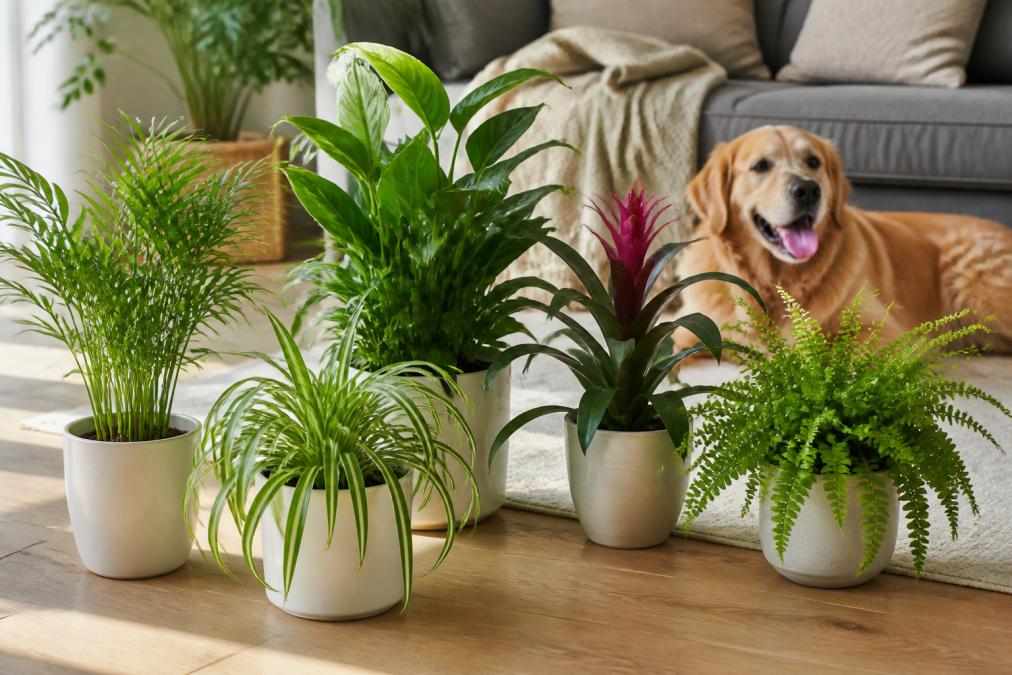
Thousands of pets are treated each year for plant-related poisoning, according to the ASPCA’s animal poison control data. In a Boca Raton apartment, where a curious cat and a windowsill of greenery share the same 700 square feet, that risk sits closer than most renters realize. This guide breaks down the five best indoor pet friendly plants for apartments, covering toxicity, light needs, and the practical habits that keep both your pets and your plants alive.
Pet friendly plants are non-toxic species that won’t cause serious harm to cats or dogs if chewed or ingested. The ASPCA maintains the standard toxicity reference most veterinarians and nurseries use, and it currently catalogs 450+ plants with safety information and safe alternatives, per the PetSafePlantChecker database.
Here’s the catch most guides skip: “non-toxic” doesn’t mean “edible.” Even safe plants can cause digestive upset in large quantities.
Toxicity Risks for Cats and Dogs
The plants that hurt pets most are the ones that look harmless. Lilies, sago palms, and pothos are common apartment staples, and all three are toxic to cats or dogs. A retail plant labeled simply “palm” can be a toxic lookalike rather than a true parlor palm, a problem plant owners have flagged repeatedly in community forums like r/houseplants.
The five plants below are all verified non-toxic by ASPCA standards. That’s the baseline, not a free pass.
Space-Smart Choices for Renters
Apartment renters need plants that tolerate low light, inconsistent watering, and limited floor space. According to Apartment List’s renter’s guide to pet-safe plants, the top five recommendations for apartment renters are the spider plant, parlor palm, cast iron plant, Boston fern, and peperomia, chosen for resilience in exactly those conditions.
1. Spider Plant (Chlorophytum comosum)
The spider plant is the best all-around pet friendly plant for apartments because it tolerates neglect, purifies air, and produces free offspring you can propagate. It’s non-toxic to cats and dogs per ASPCA guidelines and thrives in the indirect sunlight typical of apartment living.
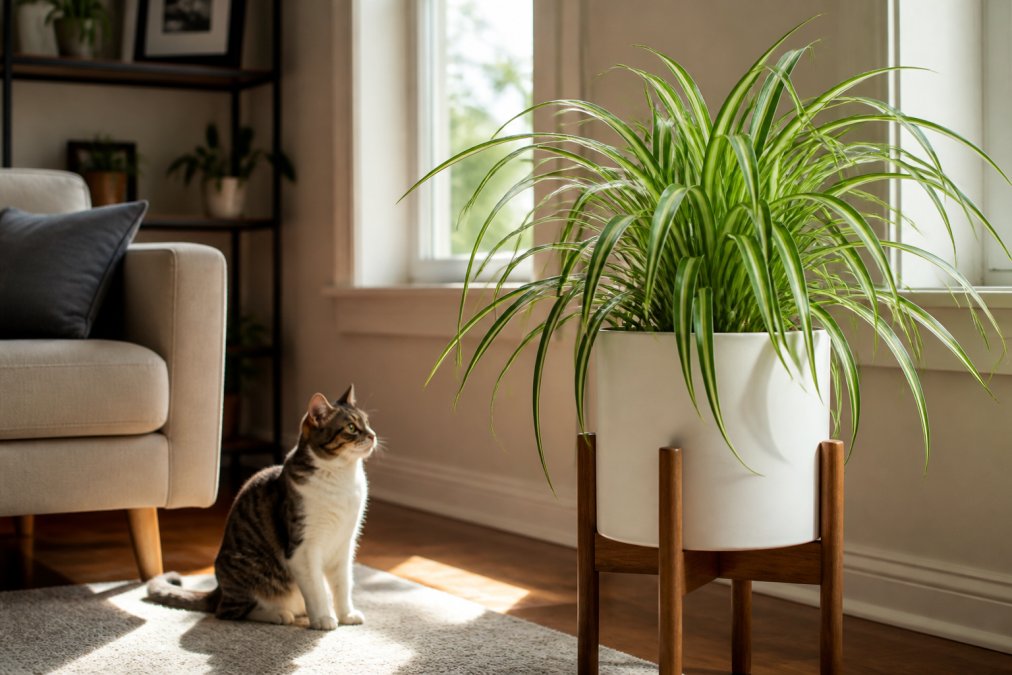
Where it shines: it bounces back from missed waterings and sends out “spiderettes” you can root in water for new plants. Starter plants are available at major retailers.
The drawback: spider plants become root-bound quickly in small pots. Repot every 12-18 months, or the leaves yellow and the plant stalls.
2. Boston Fern (Nephrolepis exaltata)
Boston ferns deliver the lush, tropical look Florida apartments are built for, and they’re safe for pets under ASPCA standards. The sword-shaped fronds work especially well in hanging baskets, keeping them out of reach of a determined chewer.
The trade-off is humidity. Boston ferns need consistent moisture and high humidity, which makes a bathroom with a window the ideal spot. Skip the fern if you travel often; it will crisp up within days. These plants are widely available.
3. African Violet (Saintpaulia)
For renters with only a windowsill to spare, the African violet is the compact pick. It stays small, blooms repeatedly with the right light, and is non-toxic to dogs and cats. It is also an affordable option.
Water from the bottom to avoid leaf spots, and keep the soil lightly moist rather than soaked. The one frustration: African violets are picky about direct sun, so an east-facing window beats a south-facing one.
4. Cast Iron Plant (Aspidistra elatior)
The cast iron plant earns its name. It tolerates low light, missed waterings, and general neglect better than anything else here, and its foliage is pet-safe. For a north-facing apartment corner where nothing else survives, this is your plant. Building a resilient indoor garden often requires balancing durability with aesthetic variety, so exploring more pet-safe varieties ensures your living space remains both vibrant and secure for every member of the household.
Slow growth keeps it contained in small spaces, though that same slowness means a starter plant takes years to fill out. Consider buying a larger size upfront if you prefer a more established plant.
Cast iron plants handle low light, but “low light” still means some natural light. A windowless interior bathroom will kill one within a few months.
5. Parlor Palm (Chamaedorea elegans)
The parlor palm brings a tropical feel without the toxicity of other palm species. It tolerates lower light than most palms, stays compact, and is non-toxic to pets.
One caution: parlor palms are susceptible to spider mites when indoor air is too dry, a real concern in air-conditioned Florida apartments. Mist the fronds weekly or run a small humidifier nearby. Starter plants are readily available.
| Plant | Price | Light Needs | Watering | Best For |
|---|---|---|---|---|
| Spider Plant | $12.98 | Indirect | Low | Beginners |
| Boston Fern | $15.98 | Medium | High | Humid rooms |
| African Violet | $8.98 | Bright indirect | Moderate | Windowsills |
| Cast Iron Plant | $24.98 | Low | Low | Dark corners |
| Parlor Palm | $18.98 | Low-medium | Moderate | Tropical look |
Low Light Pet Friendly Plants for Apartments
The cast iron plant and parlor palm are the two best low light pet friendly plants for apartments, both tolerating conditions that would kill a fern or violet. Spider plants also manage in indirect light, though they slow their growth noticeably in deep shade.
If your apartment gets almost no natural light, prioritize the cast iron plant. It’s the closest thing to a plant that survives on neglect alone, and it stays pet-safe throughout.
How to Keep Pets Away from Indoor Plants
Keeping pets away from indoor plants starts with placement, not discipline. Cats and dogs chew reachable greenery regardless of training, so the practical fix is putting plants where pets can’t easily get to them.
- Elevate plants on stands or shelves above jumping height
- Use hanging baskets for ferns and trailing plants
- Add a layer of decorative stones over the soil to discourage digging
- Offer a pet-safe alternative like cat grass to redirect chewing
- Keep toxic plants out of the home entirely, not just out of reach
Even non-toxic plants can cause digestive upset if ingested in large quantities, so prevention beats reaction. If you suspect your pet ate something toxic, contact your veterinarian or an animal poison control hotline immediately.
For renters weighing a move, the same logic applies to your building. Cynthia Gardens offers a garden-style community in Boca Raton with pet-friendly one-bedroom apartments, stainless steel appliances, quartz countertops, and a resort-style pool, minutes from FAU and the beach. Residents get the landscaped outdoor space that makes pet ownership in an apartment genuinely workable, plus maintenance-free living that leaves more time for the plants and the pets.
Frequently Asked Questions
Which indoor plants are non-toxic to cats and dogs?
According to the ASPCA, thousands of pets are treated each year for plant poisoning, so choosing non-toxic varieties is key. Safe options include spider plants, Boston ferns, African violets, cast iron plants, and parlor palms. These plants are all listed as non-toxic to cats and dogs, making them ideal for pet-friendly apartments.
How do I know if a houseplant is safe for my pet?
Check the ASPCA’s toxic and non-toxic plant database, which catalogs over 450 plants with toxicity information. Look for plants labeled ‘pet-safe’ or ‘non-toxic’ at nurseries. Avoid plants with known toxins like lilies, sago palms, and pothos. When in doubt, consult your veterinarian before bringing a new plant home.
What are the best low light pet friendly plants for apartments?
The cast iron plant and parlor palm are top choices for low light pet friendly plants for apartments. Both tolerate indirect or low light and are non-toxic to pets. Spider plants also adapt well to lower light. These plants thrive in apartments with limited natural light, making them perfect for renters.
Are spider plants safe for pets?
Yes, spider plants are non-toxic to cats and dogs according to the ASPCA. They are a popular choice for pet owners because they are resilient and easy to care for. However, even non-toxic plants can cause mild digestive upset if ingested in large quantities, so it’s best to keep them out of reach.
How can I keep my pets from digging in my indoor plants?
To keep pets away from indoor plants, place plants on elevated surfaces like shelves or hanging baskets. Use citrus peels or pet-safe repellents around the pots. Provide alternative distractions like chew toys. For persistent diggers, cover the soil with decorative rocks or aluminum foil. Consistent training also helps.
Choosing pet friendly plants for an apartment comes down to matching the plant to your light, your schedule, and your pet’s habits. Get that right and you’ll have greenery that survives Florida’s air conditioning and a pet that stays out of the vet’s office. If you’re searching for pet friendly apartments in Boca Raton where that balance actually works, schedule a tour at Cynthia Gardens and see the garden-style community, resort-style pool, and spacious one-bedroom layouts for yourself.