
TL;DR:
- A refundable pet deposit is a security payment landlords must return if pets cause no documented damage.
- Landlords can retain deposits for repairs beyond normal wear, but cannot charge for regular aging or cleaning.
A refundable pet deposit is a one-time security payment your landlord must return if your pet causes no documented damage. Check three things right now: (1) confirm the lease uses the word “deposit,” not “fee”; (2) photograph every room before you move in; (3) save all vet and cleaning receipts. Under Florida § 83.49, landlords must return deposits within 15 days of move-out if they make no claim, or send written notice of intent to withhold within 30 days. Miss that window, and they forfeit the right to keep any of it.
Table of Contents
- What exactly is a refundable pet deposit?
- What a pet deposit can and cannot cover
- When a pet deposit is refundable and when it isn’t
- Pet deposit vs. pet fee vs. pet rent: how they differ
- How much are pet deposits, and what U.S. rules govern them?
- How to protect your pet deposit from move-in to move-out
- If your landlord withholds the deposit: what to do
- Questions to ask and lease clauses to check before you sign
- How Cynthiagardens handles pet deposits at Cynthia Gardens
- Key Takeaways
- Why transparent pet deposit policies matter more than renters realize
- Pet-friendly apartments with no-surprise deposit policies in Boca Raton
- Useful sources and further reading
What exactly is a refundable pet deposit?
A pet deposit is a one-time, refundable security payment held by the landlord to cover any damage your pet causes to the unit. The word “deposit” is the operative term here. Courts in many jurisdictions treat any charge labeled a “deposit” as refundable by default, even when the lease tries to call it “non-refundable.” As LegalClarity explains, the label triggers security-deposit protections, and a phrase like “non-refundable pet deposit” can be treated as legally contradictory.
In practice, a landlord collects the deposit at move-in alongside the standard security deposit. If your dog scratches the hardwood floors or your cat leaves a flea infestation, the landlord draws from that fund to cover the repair bill. If you move out and the unit is clean, the deposit comes back to you. That is the entire mechanism.
A “pet fee” works differently. It is a one-time, non-refundable charge the landlord keeps regardless of damage. “Pet rent” is a monthly surcharge added to your base rent, also non-refundable. The pet deposit definition matters because only the deposit carries a legal obligation to return.
What a pet deposit can and cannot cover
Landlords can draw from a pet deposit for repairs and remediation that go beyond what normal use would cause. Carpet replacement after a dog chews through it, professional flea treatment, odor removal from urine-soaked subfloor, and replacement of a screen door a cat destroyed are all legitimate uses. So is the cost of repainting a wall your pet scratched down to the drywall.
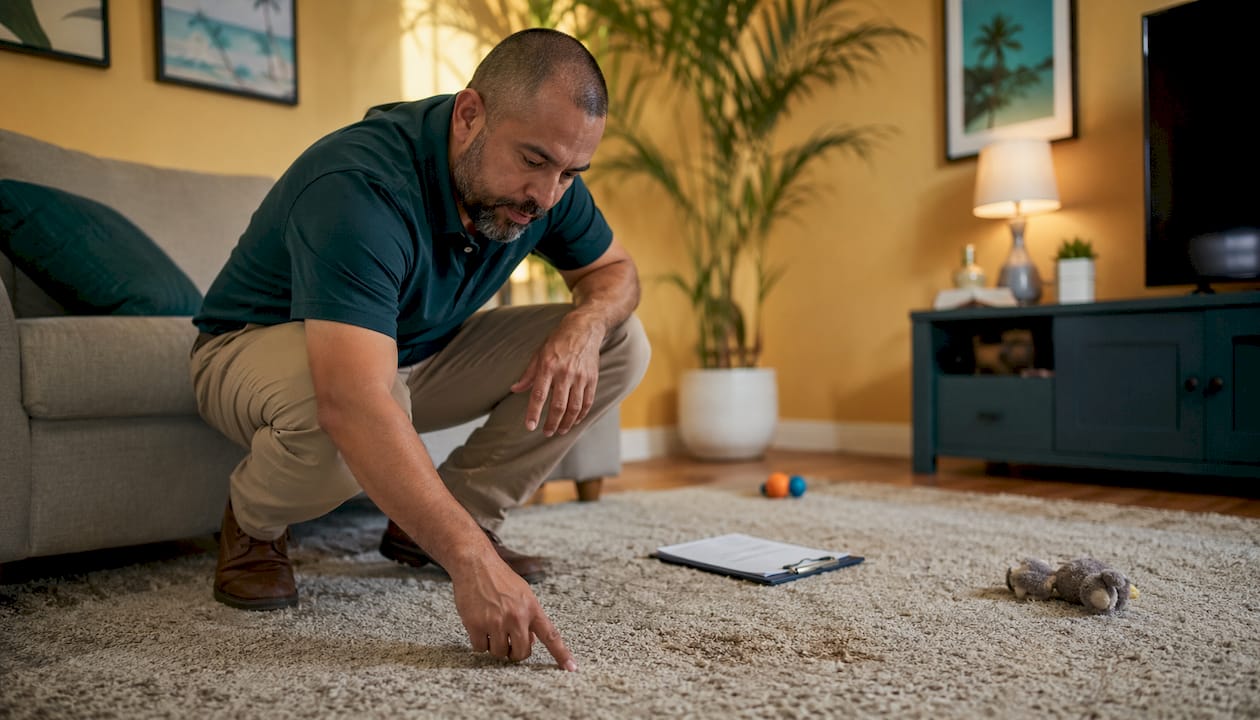
What landlords cannot do is charge for normal wear and tear; understanding these rules helps avoid common mortgage pitfalls in Florida. A few minor scuffs on a baseboard, small nail holes from hanging pictures, or carpet that has simply aged over a two-year tenancy are not pet damage. The line between “pet damage” and “normal wear” is where most disputes start. A scratched hardwood floor from a large dog is typically chargeable; a single faint scratch near the door threshold from a small cat probably is not.
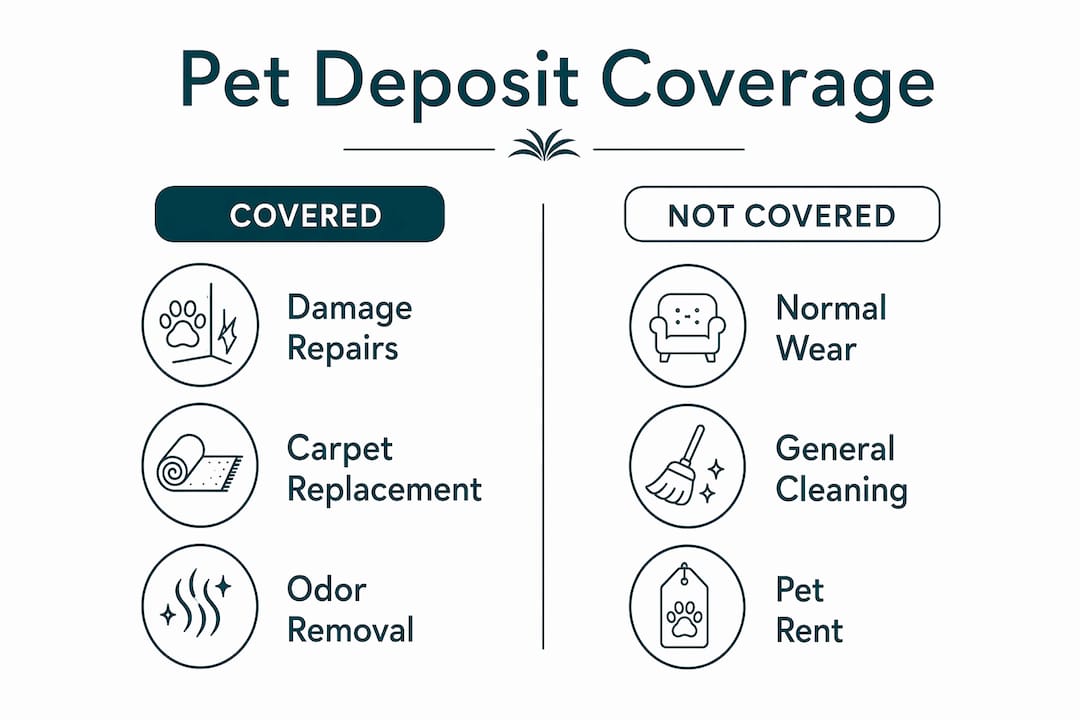
The deposit also cannot be used as a general cleaning fee if the unit was left in reasonably clean condition. If you had the carpets professionally cleaned before move-out and kept receipts, that documentation directly counters any cleaning claim.
When a pet deposit is refundable and when it isn’t
You should get the full deposit back when:
- Your pet caused no damage beyond normal wear and tear
- You left the unit in the same condition as move-in (accounting for reasonable aging)
- You performed or paid for professional cleaning and have receipts
- The landlord received your forwarding address and followed the statutory return timeline
The landlord can legitimately withhold all or part of the deposit when:
- There is documented, photographed pet damage (chewed trim, stained carpet, flea infestation)
- The repair or remediation cost is supported by itemized invoices
- The landlord sends written notice of the claim within the required statutory window
One important legal note: Florida § 760.27 and the federal Fair Housing Act prohibit charging pet deposits, pet fees, or pet rent for verified service animals and emotional support animals. Tenants with assistance animals are still responsible for actual damage the animal causes, but the upfront deposit charge itself is not allowed.
Pro Tip: Even if your lease says “non-refundable pet deposit,” ask a local tenant-rights organization whether that language holds up in your state. In many jurisdictions, including Florida, the word “deposit” overrides the “non-refundable” modifier.
Pet deposit vs. pet fee vs. pet rent: how they differ
These three charges show up constantly in leases, and mixing them up costs renters money. Here is how they actually differ:
- Pet deposit: One-time, refundable. Held in trust (in many states) and returned minus documented damage costs. Triggers security-deposit protections, including notice timelines and itemized deduction requirements.
- Pet fee: One-time, non-refundable. The landlord keeps it regardless of whether your pet damages anything. To be legally valid as non-refundable, it must be clearly labeled as a fee, not a deposit, and structured separately.
- Pet rent: Monthly, non-refundable surcharge added to base rent. Common in markets where landlords want ongoing compensation for allowing pets rather than a lump-sum security payment.
A landlord can legally charge all three at once. A landlord can legally charge a refundable deposit, a non-refundable fee, and an extra monthly pet rent. That combination is common, and it is legal in Florida as long as each charge is clearly labeled. The practical consequence: only the deposit comes back. The fee and the monthly rent surcharges are gone the moment you pay them.
For a detailed breakdown of how these charges interact, the pet fee checklist at Cynthiagardens covers the distinctions renters most often miss.
How much are pet deposits, and what U.S. rules govern them?
Pet deposit amounts commonly fall between $200 and $500, with no statutory cap in Florida beyond a reasonableness standard. State rules on returning deposits matter more than the amount itself. Florida’s timeline is one of the clearest examples in the country:
| Situation | Florida § 83.49 Requirement |
|---|---|
| No damage claim | Return deposit within 15 days of move-out |
| Landlord intends to make a claim | Send written notice by certified mail within 30 days |
| Tenant receives notice | Tenant has 15 days to object in writing |
| Landlord misses the 30-day window | Forfeits the right to withhold any deposit funds |
Other states have their own timelines. Texas, Wisconsin, and Washington D.C. each have separate statutory frameworks governing deposit returns and notice requirements. The core principle is consistent: landlords who miss their notice deadline typically lose the right to keep the money. Check your state’s specific statute or a local tenant-rights resource for the exact window in your jurisdiction.
If you are renting in South Florida, the Boca Raton pet deposit guide at Cynthiagardens walks through how these Florida rules apply locally.
How to protect your pet deposit from move-in to move-out
The renters who get their deposits back reliably are the ones who treat documentation as a habit, not an afterthought. Follow this sequence:
- Request the written pet policy before signing. Get the exact deposit amount, what it covers, and the return timeline in writing. If the lease is vague, ask for a written addendum.
- Do a timestamped photo walkthrough on move-in day. Photograph every wall, floor, baseboard, and fixture. Upload to cloud storage immediately so the timestamp is locked.
- Keep vet records current. Flea prevention documentation (vet visit records, flea treatment receipts) directly counters any flea-infestation claim at move-out.
- Schedule a pre-move-out inspection. Many landlords will do a walkthrough 1–2 weeks before your lease ends. This gives you time to fix anything before the official move-out date.
- Clean professionally and keep the receipt. A professional carpet cleaning receipt is one of the strongest defenses against a cleaning deduction.
- Provide your forwarding address in writing. Under Florida § 83.49, the landlord must mail notice to your last known address. If they cannot reach you, disputes get complicated.
Pro Tip: Keep all move-in photos, vet records, cleaning receipts, and lease documents in a single folder for at least one year after move-out. Small-claims cases can be filed months after the dispute begins.
A sample email to request a move-out inspection: “Hi [Landlord name], I am planning to vacate on [date]. I would like to schedule a pre-move-out walkthrough at your earliest convenience so I can address any concerns before my last day. Please let me know your availability.” Short, documented, and professional.

If your landlord withholds the deposit: what to do
Do not assume a withheld deposit is final. Documentation and timely objections are the core evidence tenants need when contesting deductions, and the process is more straightforward than most renters expect.
Step 1: Request an itemized statement. Ask the landlord in writing for an itemized list of deductions with receipts or invoices for each charge. In Florida, they are required to provide this with their notice of claim.
Step 2: Compare the charges to your move-in photos and receipts. If a landlord claims carpet replacement but your photos show the carpet was already worn at move-in, that is your evidence.
Step 3: Send a written dispute. Reply within the statutory window (15 days in Florida after receiving the landlord’s notice) stating your specific objections. Send it by certified mail and keep the tracking number.
Step 4: Try informal resolution first. A direct conversation or a written counteroffer resolves many disputes without court involvement.
Step 5: File in small claims court if needed. Most states handle deposit disputes in small claims. Bring your lease, move-in photos, cleaning receipts, all written communications, and a copy of the relevant statute. The filing fee is typically modest, and in Florida, the prevailing party is generally awarded attorney fees.
Your evidence checklist: move-in photos with timestamps, vet and cleaning receipts, the lease with the deposit clause highlighted, all written communications with the landlord, and the certified-mail tracking record for your dispute letter.
Questions to ask and lease clauses to check before you sign
Most deposit problems start at lease signing, not at move-out. Ask these questions before you put pen to paper:
- Is the pet charge labeled a deposit or a fee? If it says “fee,” it is non-refundable. If it says “deposit,” confirm the refund conditions in writing.
- What specific damage would trigger a deduction? Ask for examples. A landlord who cannot answer this question clearly is one who will have trouble justifying deductions later.
- Is there a cap on the deposit amount? Some states cap total security deposits (including pet deposits) at a multiple of monthly rent.
- What is the return timeline? Confirm it matches your state’s statutory requirement.
- Is a pre-move-out inspection available? This is a significant protection for renters. If the landlord offers it, take it.
- How are deductions documented? Ask whether they provide itemized invoices with receipts.
Sample lease language to request: “The pet deposit of $[amount] is refundable and will be returned within [X] days of move-out, less any documented costs for pet-caused damage beyond normal wear and tear, supported by itemized receipts.”
If the lease uses vague language like “landlord may retain deposit at landlord’s discretion,” push back. That phrasing gives the landlord unchecked authority and is worth negotiating before you sign. The apartment pet policy guide at Cynthiagardens covers the specific clauses worth scrutinizing in a Florida lease.
How Cynthiagardens handles pet deposits at Cynthia Gardens
Cynthiagardens operates Cynthia Gardens in Boca Raton as a pet-friendly apartment community with transparent pricing and no hidden fees. The pet deposit policy is published and accessible before signing, so renters know exactly what they are paying, what it covers, and under what conditions it is returned.
At move-in, residents receive a documented condition report and are encouraged to complete their own photo walkthrough. Move-out inspections are available, giving residents the opportunity to address any concerns before the official vacate date. Receipts and policy documentation are accessible online, which means there is no ambiguity about what was charged or why.
The tech-forward leasing experience at Cynthia Gardens, including AI chat support, virtual tours, and an interactive property map, means renters can review the pet policy, ask questions, and understand the deposit terms before they ever visit in person. Clear, transparent policies like these reduce disputes and improve the likelihood of prompt refunds. That is the model this article recommends, and it is what Cynthia Gardens builds its leasing process around.
Key Takeaways
A refundable pet deposit is yours to get back as long as your pet causes no documented damage and you follow the move-in and move-out documentation steps your lease and state law require.
| Point | Details |
|---|---|
| Label determines refundability | A charge called a “deposit” is legally refundable in most U.S. jurisdictions; a “fee” is not. |
| Florida’s statutory timeline | Landlords must return deposits within 15 days or send a written claim notice within 30 days under § 83.49. |
| Typical deposit range | Pet deposits commonly fall between $200 and $500, with no cap in Florida beyond a reasonableness standard. |
| Documentation wins disputes | Move-in photos, cleaning receipts, and certified-mail records are the decisive evidence in small-claims cases. |
| Cynthiagardens model | Cynthia Gardens publishes its pet deposit policy upfront, offers move-out inspections, and provides online receipt access. |
Why transparent pet deposit policies matter more than renters realize
There is a widespread assumption that pet deposit disputes are inevitable, that landlords will always find something to charge for and renters will always lose a little money. That assumption is wrong, and it costs renters real money because it discourages them from pushing back.
The lease label is not a technicality. It is the legal mechanism that determines whether you have a right to your money back at all. A landlord who calls a charge a “deposit” has, in many states, already committed to returning it absent documented damage. The renter who reads that word and knows what it means is in a fundamentally different position than one who does not.
What most renters underestimate is how much the landlord’s behavior is constrained by statute, not just goodwill. Florida’s 30-day notice requirement is not a suggestion. Miss it, and the landlord forfeits the right to withhold funds. That is a hard legal consequence, and it applies regardless of whether the damage was real. Renters who know this timeline hold meaningful leverage.
The other thing worth saying plainly: documentation is not about distrust. It is about creating a shared record that protects both parties. A landlord who offers a pre-move-out inspection and publishes their pet policy is not doing you a favor. They are doing their job correctly. That is the standard renters should expect and ask for before signing anything.
Pet-friendly apartments with no-surprise deposit policies in Boca Raton
Renters who have read this far know what to look for: a deposit labeled correctly, a published policy, a move-out inspection option, and a landlord who follows Florida’s statutory timelines. Cynthiagardens offers exactly that at Cynthia Gardens in Boca Raton.
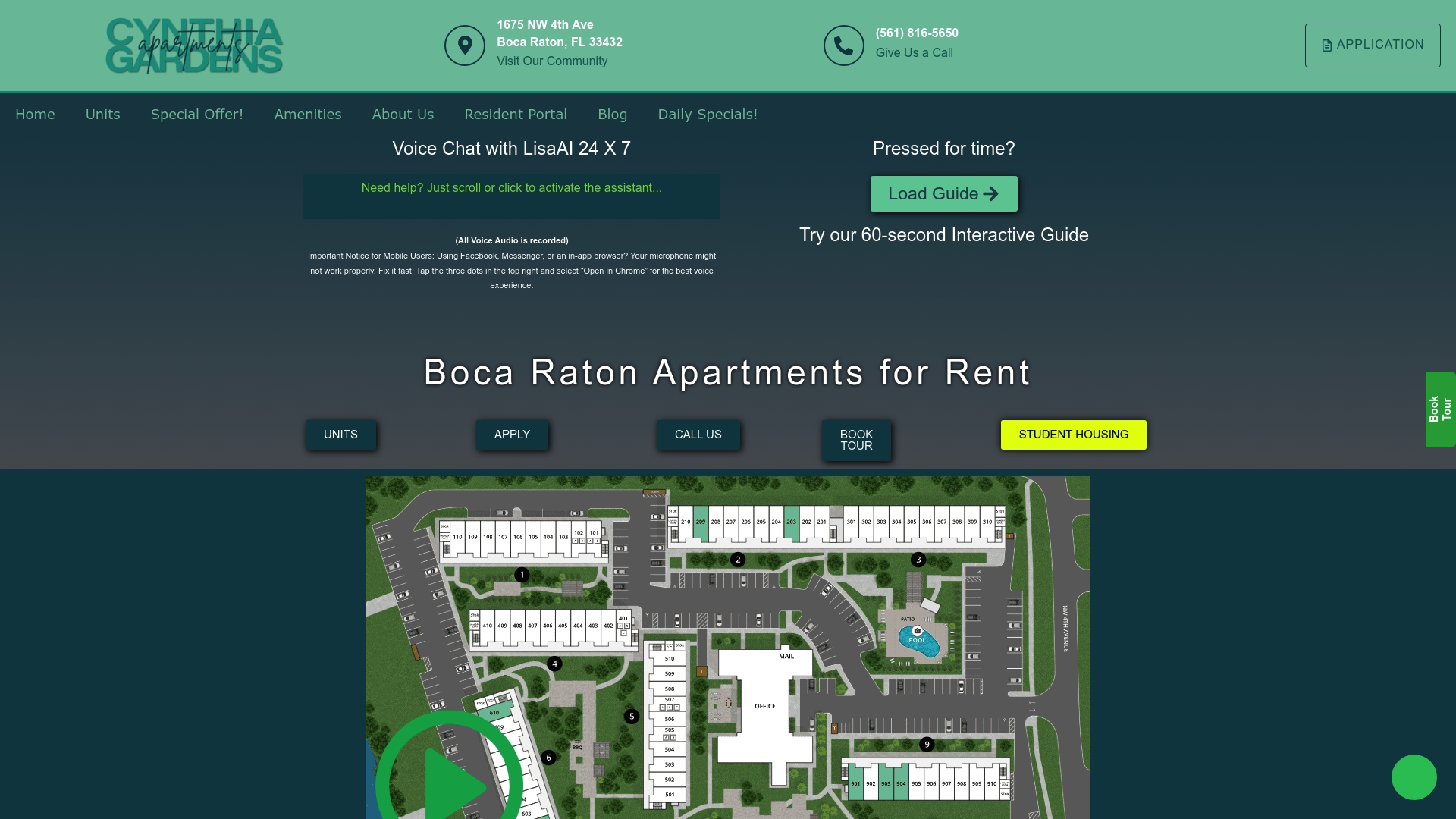
The pet deposit terms are published before you sign. Move-out inspections are available so you can address any issues on your timeline. The entire leasing process, from reviewing the pet policy to signing the lease, runs through a tech-forward platform with AI chat support and virtual tours so you can confirm every detail before committing. No hidden fees, no vague lease language, and no surprises at move-out.
Browse the apartment styles and features at Cynthia Gardens or start a virtual tour today to see the pet policy and unit details for yourself.
This article is general information, not legal advice. Deposit rules vary by state and lease. Confirm current rules with Florida’s official statutes or a qualified tenant-rights attorney for your specific situation.
Useful sources and further reading
- Florida Statutes § 83.49 — The primary Florida statute governing security and pet deposit return timelines, notice requirements, and tenant objection rights. Read this before disputing any Florida deposit.
- Apartments.com: Pet deposits, fees, and pet rent explained — A clear breakdown of the three common pet charges and how landlords and renters should distinguish them.
- DoorLoop: Pet deposit definition and examples — Concise definitions with practical examples of what pet deposits cover and typical market amounts.
- LegalClarity: Can pet deposits be non-refundable? — Explains the legal weight of the “deposit” label and why courts often treat “non-refundable deposit” language as contradictory.
- HUD Fair Housing overview — The federal resource for understanding assistance-animal exemptions from pet deposit charges under the Fair Housing Act.
- Your state or local tenant-rights organization — Deposit return timelines, caps, and notice requirements vary by state. Search “[your state] tenant rights deposit” to find the applicable statute or a local legal aid resource.