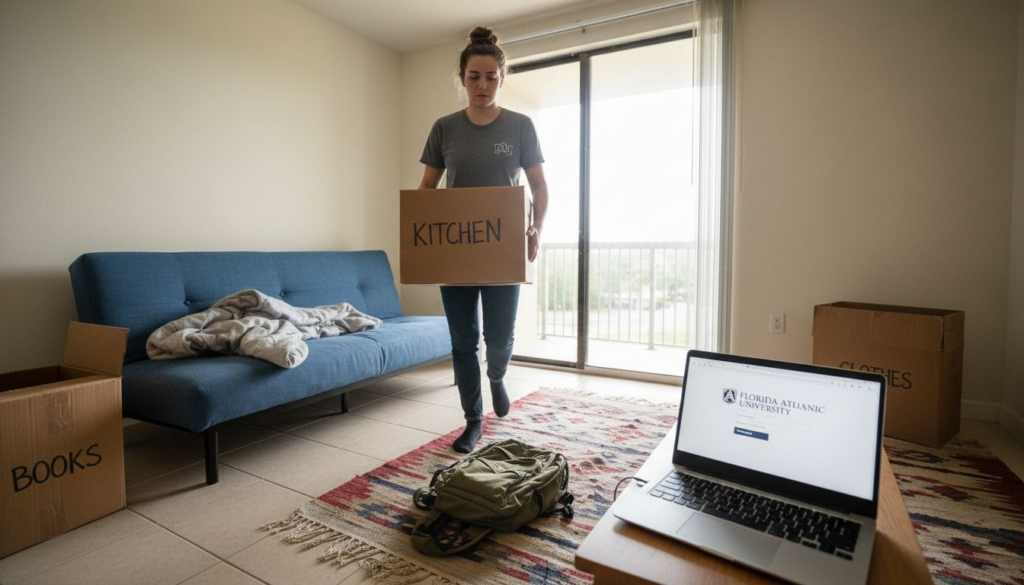
Moving into your first apartment near Florida Atlantic University comes with plenty of excitement, but also new challenges that can quickly become overwhelming. Balancing rent, utilities, and your studies is tough when you are working with a limited college student budget. Without the right strategies, you risk unexpected costs, cramped spaces, and financial stress that can distract you from your academic goals.
This guide delivers practical solutions you can use right away. You will learn proven budgeting techniques, ways to decode every lease term, and smart tips for maximizing comfort in small apartments. Get ready to discover actionable insights that save money, minimize hassle, and set you up for a successful college experience in Boca Raton.
Table of Contents
- 1. Set A Realistic Apartment Budget Before Searching
- 2. Understand Your Lease Terms And Avoid Hidden Fees
- 3. Maximize Space With Smart Furniture Choices
- 4. Use Tech Tools For Easy Apartment Hunting
- 5. Create A Comfortable Study Area In Your Apartment
- 6. Manage Utility Costs With Simple Strategies
- 7. Build A Cleaning Routine To Keep Your Space Fresh
Quick Summary
| Key Insight | Explanation |
|---|---|
| 1. Set a Realistic Budget | Understand your income and expenses before apartment hunting to avoid financial stress. |
| 2. Thoroughly Review Lease Terms | Carefully examine your lease to avoid unexpected charges and responsibilities. |
| 3. Choose Multifunctional Furniture | Select versatile furniture to maximize space in small apartments for comfort. |
| 4. Utilize Technology for Apartment Search | Use various apps and tools to streamline your apartment search efficiently. |
| 5. Establish a Cleaning Routine | Develop a regular cleaning schedule to maintain a clean apartment and protect your deposit. |
1. Set a Realistic Apartment Budget Before Searching
Before you start scrolling through apartment listings, you need a solid financial foundation. Setting a realistic apartment budget before searching prevents you from falling in love with a place you cannot afford and protects you from financial stress that could derail your academic performance. The truth is, many students underestimate their true monthly costs and end up stretching too far financially.
Start by tracking all your income sources. This includes your part-time job earnings, financial aid disbursements, family contributions, and any scholarships or grants you receive. Write down the actual amount you receive each month, not what you hope to earn or what your parents might occasionally give you. Next, list your fixed expenses like rent, utilities, phone bill, and insurance. Then add your variable expenses such as groceries, transportation, entertainment, and personal care items. When you understand your full financial picture, you can determine how much you can realistically allocate to rent.
A common guideline suggests spending no more than 25 to 30 percent of your gross monthly income on rent. However, as a student with limited income, you might need to be even more conservative. If you earn $1,200 per month from your part-time job, spending $360 to $400 on rent leaves room for your other obligations. When you’re tracking all income sources and planning for both fixed and variable expenses, you gain clarity on what you can truly afford without sacrificing your ability to eat well or handle unexpected costs. Build in a small emergency fund buffer as well, even if it’s just $50 per month set aside for surprises.
This budgeting approach also helps you avoid debt accumulation. Students who stretch beyond their means often resort to credit cards or loans to cover shortfalls, creating financial obligations that follow them long after graduation. By setting boundaries now, you invest in your future financial health.
Pro tip Use the first month of your apartment search to live on your proposed budget before committing to any lease, so you know whether your numbers actually work in real life.
2. Understand Your Lease Terms and Avoid Hidden Fees
Your lease is a binding legal contract that outlines everything between you and your landlord. Many student renters make the mistake of signing without reading carefully, only to discover unexpected charges later. Understanding your lease terms upfront protects you from surprises and keeps your finances on track throughout your tenancy.
Start by examining the core elements of your lease. Look for the rent amount, the exact due date each month, the lease duration, and how much notice you need to give before moving out. Pay close attention to the security deposit amount and the conditions for getting it back. Next, identify who pays for utilities like water, electricity, and internet. This matters because some leases include utilities while others require you to pay separately, which can add $100 to $200 monthly to your expenses. Review the occupancy rules to confirm how many people can live in the unit. Hidden fees often appear in sections covering late payments, early termination, pet charges, parking fees, or maintenance costs. Some landlords charge a flat fee for being one day late on rent, while others charge daily penalties that accumulate quickly. Additionally, check whether you or your landlord is responsible for repairs and maintenance. A lease that makes you responsible for replacing air filters, painting walls, or fixing appliances could cost you significantly.
When you’re reviewing lease terms like rent amounts and payment due dates, write down any charges or policies that confuse you. Ask your landlord to explain them in plain language before you sign. Many communities offer transparent pricing with no hidden fees, which makes your financial planning much easier. If something doesn’t make sense or seems unfair, negotiate it before signing. Once you put your signature on that lease, you are legally bound to its terms, so take the time to get it right from the beginning.
Pro tip Make a photocopy of your signed lease, take photos of the apartment’s condition on move-in day, and document any existing damage so you have proof when your security deposit is returned.
3. Maximize Space with Smart Furniture Choices
One bedroom apartments can feel cramped if you fill them with standard furniture. The key to living comfortably in a smaller space is choosing pieces that work harder for you. Smart furniture choices transform a tight apartment into a functional living and study space where you actually want to spend time.
Multifunctional furniture is your greatest ally in a student apartment. A loft bed creates valuable floor space underneath for a desk, storage, or lounge area. A storage ottoman serves double duty as a place to sit and a hidden storage container for blankets, seasonal items, or school supplies. Wall mounted desks fold up when you are not studying, disappearing into the wall to reclaim your living area. Under bed organizers slide into spaces that would otherwise sit empty, holding shoes, documents, or extra bedding without consuming additional floor space. Drawer dividers keep your dresser organized so you can fit more into less space. The goal is to eliminate any furniture that serves only one purpose when you could choose pieces that do multiple jobs. When selecting smart furniture and storage solutions, prioritize pieces with built-in storage compartments, shelving, or surfaces that extend your usable space vertically rather than horizontally.
Layout matters just as much as the furniture itself. Instead of pushing everything against the walls, try floating your bed away from walls or positioning your desk near a window for natural light. This creates zones within your open space, making the apartment feel larger and more organized. Keep pathways clear between your bedroom area and living space so movement feels natural rather than obstructed. Avoid visual clutter by storing items in closed containers rather than leaving them on shelves or floors. A small apartment feels spacious when you can see open floor space and when every item has a designated home. Start by measuring your space and sketching where each piece will go before making any purchases. This prevents buying furniture that looks great in the store but overwhelms your actual space.
Pro tip Shop secondhand through thrift stores, Facebook Marketplace, or student buy-sell groups to find affordable multifunctional pieces, then upcycle or repaint them to match your style while staying within budget.
4. Use Tech Tools for Easy Apartment Hunting
Apartment hunting used to mean driving around neighborhoods, calling landlords, and hoping you found something decent. Now you have access to technology that puts hundreds of listings in your pocket. Using tech tools strategically transforms apartment searching from a frustrating chore into a streamlined, efficient process that saves you time and money.
Multiple platforms give you access to far more rental options than any single website or app could show. Start with popular rental sites and apps that aggregate listings from across Boca Raton and surrounding areas. Each platform offers different features, so using several increases your chances of finding the perfect apartment before someone else does. Many platforms now include virtual tours, which let you walk through an apartment without leaving your dorm room or apartment. High quality photos from multiple angles show you exactly what you are getting, and you can zoom in to check details like cabinet space, appliance condition, and floor quality. Filter options let you narrow searches by price range, pet policies, lease length, and proximity to Florida Atlantic University, saving you from scrolling through irrelevant listings. When you discover apartments that interest you, virtual tours and detailed property information help you evaluate options before scheduling in person viewings.
Get ahead of the competition by preparing your rental application materials digitally before you even find your perfect apartment. Scan important documents like your driver’s license, proof of income from your part time job, and references from previous landlords or employers. Have your credit report ready to share. Many landlords now accept digital applications, and having everything prepared means you can submit your application within minutes of finding an apartment you love, rather than spending days gathering documents. This speed matters in competitive markets where the best apartments get claimed quickly. Set up alerts on multiple platforms so new listings matching your criteria come directly to your phone. This notification system acts like a personal assistant, watching for new opportunities 24 hours a day so you never miss a listing that fits your needs and budget.
Pro tip Create a spreadsheet tracking each apartment you view, including the address, rent price, lease terms, contact information, and your notes about the property so you can easily compare options when making your final decision.
5. Create a Comfortable Study Area in Your Apartment
Your apartment is not just where you sleep and eat. It is also where you spend countless hours studying for exams, writing papers, and completing assignments. Creating a dedicated study area transforms your apartment from a distraction zone into a productivity powerhouse that supports your academic success.
Start by choosing a quiet location away from your bed and entertainment areas. If possible, use a corner of your living room or a small nook rather than studying from your bed, which sends your brain mixed signals about sleep versus work. Set up a desk with adequate surface area for your laptop, textbooks, and writing supplies. Invest in an ergonomic chair that supports your back properly, since poor posture during long study sessions leads to back pain and fatigue that kills productivity. Lighting matters tremendously for both focus and eye health. Natural light from a window is ideal, but if that is not available, use a desk lamp with warm white bulbs that reduce eye strain. Avoid overhead fluorescent lights alone, as they can cause headaches during extended study sessions. Reduce noise by closing your door, using noise canceling headphones with ambient sounds or instrumental music, or studying during quieter hours of the day. When you invest in ergonomic seating and proper lighting for your study space, you directly improve your ability to concentrate and retain information.
Personalize your study area to make it inviting and calming. Add a plant or two, which improve air quality and create a sense of nature that reduces stress. Keep only necessary supplies within arm’s reach, organizing everything else in drawers or on shelves to minimize clutter. A clutter free desk signals to your brain that it is time to focus. Use calming colors like soft blues, greens, or neutrals on your walls or desk accessories. Avoid bright reds or busy patterns that overstimulate your mind. Establish a routine where you study in this space during the same times each day. Your brain begins to associate this location with academic work, making it easier to enter focus mode when you sit down. Treat your study area as a sacred workspace rather than a multipurpose zone, and your academic performance will reflect the investment.
Pro tip Keep a water bottle and small snacks at your desk so you stay hydrated and energized during study sessions without breaking focus by leaving your workspace.
6. Manage Utility Costs with Simple Strategies
Utility bills can sneak up on you and drain your already tight student budget. In Florida, air conditioning costs spike during the hot months, and many students are shocked when their first electricity bill arrives. Managing utility costs does not require suffering through a sweltering apartment. Instead, it requires smart strategies that reduce consumption while keeping you comfortable.
Start by understanding what utilities you actually pay for and exploring your options. Some apartments bundle utilities into rent, while others require you to set up accounts with providers separately. If you have choices, compare suppliers to ensure you are getting competitive rates. When possible, combine gas and electric services with the same provider, as many offer bundle discounts that lower your overall costs. Review your billing cycles regularly so you understand your usage patterns and spot unusual spikes that might indicate a problem. If you share your apartment with roommates, establish clear agreements about how bills will be split fairly. Dividing costs equally works for some groups, while others prefer splitting based on actual usage. Being transparent about billing from the start prevents disputes that damage friendships and create financial stress. When managing reducing electricity use through energy efficient practices, small daily habits add up to significant savings over time.
Implement practical energy saving strategies that work in your daily life. Replace incandescent light bulbs with LED bulbs, which use 75 percent less energy and last much longer. Set your thermostat two degrees higher in summer and two degrees lower in winter than you would normally prefer. You adjust after a few days, and that small change reduces heating and cooling costs substantially. Use power strips for entertainment systems and computer equipment, since these devices draw power even when turned off. Unplug phone chargers when not in use instead of leaving them plugged in constantly. Run full loads in your washing machine and dryer rather than multiple partial loads. Turn off lights when leaving a room, close blinds during the hottest parts of the day to keep your apartment cooler, and use fans to circulate air instead of relying solely on air conditioning. These habits require minimal effort but result in noticeably lower utility bills each month.
Pro tip Track your monthly utility bills in a spreadsheet to identify seasonal patterns and catch any sudden increases that might indicate a leak, malfunction, or billing error.
7. Build a Cleaning Routine to Keep Your Space Fresh
A clean apartment is more than just pleasant to live in. It protects your security deposit when you move out, prevents pest problems, promotes your health, and creates an environment where you actually want to spend time. Building a cleaning routine transforms what feels like a tedious chore into a manageable habit that takes minimal time each week.
Start by gathering the right supplies so you are ready to clean without excuses. You need a vacuum or broom, microfiber cloths, a toilet brush, all-purpose cleaner, bathroom disinfectant, and glass cleaner. Keep these supplies in one accessible location so you can grab them quickly. Establish a schedule that breaks cleaning into manageable chunks rather than saving everything for one overwhelming marathon session. Assign specific tasks to specific days. For example, clean bathrooms on Mondays, vacuum and dust on Wednesdays, and change bed sheets on Fridays. This distributes the workload throughout the week so no single day feels overwhelming. When you follow systematic top-to-bottom cleaning practices starting with high-use areas, you prevent dirt from settling and work more efficiently. Start at the top of each room so dust falls downward, then work your way down. Clean your kitchen and bathroom first since these areas accumulate the most bacteria and require the most attention. Wipe down countertops, clean inside the refrigerator weekly, scrub the toilet and shower, and disinfect high-touch surfaces like doorknobs and light switches.
Maintain momentum by setting a timer for 15 to 20 minutes and focusing on one task at a time. You are often surprised at how much you can accomplish in a short burst. If you have roommates, assign cleaning responsibilities fairly so everyone contributes. Some apartments work well with rotating weekly duties, while others prefer each person owning specific spaces. Clear expectations prevent resentment and ensure the apartment stays consistently clean. Remember that your cleaning routine directly impacts your move-out inspection. Landlords check for dust, grime buildup, carpet stains, and damage that accumulated over time. Regular cleaning throughout your tenancy makes the final walkthrough stress-free and maximizes your chances of recovering your full security deposit.
Pro tip Create a simple cleaning checklist and post it on your refrigerator so you and any roommates stay on track and can quickly verify that weekly tasks are completed.
Below is a comprehensive table summarizing the strategies and recommendations for effectively searching, choosing, and maintaining a student apartment, as discussed in the article.
| Topic | Description | Key Considerations |
|---|---|---|
| Set a Realistic Apartment Budget | Plan income and expenses to determine an appropriate rent budget. | Track all income sources and expenses accurately; allocate an emergency fund. |
| Understand Your Lease Terms | Review lease agreements thoroughly to identify terms and prevent hidden fees. | Ask questions about unclear terms; document apartment conditions at move-in. |
| Maximize Space with Furniture | Use multifunctional furniture to make efficient use of limited space. | Opt for furniture with built-in storage; plan furniture placement methodically. |
| Utilize Technology in Searches | Use online platforms and virtual tours to streamline the apartment search process. | Prepare application documents in advance; track viewed apartments for comparison. |
| Create a Study Area | Design a dedicated and ergonomic study space in the apartment. | Ensure good lighting and supportive seating; personalize for comfort and focus. |
| Manage Utility Costs | Adopt energy-efficient habits to reduce monthly utility bills. | Use LED bulbs, adjust thermostat settings, and track billing patterns. |
| Establish a Cleaning Routine | Maintain cleanliness with a systematic routine to preserve deposit and ensure comfort. | Break tasks into manageable sessions; coordinate responsibilities with roommates. |
This table conveys actionable insights from the article to aid students in optimizing their apartment experience.
Find Your Perfect Student Apartment with Confidence in Boca Raton
Budgeting wisely and understanding lease terms are crucial for FAU students searching for a comfortable living space. Cynthia Gardens offers affordable one-bedroom apartments designed to meet student needs with transparent pricing and no hidden fees. Our tech-forward leasing experience includes virtual tours and an interactive property map to help you evaluate apartments remotely, making your apartment hunt more efficient and less stressful.
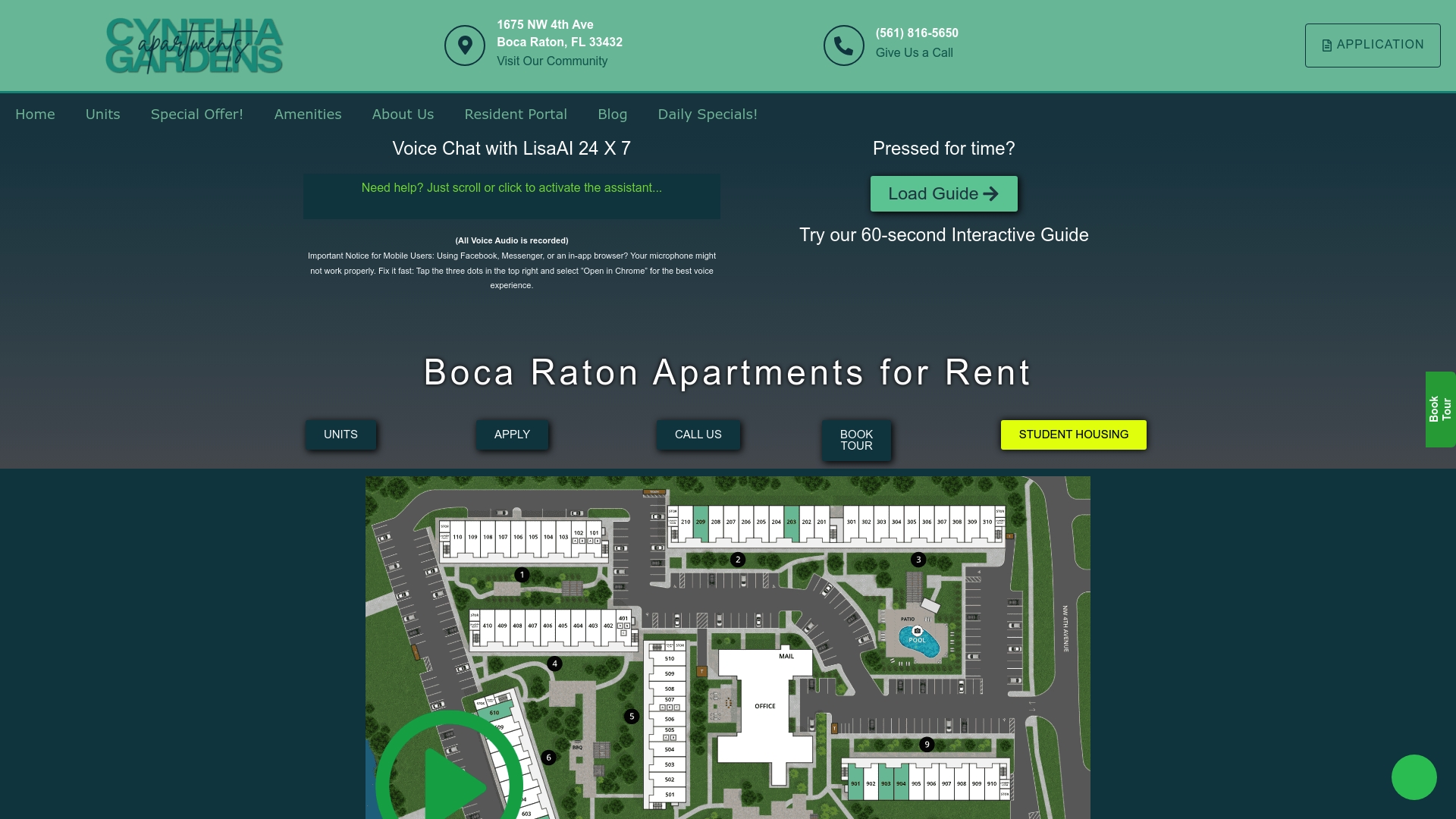
Start your apartment search today at Cynthia Gardens and enjoy a community tailored for students like you. With features like AI chat support and voice assistance, you get fast answers to lease questions and clarity on what to expect so you can move in confident and worry-free. Don’t wait wait too long—secure your ideal student apartment now and focus on what matters most your studies and success.
Frequently Asked Questions
How can I set a realistic budget for my student apartment?
To set a realistic budget, track all your income sources and list your fixed and variable expenses. Aim to spend no more than 25 to 30 percent of your monthly income on rent to ensure you can cover all your costs without financial stress.
What should I look for in my lease to avoid hidden fees?
Examine the lease for the rent amount, due dates, security deposit terms, and who pays for utilities. Make sure to clarify any unclear charges or fees with your landlord to avoid surprises later on.
How can I maximize space in a small apartment?
Choose multifunctional furniture like loft beds or storage ottomans to save space while providing utility. Plan your layout by measuring your furniture and designating specific zones for different activities to maintain an open feel.
What tech tools can assist me during apartment hunting?
Utilize rental platforms that aggregate listings and provide virtual tours to streamline your search. Set alerts for new listings that match your criteria so you can quickly stay informed about available apartments.
How can I create a comfortable study area in my apartment?
Designate a quiet corner away from distractions and invest in a proper desk and ergonomic chair. Ensure you have adequate lighting and keep your study area organized to create an inviting environment conducive to learning.
How can I manage my utility costs effectively?
Implement energy-saving habits like using LED bulbs and setting your thermostat wisely to lower consumption. Review your utility usage regularly and discuss cost-sharing methods with roommates to maintain transparency and reduce expenses.