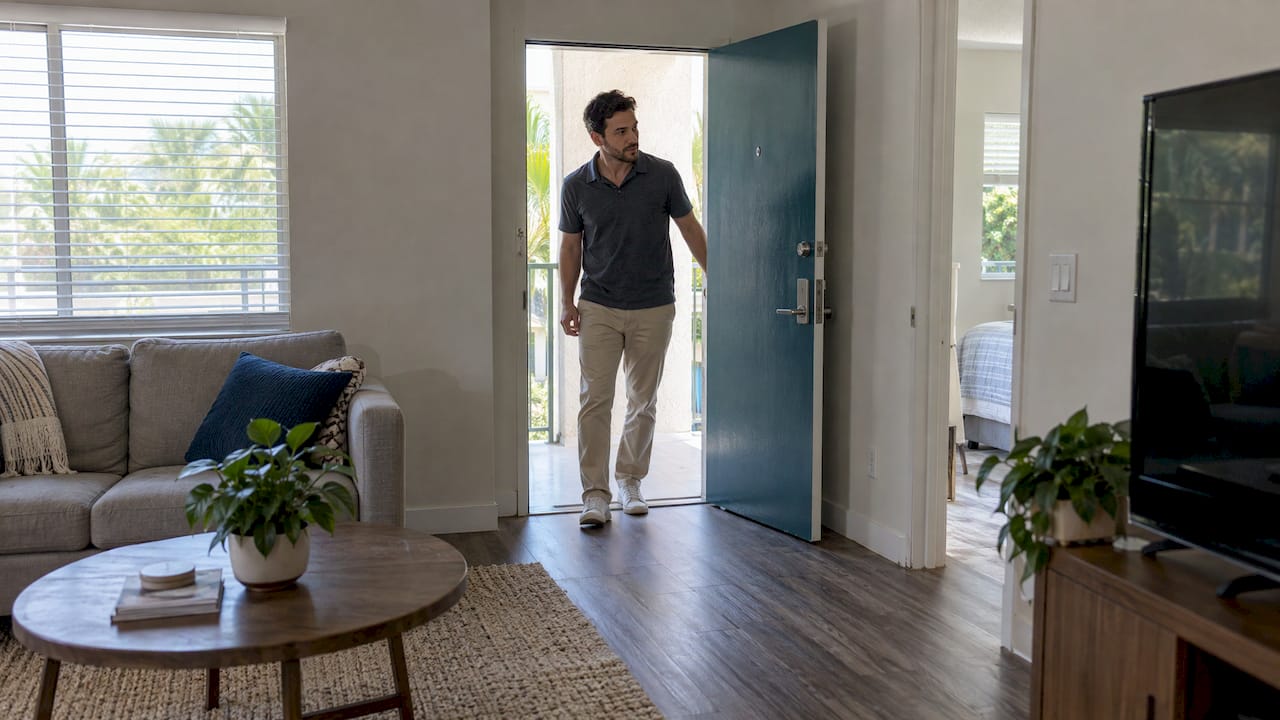
A self-guided tour is safest when you verify the listing before you go, tell someone where you will be, keep your personal documents and money out of the process until you have a lease in front of you, and leave the moment anything feels wrong. Most of this takes ten minutes of preparation. The rest is habit. If you are searching in Boca Raton, we also suggest starting with a virtual tour and our interactive property map, so the in-person visit is a confirmation and not a first look.
This guide is written for renters touring one-bedroom apartments alone: young professionals, FAU students and graduate students, single renters on a budget, and cat owners checking pet policies. It covers apartments, not hiking trails or sightseeing, though the best public safety guidance for solo outings applies surprisingly well.
TL;DR
- Confirm the listing is real before you travel: the same address should appear on the property’s own website, and nobody should ask for money before you have seen the unit.
- Share your destination, arrival time and expected finish time with someone you trust, and turn on location sharing for the visit.
- Tour in daylight when you can, keep your phone charged, and keep your wallet, ID and keys secured and out of sight.
- Never pay a fee or send a Social Security number to unlock a tour or “hold” a unit. Fees belong in a written lease process.
- If a space or person makes you uneasy, leave. You can always book another time.
Table of Contents
- What a self-guided tour actually is
- Step 1: Make sure the listing is real
- Step 2: Choose the time and the setting
- Step 3: Tell someone your plan
- Step 4: Keep your phone working
- Step 5: Protect your belongings and your information
- Step 6: During the tour, stay aware
- Step 7: Know what to do if something feels wrong
- Heat, weather and health in South Florida
- A safety checklist you can screenshot
- Our perspective
- See Cynthia Gardens from your phone first
- FAQ
- Sources
What a self-guided tour actually is
In a self-guided tour you view a unit without a leasing agent walking beside you. Access usually comes through a code, a smart lock or an app, often after you have shared some identification with the property. That freedom is convenient: you can look at an apartment after work, on a weekend, or between classes, and take your time in the bathroom and closets without feeling watched.
The tradeoff is simple. Nobody is with you, so you carry the preparation yourself. If you want the full picture of how these tours work and who they suit, we explain it in our guide to self-guided apartment tours. What follows is the safety layer on top of it.
Step 1: Make sure the listing is real
The biggest danger of touring alone is not the empty apartment. It is the fake one. The Federal Trade Commission explains that rental listing scammers invent attractive ads to collect application fees, deposits or first month’s rent, or to harvest the Social Security numbers, driver’s license photos and paystubs people put on applications. Once they have your money or data, they disappear.
The FTC’s advice is practical:
- Search the address together with the owner or rental company name. If the same address shows up under a different company, treat it as a scam.
- Go to the rental company’s own website and check that the property is listed there too.
- Walk away from anyone who pressures you to decide quickly.
- Be suspicious if a home advertised for rent turns out to be listed for sale.
A price that is far below similar one-bedrooms nearby is the most common bait. In Boca Raton, our one-bedroom apartments are published at $1,990 to $2,220 per month on our units page, so you can compare any other listing against a real, posted range. If you want a longer walkthrough of the warning signs, our guide on how to spot virtual tour scams before you pay covers the pattern in detail.
Know the fees before anyone asks for them
A legitimate property lists its fees in advance. Ours are published on our fees page: a $75 non-refundable application fee per applicant, a $300 administration fee, a $15 wire transfer fee, a $500 transfer fee, and a one-time non-refundable pet fee of $300 to $500 per cat. We have no hidden fees, and there is no ongoing pet rent for cats. When you know a property’s real fee list, a surprise charge before a tour stands out immediately.
Step 2: Choose the time and the setting
Police departments give the same advice to anyone moving through an unfamiliar place alone. The Metropolitan Police Department in Washington, D.C. recommends walking in populated, well-lit areas and keeping your phone volume low enough to hear someone approaching. For a tour, that translates into a few rules:
- Book daylight or early evening slots. After work is fine in Florida for much of the year, but check sunset time and plan to finish before dark, especially if you are walking from a parking lot or bus stop.
- Look at the route first. The University of South Carolina’s campus police suggest planning walking routes ahead of time to use the safest, best-lit paths at night. A street view or map check takes two minutes.
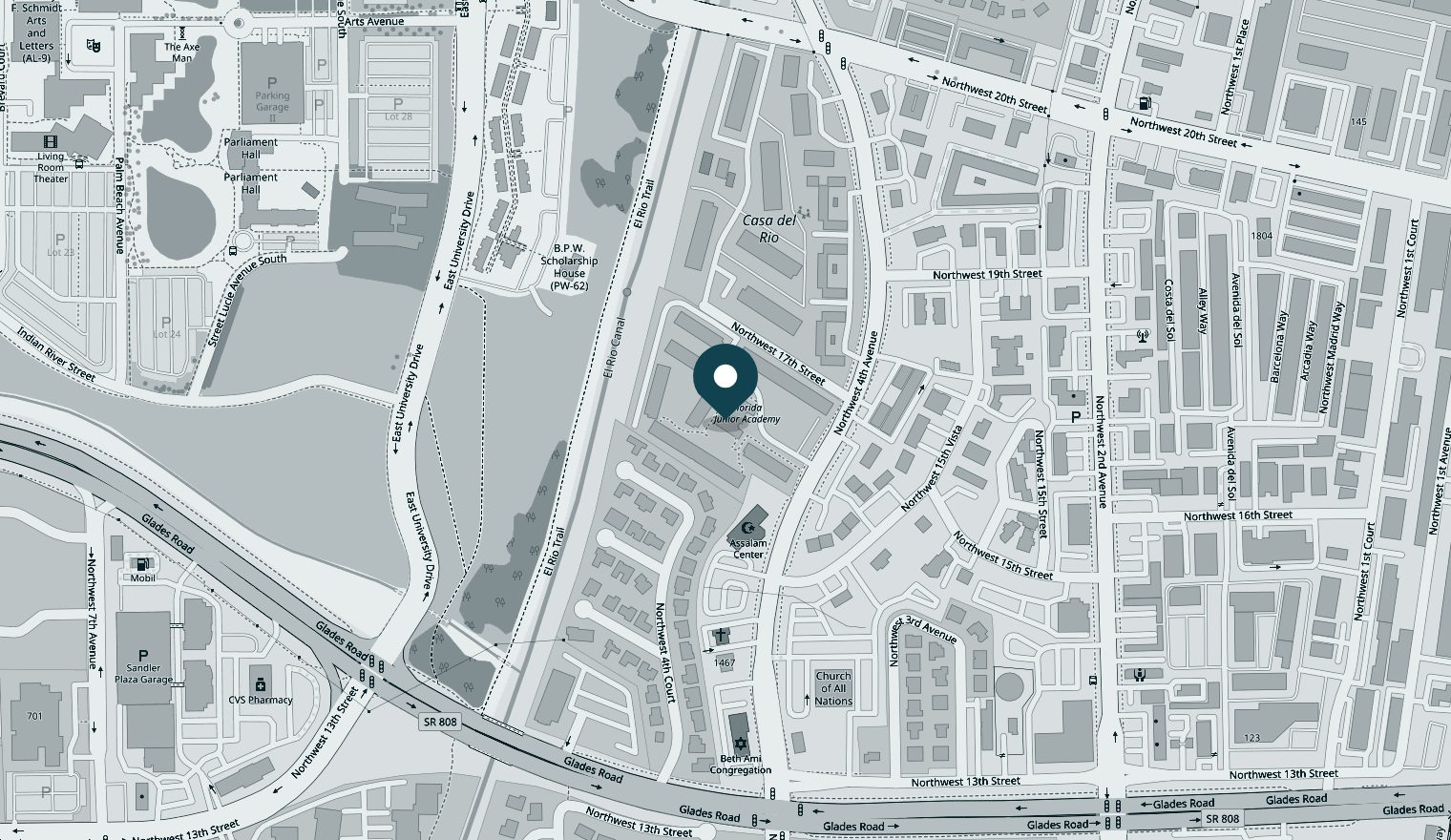
- Know the street name and the unit number. MPDC notes that knowing the street name lets you give 911 your correct location quickly.
- Bring a friend if you can. Seattle Police advise sightseers to travel with another person when possible, particularly at night. Two people also notice more: one checks the water pressure, the other the closet.
Students moving in from out of state have a simpler option for the first look: tour virtually, shortlist one or two units, and then visit in person in daylight. Our remote touring guide walks through that sequence.
Step 3: Tell someone your plan
The National Park Service tells visitors to give a trusted person who is not coming along the details: where you are going, what you are doing and when you will be back, and to ask that person to call authorities if you do not return on time. That advice was written for trails, but a self-guided apartment tour is the same situation in miniature: a place you do not know, a timeframe, and nobody nearby.
Send a short text before you go:
Touring a one-bedroom at [property name], [address], unit [number]. Arriving 5:30, done by 6:30. I’ll text when I’m out.
Then turn on location sharing. MPDC recommends sharing your phone’s location with a trusted friend or family member, and notes you can make a Medical ID reachable from the lock screen. Text back when you are finished, so the person is not left wondering.
Step 4: Keep your phone working
Your phone is your map, your camera, your door code and your lifeline, so protect the battery. The Bureau of Land Management advises keeping your phone charged and considering a backup battery, and points out that text messages can go through when calls will not. Concrete habits:
- Charge fully before you leave, and carry a small power bank.
- Screenshot the access instructions, the property address and the contact number, in case the app or signal fails inside a concrete stairwell.
- Save the leasing office number so you can call it from the unit.
- Keep the volume down on headphones, or leave them out. You want to hear a door open behind you.
Our AI chat and voice assistance are there to answer questions about the apartment before you arrive, which means fewer things to figure out on the spot.
Step 5: Protect your belongings and your information
Do not take more with you than you need. Seattle Police advise keeping purses closed and held in front of your body, carrying wallets in a front pocket or interior jacket pocket, and not wearing expensive jewelry while sightseeing. MPDC adds that a purse should have a zipper or snap with the strap worn diagonally across the body.
For apartment hunting, that becomes:
- Carry a photo ID and one payment card, not your whole wallet. Leave spare cards and cash at home.
- Do not flash devices or cash. MPDC lists not displaying electronics, jewelry or cash among its basic precautions.
- Keep your keys and phone in a pocket, not set down on a counter while you open cabinets.
- Do not discuss your schedule or personal details in front of strangers in the hallway or elevator, such as where you live now or when you will be home alone.
Documents and money: a firm line
The FTC’s warning on protecting your personal information and money is the one rule worth memorizing. Applications ask for a Social Security number, license photo and paystubs. Provide them only through the property’s official application process, after you have seen the unit and confirmed the company. Never send money, gift cards or wire transfers to “reserve” a tour or an apartment you have not seen.
For cat owners, there is one more habit: ask for the pet policy in writing before you apply, so the one-time pet fee and any restrictions are on paper.
Step 6: During the tour, stay aware
Seattle Police note that criminals are discouraged when you do not look vulnerable: walk with purpose and do not feel embarrassed about leaving an uncomfortable situation. Applied to a unit:
- Prop the front door open or confirm how it locks behind you. Know whether you can get out without a code.
- Walk the layout in order. Find the exits, the stairwells and where the lights switch on. Check the hallway and parking lighting on your way in, since you will use them every day.
- Check the locks and windows. A working deadbolt, secure window latches and a peephole are basic. Our apartment viewing checklist lists what to inspect, and our 10 questions to ask when touring covers what to ask the office afterward.
- Take photos and video of the unit as you go. They help you compare, and they document the condition you saw.
- Note who else is around. If someone you did not expect is in the unit, or someone follows you in, stop and step outside.
If you are also thinking about buying someday rather than renting, the same discipline applies when visiting a home on your own, and it helps to choose a first-time buyer realtor before you tour listings independently.
Step 7: Know what to do if something feels wrong
Trust the feeling. MPDC puts it plainly: if someone or something makes you uneasy, leave. If a crime feels imminent, call 911, scream or raise an alarm. MPDC also notes that more people respond to someone yelling “Fire!” than “Help!”
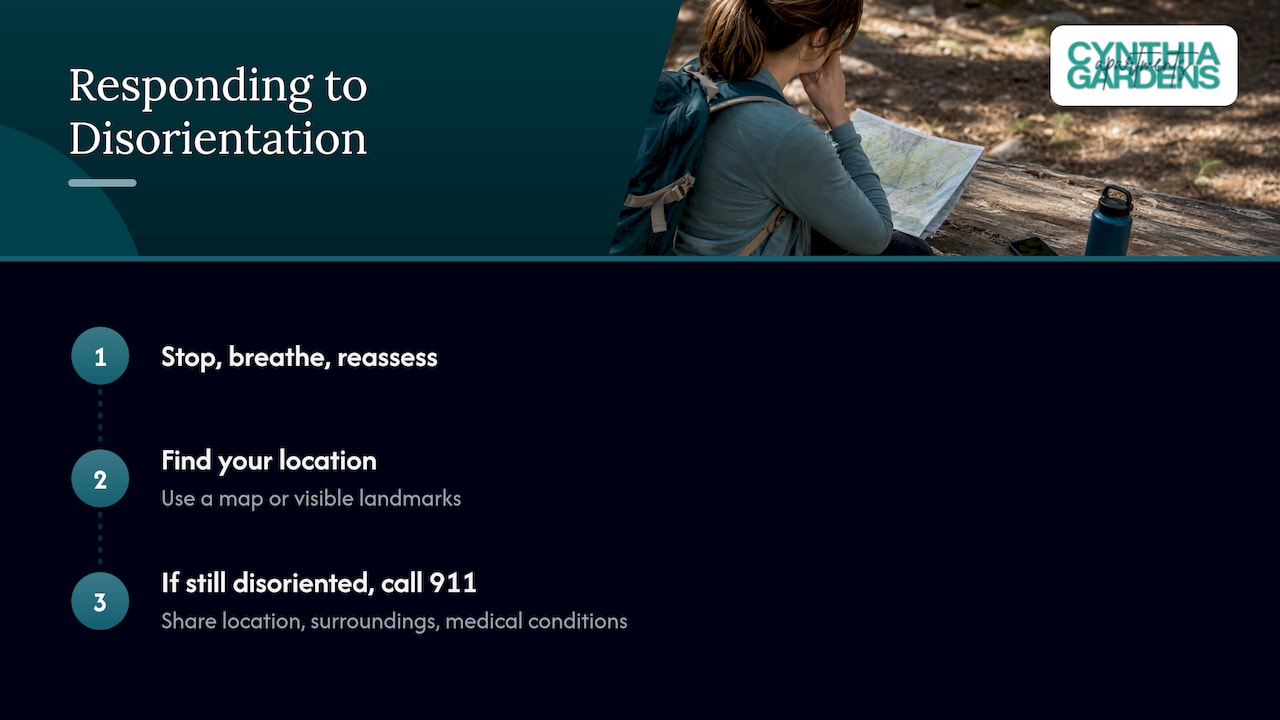
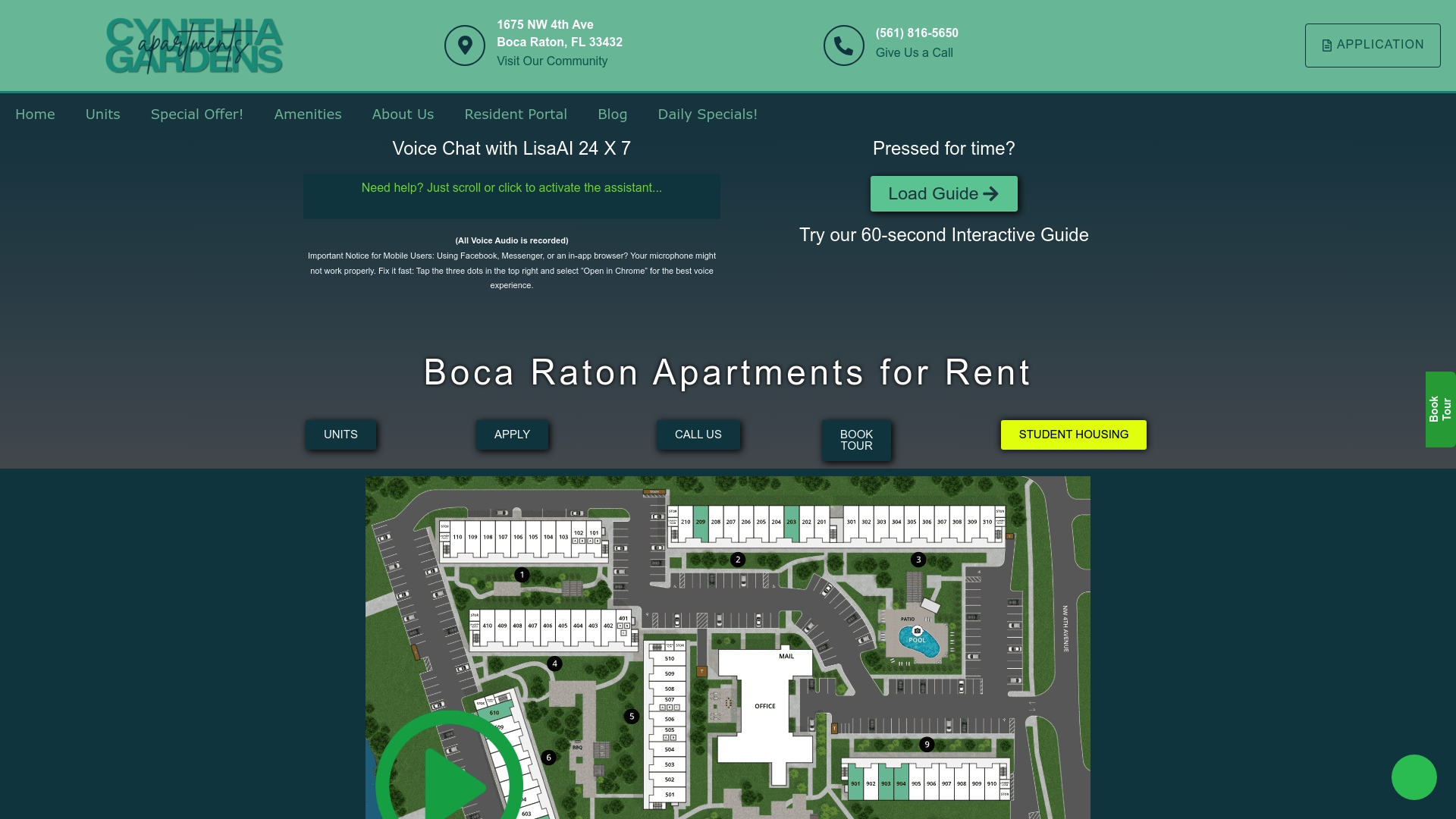
If you get disoriented in a large community, the National Park Service’s emergency plan gives a calm sequence that works anywhere: stop, breathe, and reassess, find your location using a map or visible landmarks, and if you cannot sort it out, call 911 with your location, surroundings, and any medical conditions. In a big apartment community, the building numbers on your tour confirmation are your landmarks.
After any incident, report it to the property’s leasing office and, where it applies, to police. If you were targeted by a fake listing, the FTC accepts reports through its consumer site.
Heat, weather and health in South Florida
Boca Raton tours happen in summer heat, and an empty unit may have the air conditioning switched off. The National Park Service’s backcountry guidance lists the signs of heat illness: headaches, dizziness, nausea and vomiting, cramping and decreased urine output. If you feel them, move to shade or cool air, get water and rest. Bring a bottle of water, wear sunscreen for the walk between buildings, and book an earlier time on the hottest days. Anyone with a heart or respiratory condition, or who is pregnant, should ask their doctor about heat exposure before a long outdoor tour.
A safety checklist you can screenshot
| Before | During | After |
|---|---|---|
| Listing matches the property’s own site | Daylight, well-lit approach | Text your contact you are out |
| Fees confirmed in writing | Know exits and how doors lock | Save photos and notes |
| Plan sent to a friend | Wallet and ID secured | Apply only through official channels |
| Phone charged, address saved | Phone volume low, attention up | Report anything odd to the office |
Our perspective
Self-guided touring works best when the information comes first and the visit comes second. At Cynthia Gardens we built our leasing around that idea: virtual tours, an interactive property map, and AI chat and voice assistance so you can see the apartment, ask about it and understand the cost before you stand in the doorway.
We also think safety starts with honesty about money. Our prices are published, our fee list is on one page, and we do not charge hidden fees. When every cost is visible, a request for an unexpected payment is easy to recognize for what it is.
For our residents, many of them young professionals, students and cat owners, a one-bedroom is a place to settle into a quiet, respectful community. Cats are welcome with a one-time fee and no ongoing pet rent. Start remotely, arrive informed, and leave your plan with a friend. That is how a tour should feel.
Ayman
See Cynthia Gardens from your phone first
Our one-bedroom apartments in Boca Raton are listed at $1,990 to $2,220 per month, with furnished short- and long-term options as well. You can look through the floor plans, take a virtual tour and use the interactive map on our one-bedroom apartments page, then decide whether an in-person visit is worth your time.
If you are applying, our fees page lists every charge up front.
FAQ
Is a self-guided apartment tour safe?
It can be, if you prepare. Verify the listing against the property’s own website, tell someone your plan, visit in daylight and keep your documents and money out of the process until you have a lease process in front of you. The FTC warns that fake rental ads are used to collect fees and personal data, so the listing is the main risk to check.
Should I tour alone or bring someone?
Bringing a friend is the better choice when you can. Police guidance for visitors recommends traveling with another person when possible, particularly at night. If you go alone, share your location and check in by text afterward.
Can I be asked to pay before I see the apartment?
Be cautious. The FTC lists requests for deposits, fees or rent before you have seen a place as a classic scam pattern, and advises walking away from anyone who pressures you to decide quickly. Pay application and administration fees only through the property’s official application process.
What should I take on a tour?
A charged phone, a photo ID, one payment card, a bottle of water and your confirmation details. Leave spare cards, cash and jewelry at home. Cat owners should also bring any questions about the pet policy and fee.
Sources
- Rental Listing Scams, Federal Trade Commission
- General Safety, Metropolitan Police Department (DC)
- Traffic Safety, Metropolitan Police Department (DC)
- Visitor Safety Tips, Seattle Police Department
- Pedestrian Safety, University of South Carolina
- Trip Planning Guide, National Park Service
- Be Safe and Prepared, Bureau of Land Management
- Outdoor Emergency Plan, National Park Service
- Introduction to Backcountry Hiking, National Park Service