
TL;DR:
- Renewing a lease involves proactively extending your rental agreement with careful review and negotiation before it expires. Starting the process 90 days early ensures you have enough time to negotiate terms and avoid automatic renewal or lease termination. Being attentive to changes in the agreement and signing promptly helps protect your housing stability and financial interests.
Renewing a lease is the formal process of extending your rental agreement under new or existing terms before your current lease expires. Most renters treat it as a passive event, something that just happens. That mindset costs money and leverage. The renewing a lease process, formally called lease renewal or lease extension, requires you to act early, communicate clearly, and review every updated clause before you sign. Get it right and you keep a home you like, often on better terms than your landlord originally proposed.
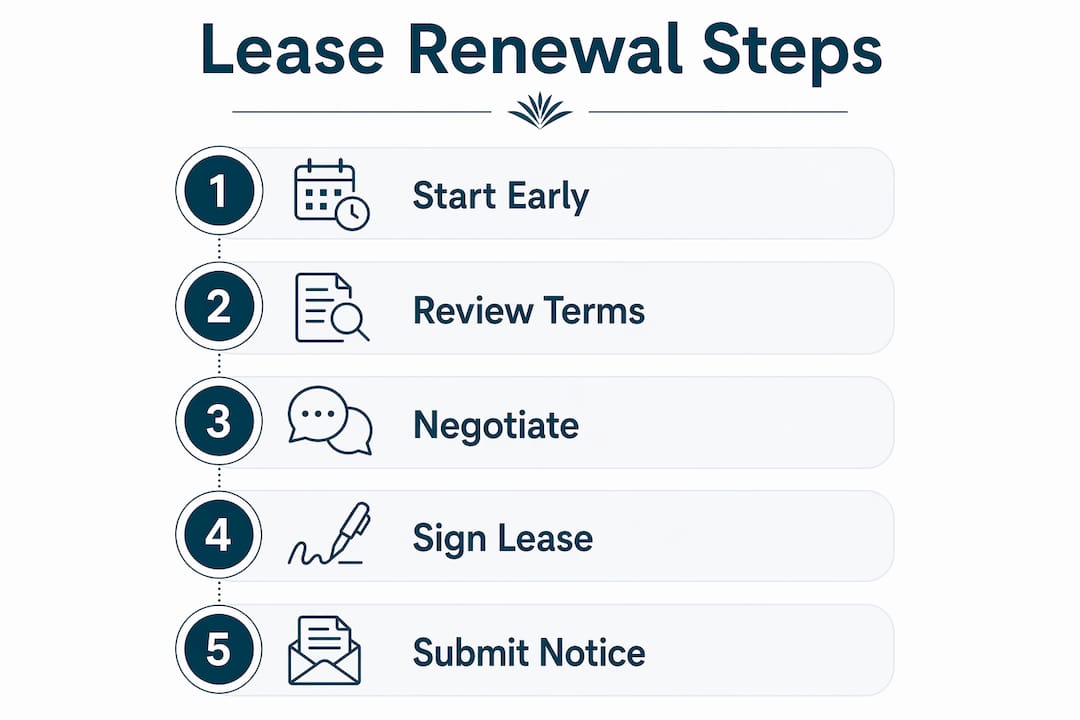
What is the renewing a lease process and when does it start?
The lease renewal process begins earlier than most tenants expect. Landlords typically send renewal offers 60–90 days before your lease ends, and most leases require you to respond within a specific notice window. That window is usually 30–90 days, depending on your lease and local law. Missing it is not a neutral outcome.
Automatic renewal clauses can bind you to a full new lease term if you fail to provide timely notice. Some leases do the opposite: they expire without renewal and leave you scrambling for housing. Neither outcome is good. The safest approach is to start the process 90 days before your lease ends, giving you time to negotiate, resolve any outstanding issues, and review updated terms without pressure.
The table below shows common notice periods and what happens if you miss them.
| Notice Window | Typical Trigger | Consequence of Missing Deadline |
|---|---|---|
| 30 days | Month-to-month leases | Automatic renewal or lease termination |
| 60 days | Standard annual leases | Loss of negotiation window |
| 90 days | Longer fixed-term leases | Forced auto-renewal for full new term |
| Varies by state | Local rent control laws | Possible legal dispute or penalty |
Pro Tip: Set a calendar reminder 100 days before your lease end date. That gives you a 10-day buffer before the 90-day window opens, so you are never caught off guard.
How can you negotiate lease renewal terms effectively?
Negotiation is not just for new leases. Tenants can negotiate rent and lease terms during renewal if they initiate the conversation early and come prepared. Waiting until two weeks before your lease ends leaves you with almost no leverage. Starting 60–90 days out gives you time to make a case and gives your landlord time to respond without feeling pressured.

Your strongest negotiating asset is your track record as a tenant. On-time rent payments, zero maintenance complaints, and a clean unit are worth real money to a landlord. Replacing a tenant costs a property owner one to two months of lost rent plus turnover expenses. You are cheaper to keep than to replace. Use that fact directly in your conversation.
Here is what you can realistically negotiate during a lease renewal:
- Rent amount. Ask for a smaller increase than proposed, or a rent freeze if the local market supports it.
- Lease length. A shorter term (six months) gives you flexibility. A longer term (18–24 months) can lock in your current rate.
- Pet policy. If you adopted a pet during your tenancy, renewal is the right time to formalize that in writing.
- Parking or storage. Request an assigned space or additional storage at no extra cost.
- Maintenance commitments. Ask for specific repairs or upgrades to be completed before you sign.
- Renewal incentives. Some landlords offer one month free or a reduced security deposit adjustment for long-term tenants who renew early.
Renegotiation areas typically include rent amount, lease length, pet policies, and maintenance responsibilities. Every one of those is on the table if you ask. Most tenants never ask.
Pro Tip: Put your renewal request in writing, even if you have already spoken verbally. A short email confirming your intent to renew and the terms you discussed creates a paper trail that protects you if anything changes.
For a deeper look at rent negotiation tactics, the rent negotiation guide at Cynthiagardens covers specific scripts and strategies worth reading before your conversation.
What changes should you expect in a lease renewal agreement?
A renewal agreement is not always a simple copy of your original lease. Landlords use renewal time to update terms, and some of those updates are significant. Reading the document carefully before signing is not optional.
Lease renewal agreements formalize the extension with updated terms, signatures, and new start and end dates. They may take the form of a renewal addendum attached to your original lease, or an entirely new lease document. An addendum changes only the specified terms. A new lease replaces everything. Know which one you are signing.
The four most common changes to watch for are:
- Rent increases. Landlords justify increases by citing market rates, property tax changes, or maintenance costs. Compare the proposed rent to current listings in your area before accepting.
- Updated pet policies. Pet fees, breed restrictions, or weight limits may change between lease terms. If you have a pet, confirm the new terms explicitly.
- Maintenance responsibility shifts. Some renewals quietly transfer minor repair responsibilities from the landlord to the tenant. Read every clause, not just the rent line.
- New community rules. Parking policies, guest restrictions, and noise ordinances sometimes change. These are often buried in an addendum and easy to overlook.
Many leases convert to month-to-month tenancy if not renewed or terminated, but this depends on your specific lease and local laws. Month-to-month sounds flexible, but it also means your landlord can raise rent or end your tenancy with shorter notice. Understand what your default outcome is before you decide not to act.
How do you finalize and sign your lease renewal?
Speed matters at the signing stage. Executing renewal documents quickly, preferably within 24–48 hours of receiving them, reduces the risk of either party reconsidering. Delays invite second thoughts and competing offers. Treat the signing phase as a deadline, not a formality.
The table below outlines each step in the finalization phase.
| Step | Action | Who Is Responsible |
|---|---|---|
| 1. Review the document | Read every clause, compare to your current lease | Tenant |
| 2. Request corrections | Submit any changes in writing before signing | Tenant |
| 3. Sign electronically | Use DocuSign, Adobe Sign, or your landlord’s platform | Both parties |
| 4. Confirm receipt | Get a fully executed copy with all signatures | Tenant |
| 5. Store securely | Save a digital copy and a printed backup | Tenant |
Verbal agreements left unsigned increase the chances of tenants changing their minds. Electronic signature workflows reduce that friction significantly. If your landlord still uses paper, ask whether electronic signing is an option. Most states recognize electronic signatures as legally binding under the Electronic Signatures in Global and National Commerce Act (E-SIGN Act).
Landlords often provide renewal notices 60–90 days before lease expiration, including any rent or term changes. Once you receive that notice, your clock is running. Do not wait for a second reminder. Review, negotiate if needed, and sign promptly.
The transparent lease agreements guide at Cynthiagardens explains what to look for in renewal documents and how to spot clauses that shift risk onto the tenant.
Key takeaways
The renewing a lease process requires proactive timing, clear negotiation, and careful document review to protect your housing and your budget.
| Point | Details |
|---|---|
| Start 90 days early | Beginning the process three months out gives you time to negotiate and resolve issues. |
| Know your notice window | Missing the 30–90 day notice deadline can trigger automatic renewal or lease termination. |
| Negotiate with your track record | On-time payments and good tenancy history are your strongest leverage in rent discussions. |
| Read every updated clause | Renewal agreements often change pet policies, maintenance duties, and community rules. |
| Sign within 24–48 hours | Prompt signing reduces the risk of either party reconsidering agreed terms. |
What i have learned after watching hundreds of lease renewals go wrong
Most tenants treat lease renewal as paperwork. It is not. It is the single moment in your tenancy where you hold real leverage, and most people waste it by waiting too long or saying nothing at all.
Renewal decisions are often based on the overall tenant experience, including maintenance responsiveness and communication, not just financial factors. That cuts both ways. If your landlord has been slow to fix things, unresponsive to requests, or unclear about fees, renewal is the moment to say so. Not aggressively. Directly. “I would like to renew, and I would also like to discuss the three maintenance requests that went unresolved this year.” That sentence alone changes the dynamic.
The mistake I see most often is treating lease end as a passive event. Many tenants misunderstand auto-renewal or month-to-month defaults, and they end up locked into terms they never consciously agreed to. Read your lease now, before you are 30 days out. Know your default outcome. Then decide whether to renew, negotiate, or move.
One more thing: document everything. Maintenance requests, emails, verbal conversations confirmed in writing. If a dispute arises at renewal time, your paper trail is your defense. Tenants who document consistently almost always come out ahead.
— Ayman
Renew with confidence at Cynthiagardens in boca raton
If your current apartment is not delivering on the basics, renewal time is the right moment to reconsider your options.
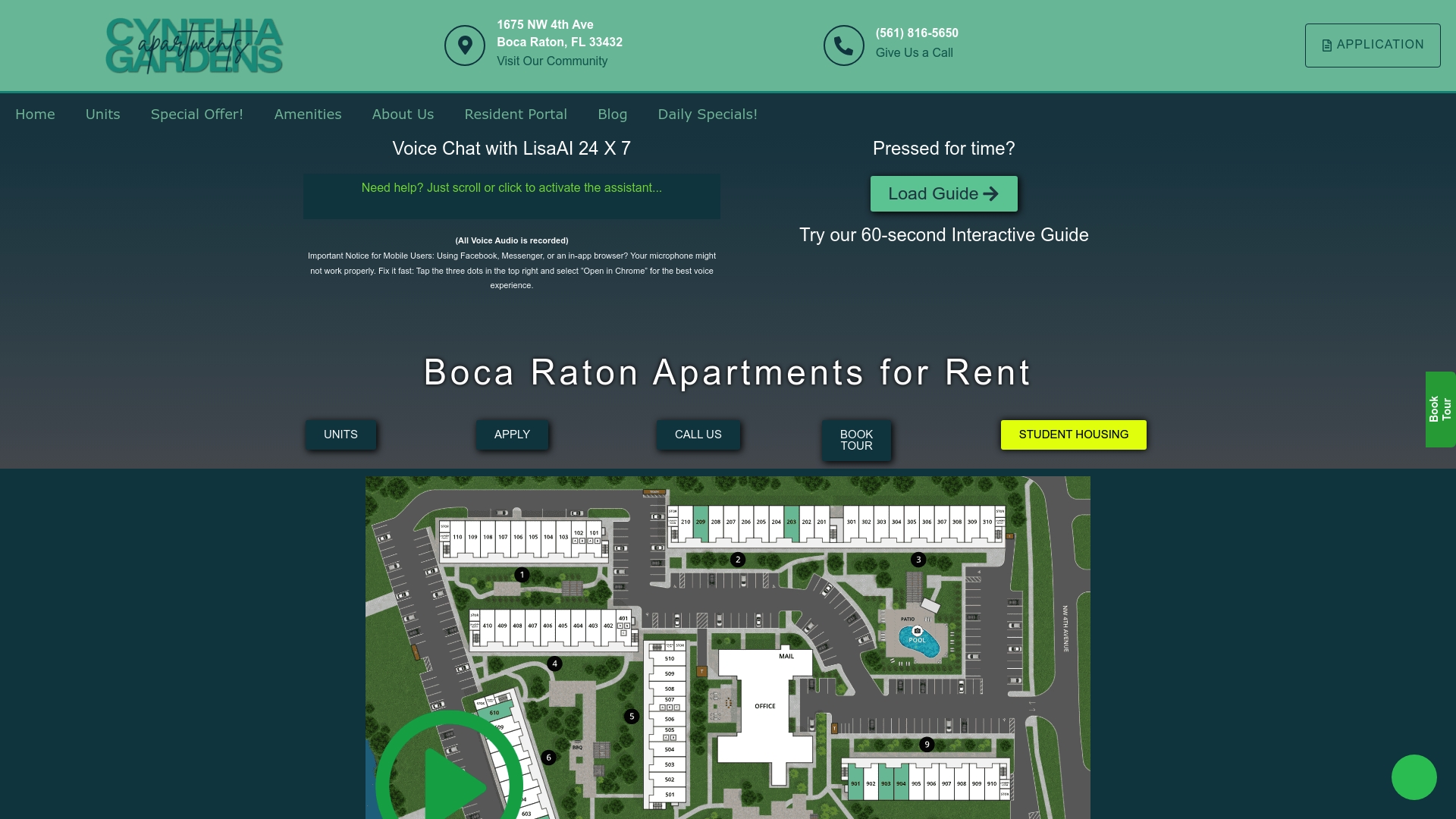
Cynthiagardens offers well-maintained one-bedroom apartments in Boca Raton with transparent pricing, no hidden fees, and a tech-forward leasing experience that includes AI chat support, virtual tours, and an interactive property map. Young professionals, students, and pet owners will find flexible lease options and a community built around clear communication. If you are weighing whether to renew where you are or start fresh somewhere better, explore the Boca Raton one-bedroom options at Cynthiagardens and see what a straightforward leasing process actually looks like.
FAQ
How early should you start the lease renewal process?
Start at least 90 days before your lease ends to allow time for negotiation and resolving any outstanding issues. Sixty days is enough for paperwork but too short for meaningful negotiation.
What happens if you miss the renewal notice deadline?
Missing the notice window can trigger an automatic renewal for a full new term or cause your lease to expire without renewal, depending on your lease language and local law. Always check your specific lease for the exact deadline.
Can you negotiate rent during a lease renewal?
Yes. Tenants can negotiate rent, lease length, pet policies, and maintenance responsibilities during renewal. Your strongest leverage is a clean payment history and the cost a landlord would incur replacing you.
What is the difference between a renewal addendum and a new lease?
A renewal addendum modifies specific terms of your existing lease, while a new lease replaces the entire original agreement. Confirm which document you are signing before you put your signature on it.
Is a verbal renewal agreement legally binding?
Verbal agreements are difficult to enforce and increase the risk of misunderstandings. Always get the renewal in writing and signed by both parties, preferably using an electronic signature platform for speed and clarity.
Recommended
- Lease renewal explained: Boca Raton renters’ smart guide
- How to Negotiate Rent Price and Win Your Lease – Luxury Apartments for Rent in Boca Raton | Premium Boca Raton Apartments | Aapartments Boca Raton
- A Renter’s Guide to an Apartment Move Out Notice – Luxury Apartments for Rent in Boca Raton | Premium Boca Raton Apartments | Aapartments Boca Raton