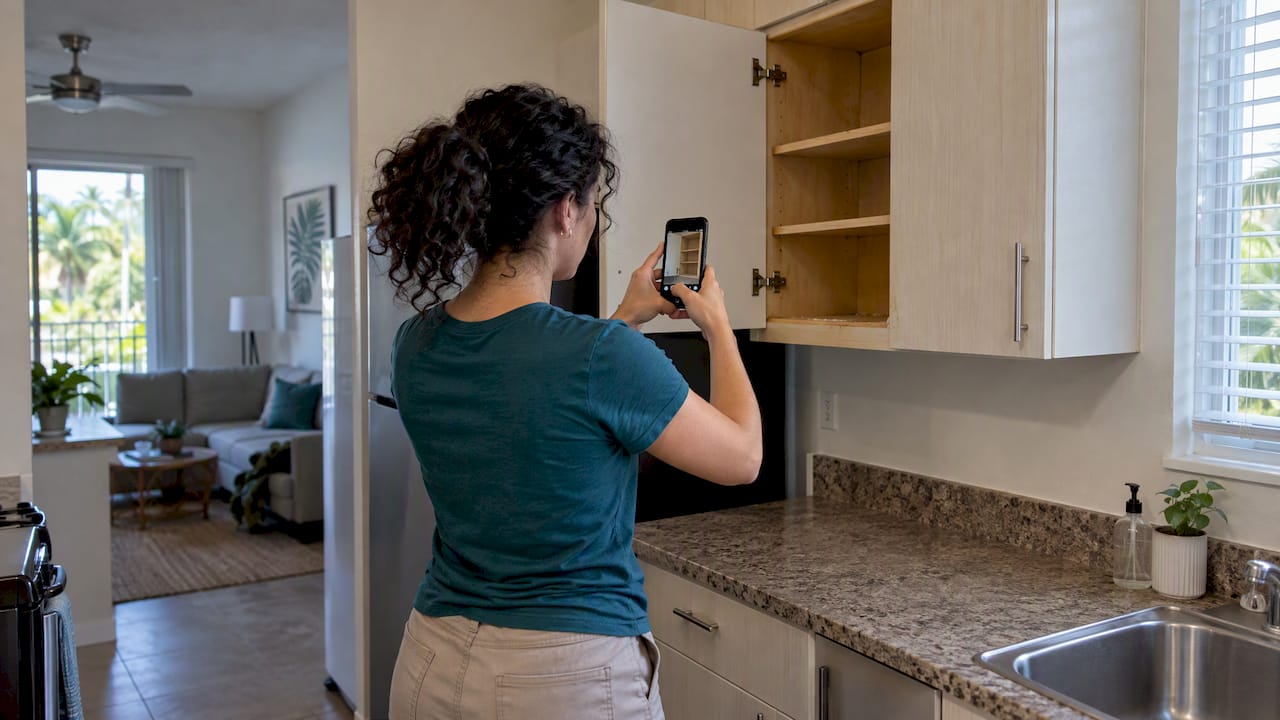
In Florida, landlords are responsible for pest extermination in most rental units, except in single-family homes and duplexes where a written lease shifts that duty to the tenant. This default comes from Florida Statute § 83.51, which also requires landlords to abate rent if extermination forces a tenant out. If a pest problem comes up, document it and send written notice right away.
TL;DR:
- Landlords are responsible for pest extermination in apartment buildings and multi-unit complexes, regardless of lease language, under Florida Statute § 83.51.
- In single-family homes and duplexes, pest control duty can only be shifted to the tenant through specific written lease clauses, not by silence or vague wording.
- Tenants must keep their units clean and sanitary and report early signs of infestations to avoid liability for damage caused by neglect or poor sanitation.
- Proper documentation, including photos and written notices, is essential for tenants to enforce pest issues, with a formal 7-day notice required before pursuing lease termination.
- Pest damage specifics vary by pest type; termites have separate contracts, while rodents and roaches are largely managed through sanitation and building maintenance.
Table of Contents
- Florida statutes and the legal baseline you must know
- How responsibility changes by property type
- Tenant duties, sanitation, and when tenants may be liable
- How to proceed when a landlord ignores pest issues
- How termites, bedbugs, and common pests are treated differently
- Prevention and shared maintenance that actually work
- Regulator roles, license checks, and filing a complaint
- How a Boca Raton apartment community handles pest responsibility
- Clear lease terms and fast action beat a courtroom
- Looking for a rental with clear maintenance practices?
- FAQ
- Sources
Florida statutes and the legal baseline you must know
Three statutes govern most pest disputes in Florida rentals, and understanding how they interact matters more than memorizing any single rule.
- § 83.51 puts extermination duty on the landlord for units other than single-family homes or duplexes, and requires a 7-day written notice plus rent abatement if the tenant must vacate for treatment, with the vacancy capped at 4 days.
- § 83.52 requires tenants to keep the unit clean and sanitary, under Florida Statutes Chapter 83, which matters when an infestation traces back to tenant habits rather than the building.
- § 83.56 sets the notice and cure process: a tenant who believes the landlord is failing a maintenance duty must deliver a formal 7-day written notice before pursuing termination.
A written lease can reassign extermination duty in single-family and duplex rentals, but it cannot override the landlord’s baseline duty in apartment buildings or other multi-unit dwellings. Read the lease’s maintenance clause before assuming either side owes nothing.
How responsibility changes by property type
Classifying your rental correctly is the first step to knowing who owes what.
- Apartments and multi-unit buildings: the landlord carries extermination duty by default under § 83.51, regardless of what a lease says, because the statute does not allow this duty to shift in these property types.
- Single-family homes and duplexes: landlords may shift pest control duty to the tenant, but only through specific written lease language, not by silence or a general “tenant maintains the property” clause.
- Condos and HOA properties: when pests originate in shared walls, roofs, or common areas governed by an association, responsibility often falls on the HOA or the unit owner’s lease terms rather than the individual renter.
A tenant in a ten-unit apartment complex with a cockroach problem in a shared wall, for example, is almost always covered by the landlord’s statutory duty, while a tenant renting a standalone duplex with a lease clause naming pest control as a tenant task carries that cost directly.
Tenant duties, sanitation, and when tenants may be liable
Tenants are not off the hook just because the landlord usually holds extermination duty. Under § 83.52, tenants must keep the dwelling clean, dispose of garbage properly, and use plumbing and other fixtures reasonably. When an infestation traces to tenant behavior rather than the building’s condition, landlords can reasonably push treatment costs back onto the tenant.
- Leaving food waste or dirty dishes out regularly, which attracts roaches and rodents.
- Overflowing or improperly bagged trash left inside the unit for days.
- Bringing in infested furniture or bedding without inspection, a common bedbug source.
- Ignoring early signs like droppings or shed insect skins instead of reporting them.
Landlords documenting tenant-caused conditions should photograph the issue, date the notes, and keep any prior warnings on file; tenants can rebut such claims with their own photos, maintenance request history, or move-in condition reports, as explained in this detailed tenant left junk in Florida: Legal steps and fast cleanout guide.
Pro Tip: Take dated photos of your kitchen and storage areas at move-in. They become your best evidence if a pest dispute ever turns into a dollar argument.
How to proceed when a landlord ignores pest issues
When a landlord fails to address an infestation, Florida law gives tenants a specific path rather than leaving them to guess.
- Send a written 7-day notice describing the pest problem, the date it started, and a request for treatment, using hand delivery, mail, or electronic delivery if both parties signed an e-delivery addendum.
- Keep a copy and proof of delivery, since this becomes your evidence if the dispute escalates.
- Wait out the cure window; if the landlord does not act, § 83.56 allows the tenant to pursue termination of the lease.
- Withholding rent under § 83.201 requires strict adherence to the notice procedure; improper withholding can expose the tenant to eviction.
- Hiring a pest company and deducting the cost from rent is rarely advisable without a documented notice trail and, ideally, legal advice. For related maintenance disputes, our guide to forcing mold repairs with a 7-day notice walks through a comparable notice-and-cure sequence.
How termites, bedbugs, and common pests are treated differently
Not every pest carries the same legal or financial weight. Termite and wood-destroying organism (WDO) contracts must spell out whether coverage is Retreatment and Repair, Retreatment Only, or No Warranty, under FDACS disclosure rules.
- Termite damage typically falls outside homeowners insurance, which is why FDACS stresses proactive inspection contracts over reactive repairs.
- Bedbugs often hinge on evidence: inspection reports and photos determine whether the landlord or a specific tenant’s belongings triggered the infestation.
- Rodents, roaches, and ants usually come down to sanitation, with both the building’s structural condition and the tenant’s housekeeping playing a role.
Prevention and shared maintenance that actually work
Most infestations trace back to what FDACS calls “conducive conditions,” things like trapped moisture, poor grading, or wood touching soil, and fixing them matters more than any single treatment.
- Landlords should address moisture control, drainage, and wood-to-soil contact around the building’s foundation.
- Tenants should store food in sealed containers, remove trash promptly, and report early signs instead of waiting.
- Move-in inspections and scheduled pest checks give both sides a documented baseline if a dispute arises later.
Pro Tip: A pest treatment rarely holds if the underlying moisture or structural issue never gets fixed, so ask what caused the infestation, not just how to kill it.
Regulator roles, license checks, and filing a complaint
FDACS licenses pest control companies and requires written WDO contracts, but it handles regulatory compliance, not personal damage claims.
- Verify a company’s license and ask for its WDO contract type before signing anything.
- File a complaint with FDACS if a company skips required disclosures or performs substandard work.
- For financial damages, civil court or small claims remains the tenant’s or landlord’s path, separate from FDACS oversight.
How a Boca Raton apartment community handles pest responsibility
Clear documentation keeps pest disputes from escalating. Our move-out deposit process follows the 15/30/15 rule, and our security deposit guidance spells out how damage deductions work, which matters when pest-related repairs intersect with move-out charges.
Clear lease terms and fast action beat a courtroom
Most pest disputes I have seen trace back to vague lease language, not bad faith. A lease that states plainly who handles extermination, paired with a landlord who responds to notices within days rather than weeks, resolves nearly every case before it needs a judge. When a notice gets ignored or a remedy gets disputed, loop in a tenant attorney or local legal aid rather than guessing at the next step.
— Ayman
Looking for a rental with clear maintenance practices?
We offer one-bedroom apartments with transparent pricing, no hidden fees, and a maintenance process designed to address issues like pests promptly. 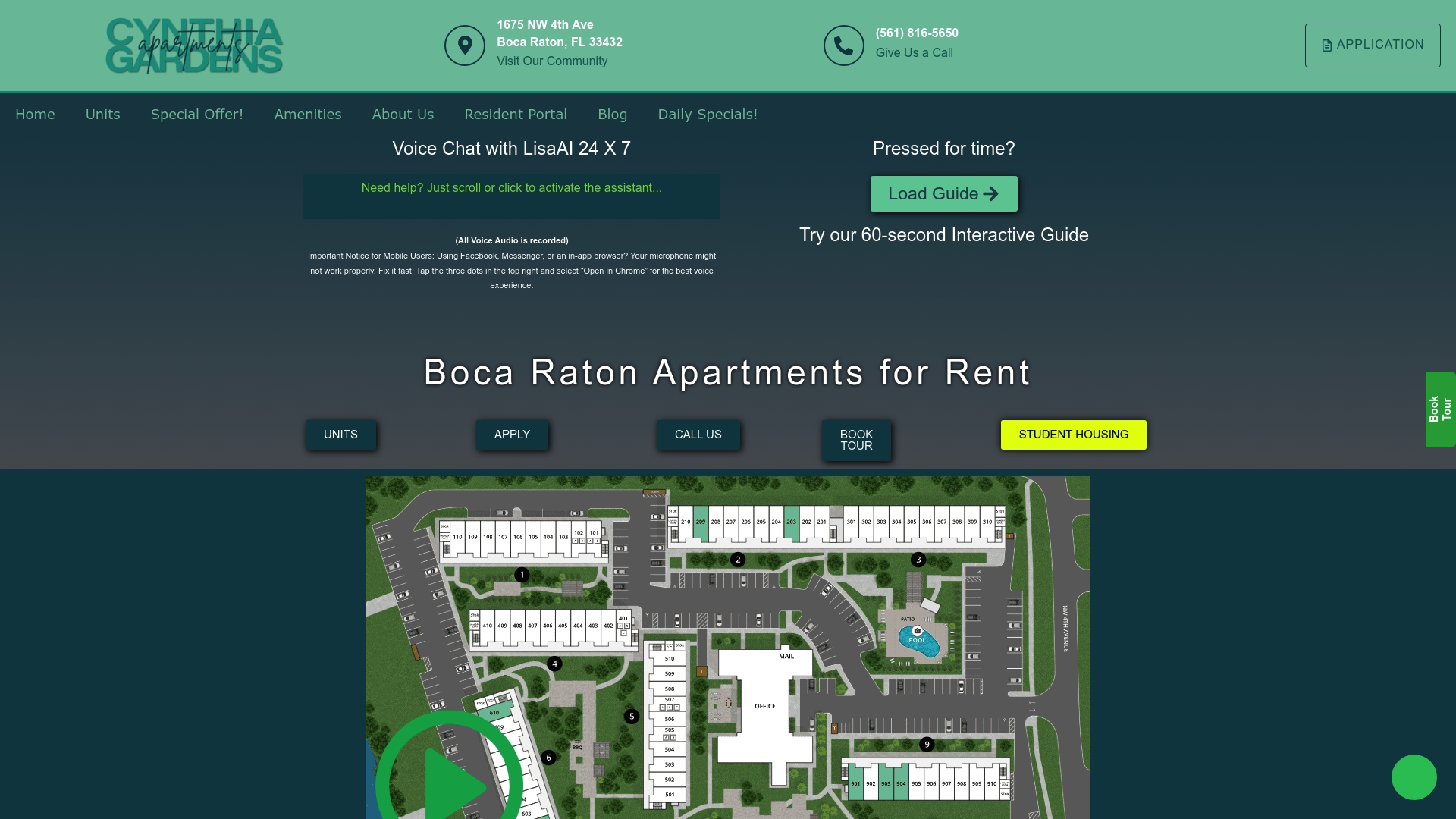
- Browse our one-bedroom apartments to see current availability and pricing.
- If you are mid-dispute with a current landlord over pest responsibility, follow the statutory notice steps above before signing a new lease.
If a pest problem ever arises in your unit, our team responds promptly, and our tenant resource pages outline how deposits and repairs are handled.
This article is general information, not a substitute for advice from a qualified lawyer. Consult a qualified legal professional about your own circumstances before acting on anything here.
FAQ
What are the laws in Florida regarding pest control?
Florida law places extermination duty on landlords for most rental units under § 83.51, except single-family homes and duplexes where a written lease assigns that duty to the tenant. Tenants must also keep the unit clean and sanitary under § 83.52, and disputes follow the notice and cure process in § 83.56.
Are pest control contracts legal in Florida?
Yes, pest control contracts are legal and required for wood-destroying organism treatments, with FDACS mandating written disclosure of whether coverage is Retreatment and Repair, Retreatment Only, or No Warranty. Always get the contract in writing before treatment begins.
What are the three rules for pest control?
There is no single official “three rules” framework in Florida law, but the core principles are: landlords handle extermination by default, tenants must maintain sanitary conditions, and written notice with a cure period governs most disputes. These come from §§ 83.51, 83.52, and 83.56.
Who regulates pest control companies in Florida?
The Florida Department of Agriculture and Consumer Services licenses pest control companies and enforces contract disclosure requirements. FDACS handles regulatory compliance and complaints about licensing or contract violations, while financial damage claims go through civil court.
Sources
- Florida Senate — 2025 Florida Statutes § 83.51
- Florida House / Florida Statutes Chapter 83 (2025)
- Florida Senate — 2025 Florida Statutes § 83.56
- Florida Department of Agriculture and Consumer Services — Termites
- FDACS — Conducive conditions and contracts for wood‑destroying organisms