TL;DR:
- Proper move-in preparation begins eight weeks before moving, including booking movers and scheduling utilities. A thorough inspection and documentation of the apartment’s condition on day one protect your deposit and prevent disputes. Organizing packing with an open-first kit and unpacking in phases ensures a smooth transition into your new home.
Move-in preparation is the process of organizing, packing, and setting up your new home before and after moving day to avoid costly mistakes and unnecessary stress. Done right, it starts eight weeks out and covers everything from booking movers to documenting your apartment’s condition on day one. Skip the planning, and you risk missed utility transfers, damaged furniture, and deposit disputes that could have been prevented. This guide walks you through every stage of the process, from early logistics to settling in comfortably, with specific tools and timelines that actually work.
What key preparations should you start weeks before moving in?
Starting 8 weeks ahead gives you time to get competitive moving quotes, declutter properly, and arrange utility transfers before peak moving season. That lead time matters most between may and september, when moving companies book up fast and prices climb. If you wait until two weeks before, your options shrink and your costs go up.
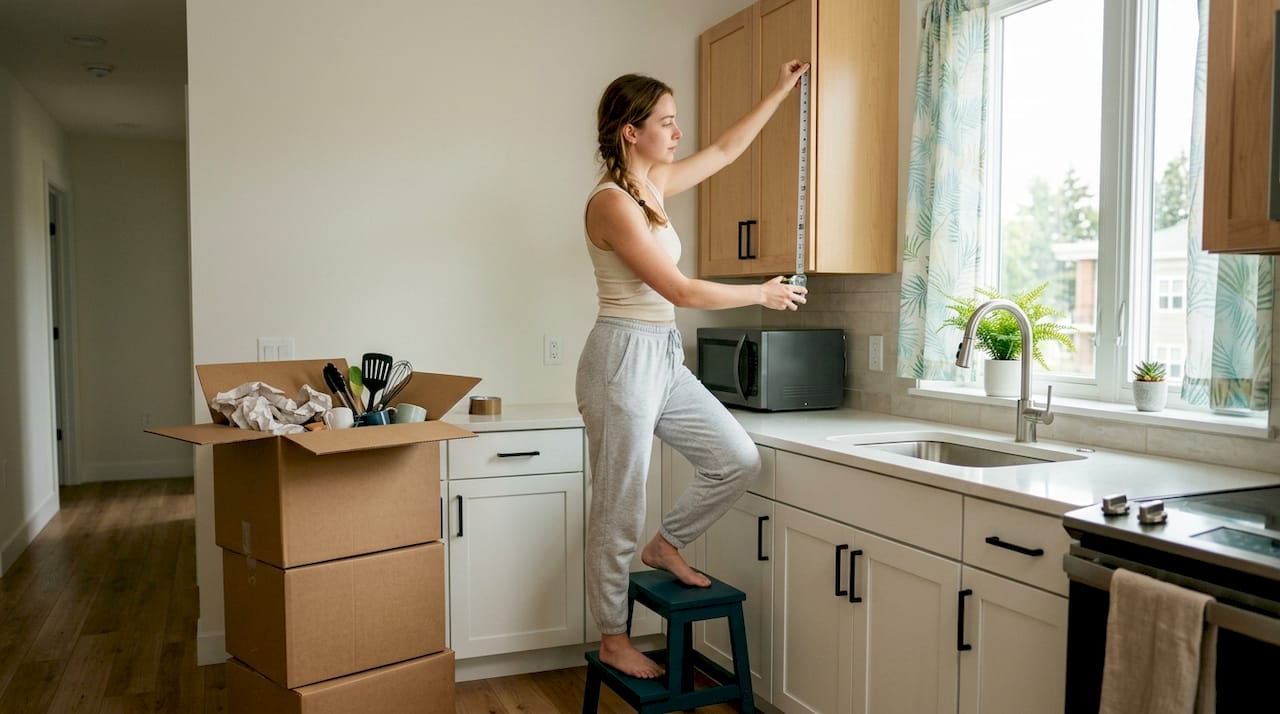
The first task is measuring. Most movers measure their furniture but forget to measure hallways and doorways along the travel path. A sectional sofa might fit perfectly in your new living room but get stuck in a narrow stairwell. Measure every chokepoint between the moving truck and the final room.
Book your movers or rental truck as soon as your move date is confirmed. Create a moving binder, either physical or digital, to store your lease, moving quotes, utility account numbers, and receipts in one place. Apps like Google Drive or Notion work well for this. A dedicated folder prevents the frantic searching that derails move-in day.
Budget beyond rent and deposit. First-time renters often overlook the immediate cost of groceries, cleaning supplies, and basic household items in the first week. These unplanned expenses add up fast. Build a separate line item in your budget for first-week essentials so you are not caught short after paying move-in costs.
- Get at least three moving quotes and compare total costs, not just hourly rates
- Declutter room by room, donating or selling items you will not use in the new space
- Schedule utility transfers and internet installation at least two weeks before move-in
- Confirm your new address with USPS, your bank, and any active subscriptions
- Purchase essential moving supplies: packing tape, bubble wrap, markers, and sturdy boxes
Pro Tip: Schedule your internet installation for the day before or the morning of move-in. Waiting until after you are settled means days without connectivity, which affects remote work and everything else.
How to organize and pack efficiently for move-in day?
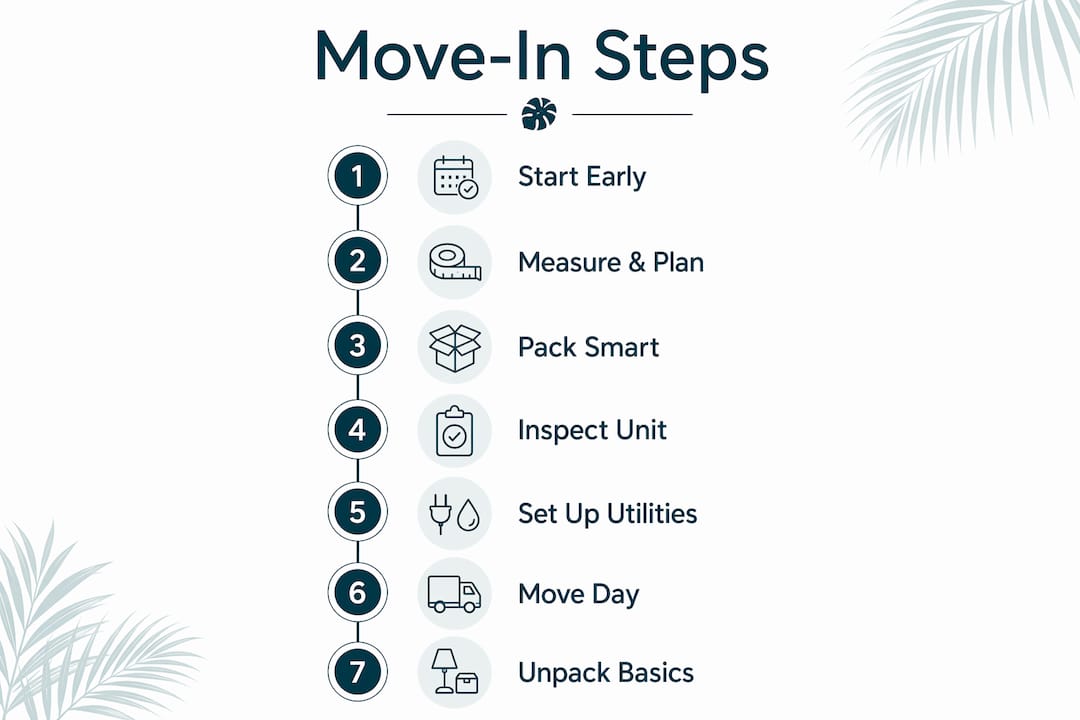
Packing efficiently means thinking about unpacking before you seal a single box. The goal is to arrive at your new place knowing exactly where everything is and what to open first. Most movers pack in reverse order of importance, which makes the first night unnecessarily chaotic.
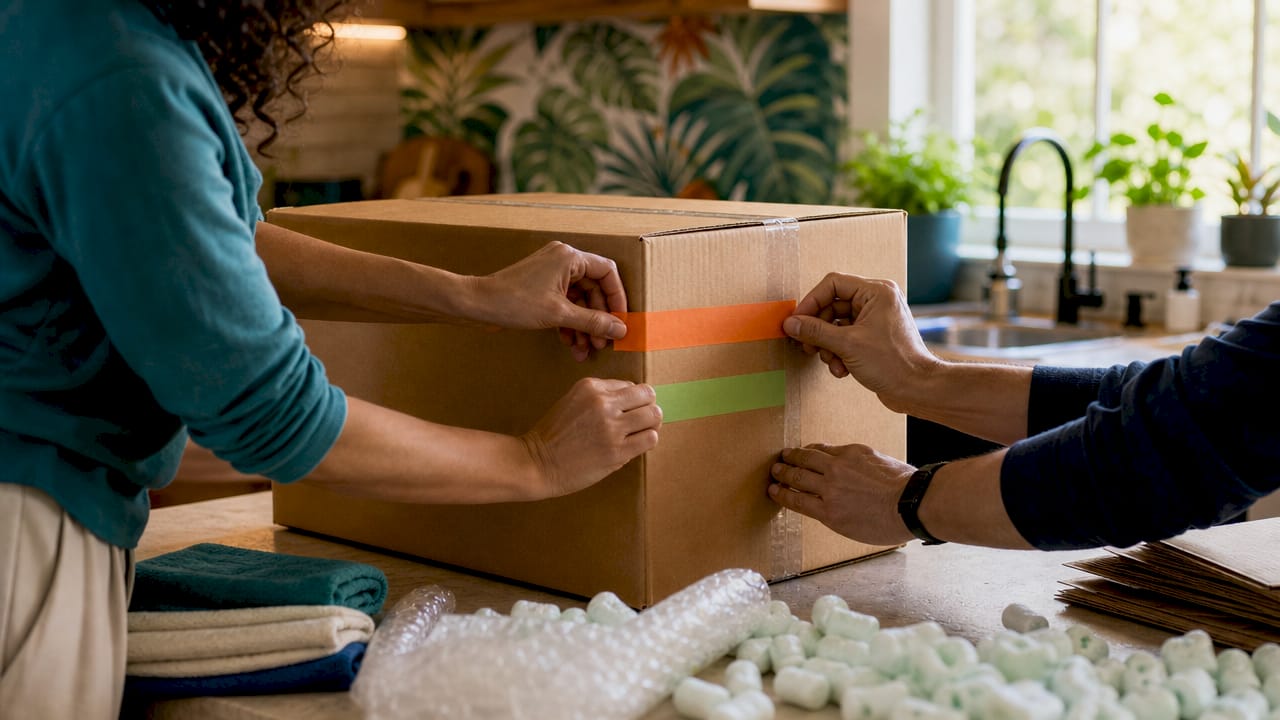
The single most useful packing move is the open-first kit. Pack a separate box or bag with toiletries, a change of clothes, phone chargers, a few snacks, cleaning wipes, and any medications. Keep it in your car or clearly labeled at the top of the truck. This kit saves you from tearing through 30 boxes at 9 p.m. looking for your toothbrush.
If you have roommates, coordinate purchases before packing. Sharing cleaning supplies, kitchenware, and small appliances eliminates duplicate items and reduces the number of boxes you both need to move. A quick shared spreadsheet listing who brings what takes 20 minutes and saves real money.
- Sort every item into three categories: pack, donate, and discard. Do this before buying a single box.
- Pack by room and label each box with the destination room and a brief contents note (for example, “Kitchen: pots and lids”).
- Mark boxes containing fragile items on all four sides, not just the top, since boxes get stacked and rotated.
- Pack heavy items like books in small boxes. Pack light items like bedding and pillows in large boxes.
- Keep your open-first kit completely separate from all other boxes and load it last so it comes off the truck first.
Pro Tip: Use a color-coded label system: one color per room. A roll of colored masking tape costs under $5 and cuts unpacking time significantly because movers can place boxes without reading every label.
Avoid overpacking boxes to the point where they bow or break. A box that fails mid-move can damage irreplaceable items and create a safety hazard on stairs. When in doubt, use a smaller box or add more padding.
What should you do on move-in day to ensure a safe transition?
Move-in day preparation is about two things: protecting your deposit and getting your essentials set up before you sleep there. Both require a clear sequence of actions, not improvisation.
Before a single box comes through the door, do a move-in walkthrough within 48 hours of getting your keys. Test every light switch, outlet, faucet, and appliance. Check smoke detectors and carbon monoxide detectors. Note any existing damage, stains, or broken fixtures. Submit your documentation to your landlord in writing the same day.
Photos are good. A narrated video walkthrough is better. Video with spoken commentary creates stronger evidence in deposit disputes because it shows context and condition simultaneously. Walk through every room, open every cabinet, and narrate what you see. Store the file somewhere you will not lose it, like Google Photos or iCloud, with the date visible.
Use a move-in inspection checklist to make sure nothing gets missed during the walkthrough. A structured checklist covers areas that are easy to forget under the stress of moving day, including behind appliances and inside closets.
| Area to inspect | What to check |
|---|---|
| Walls and ceilings | Cracks, stains, holes, or paint damage |
| Floors | Scratches, stains, loose tiles, or warped boards |
| Plumbing | Water pressure, drainage speed, and visible leaks |
| Electrical | All outlets functional, no exposed wiring |
| Safety devices | Smoke and CO detectors tested and working |
| Doors and windows | Locks functional, seals intact, no broken glass |
Protect your floors and doorframes during the move itself. Lay down cardboard or moving blankets on hardwood floors before sliding furniture. Use door frame protectors or wrap corners with moving blankets. Damage you cause during the move is your financial responsibility, not pre-existing wear.
Set up your bedroom and bathroom first. You need a place to sleep and a functional bathroom before anything else. A basic kitchen setup comes next: coffee maker, a few dishes, and enough to get through the first morning. Everything else can wait.
How to settle into your new home after moving in?
Settling in is a process, not a single day. Trying to unpack everything at once leads to burnout and poor organization decisions made under pressure. A phased approach produces better results.
- Spend the first two days on necessities only: bedroom, bathroom, and a basic kitchen setup.
- On days three through five, tackle the living room and any home office setup.
- Use a gaps list, a running note on your phone, to track items you realize you need as you unpack. Buy them in one trip rather than making daily store runs.
- Register your new address with USPS, your bank, your employer, and any subscriptions. USPS charges $1.10 for online address change verification, so have a card ready.
- Confirm that all utilities are fully active, not just transferred. Call your internet provider to verify activation if the connection is not working on day one.
Cleaning the unit while it is empty is far more efficient than cleaning around boxes and furniture. Wipe down cabinets, scrub the bathroom, and clean behind appliances before anything gets placed. Once furniture is in, those areas become much harder to reach.
Finding reliable local service providers early saves stress later. Identify a plumber, electrician, and handyman in your area before you need one urgently. Check Google Reviews and Nextdoor for recommendations specific to your neighborhood. Having those contacts saved means a burst pipe at midnight does not become a full crisis.
Pace yourself. Most people feel pressure to be “fully moved in” within a week. That pressure leads to cluttered shelves and furniture placed without real thought. Give yourself three to four weeks for a complete, comfortable setup.
Key Takeaways
Effective move-in preparation requires starting eight weeks out, packing with an unpacking strategy in mind, and documenting your apartment’s condition on day one to protect your deposit.
| Point | Details |
|---|---|
| Start eight weeks early | Book movers, get quotes, and schedule utilities before peak season drives up costs. |
| Pack an open-first kit | Keep essentials like chargers, toiletries, and a change of clothes separate and accessible. |
| Document everything on day one | Film a narrated video walkthrough and submit it to your landlord within 48 hours. |
| Budget for hidden costs | First-week groceries and cleaning supplies add up fast beyond rent and deposit. |
| Unpack in phases | Set up bedroom and bathroom first, then use a gaps list to track what you still need. |
What I have learned from watching people move in unprepared
The most underestimated step in the entire move-in process is the condition walkthrough. I have seen renters skip it because they were exhausted on move-in day, then spend months fighting over deposit deductions for damage that was there before they arrived. A 30-minute walkthrough with a phone camera is the single highest-return task on the entire moving checklist.
The second thing most people get wrong is the timeline. They treat “move-in day” as the finish line when it is actually the starting gun. The real work, address changes, utility confirmations, finding local services, and actually organizing your space, happens in the two weeks after you get your keys. Planning for that phase matters as much as planning the move itself.
Digital tools make a real difference here. A shared Google Sheet for coordinating with roommates, a folder in Google Drive for lease documents and inspection photos, and a simple notes app for your gaps list cost nothing and prevent the kind of disorganization that makes moving feel worse than it needs to be. The first apartment setup process does not have to be chaotic if you treat it like a project with phases and deadlines.
My honest advice: be thorough on documentation and flexible on everything else. Your furniture arrangement will change. Your unpacking order will shift. But your inspection record is permanent, and so is the cost of not having one.
— Ayman
Moving into a Cynthiagardens apartment in Boca Raton
Cynthiagardens takes the friction out of the early stages of renting. The community offers virtual tours, an interactive property map, and AI chat support so you can confirm apartment details, layout, and features before move-in day arrives.
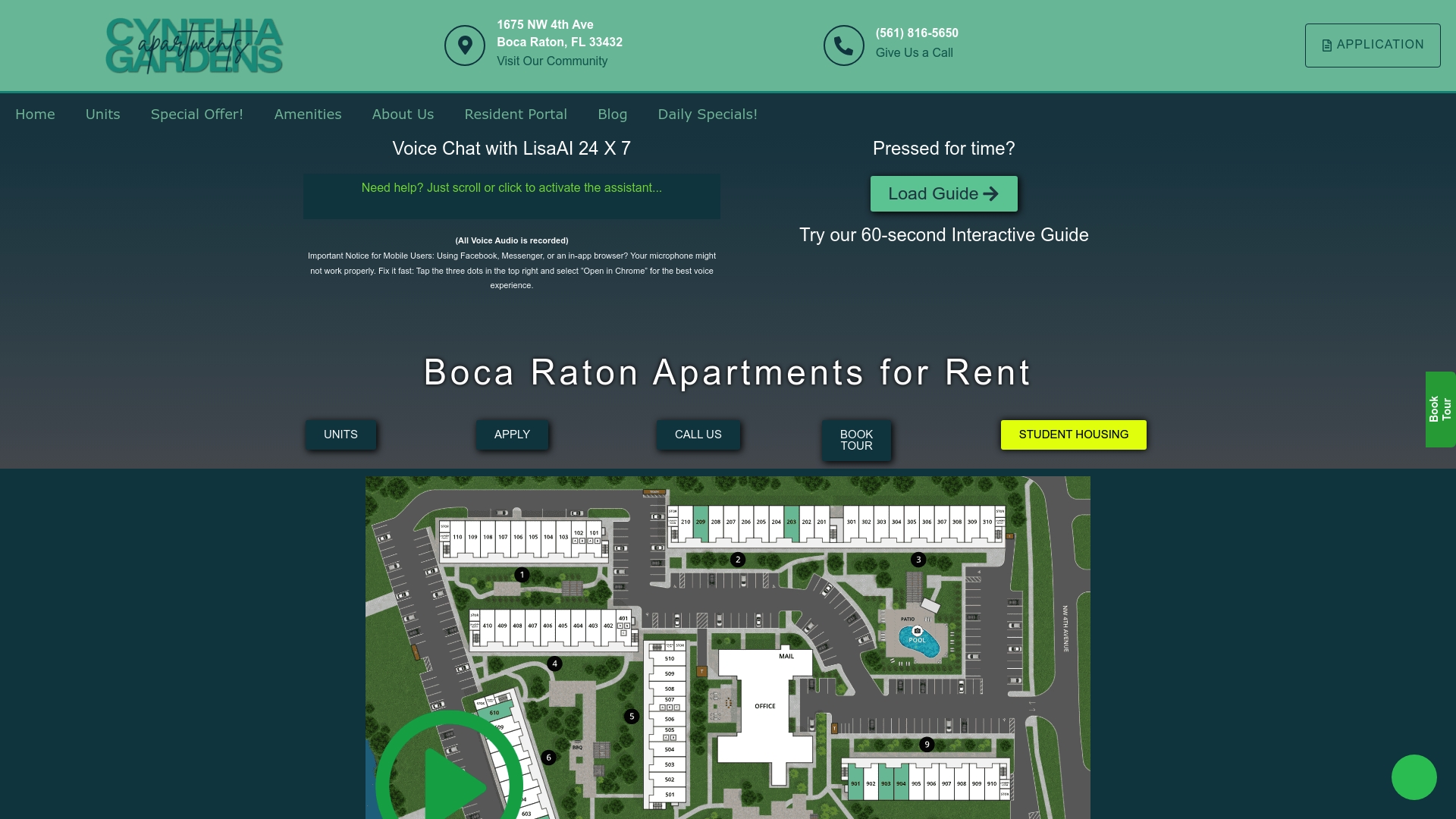
Every Cynthiagardens apartment comes with transparent pricing and no hidden fees, which means your move-in cost budgeting starts from a clear number, not a surprise. The one-bedroom floor plans are built for young professionals, students, and pet owners who want a well-maintained space without the guesswork. Browse the full range of apartment styles and features at Cynthiagardens to find the layout that fits your move-in plan.
FAQ
How far in advance should I start preparing for move-in?
Start planning eight weeks out to secure competitive moving quotes, declutter, and schedule utility transfers before peak season. Waiting until two weeks before limits your options and raises costs.
What goes in an open-first box for moving?
Your open-first kit should include toiletries, a change of clothes, phone chargers, medications, cleaning wipes, and a few snacks. Keep it separate from all other boxes and load it last so it is the first thing off the truck.
How do I protect my security deposit on move-in day?
Film a narrated video walkthrough of the entire unit within 48 hours of getting your keys and submit it to your landlord in writing. Video provides stronger evidence than photos alone if a deposit dispute arises later.
When should I set up utilities for a new apartment?
Schedule utility transfers and internet installation at least two weeks before your move-in date. Internet providers typically need one to two weeks of lead time to confirm activation.
What hidden costs should first-time renters budget for?
First-time renters frequently underestimate the cost of first-week groceries, cleaning supplies, and basic household items beyond rent and deposit. Build a separate budget line for these expenses before move-in day.
Recommended
- First Apartment Setup Guide for Stress-Free Move-In
- Moving to Your New Apartment: The Ultimate Checklist – Luxury Apartments for Rent in Boca Raton | Premium Boca Raton Apartments | Aapartments Boca Raton
- The Ultimate First Apartment Checklist: What Boca Raton Students Need Before Move-In – Luxury Apartments for Rent in Boca Raton | Premium Boca Raton Apartments | Aapartments Boca Raton
- Move-In Checklist Basics: Stress-Free Apartment Moves