
Table of Contents
- Understanding the Pet-Friendly Rental Landscape
- Where to Search for Pet-Friendly Housing
- Best Pet-Friendly Apartments in Your Area
- Building a Pet Resume for Apartment Applications
- Understanding FAU Off-Campus Housing Pet Policy
- Navigating Fees, Deposits, and Hidden Costs
- Common Mistakes to Avoid When Applying
Last Updated: August 22, 2026
Understanding the Pet-Friendly Rental Landscape
The rental market has shifted dramatically in favor of pet owners. Around 80% of rental apartments across the United States allow pets, according to RentCafe’s 2025 analysis of rental listings, making it far easier than it was just a few years ago to find a place that welcomes your furry companion. But easier doesn’t mean simple, especially for graduate students juggling tight budgets, demanding coursework, and the need for reliable housing near campus.
Here’s what makes this moment different: 58% of renters now have pets, up from 46% in 2019, according to Zillow’s analysis of over 11 million rental listings. That surge in pet ownership has forced landlords to adapt. Yet despite this shift, less than 10% of properties that claim to be "pet-friendly" actually allow pets without breed or size restrictions, according to the Pet-Inclusive Housing Initiative’s 2025 Pets & Housing Data report. Translation: the landscape looks pet-friendly on the surface, but the details matter enormously.
For graduate students specifically, the stakes are higher. You’re managing a demanding academic schedule, potentially working part-time, and you need housing stability for at least a year, often longer. A pet adds emotional support and structure to that chaos, but it also adds complexity to your housing search. The average pet rent runs $35.65 per month, the average pet deposit is just over $300, and the average pet fee is $315, according to RentCafe’s 2025 data. Those numbers add up quickly when you’re already stretched thin financially.
This guide walks you through exactly how to find pet-friendly housing for graduate students without getting trapped by hidden fees, breed restrictions, or landlords who claim to be pet-friendly but make it miserable to actually have a pet.
Where to Search for Pet-Friendly Housing
Most graduate students start their housing search in the wrong places. They scroll through generic apartment listings, filter for "pet-friendly," and then spend hours contacting properties only to discover breed restrictions, excessive fees, or nonresponsive management. The smarter approach is knowing which platforms actually deliver pet-friendly options and which ones are just collecting data.
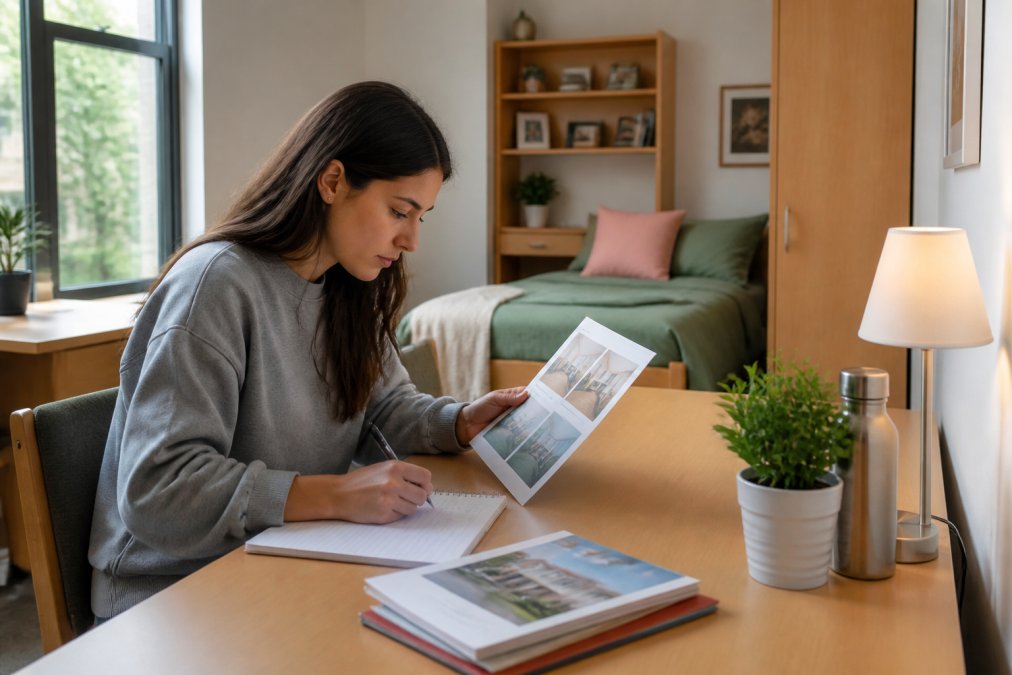
Zillow and Apartments.com both have pet filters, but they’re incomplete. Many landlords list properties as pet-friendly without specifying restrictions, so you’ll waste time on dead ends. Instead, start with platforms built specifically for this: PetScreening and Zillow’s dedicated pet-friendly search both give you detailed filtering options. PetScreening in particular lets you see the exact pet policy for each property, no guessing.
For properties near FAU and other university areas, check directly with campus housing offices first. Many universities partner with off-campus complexes and maintain updated lists of genuinely pet-friendly options. This cuts through the noise immediately. You’re also more likely to find flexibility on lease terms and move-in costs when you’re working through official university channels.
Local Facebook groups for graduate students and renters in your target area are invaluable. Ask directly: "What complexes actually honor their pet policies?" You’ll get honest feedback about which landlords are responsive and which ones nickel-and-dime you on pet fees. This peer intelligence is worth more than any marketing copy.
Finally, work with a local property management company or real estate agent who specializes in student housing. They know which properties have actual pet-friendly policies versus those just checking a box. Many agents will search on your behalf at no cost, saving you hours of legwork.
Best Pet-Friendly Apartments in Your Area
Finding genuinely pet-friendly apartments in Boca Raton requires looking beyond the marketing language. Pet-friendly properties in the area lease 25% faster than pet-restricted ones, according to Blueground’s 2025 analysis, which tells you these options are in genuine demand.
Cynthia Gardens stands out as a pet-friendly community that welcomes FAU and Palm Beach State College students. The community maintains a 4.8-star rating and is noted for its peaceful environment, modern living spaces, and proximity to FAU. As of August 2026, Cynthia Gardens allows cats with a maximum of 2 pets, with an application fee of $75 per applicant and an administrative fee of $300 due at move-in. The garden-style community offers modern one-bedroom apartments with stainless steel appliances and quartz countertops, plus a resort-style pool and lush landscaped grounds, ideal for students seeking quiet, maintenance-free living.
Other verified pet-friendly options near FAU include 2500 Boca on Federal, which offers 1-bedroom units starting at $1,950 and allows both dogs and cats, and Country Club Lakes Apartments, with 1-2 bedroom units starting at $1,932. Both communities are established and responsive to tenant needs. In Boca Raton overall, there are 797 two-bedroom and 476 three-bedroom pet-friendly apartments available for rent, giving you real options across different price points.
When evaluating any apartment, ask three specific questions: What are the breed and size restrictions? Are there weight limits? What happens if you add a second pet later? Many properties advertise "pet-friendly" but then exclude certain breeds entirely. Get the policy in writing before you apply.
Building a Pet Resume for Apartment Applications
This is the part most graduate students skip, and it costs them. A pet resume is a one-page document that presents your pet, and you as a responsible owner, in the best possible light. It’s not required by law, but it dramatically increases your approval odds when landlords are on the fence.

Your pet resume should include:
- A recent, clear photo of your pet (one where they look calm and well-groomed)
- Pet’s name, age, breed, and weight
- Veterinary records showing current vaccinations (rabies, DHPP for dogs; FVRCP for cats)
- Proof of spay/neuter status
- References from previous landlords or veterinarians who can vouch for your pet’s behavior
- A brief description of your pet’s temperament and any training they’ve completed
- Your contact information and move-in date
The key is framing your pet as an asset, not a liability. If your dog is trained, mention it. If your cat is indoor-only, note that. If you’ve had the pet for years without incident, say so. Landlords reviewing dozens of applications will prioritize the applicant who looks organized and responsible.
John Bradford, Founder and CEO at PetScreening, explains the broader impact: "When pet strategies are optimized to embrace pet-inclusivity and reflect the desires of the modern renter, the advantages become more pronounced in the form of a wider resident pool, stronger retention and increased revenue." This means landlords who engage seriously with pet policies see better outcomes. Your pet resume signals that you’re the kind of tenant who makes that happen.
Include this resume with your application packet, before the landlord asks for it. It shows initiative and transparency. Many graduate students overlook this entirely, which is why doing it gives you a competitive edge. temporary pet-friendly housing.
Understanding FAU Off-Campus Housing Pet Policy
Florida Atlantic University doesn’t directly manage most graduate student housing, but the university does maintain relationships with off-campus complexes and provides guidance on pet policies. Understanding how FAU’s policies interact with off-campus housing is critical for students living in university-affiliated properties.
FAU’s official off-campus housing guidelines recommend that students verify pet policies directly with each property, as policies vary widely. The university itself doesn’t impose breed or size restrictions on student pets in approved housing, but individual properties do. This disconnect is where students get confused.
When evaluating FAU off-campus housing pet policy, ask whether the property is on FAU’s approved housing list and whether that approval includes pet-friendly status. Some properties on the list are pet-friendly; others aren’t. Don’t assume approval means pet-friendly. Contact FAU’s off-campus housing office directly, they maintain an updated list and can tell you which properties genuinely accommodate pets without excessive restrictions.
Many FAU graduate students live in properties like Cynthia Gardens, which are near campus but independently operated. These properties often have more flexibility on pet policies than university-owned housing would, which can work in your favor. The trade-off is that you’re responsible for verifying policies yourself rather than relying on university oversight.
One practical tip: if you’re considering an FAU-affiliated property, ask the leasing office whether they’ve worked with other graduate students with pets. Their response will tell you whether they’re genuinely pet-friendly or just tolerating it.
Navigating Fees, Deposits, and Hidden Costs
Pet fees are where landlords hide their real costs, and where graduate students get blindsided. Understanding the difference between pet rent, pet deposits, and pet fees is essential, they’re not the same thing, and they stack on top of each other.
Pet rent is a monthly charge, typically $25-$50 per pet. Pet deposits are one-time upfront costs, averaging just over $300 nationally. Pet fees are additional one-time charges, averaging $315 nationally, according to RentCafe’s 2025 data. A property might charge all three: $35 monthly pet rent, a $300 deposit, and a $315 fee. That’s nearly $800 in the first month alone for a single pet.
Here’s what most guides miss: higher-cost rental units are less likely to charge pet fees, while lower-income communities often stack fees on top of monthly rent. A study in Texas found that higher-income communities with more expensive pet-friendly rentals were less likely to charge pet fees, whereas lower-income communities with less expensive units often had additional pet fees. This means a cheaper apartment might cost more in total pet-related expenses.
When evaluating a property, ask for a complete breakdown in writing:
- Monthly pet rent per pet
- One-time pet deposit (is it refundable?)
- One-time pet fee (non-refundable)
- Any additional charges for multiple pets
- Whether fees apply to future pets if you get another one
Get this in writing before you sign. Many landlords will quote you a monthly rent, forget to mention the $315 pet fee, and then surprise you at move-in. That’s not a mistake, it’s a tactic.
One more thing: confirm whether pet deposits are refundable. Some landlords claim they are, then deduct for "pet damage" that’s actually normal wear and tear. If possible, negotiate for a lower deposit and slightly higher monthly pet rent instead. Monthly rent is predictable; deposits can disappear.
Common Mistakes to Avoid When Applying
Graduate students make predictable mistakes when applying to pet-friendly housing, and most of them cost you the apartment. Knowing what not to do is as valuable as knowing what to do.
The biggest mistake is applying to properties without confirming their actual pet policy first. You’ll see "pet-friendly" in a listing and assume that means your dog is welcome. Then you call, discover a 25-pound weight limit, and realize your 35-pound dog doesn’t qualify. You’ve wasted an application fee and time. Always call and get the policy verbally before submitting anything.
The second mistake is underselling your pet’s qualifications. If your dog is trained, certified as an emotional support animal, or has lived peacefully in rentals before, lead with that. Don’t bury it in an application. Landlords are risk-averse. Anything that reduces perceived risk moves your application to the top of the pile.
A third mistake specific to graduate students: not mentioning your academic status. Landlords prefer graduate students to undergraduates because graduate students are more stable, less transient, and more likely to renew leases. Studies show that students with pets are less transient and more likely to renew, especially for multi-year programs. This is a selling point. Use it.
Many students also fail to follow up. If you submit an application and don’t hear back within 48 hours, call. Leasing offices are busy, and your application might have slipped into a queue. A polite follow-up can move you ahead of other applicants who are waiting passively.
Finally, avoid negotiating on pet policies after you’ve signed. Some students try to add a second pet or change their pet situation mid-lease. That almost always violates the lease and gives the landlord grounds to evict. If you think your situation might change, negotiate it before signing. Get everything in writing.
Finding pet-friendly housing for graduate students in Boca Raton is achievable, but it requires strategy and patience. The market has shifted in your favor, 80% of apartments allow pets now, but you still need to navigate fees, restrictions, and landlords who don’t actually mean what they advertise. Start with platforms built for this, build a pet resume, and get everything in writing before you commit.
Cynthia Gardens offers the kind of environment where graduate students thrive: modern one-bedroom apartments with high-end finishes, a peaceful garden-style setting, and genuine pet-friendly policies with transparent fees. Located minutes from FAU and the beach, the community provides the quiet, maintenance-free living that makes graduate school manageable. Schedule a tour today to see how Cynthia Gardens can be your home while you earn your degree.
=== FAQ ANSWERS (audit these too, same rules) ===
[1] Q: What documents do I need to rent a pet-friendly apartment as a graduate student?
A: Landlords typically request proof of income (pay stubs or offer letter), employment verification, references, and a credit check. For pets, bring vaccination records, veterinary references, and proof of any pet training or certification. Some properties now ask for a pet resume, a one-page document listing your pet’s name, breed, age, training history, and veterinary contact information. Having these documents ready speeds up the application process and shows you’re organized.
[2] Q: How much should I budget for pet deposits and monthly pet rent?
A: The average pet deposit across the United States is slightly over $300, while the average pet fee runs $315. Monthly pet rent averages $35.65 per month. However, costs vary significantly by location and property. Higher-income communities with expensive pet-friendly rentals often charge lower or no pet fees, while lower-income areas may stack additional fees on top of monthly rent. Always ask landlords for a full breakdown of all pet-related costs upfront.
[3] Q: Are there breed or size restrictions in pet-friendly apartments?
A: Yes, less than 10% of properties labeled ‘pet-friendly’ actually allow pets without breed or size restrictions. Many apartments maintain breed bans or weight limits despite marketing themselves as pet-friendly. Before applying, contact the property directly to confirm their specific rules. Ask about any restrictions on pit bulls, large dogs, or certain cat breeds. Some states and cities, like Colorado, have passed laws prohibiting insurance companies from making breed-based determinations, but breed restrictions in rental leases remain common.
[4] Q: How can I prove my pet is well-behaved to a landlord?
A: Build a pet resume that includes your pet’s training certifications, behavioral history, and veterinary references. Get a letter from your current or previous veterinarian attesting to your pet’s health and temperament. If your pet has completed obedience classes or holds a service animal certification, include proof. Photos of your pet in calm, household settings also help. Landlords trust documented evidence of good behavior more than verbal assurances, and this preparation strengthens your application significantly.
Frequently Asked Questions
Q: What documents do I need to rent a pet-friendly apartment as a graduate student?
A: Landlords typically request proof of income (pay stubs or offer letter), employment verification, references, and a credit check. For pets, bring vaccination records, veterinary references, and proof of any pet training or certification. Some properties now ask for a pet resume, a one-page document listing your pet's name, breed, age, training history, and veterinary contact information. Having these documents ready speeds up the application process and shows you're organized.
Q: How much should I budget for pet deposits and monthly pet rent?
A: The average pet deposit across the United States is slightly over $300, while the average pet fee runs $315. Monthly pet rent averages $35.65 per month. However, costs vary significantly by location and property. Higher-income communities with expensive pet-friendly rentals often charge lower or no pet fees, while lower-income areas may stack additional fees on top of monthly rent. Always ask landlords for a full breakdown of all pet-related costs upfront.
Q: Are there breed or size restrictions in pet-friendly apartments?
A: Yes, less than 10% of properties labeled 'pet-friendly' actually allow pets without breed or size restrictions. Many apartments maintain breed bans or weight limits despite marketing themselves as pet-friendly. Before applying, contact the property directly to confirm their specific rules. Ask about any restrictions on pit bulls, large dogs, or certain cat breeds. Some states and cities, like Colorado, have passed laws prohibiting insurance companies from making breed-based determinations, but breed restrictions in rental leases remain common.
Q: How can I prove my pet is well-behaved to a landlord?
A: Build a pet resume that includes your pet's training certifications, behavioral history, and veterinary references. Get a letter from your current or previous veterinarian attesting to your pet's health and temperament. If your pet has completed obedience classes or holds a service animal certification, include proof. Photos of your pet in calm, household settings also help. Landlords trust documented evidence of good behavior more than verbal assurances, and this preparation strengthens your application significantly.