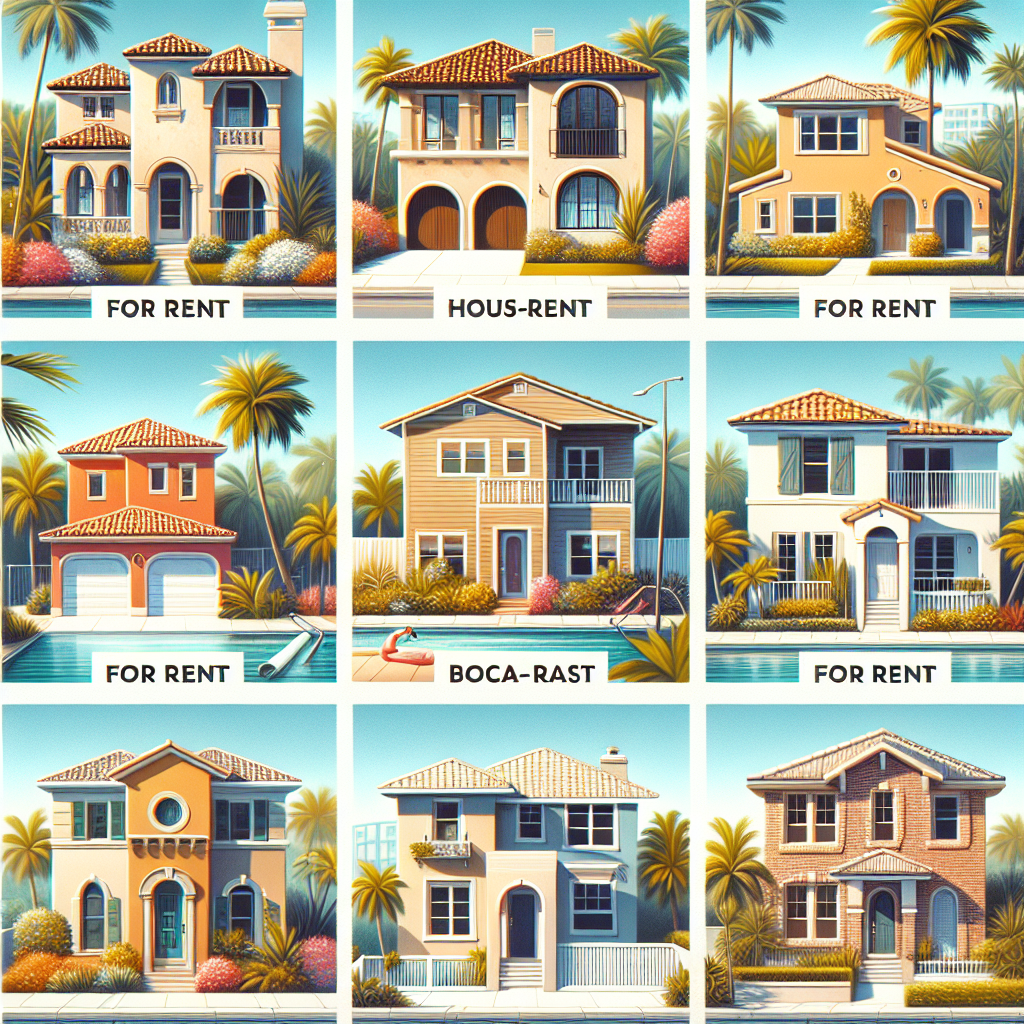
Houses for Rent in Boca Raton: Single-Family Living Options
Searching for houses for rent boca raton and trying to decide if a single-family home makes sense for your budget and commute? This guide lays out current neighborhood price ranges, Florida-specific issues like hurricanes and flood zones, and the real tradeoffs in space, maintenance, and monthly cost. You will also get a practical comparison to apartment options like Cynthia Gardens and a step-by-step checklist to find and secure the right rental.
1. Boca Raton rental market snapshot and price ranges
Market reality: single-family rental prices in Boca Raton vary widely by neighborhood, house age, and lot size — expect meaningful premiums for beachside and gated-community properties and better value in West Boca and Boca Del Mar. These differences determine whether a house is affordable for you or only viable with roommates.
Data point (Feb 2026): current market snapshots from Zillow and RentCafe show that single-family houses to rent in Boca Raton split into three practical bands depending on bedroom count and location — use these as starting filters, not hard ceilings.
| Bedrooms | Typical monthly range | What that usually buys you |
|---|---|---|
| 1 bedroom | $1,800 – $2,800 | Small detached cottages or converted homes; limited yard space; often older stock near East Boca |
| 2 bedrooms | $2,400 – $4,500 | Most common choice for students/young pros — modest yards, single-car garages, suburban blocks in West Boca |
| 3+ bedrooms | $3,200 – $6,500+ | Family-sized homes, often in gated neighborhoods or closer to waterfront; includes pool properties |
Neighborhood drivers and tradeoffs
- East Boca / Beachside: premium for walkability and proximity to the ocean; houses tend to be smaller lots but command higher rent.
- Downtown Boca / Mizner Park corridor: pay for location and nightlife access; expect smaller single-family options or townhome conversions.
- West Boca / Boca Del Mar: best value per square foot, larger yards, slower turnover — tradeoff is longer drive times to FAU and I-95.
- Gated communities (Broken Sound, Royal Palm): predictable upkeep and security but significant price premium and stricter HOA rules.
Seasonality and market direction: listings spike around spring and early summer (college turnover), which increases competition; if you search in late summer or fall you often get slightly better negotiating leverage but fewer good options. Landlords with vacant houses in the off-cycle are more likely to accept flexible move-in dates or a modest rent concession.
Concrete Example: a young professional relocating to FAU found a 2-bedroom single-family home in Boca Del Mar listed at $2,700/month in February — it offered a fenced yard and street parking, but the tenant took on yard care and higher utility bills compared with a one-bedroom apartment alternative. That tradeoff lowered their monthly per-person rent when split with a roommate, but increased move-in costs for lawn equipment and a second utility account.
Judgment you won't read in listings: the sticker rent is only half the cost story. In practice, houses that look affordable often add $150–400/month in utilities, trash, and basic yard/pool service; factor those before deciding a house is cheaper than an apartment with utilities included.
Next consideration: if your priority is cost predictability and minimal maintenance, an apartment with utilities included will often beat a similarly priced house on total monthly cost.
2. Neighborhoods to target for single-family rentals and who they suit
Straightforward rule: pick a neighborhood for the lifestyle you need, not the one that looks cheapest on a map. In Boca Raton the same monthly rent can buy vastly different tradeoffs: a compact, walkable cottage near downtown or a larger yard in West Boca. Know which compromise you will accept before you tour properties.
Downtown Boca / Mizner Park
Who this suits: renters who prioritize walkability, restaurants, and nightlife. Expect smaller single-family footprints or townhome conversions and limited private outdoor space. Practical tradeoff: you pay for location and convenience; parking, noise, and stricter overnight guest/parking rules matter more here.
East Boca / Spanish River (beachside)
Who this suits: people who treat the beach as daily life and value proximity to coastal amenities. Properties are older on average, which can mean charming details but also plumbing and roof work you should confirm before signing. Consideration: beachfront and near-beach streets sometimes fall into higher flood-risk areas and may carry extra insurance and permitting requirements.
West Boca / Boca Del Mar
Who this suits: roommates, young families, and anyone needing larger yards or garages without downtown prices. These sections trade off longer drives for more interior and outdoor space. Real-world limit: transit options are sparser, so factor in daily commute time and whether you need a second car.
Gated communities and upscale enclaves (Broken Sound, Royal Palm)
Who this suits: professionals requiring security, on-site services, and a high level of finish. You get predictable common-area upkeep but face stricter HOA rules, mandatory background checks, and often less landlord flexibility on lease length and modifications. Tradeoff to accept: premium rent in exchange for convenience and fewer small maintenance headaches.
Practical proximity note: if Florida Atlantic University or Boca Raton Regional Hospital figures into daily life, test a commute at peak times. Use the FAU campus map and run a trial drive to check whether a West Boca route adds unacceptable daily minutes compared with a downtown or east-side option.
Concrete Example: A graduate student needed quiet study space and found a small three-bedroom house in a West Boca subdivision. Renting there lowered bedroom-per-person cost and provided a backyard for a dog, but the tenant had to arrange weekly lawn service, a separate trash account, and accepted a 25-minute drive to campus—a practical tradeoff that worked because the tenant valued space and could manage the commute.
Local judgment: Houses near the coast look desirable but often carry the highest variable costs and regulatory burdens; West Boca is where most renters find usable square footage for the money. Pick based on the single biggest constraint you cannot trade off—commute, pets, or private outdoor space.
3. Florida-specific rental considerations for single-family houses
Immediate point: renting a single-family house in Boca Raton transfers weather, site, and contractual risk onto you in ways an apartment rarely does. Expect to negotiate who handles storm prep, post-storm cleanup, and the insurance gaps that commonly show up after a hurricane or heavy coastal flooding.
Hurricane and storm responsibilities
Practical concern: leases often leave the definition of storm responsibilities vague. Get explicit language that says who installs or pays for shutters, who secures loose exterior furniture, and how emergency repairs will be handled within 24 to 72 hours. Without that, you will be the one buying plywood or contracting a tarp when a storm arrives.
- Verify flood exposure: check the property on the FEMA Flood Map Service Center and ask the landlord for any past flood claims or mitigation work.
- Confirm insurance coverages: ask whether the landlord carries wind and flood insurance and what the windstorm deductible is; plan to buy renters insurance for personal property and liability.
- Lease storm clauses: require written commitments on repair timelines, rent abatement or relocation if the unit becomes uninhabitable, and responsibility for mold remediation after water intrusion.
Tradeoff to accept: houses give private yards and storage but create unpredictable extra costs after storms — generator purchases, temporary housing, and mold remediation are real expenses. Apartments like Cynthia Gardens reduce those variables through on-site maintenance and centralized building insurance, which matters if you cannot absorb sudden repair bills.
Concrete example: a renter in East Boca experienced roof leaks and interior water damage after a tropical storm. The landlord arranged repairs but took three weeks to start; the tenant's renters insurance covered most damaged belongings, and the tenant negotiated a partial rent credit only after documenting all communications and expenses in writing.
Deeper judgment: many renters assume flood risk equals landlord responsibility. In practice landlords often avoid flood coverage on rental houses because premiums are high. That leaves tenants exposed to replacement costs and temporary housing bills unless they proactively secure renters insurance and confirm the property elevation and past claims.
If you need predictable monthly costs and minimal storm headaches, lean toward managed apartment options with included maintenance; if you choose a house, make the lease force clarity on storms, flood history, and insurance.
4. Comparing single-family rentals with apartment living and Cynthia Gardens as an alternative
Quick verdict: a single-family house in Boca Raton buys you private outdoor space, storage, and separation of life/work — but it shifts unpredictable costs and operational burdens onto the renter, while an apartment like Cynthia Gardens trades space for predictability and convenience.
Cost, convenience, and risk — what actually shifts
Cost nuance: houses often appear competitive on base rent when you compare raw numbers, but utility volatility, lawn/pool service, and occasional contractor calls add recurring and emergency costs that apartments with included utilities and on-site maintenance avoid. If you are budgeting to the dollar and hate surprise bills, that predictability matters more than advertised rent.
Convenience tradeoff: apartments consolidate services — maintenance requests, trash, pest control, and storm response are managed by a team. Cynthia Gardens provides those benefits plus amenity access and fewer accounts to set up, which shortens move-in friction for students and early-career pros who value time over yard space.
Risk and responsibilities: renting a house often means you will sign up for yard care, small repairs, and hurricane prep in practice even if the lease language is vague. That creates both financial risk and a time cost most renters under-estimate when touring a property without asking for written service commitments.
Concrete example: a pair of roommates touring Boca Raton house rentals booked a 3-bedroom that looked affordable until they learned pool servicing alone would be an extra monthly line item. They instead chose a larger two-bedroom at Cynthia Gardens where utilities and a community pool were included — lower hands-on management and a single lease meant less admin and a predictable split of monthly expenses.
When a house makes sense: you need a true home office with separate entrances, regular vehicle storage, a yard for a dog that needs running space, or multiple roommates willing to split variable costs. When an apartment makes sense: you want minimal setup, faster approval, included utilities, and fewer maintenance headaches — typical priorities for students and recent hires.
Practical negotiating point: if you prefer a house but worry about cost surprises, insist on lease language that caps landlord vs tenant responsibilities for yard, pool, and storm repairs, and request an appliance/mold clause with response times. Landlords who resist specificity are signaling future friction.
If you value time and certainty over extra square footage, an apartment will usually be the smarter, lower-stress choice in Boca Raton. If you prize space and can manage or negotiate clear service obligations, a house will reward you with flexibility and privacy.
5. How to find, evaluate, and secure a house for rent in Boca Raton
Start with a plan, not a search query. Set two concrete priorities before you look: one must-have (for example, pet-friendly or under 30 minutes to FAU) and one negotiable (for example, fenced yard or pool). That decision will keep you from chasing listings that look cheap but fail the single non-negotiable requirement you care about.
Practical search and evaluation workflow
- Set alerts and batch your tours. Use Zillow, Realtor.com, and RentCafe, plus local brokerage portals from Douglas Elliman, The Keyes Company, and Illustrated Properties. Turn on email and push alerts for your exact filters – new listings move fast.
- Verify regulatory and site risk early. Check the property on the FEMA Flood Map Service Center and ask for the HOA rules and any recent claims or permits before you invest time touring.
- Confirm operational responsibilities in writing. Before a showing ask if the lease includes yard, pool, and pest service. If answers are vague, get that language included in any offer or lease rider.
- Be inspection-focused during tours. Photograph rooflines, grading around the foundation, evidence of past water intrusion, and pool equipment. Ask when AC condensers and roof were replaced and get those dates in writing.
- Move with documents, not promises. Have a complete application packet ready to send immediately after a good showing.
Application readiness checklist: government ID, two recent pay stubs or bank statements, a basic credit report or landlord consent for a credit pull, contact info for last two landlords, and proof of renters insurance or a plan to secure it. If you need a guarantor, have their affidavit form and proof of income ready.
- Timing and negotiation tip: search cycles tighten in spring and early summer with university turnover. If you need leverage, look in late summer or fall when listings are fewer but landlords are likelier to bend on move-in dates or minor rent concessions.
- Tradeoff to accept: moving fast increases risk of missing hidden costs; moving slow risks losing good houses. Counter this by touring only properties that pass your flood and HOA filter and submitting a complete application the same day as the tour.
Concrete example: A young professional set alerts for pet-friendly houses within a 20 minute drive to FAU, prepared their application packet in advance, and emailed it within two hours of a successful tour. The landlord accepted the application and held the house for a two week window while the renter arranged movers and signed a lease rider that capped the tenant yard responsibility.
Sample outreach script for property managers: Hi, my name is Jane Doe. I am interested in the property at 123 Palm Street. I can provide an application, proof of income, references, and a credit report today. Is the property in a FEMA flood zone, and who handles pool and yard maintenance under the lease? I can tour this evening or do a virtual tour. Please advise on application fees and required move-in funds.
Key on-the-ground judgment: insist on a move-in condition checklist and explicit response times for emergency repairs in the lease. Landlords who refuse specific timelines are likely to cause friction when a storm or a plumbing emergency happens.
6. Move-in cost breakdown and checklist for Boca Raton renters
Immediate reality: expect your cash required on move-in to be several times the monthly rent once deposits, fees, and initial setup are included. That front-loaded burden is the main difference between renting a managed apartment with included utilities and leasing a single-family house in Boca Raton.
Upfront cost breakdown
- First month rent: paid at signing or on possession day. Landlords often will not move a property off market without it.
- Security deposit / last month: commonly equal to one month rent but can be larger for pets or low-credit applicants; confirm whether the landlord asks for last month instead of a deposit.
- Pet fees: a nonrefundable pet fee plus monthly pet rent is common for houses that accept dogs; expect both a one-time and monthly line item.
- Application and screening fees: per applicant screening and background checks, typically nonrefundable.
- Utility activation deposits: FPL and water companies may require a deposit depending on credit history; plan for multiple account deposits if you are setting up electric, water, cable, and internet.
- Initial services and supplies: first lawn service, pool startup or cleaning, gate remote deposit, and movers or truck rental—these add up before you even unpack.
- Renters insurance: many landlords require proof of coverage at signing; cost is low annually but often required immediately.
Practical note: landlords sometimes roll nonessential items into the monthly rent negotiation, but they rarely cover utility deposits or moving costs. If cash flow at move-in is tight, negotiate a split on one-time items like the first yard service or gate remote deposit and get it in writing.
Ongoing monthly cost categories to budget
Budget for recurring lines beyond rent that are larger for houses than for apartments: electricity for full-house A C, irrigation and pool service, trash bulk pickup or separate yard-service accounts, higher water bills, and an active emergency repair fund. These items create variable monthly totals that apartments with included utilities avoid.
- Set up utilities and document meter readings: take photos of all meters and serial numbers on move-in day to avoid being billed for prior usage.
- Create a move-in condition checklist: walk every room, photograph damage, and attach the checklist to the lease so deposit disputes are constrained.
- Register for local services: sign up for city trash and recycling schedules via the City of Boca Raton website and order any required parking permits or gate remotes.
- Schedule routine services: arrange the first lawn and pool service within the first two weeks if those are tenant responsibilities.
- Buy renters insurance and hurricane supplies: secure a renters policy and purchase basic storm supplies before hurricane season if you will be living in the house full time.
- Set up autopay and an emergency fund: automate rent to avoid late fees and keep one month rent plus moving contingencies in an accessible account.
Concrete example: a graduate student accepted a 2 bedroom house and budgeted for first month plus a one month security deposit, a refundable gate deposit, a pet fee, and utility activation. The student photographed meters, had the landlord sign the condition checklist, and scheduled lawn care that the landlord agreed to split for the first two months. That upfront coordination prevented a deposit dispute and avoided surprise service bills the first quarter.
Judgment that matters: speed matters in Boca Raton listings, but haste without paperwork is the main cause of move-in cost disputes. If a landlord will not commit in writing to who pays which startup services, treat that as a negotiation red flag. You can win small concessions if you bring a clear, itemized move-in cost list to the table.
Next step: request a written move-in cost summary from the landlord before signing and attach your move-in condition checklist to the lease.
7. Local contacts and resources
Practical point: speed and clarity from local contacts matter more than a long list of portals when you search for houses for rent boca raton. Use a short trusted network so you can verify flood exposure, HOA rules, and maintenance response times before signing.
Who to contact first and why
- Local MLS brokers and rental departments: Start with established brokerages that handle single-family leases for quicker access to new listings; use filtered searches on Realtor.com and Zillow and then call the listing agent to confirm lease terms and flood risk.
- Property management companies: If you want predictable maintenance and online tenant portals, prioritize managed properties. Ask about leasing fees, emergency response windows, and whether they keep a vendor list for AC, pool, and storm repairs.
- City and permitting offices: Check code compliance, trash schedules, and local permit history on the City of Boca Raton site before touring to avoid surprises with work that required permits or outstanding violations.
- Florida Atlantic University off campus resources: Students should check FAU off campus housing resources at FAU Housing to find vetted landlord referrals and roommate matching options near campus.
- Inspector and licensed contractors: Book a professional property inspection before finalizing a lease. Expect a basic single-family inspection to range roughly in the $300 to $600 band in South Florida; inspectors often catch roof or grading issues that listings miss.
- Real estate attorney and insurance agent: Use an attorney to draft or review lease riders for storm responsibilities, and use a local insurance agent to confirm renters insurance covers wind and contents and to advise on flood options.
Tradeoff to consider: working with a large brokerage speeds access to inventory but can mean less flexible lease negotiations. Smaller local managers or private landlords may accept customized lease riders on yard and pool obligations, but they often require more scrutiny on maintenance responsiveness.
Concrete example: A recent renter used a Keyes rentals contact sourced from a Realtor.com alert, confirmed the property was not in a FEMA high risk zone via the City site, and then hired an inspector before signing. The inspector found an aging AC condenser; the tenant negotiated a lease rider requiring the landlord to replace the unit within 60 days which avoided a $3,000 emergency repair after move in.
Takeaway: start with two active contacts only one brokerage and one property manager, verify regulatory and flood information before any tour, and prebook an inspector. Next consideration is to get written lease language on storm and maintenance response times before you hand over any deposit.
Frequently Asked Questions
Straight answer up front: most FAQ fall into three practical areas: who pays for what, how predictable monthly costs will be, and whether a house matches your commute and lifestyle. Below are crisp answers you can act on today when looking at houses for rent boca raton.
Quick Q and A
Are houses cheaper than apartments in total cost? Not usually. A house may have a lower base rent in the right West Boca pocket, but utility spikes, pool and yard service, and one-off repairs make monthly totals less predictable than a managed apartment. If you need fixed monthly costs, an apartment with utilities included is the safer choice.
Who handles yard, pool, and small repairs? It depends on the lease. In practice landlords often expect tenants to do routine yard work and basic pool maintenance unless the lease states otherwise. Practical rule: ask for the exact vendor cadence and a dollar cap in the lease rider – landlords who resist specificity are likely to push costs back to you later.
How do I confirm flood exposure and storm history quickly? Run the address through the FEMA map at FEMA Flood Map Service Center and ask the listing agent for any past claims or mitigation permits. If the agent cannot produce permit or claim records, treat that as a red flag and insist on an inspection focused on grading and roof condition.
Can I find short-term or furnished house leases? Short-term furnished houses exist but are far less common and cost more per month than seasonal apartments. For flexible timelines and lower move-in friction, compare seasonal or short-term units on apartment platforms or consider furnished apartments as an interim solution while you hunt for long-term rental houses.
Is renters insurance required and what should it cover? Many landlords require it at signing. Buy a policy that covers replacement cost for personal property and at least $100,000 liability; if the property is in a flood zone, renters insurance will not cover flood damage, so consider contents flood insurance if you are in a high-risk area.
How does Cynthia Gardens compare as an alternative? Cynthia Gardens offers one-bedroom apartments with included utilities and on-site maintenance, which reduces administrative overhead and unexpected repair bills. For students and early-career professionals who prioritize predictable monthly costs and quick move-ins, that predictability frequently outweighs the extra square footage of a house.
Concrete example: A software engineer touring houses found a three-bedroom that fit their remote-work needs but discovered the pool vendor would charge $120/month and the irrigation system required seasonal startup fees. They negotiated a lease rider where the landlord covered pool service for the first six months in exchange for a modest rent increase. That cleared the decision: private yard and office space were now affordable without surprise bills.
Key tradeoff: choosing a house buys space and privacy but also buys variability in monthly cost and operational headaches. If you cannot tolerate surprise bills or rapid-response maintenance gaps, choose a managed apartment or demand written service caps in the lease.
Next concrete steps: 1) set alerts for houses for rent boca raton on two platforms and shortlist three properties; 2) run FEMA and City checks before any tour; 3) prepare a ready-to-send application packet and a one-page lease rider to use when you find a property worth holding. Do those three things and you move from browsing to closing with less risk.