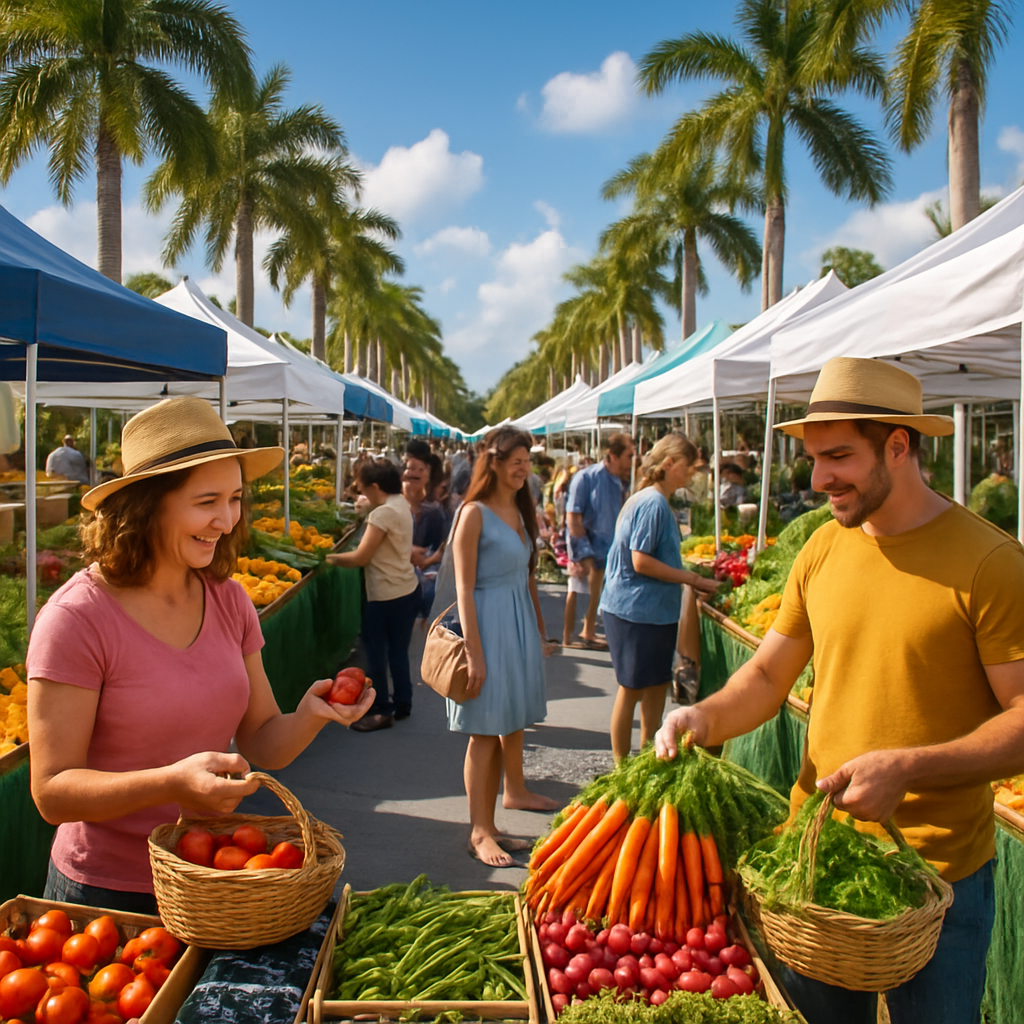
Farmers Market in Boca Raton: Where to Shop Local & Make the Most of Weekend Life
Weekend life in Boca Raton runs on fresh food, local vendors, and quick outings that make the most of beach and downtown time. The farmers market boca scene is where it all happens, and this short guide maps the best nearby markets, what produce is in season, practical timing and parking tips, budget-friendly buys, and three apartment-friendly recipes. Living or apartment hunting at Cynthia Gardens makes fitting market weekends into class, work, and beach plans straightforward.
Mizner Park GreenMarket Boca Raton
Direct point: Mizner Park GreenMarket is the go to weekend destination for fresh produce, prepared foods, and small-batch artisans in downtown Boca — a reliable anchor in the local farmers market boca scene with year round weekend hours. See the market schedule on the Mizner Park GreenMarket page.
Market vibe: Expect a compact, pedestrian-friendly layout with a clear split between produce stalls, grab and go foods, and craft vendors. Live music most weekends makes it easy to treat a market visit as a quick social outing rather than a grocery chore.
Practical arrival and logistics
- Best time: Arrive at opening for peak produce variety; mid morning is better if you want hot prepared items and coffee.
- Parking tradeoff: Street parking fills fast; municipal garages are the reliable option if you do not want to hunt for curb spaces.
- What to bring: Reusable bags, a cooler pack if you plan to buy dairy or organic meats, and small bills for quicker vendor transactions.
Practical insight and tradeoff: Prices on organic or specialty items at Mizner Park can be higher than a supermarket. If you are on a student or early career budget, prioritize seasonal staples like citrus or greens and skip premium prepared foods unless you plan to split them with a roommate.
Concrete example: A Cynthia Gardens resident can bike to Mizner Park, pick up a bag of mixed greens, two mangoes, and a loaf of artisan bread, then walk the three blocks to a downtown cafe for coffee before heading back. That quick loop makes the market a weekly ritual rather than a major errand, and it fits easily into a half day of classes or shifts.
Vendor interaction note: Ask vendors where produce was grown and how it was handled post harvest. Many local growers practice sustainable methods; calling this out matters because farm to table claims vary and asking reveals who actually does the hard work locally.
Next consideration: Before you plan a full grocery run, check the market page for seasonal vendor lists and special events, and link this into a broader weekend plan that includes lunch downtown or a short beach walk from Cynthia Gardens. See Cynthia Gardens amenities for quick storage and kitchen tips that make market buys practical in a smaller apartment.
Nearby market options: Old School Square GreenMarket and Delray Beach Market
Quick assessment: Old School Square GreenMarket and Delray Beach Market give you two different answers to the same weekend question in the farmers market boca scene — one is a classic outdoor growers market, the other is an indoor food-hall style destination. Both are close enough to make a market-first Saturday realistic from Cynthia Gardens, but they serve different needs.
How they differ and when to choose each
- Old School Square GreenMarket: Strong on seasonal produce, local farmers, jars of local honey, and artisan baked goods; best when you want to buy in bulk or talk directly to growers. See the schedule at Old School Square GreenMarket.
- Delray Beach Market: An indoor, weather-proof option focused on prepared foods, small-batch specialty vendors, and gourmet items rather than full produce stalls; good for lunch plans or when you want variety under one roof. Visit Delray Beach Market.
- Practical tradeoff: Old School Square lets you stretch a food budget with seasonal pounds of produce, but expect sun and crowds; Delray saves time and offers immediate meals, yet costs per plate tend to be higher.
Logistics to weigh: Driving from central Boca is usually a 10 to 20 minute trip to either spot, but parking patterns differ. Downtown Delray can be tight midday; plan to use a municipal lot or rideshare if you want to avoid circling. Old School Square is more pedestrian-friendly once you arrive, which matters if you are carrying bags back to a bike or scooter.
Concrete example: A Cynthia Gardens resident might stop at Old School Square early to grab a bouquet, a pint of berries, and a jar of local honey for weekend breakfasts, then swing by Delray Beach Market at lunchtime for a prepared plate to split with a friend. That combo saves on groceries while making the weekend social and efficient.
Judgment that matters: If your priority is honest, farm-direct produce and lower per-pound cost, Old School Square is the better call. If you value variety, indoor seating, and immediate dining options, Delray Beach Market will feel more useful most weekends. Expect to use both, but for different reasons.
Tip: Check vendor lists before you go – outdoor markets rotate growers by season while food halls change vendors more frequently.
Regional option: Rosemary Square GreenMarket in West Palm Beach
Straight to the point: Rosemary Square GreenMarket is the regional pick when you want specialty vendors, rotating popups, or a market that can anchor a full day out — not a quick weekly grocery stop from Boca. Check the current schedule and vendor list on the Rosemary Square site: Rosemary Square GreenMarket.
When the trip pays off
Key use case: Drive north for heirloom produce, artisan cheeses, small-batch charcuterie, or themed market events (seafood weekends, craft popups, seasonal festivals) that you rarely find at local Boca markets. These vendors justify the extra travel because they bring unique inventory and tasting opportunities.
- Specialty goods: artisan cheeses, gourmet preserves, and specialty honey that transform a weeknight dinner into a farm-to-table meal.
- Events and popups: food demos and guest vendors that turn a morning market into a multi-hour outing.
- Tradeoff to accept: longer drive, occasional event crowds, and higher per-item prices compared with neighborhood markets.
Logistics to plan for: Expect roughly a 30 to 45 minute drive from central Boca depending on traffic. Arrive early to grab limited items and avoid the busiest hours; if an event is listed, parking near Rosemary Square fills fast so allow extra time or use rideshare. Public transit can be slower and requires transfers; for a true day trip, driving is usually more reliable.
Concrete example: A Cynthia Gardens resident can leave at 8:00 a.m., arrive before the crowd, buy a wedge of artisan cheese, a jar of local honey, and a bouquet of seasonal flowers, then spend the afternoon exploring nearby brunch spots and waterfront paths. The whole run becomes a social weekend ritual rather than a grocery errand — plan for a 3 to 4 hour outing.
Practical insight and judgment: If you need staples — greens, citrus, eggs — make those regular trips to Mizner Park or Old School Square. Use Rosemary Square as a targeted, occasional source for specialty items or event-driven experiences. Treat it like a curated supplier rather than your default produce market.
Next consideration: If you plan a Rosemary Square day, pack a small cooler for perishables, check vendor lineups in advance, and use the visit for items you cannot reliably find at local Boca markets. For storage and quick fridge tips after a market haul, see Cynthia Gardens amenities.
Seasonal shopping guide for South Florida produce
Straight fact: South Florida seasons define what is worth buying at a farmers market boca and what to skip. Buying seasonally saves money and reduces waste, but it also forces you to plan meals around what ripens when — which is good if you adapt, inconvenient if you expect year-round availability of the same items.
What to prioritize by season
Winter (Dec to Mar): Citrus, strawberries, and hardy greens dominate. These items store well for a week or more, so winter market runs are ideal for stocking up a student fridge without frequent trips. For reference on typical Florida harvest windows see the Florida Department of Agriculture.
Spring (Mar to May): Tomatoes, peppers, and younger lettuces peak. These are high-value buys for flavor; tomatoes in particular will outperform grocery-store varieties. Buy smaller quantities if your apartment fridge is compact because tomatoes are best eaten within a few days of peak ripeness.
Summer (May to Aug): Mangoes, stone fruits, and squash hit their stride. Mango season is short and intense; treat it like an event — buy a few to eat fresh and process the rest into salsa or freeze for smoothies. Expect higher per-item prices for specialty late-summer heirloom items at regional markets.
Fall (Sep to Nov): Transitional crops: eggplants, sweet potatoes, and some late-season greens. Fall is when you can pick up bargains as growers move between summer and winter cycles. If you want to stretch a dollar, look for multi-pound deals on squash and sweet potatoes.
Practical buying strategy: Prioritize perishables you will use within 3 to 5 days and convert the rest into preserved formats. Small apartments need small plans: buy berries and salad greens for immediate breakfasts, but blanch and freeze surplus beans or chop and freeze mango for smoothies. Splitting a bulk case with a roommate is usually smarter than attempting to store oversized purchases alone.
Limitation and tradeoff: Markets sell peak-flavor produce that sometimes costs more per pound than supermarket imports off-season. If your priority is consistent weekly cost rather than peak flavor, buy staples like onions, potatoes, and bananas at the store and reserve market visits for seasonal highlights.
Concrete example: A Cynthia Gardens resident visiting Mizner Park in June can buy three ripe mangoes, use one for that afternoon snack, chop and freeze one in labeled quart bags for smoothies, and make a quick mango salsa with the third to serve with a simple pan-seared fish. That approach captures the mango peak without overloading a small fridge and turns a single market trip into three meals.
Buy what is at peak in season and either plan immediate meals around it or preserve it the same day to avoid waste.
How to shop like a local at farmers market boca
Key point: Treat the farmers market boca as a precision supplier, not a supermarket substitute. Locals shop markets to capture peak-flavor items, specialty goods, and time-saving prepared foods — so plan each trip around a small set of needs (breakfast fruit, a dinner protein, and one social treat) rather than trying to fill a weeklong cart.
Practical tradeoff: Markets often cost more per pound on premium or organic items, but you get flavor, transparency, and less processed food. For someone with limited fridge space this means prioritizing highly perishable, high-value items you will eat within three days and buying pantry staples at a supermarket when consistency and price matter more.
Shop moves that make a market visit efficient
Smart prep: Bring reusable bags, small cooler packs for dairy or organic meats, and exact change to speed transactions. Ask one specific question at each stall – for example, where was this harvested and when – and use the answer to decide whether to buy now or hold off. If a vendor mentions harvest the previous day, that produce is likely worth prioritizing.
Vendor interaction matters more than labels. Many sellers use terms like farm-to-table and organic loosely. Locals learn two quick filters that work in practice: ask about harvest date and post-harvest handling, and request a small sample when offered. Building a friendly rapport with the same grower will get you first pick and occasional bulk deals when they have surplus.
Timing and frequency strategy: Instead of arriving with a fixed time rule, make the market a cadence — a short weekly run for perishables and an occasional longer trip for specialty finds. Rotate which market you visit by week: use Mizner Park for quick downtown pickups and Old School Square or Rosemary Square for bulk or specialty shopping. Check the vendor lineup on the market pages before you go, for example the Mizner Park GreenMarket schedule.
Concrete example: A Cynthia Gardens resident cycles to Mizner Park with a small cooler, examines three stalls for the best tomatoes, buys a pint of berries and a loaf of bakery bread, then splits the tomato and bread with a roommate to make bruschetta that evening. They freeze half the berries in labeled bags for smoothies, avoiding waste and stretching one market run into two meals and a snack.
Judgment worth logging: New market shoppers often overvalue certification and undervalue timing. In Boca Raton farmers market settings, freshness and vendor honesty usually beat marketing claims. If your priority is taste and supporting local growers, buy seasonally and accept occasional premium prices; if budget and consistency matter more, mix market highlights with supermarket staples.
Pack a cooler and a plan: buy perishable highlights at the market, preserve or share bulk buys, and use supermarket runs for staples you need every week.
Pet friendly market tips and weekend routines for Cynthia Gardens residents
Direct note: If you bring a dog to a farmers market boca, you have to plan the visit differently — shorter loops, more shade, and stricter heat checks. Markets are social and crowded, and that changes what you can reasonably carry home and how long your pet should be exposed to sun and noise.
Practical tradeoff: Bringing your dog makes the market a social outing but increases logistics: you will buy fewer bulky items, move faster through stalls, and likely avoid busy prepared-food lanes where crowds and smells can stress animals. For bulk grocery runs, send a roommate or make a second, dog-free trip.
A realistic Cynthia Gardens weekend routine
Routine example: Leave Cynthia Gardens at 7:15 a.m., arrive at Mizner Park for opening, do a focused 20–30 minute loop for perishable highlights (berries, herbs, one prepared item), then walk your dog to a nearby shady spot while you sort purchases. Return to the apartment to unpack perishables into the fridge and cool your pet before going back out for coffee or a short beach walk. Check the market rules beforehand — for example see the Mizner Park GreenMarket page — some markets post explicit pet guidance.
- Pet market checklist: Collapsible water bowl, 1L water bottle, cooling towel or vest for hot months, waste bags, a lightweight harness (no choke chains), and a short leash to keep movement controlled.
- Buy-with-pet rule: Prioritize grab-and-go items and small perishable purchases; skip bulk cases or heavy jars unless you have a helper.
- Etiquette: Keep your dog close, avoid crowd fronts, and respect vendors who ask you to step back from displays.
Concrete example: A Cynthia Gardens resident walks their dog to Old School Square early Sunday, buys a pint of strawberries and a small jar of local honey, then returns to the building to stash perishables in the fridge and cool the dog in the shaded courtyard before studying or heading to class. The whole outing takes under 90 minutes and keeps the pet comfortable while still getting fresh produce.
Judgment: South Florida heat is the main limiter for pet outings. If the temperature-plus-humidity makes the pavement hot to the touch or the forecast shows temperatures near 85 F with high humidity, treat the market as a no-go for dogs. That sounds strict, but it prevents heat stress and limits the chances you will have to cut a visit short.
If you want to make markets a regular pet-friendly habit, schedule them early, buy light, and use Cynthia Gardens amenities to cool and unpack quickly.
Getting there from Cynthia Gardens: transit, parking, and bike options
Practical reality: You will pick your mode based on how much you plan to buy and how much time you have. Driving gives carry capacity but costs time hunting for parking; biking is faster door-to-door and limits haul; transit and rideshare remove parking stress but add walking and schedule planning.
Driving and parking — when to take the car
When to drive: take the car for bulk buys, cooler loads (dairy, organic meats), or when you want to combine multiple errands. Expect downtown garages and municipal lots to fill by mid-morning on market days, so factor in parking fees and a 5–15 minute walk from lot to vendor tents. Check the Mizner Park GreenMarket page for event notices that can affect street closures.
Tradeoff: driving buys you volume but costs you time circling for a spot and paying for parking. If you value speed over quantity, consider leaving the car at Cynthia Gardens and using a short bike or rideshare leg instead.
Bike, e-bike, and scooter options — fastest for short runs
Why bike: cycling from Cynthia Gardens to Mizner Park or nearby Old School Square beats stalled traffic and drops you closer to vendor rows. A sturdy U-lock and panniers or a rear rack turn a quick ride into a practical grocery run.
- Carrying capacity: use waterproof panniers or a cargo backpack; avoid loose plastic bags that bounce and spill.
- Security: lock frame and wheel to fixed racks; leave expensive e-bikes inside a secured area at the apartment if possible — see Cynthia Gardens amenities for storage notes.
- Micro-mobility rules: dockless scooters and shared e-bikes are fine for quick snacks or a coffee run, but they limit purchases to what you can carry by hand.
Limitation to accept: heat and humidity reduce range for non-assisted bikes; in summer months an e-bike or rideshare will feel less draining and prevent sweat-on-arrival problems for classes or shifts.
Public transit and rideshare — reliable for longer market days
Options: Palm Tran buses cover local routes and Tri-Rail connects to Delray Beach or West Palm Beach for larger market trips. Rideshare is the simplest door-to-door choice but expect surge pricing around market opening and lunchtime.
Practical insight: use transit for one-way exposure when you intend to linger at a market-heavy destination — park a bike at Cynthia Gardens, ride transit north for a Rosemary Square day, and use a rideshare back loaded with specialty items if schedules don’t line up.
Real run-through: A Cynthia Gardens resident parks a bike in the building rack, pedals to Mizner Park with panniers, spends 30 minutes buying berries and a loaf, then hops a rideshare back with a chilled box of cheese after meeting friends downtown. The mixed-mode trip saves parking time, keeps haul manageable, and avoids sweating through a class later that day.
If you only need a few high-value items, bike or scooter. If you are buying for a week or bringing a dog, either drive early to secure parking or split the trip into two runs.
Next consideration: pick the mode that matches the haul, not the market. Choose speed for social stops, capacity for grocery runs, and mixed modes for longer weekend itineraries.
Weekend sample itineraries and quick recipes using farmers market finds
Quick plan: Use the farmers market boca as the backbone of a weekend, not the entire weekend. Build one short loop for weekly perishables and one longer run for social days or specialty shopping so you balance time, carry capacity, and fridge space.
- Half day (3 hours): 7:30 a.m. start at Mizner Park GreenMarket for berries, herbs, and a fresh loaf; stop at a downtown cafe for coffee, then a quick beach stroll or a 90 minute study block back at the apartment. This keeps purchases light and avoids parking hassle.
- Full day (6+ hours): Drive or rideshare to Delray for a late-morning browse at Delray Beach Market, then hit Old School Square for bulk seasonal produce and local honey. Use the afternoon for errands or an art walk, and plan to return with a small cooler for specialty dairy or charcuterie.
Tradeoff to accept: Longer market days get you rare items and social time but cost more in fuel, parking, or rideshare. If you live at Cynthia Gardens and have limited fridge or freezer capacity, split specialty buys between roommates or freeze portions the same day — otherwise those heirloom tomatoes will be great for one night and then a waste.
Quick apartment-friendly recipes
| Recipe | Best market pick | What you can do in 15 minutes |
|---|---|---|
| Strawberry citrus salad with feta | Winter strawberries and local citrus | Slice fruit, toss with crumbled feta and a drizzle of olive oil and honey |
| Mango salsa | Ripe mangoes and a small bunch of cilantro | Dice mango, red onion, lime juice, and jalapeño; serve with chips or over pan-seared fish |
| Tomato garlic bruschetta | Spring tomatoes and a small basil bunch | Chop tomato, mix with minced garlic, olive oil, salt; spoon on toasted bread |
Concrete example: A Cynthia Gardens renter bikes to Mizner Park, buys three mangoes and a pint of strawberries, then uses one mango to make salsa for dinner and freezes the other two in single-portion bags for smoothies. They make the strawberry salad for breakfast the next morning and store the leftover berries on a paper towel-lined tray to keep them from molding fast.