
Table of Contents
- Cheapest Beach Towns to Live in the World: Comparison Table
- Best Affordable Beach Towns for Expats in the United States
- Affordable Gulf Coast Towns: Mississippi and Texas Options
- Atlantic Coast Budget Beaches: Carolinas and South Carolina
- How to Move to a Beach Town on a Budget: Practical Steps
- Climate, Safety, and Seasonal Considerations for Coastal Living
- Comparing Cynthia Gardens to Budget Beach Town Living
- Conclusion
Last Updated: August 5, 2026
Cheapest Beach Towns to Live in the World: Comparison Table
Finding an affordable beach town means discovering where your money stretches furthest while maintaining ocean access and community. The cheapest beach towns offer genuine alternatives to expensive coastal markets, though affordability varies dramatically by region and priorities.
This guide examines accessible coastal options across the United States for remote workers, retirees, and those seeking lifestyle shifts. Understanding true cost structure, beyond housing, helps you make a sustainable decision.
| Location | Median Home Price | Cost of Living Index | Best For | Key Advantage |
|---|---|---|---|---|
| Pascagoula, Mississippi | $164,900 | Below average | Extreme budget seekers | Lowest entry price, Gulf access |
| Gulfport, Mississippi | $200,000 | 70 (30% below national) | Retirees, families | White-sand beaches, low taxes |
| Port Lavaca, Texas | Under $325,000 | Below average | Nature enthusiasts | No state income tax, outdoor recreation |
| Corpus Christi, Texas | $315,000 | 83.5 (below national) | Urban amenity seekers | City services plus coastal access |
| Daytona Beach, Florida | $245,000 | Moderate | Active lifestyle | Year-round events, accessible pricing |
| Pensacola, Florida | $295,000 | Below average | History and charm seekers | Historic downtown, uncrowded beaches |
| Myrtle Beach, South Carolina | $299,500 | Moderate | Golfers, retirees | No Social Security tax, entertainment |
| Sunset Beach, North Carolina | $339,900 | Moderate | Quiet living seekers | No Social Security tax, serene character |
Real costs extend beyond median home price. Property taxes, insurance, utilities, and seasonal fluctuations create actual monthly burden. A $245,000 home in Daytona Beach costs differently to maintain than one in Pensacola, even at similar purchase prices.
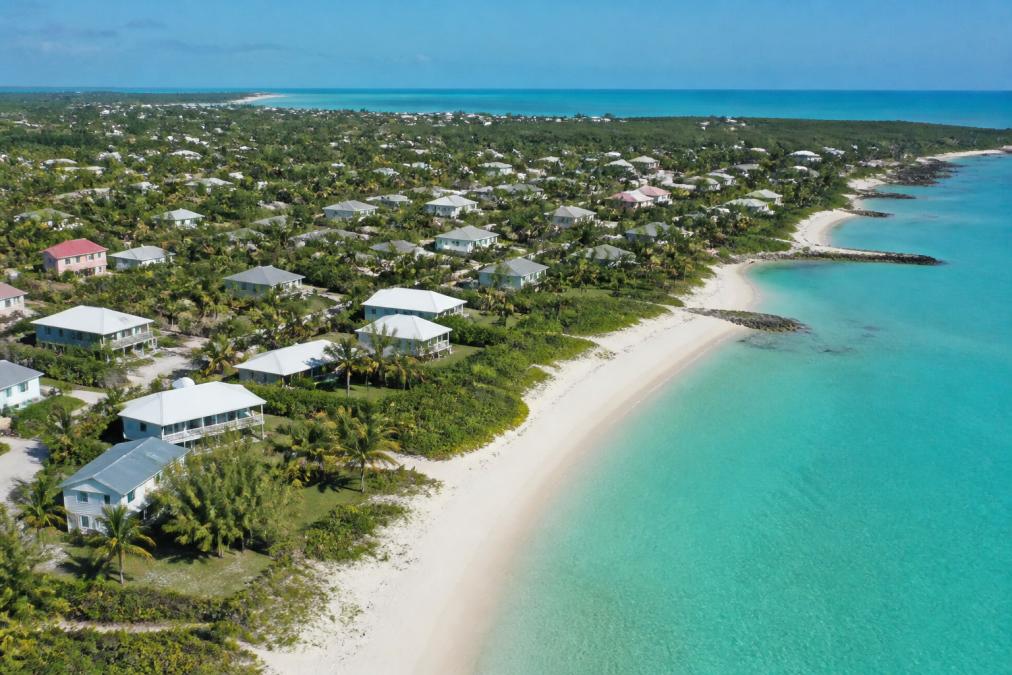
Cheapest beach towns often have hurricane seasons that drive up insurance costs significantly. Annual flood and wind insurance premiums can add $1,500-$3,000+ in Gulf Coast locations, affecting long-term affordability more than initial purchase price.
Best Affordable Beach Towns for Expats in the United States
Expats and remote workers need reliable internet, healthcare access, and welcoming communities. The United States offers significant advantages: no visa complications for citizens or authorized workers, consistent healthcare quality, and reliable internet across beach towns. This eliminates major barriers to affordable coastal living.
Daytona Beach, Florida: Florida’s Most Accessible Coastal Option
Daytona Beach offers median home prices around $245,000 with year-round entertainment and genuine beach culture without Miami or Tampa premiums. Diverse housing options include condos under $200,000 and rentals at $900-$1,200 monthly. The younger expat community creates dynamic social environments.
Tourism saturation is the tradeoff, summer traffic and commercialized atmosphere can overwhelm. Internet connectivity is solid with multiple gigabit providers. Utilities run $150-$180 monthly in summer.
Pensacola, Florida: Gulf Coast Charm on a Budget
Pensacola offers historic charm with median home prices around $295,000 and uncrowded beaches. The walkable historic downtown provides local restaurants and genuine community feel without resort-area premiums. Cost of living runs below national average, particularly housing and groceries.
Healthcare access is solid with multiple hospitals. Internet providers include fiber options in most neighborhoods. The tradeoff is distance from major metros, Tampa and Miami require significant drives.
Pensacola’s seasonal tourism surge transforms downtown into crowded, parking-challenged areas during peak months. Avoid summer weekends if sensitive to crowds.
Affordable Gulf Coast Towns: Mississippi and Texas Options
The Gulf Coast offers different cost structures. Mississippi provides absolute cheapest entry points; Texas offers no state income tax advantage.
Pascagoula and Gulfport, Mississippi: Lowest Entry Prices
Pascagoula represents the affordability floor at $164,900 median home price. Gulfport, slightly larger, sits at $200,000. Both offer direct Gulf access with white-sand beaches and slower pace than Florida’s developed coast.
The tradeoff is infrastructure and amenities. These are working-class communities, not resort destinations. Gulfport has invested in waterfront development; Pascagoula remains more industrial.
Both face significant hurricane vulnerability. Insurance costs add $2,000-$3,500 annually, substantially increasing total housing expenses. Internet connectivity varies by neighborhood, urban areas have fiber and cable, but some areas rely on satellite or fixed wireless.
Port Lavaca and Corpus Christi, Texas: No State Income Tax Advantage
Texas’s lack of state income tax creates meaningful financial advantage for remote workers and retirees. Port Lavaca, a quiet town of 12,000, offers median prices under $325,000 with abundant outdoor recreation and fishing culture. The tradeoff is limited amenities, shopping and entertainment require driving to larger cities.
Corpus Christi, a city of 320,000+, offers median prices around $315,000 with genuine urban amenities alongside beach access. Cost of living sits at 83.5, meaningfully below national average. Combined with no state income tax, this creates genuine financial advantage for remote workers.
Texas’s no-income-tax advantage is real but often overstated. For someone earning $100,000 remotely, annual state tax savings amount to roughly $5,000. This matters significantly over a decade but doesn’t eliminate the need to evaluate total cost of living.
Atlantic Coast Budget Beaches: Carolinas and South Carolina
Atlantic Coast towns typically feature more established communities and higher baseline costs than Gulf alternatives, but several remain genuinely affordable compared to northeastern or California markets.
Myrtle Beach, South Carolina: Entertainment-Focused Affordability
Myrtle Beach, a major resort destination, remains genuinely affordable with median home prices around $299,500. The 60-mile Grand Strand offers miles of beach access, over 80 golf courses, and abundant entertainment. The strong vacation rental market allows homeowners to offset mortgage costs through seasonal rentals.
South Carolina doesn’t tax Social Security income, benefiting retirees. The downside is summer tourism saturation with brutal traffic and commercialized boardwalks. Internet connectivity is excellent with fiber and cable widely available.
Sunset Beach, North Carolina: Quieter Coastal Living
Sunset Beach, a barrier island community of 3,500 people, offers genuine quiet coastal living with median prices around $339,900. The appeal is straightforward peace, no commercial development or tourism infrastructure. The downside is limited amenities and isolation; Wilmington is roughly 30 minutes away.
North Carolina doesn’t tax Social Security benefits and has reasonable property taxes. Hurricane risk is lower than Gulf locations, making insurance costs more manageable.

How to Move to a Beach Town on a Budget: Practical Steps
Relocation requires planning beyond finding a cheap house. Moving costs, healthcare transitions, and internet setup create complex processes.
Assess Your Total Moving Costs and Timeline
Most people focus on house price and miss actual relocation costs. Calculate these explicitly:
- Moving labor and transportation: $3,000-$8,000
- First month’s rent/mortgage plus deposit: 2-3 months of housing costs
- Inspection, appraisal, and closing costs: $2,000-$5,000
- Utility deposits and setup: $300-$800
- Vehicle registration and insurance updates: $200-$600
- Furniture and household setup: $1,000-$5,000
Moving during peak season (summer) costs 20-30% more than off-peak (winter). For renters, negotiate move-in terms, many landlords offer flexibility on deposits or first-month fees for longer leases.
Research Visa Requirements and Residency Permits
U.S. citizens relocating within the country face no visa complications. International residents face more complexity. The United States lacks a dedicated digital nomad visa. Remote work on tourist visas technically violates visa terms.
For U.S. citizens, residency requirements vary by state. Florida, Texas, and other beach states typically require 183+ days annually for tax purposes.
Evaluate Healthcare Access and Insurance Costs
Healthcare quality varies across affordable beach towns. Pascagoula and Gulfport have limited specialist options; Pensacola and Corpus Christi offer stronger infrastructure. Verify your beach town has appropriate medical infrastructure for your needs.
Health insurance costs range $300-$600 monthly for comprehensive individual coverage through the Affordable Care Act marketplace. Coastal living increases sun exposure and water recreation injury risks.
Plan for Internet Connectivity and Remote Work Setup
Internet reliability is non-negotiable for remote work. Contact ISPs directly and request speed test results from your specific address, coverage maps often overstate availability.
Budget for backup connectivity: mobile hotspot or secondary provider costs $50-$100 monthly. Ensure your rental or home has dedicated, quiet workspace for video calls and focused work.
Climate, Safety, and Seasonal Considerations for Coastal Living
Hurricane season runs June through November across Atlantic and Gulf coasts. Insurance costs reflect this risk. Mississippi and Texas Gulf Coast towns face higher vulnerability than Atlantic locations.
Seasonal tourism creates predictable disruptions. Myrtle Beach becomes crowded in summer; smaller towns remain quiet but offer fewer off-season services. Climate differences matter for lifestyle, Florida’s heat is year-round; Carolinas and northern Gulf have genuine winters.
Safety varies by town. Pensacola and Corpus Christi have established neighborhoods with good safety records. Smaller towns like Port Lavaca are genuinely safe. Myrtle Beach’s tourism creates pockets of higher crime near entertainment districts.
Comparing Cynthia Gardens to Budget Beach Town Living
For those considering Boca Raton specifically, Cynthia Gardens offers an alternative to budget beach towns. Boca Raton’s median home prices exceed $600,000, but Cynthia Gardens provides modern one-bedroom apartments with high-end finishes, stainless steel appliances, quartz countertops, and resort-style amenities without ownership maintenance burden.
For remote workers earning substantial income, the premium for convenience and amenities often outweighs savings from cheaper beach towns. The maintenance-free model eliminates ongoing costs, insurance, repairs, property taxes, providing predictable monthly expenses and professional management.
For FAU graduate students, Cynthia Gardens offers genuine value compared to other Boca Raton apartments near campus. Garden-style community design provides quiet living that high-rises cannot match while maintaining convenient access to campus and local landmarks.
Moving to an affordable beach town requires honest assessment of actual needs versus expectations. The cheapest beach towns deliver affordability but may compromise infrastructure, community, or lifestyle factors that matter more than expected. Pascagoula’s $164,900 median home price means nothing if you’re isolated or struggling with limited healthcare access.
Sustainable relocation balances cost with livability. Gulfport, Port Lavaca, and Pensacola represent this sweet spot, genuinely affordable with adequate infrastructure and growing communities. For those prioritizing proximity to employment, education, or established networks, Boca Raton’s Cynthia Gardens delivers convenience and refinement that budget beach towns cannot match.
Schedule a tour at Cynthia Gardens today to experience maintenance-free Florida living minutes from FAU and the beach. Our modern one-bedroom apartments, resort-style pool, and lush landscaped grounds provide the serene, comfortable lifestyle that makes relocation worthwhile.
Frequently Asked Questions
What is the least expensive beach town to live in?
Pascagoula, Mississippi offers the lowest median home prices at $164,900 as of June 2024, making it the most affordable beach town option. Gulfport, Mississippi follows closely with a median home price around $200,000. Both Gulf Coast cities provide direct access to the Gulf of Mexico while maintaining significantly lower costs than other coastal regions. However, hurricane risk and industrial presence are important factors to consider before relocating.
What are the best affordable beach towns for expats relocating internationally?
U.S. beach towns remain among the world's most accessible for expats due to straightforward visa processes and established infrastructure. Pensacola and Daytona Beach in Florida offer lower costs than Miami or Miami Beach while maintaining modern amenities, healthcare access, and English-speaking communities. For those seeking international options, research visa requirements, healthcare quality versus cost, and digital nomad visa availability in your target destination. Consider proximity to international airports, internet connectivity for remote work, and expat community networks when evaluating affordability abroad.
How much should I budget for moving to a beach town on a budget?
Total moving costs depend on distance, household size, and whether you're purchasing or renting. Budget for transportation (typically $3,000-$10,000 for long-distance moves), deposits and first month's rent or down payment, utility setup fees, and initial living expenses for 2-3 months. In affordable beach towns like Gulfport or Port Lavaca, monthly living costs range from $1,500-$2,500 for a single person. Research seasonal cost fluctuations, some towns experience higher prices during peak tourism seasons. Get quotes from moving companies and check local utility costs before committing.
Are there affordable beach towns in Florida near major job markets?
Yes. Daytona Beach and Pensacola offer lower costs than Miami while maintaining reasonable proximity to employment centers. Daytona's median home price around $245,000 provides access to both beaches and nearby tech corridors. Pensacola, with a median home price of $295,000, attracts military families and professionals seeking lower cost of living without sacrificing urban amenities. Both towns have growing remote work communities and established infrastructure. However, verify specific commute times and job market conditions in your industry before relocating.
What factors beyond price should I consider when choosing a cheapest beach town?
Evaluate climate and weather patterns, hurricane season affects insurance costs and safety across Gulf and Atlantic coasts. Research healthcare access and quality, as some affordable towns have limited medical facilities. Check internet connectivity for remote work, property tax rates, and state income tax policies (Texas and South Carolina have no state income tax, benefiting retirees). Consider proximity to international airports, local culture and expat community presence, and seasonal tourism impacts. Safety indices and crime rates vary significantly by town. A low home price means little if healthcare, insurance, or infrastructure costs offset the savings.