
Table of Contents
- What Makes a Great Study Cafe
- Coffee Shops With Free Wi-Fi and Reliable Connectivity
- Top Cafes for Studying: Detailed Breakdown
- Cafe Etiquette for Students: Staying Respectful
- Budget-Friendly Study Hacks for Cafe Regulars
- How to Find Your Perfect Study Cafe
- Conclusion
Last Updated: August 16, 2026
What Makes a Great Study Cafe
The difference between a cafe where you can focus and one where you can’t comes down to three things: infrastructure, atmosphere, and community norms. A productive study cafe is deliberately designed to support extended focus work.

When evaluating cafes for studying, assess the fundamentals: reliable power access distributed throughout the space, Wi-Fi fast enough for video calls, and seating that supports good posture. These aren’t luxuries, they’re prerequisites.
Essential Amenities for Productive Study Sessions
You need reliable power access, functional Wi-Fi without constant re-authentication, and ergonomic seating. Beyond these essentials, look for a diverse menu (so you can stay longer), on-site bathrooms, and quiet zones if available. Temperature control and bright lighting without screen glare matter significantly. Many study-focused cafes now include dedicated work tables with better lighting than typical cafe seating.

Atmosphere and Noise Considerations
Noise preferences vary sharply. Some people need silence; others focus better with moderate ambient buzz. Cafes with hard surfaces amplify sound, while those with soft furnishings dampen it. Test a cafe during peak hours before committing to it as your regular spot.
Peak hours (12-1 p.m. and 3 p.m.) are loudest. Early morning (before 9 a.m.) and mid-afternoon (2-3 p.m.) offer the best combination of available seating and manageable noise. Instrumental music, lo-fi hip-hop, or ambient soundscapes support focus better than upbeat pop or talk radio.
Coffee Shops With Free Wi-Fi and Reliable Connectivity
Free Wi-Fi is essential, but quality varies enormously. Before making a cafe your regular spot, test the connection. Run a speed test at speedtest.net and check both download and upload speeds. For basic browsing, 10 Mbps is adequate. For video calls, you need at least 5 Mbps upload. For downloading large files, aim for 25+ Mbps download.
Connection stability matters as much as raw speed. A consistent 15 Mbps is more useful than a flaky 50 Mbps. Ask staff about router upgrades and connectivity complaints. Cafes optimized for work-from-cafe audiences invest in decent infrastructure.
| Feature | What to Look For | Why It Matters |
|---|---|---|
| Download Speed | 15+ Mbps | Handles file downloads and video streaming |
| Upload Speed | 5+ Mbps | Essential for video calls and cloud uploads |
| Stability | Consistent signal, no frequent drops | Prevents interruptions during focused work |
| Authentication | Simple one-time login or always-on | Reduces friction for extended sessions |
| Router Quality | Modern dual-band or Wi-Fi 6 router | Better performance with many simultaneous users |
Top Cafes for Studying: Detailed Breakdown
Chain Options: Starbucks, Panera Bread, and Dunkin’
Starbucks offers consistency and ubiquity. Nearly every location has free Wi-Fi, and you know roughly what to expect. Seating and noise levels vary by location. The ambient noise is moderate to high, which works well for people who study better with background sound. The real advantage is reliability when traveling or in unfamiliar areas.
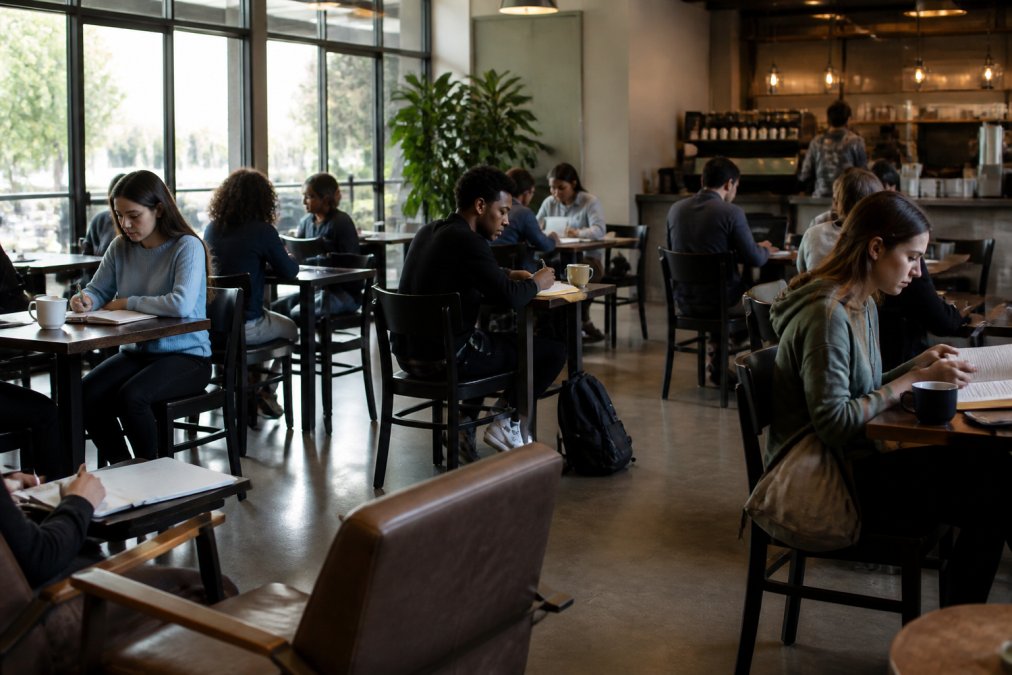
Panera Bread is arguably the best chain option for serious studying. Seating is typically spacious with larger tables and booths designed for spreading out. Many locations have excellent outlet access and moderate noise levels. The substantial menu (soups, salads, sandwiches) sustains long study sessions. Panera’s Sip Club subscription (around $14.99/month for unlimited drinks) saves money for regulars. The atmosphere feels deliberately designed for people planning to stay a while.

Dunkin’ is more affordable and often less crowded than Starbucks, but the atmosphere skews toward quick transactions rather than extended work. Noise levels and outlet access vary significantly by location. It works best for shorter study sessions rather than all-day workspace.
Specialty Study Spaces: Capital One Café and Barnes & Noble
Capital One Café combines cafe amenities with coworking infrastructure. Wi-Fi is excellent, power outlets are abundant, and work tables are designed specifically for laptops. The atmosphere is quieter and more professional than traditional cafes. The trade-off is limited availability, these exist primarily in major metropolitan areas.
Barnes & Noble Café offers unique advantages: you’re surrounded by books for reference, the bookstore environment naturally encourages lower noise levels, and many locations have large tables suitable for spreading out study materials. Quality varies by location, but it’s worth testing if you have one nearby.
Independent and Local Favorites
Independent cafes often outperform chains for serious studying. Local owners frequently design spaces understanding that regulars spend hours there, resulting in better seating, thoughtful lighting, and genuine community vibe.
Peet’s Coffee locations advertise study-friendly amenities with higher coffee quality and intentional atmosphere. Many have good outlet access and reliable Wi-Fi. Their website locator lets you filter by amenities.

Lestat’s Coffee House (San Diego-based) operates 24-hour locations, invaluable for night owls. Spaces are spacious and designed with cozy-but-energetic vibe. Wi-Fi is reliable, and the community of working people creates productive atmosphere.
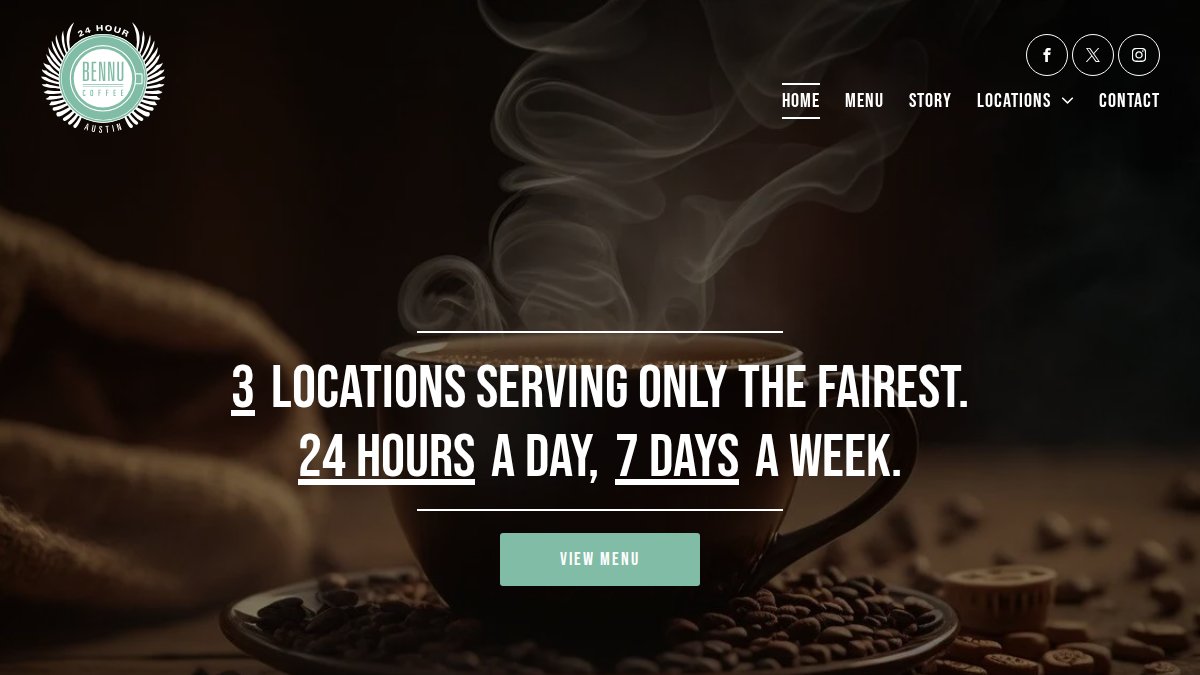
Bennu Coffee in Austin operates 24/7 with ample seating and power outlets. The diverse menu (coffee, pizza, salads, tacos) sustains long work sessions. Community-focused atmosphere welcomes extended stays.
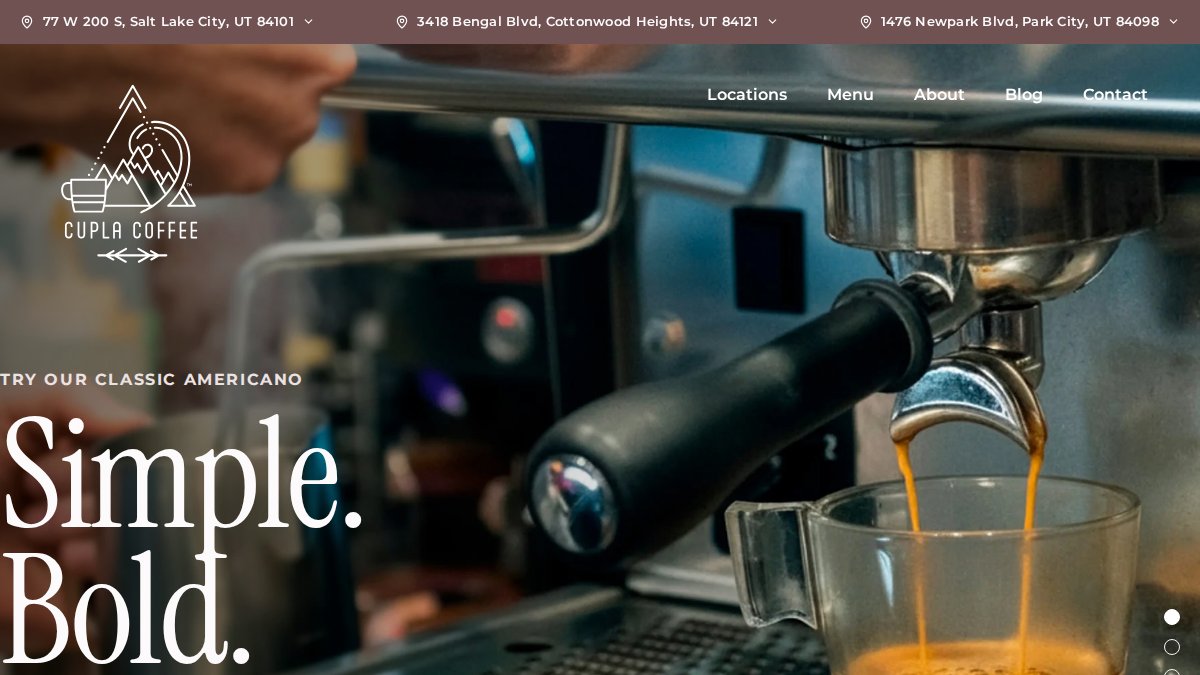
Cupla Coffee (Utah-based) prioritizes comfort and aesthetics with warm lighting and plush seating. Fast Wi-Fi and deliberately quiet atmosphere support focus.
Cafe Etiquette for Students: Staying Respectful
The unwritten rules of cafe culture matter significantly. Violating them gets you resented by staff and other regulars, and in extreme cases, asked to leave.
The core principle: you’re a guest in a commercial space. The cafe’s primary business is selling coffee and food, not renting desk space. When you occupy a table for three hours buying only one coffee, you’re taking up space that could generate multiple transactions.
Purchase something regularly. If staying for two hours, buy two items, a coffee on arrival and another drink or food item after an hour. This is the unspoken social contract. Cafes welcome long-term studiers because they generate consistent revenue.
Don’t monopolize outlets or tables during peak hours. Use only the space you need. During off-peak hours, spreading out is fine.
Keep noise at respectful levels. No speakerphone calls, no full-volume videos, no group study sessions that become social hangouts. Step outside for calls. Keep conversation volume low enough not to disrupt nearby tables. Use headphones for all audio.
Respect the space. Don’t leave trash, rearrange furniture significantly, or treat the bathroom like a personal washroom.
Understand when you’re not welcome. Some cafes have explicit policies about stay duration or minimum purchases. Ask about these upfront. If a cafe discourages long-term studiers, respect that and find elsewhere.
Budget-Friendly Study Hacks for Cafe Regulars
If studying in cafes regularly, costs add up, $5 daily coffee, five days weekly, equals $1,300 annually. Here are practical cost-reduction strategies.
Invest in subscriptions where valuable. Panera’s Sip Club ($14.99/month) saves money if you visit more than three times monthly. Dunkin’ has similar rewards programs. Over a year, these subscriptions save hundreds.
Buy food instead of just drinks. A $5 coffee plus $7 sandwich sustains longer study sessions and costs less than most lunch alternatives.
Rotate between cafes strategically. Develop a rotation of three or four spots. This distributes spending, prevents becoming "the person who’s always there," and provides atmosphere variety that improves focus.
Go during off-peak hours. Early morning (before 9 a.m.) and mid-afternoon (2-3 p.m.) are slower. Cafes welcome long-term studiers during these windows because seating isn’t scarce.
Combine cafe study with library time. Libraries offer free seating and Wi-Fi without purchase expectations. Use libraries for deep focus work and cafes for collaborative sessions or environment changes.
Build relationships with cafe staff. Regular customers who are respectful and purchase consistently are genuinely welcomed. Staff might save good tables or alert you to slower periods.
How to Find Your Perfect Study Cafe
Finding the right cafe requires systematic evaluation. Search Google Maps for "cafes near me" and read reviews mentioning seating, outlets, and noise level. Reviews saying "good for working" or "quiet atmosphere" are positive signals.
Visit during your intended study hours. If you plan to study 2-5 p.m., visit then to assess noise, seating, and outlets. The same space feels different at different times.
Test Wi-Fi explicitly. Connect, run a speed test, and try accessing video or downloading files. This takes five minutes and prevents hours of frustration.
Assess ergonomics. Spend 30 minutes working at a table. Does seating support your back? Is table height comfortable? Can you reach an outlet without awkward stretching?
Ask staff about policies: acceptable stay duration, quiet hours, study-specific areas, and minimum purchase expectations.
Once you’ve found a good spot, commit for at least a month. Your productivity improves as the space becomes familiar and you establish yourself as a regular. Baristas learn your order, you know quiet times, and you develop intuitive sense of how to work effectively there.
Finding the right cafe for studying transforms how you work. Whether drawn to chain consistency like Panera, specialized infrastructure like Capital One Café, or local independent community vibe, match the space to your actual working style. Test cafes during intended study hours, assess infrastructure, and build a routine supporting your focus. For students at FAU or professionals in the area, FAU’s campus resources and nearby amenities point toward study spaces beyond traditional cafes. Once established, a consistent, comfortable workspace dramatically improves productivity. For a home base prioritizing quiet, comfortable living when not studying, Cynthia Gardens offers maintenance-free apartment living in Boca Raton minutes from campus and beach, a serene environment designed for focus and relaxation. Schedule a tour today to see how our garden-style community complements your lifestyle.
Frequently Asked Questions
What makes a coffee shop good for studying?
The best cafes for studying combine reliable high-speed internet, abundant power outlets, comfortable seating, and moderate noise levels. Look for locations with natural lighting, minimal background music or a peaceful ambient environment, and enough space to spread out materials. Bonus features include spacious tables, limited peak-hour crowds, and a menu offering sustained caffeine and snack options for longer sessions.
How do I find quiet cafes to work in near me?
Visit cafes during off-peak hours, typically mid-morning or mid-afternoon, when crowds are lighter. Check online reviews specifically mentioning noise levels and atmosphere. Independent coffee shops and bookstore cafes tend to be quieter than major chains. Call ahead to ask about their quietest sections or times. Many cafes with free Wi-Fi advertise study-friendly spaces, look for those descriptions when researching options in your area.
Is it rude to study in a coffee shop for a long time?
Extended study sessions are acceptable when you're a paying customer making regular purchases. Most cafes expect students and remote workers to stay for hours. Show respect by purchasing drinks or food periodically, keeping noise minimal, not monopolizing prime seating during peak times, and packing up quickly when the cafe closes. Avoid spreading materials across multiple tables, and be mindful of others needing space. Most cafe owners appreciate steady customers who follow basic cafe etiquette for students.
How can I find coffee shops with free Wi-Fi and power outlets?
Check cafe websites or call ahead to confirm free Wi-Fi availability and outlet locations before visiting. Major chains like Starbucks, Panera Bread, and Dunkin' consistently offer both amenities. Specialty spaces like Capital One Café are designed specifically with abundant outlets and coworking-style setups. Online review platforms often mention Wi-Fi reliability and outlet accessibility. When visiting new locations, arrive early to secure seating near outlets and test connection speeds for your work needs.