The Complete Guide to Apartment Complexes in Boca Raton, FL: What Every Renter Should Know
Searching for apartment complexes in boca raton fl can feel overwhelming when listings mix luxury high-rises, student-focused units near FAU, and more affordable options west of I-95. This guide cuts through the noise with neighborhood-by-neighborhood rent ranges, realistic monthly cost examples that include fees and utilities, amenity priorities for students and young professionals, commute tradeoffs, and lease timing and negotiation tactics. It ends with a clear, objective profile of Cynthia Gardens so you can compare a pet-friendly, utility-included option against similar Boca Raton rentals and make a practical shortlist.
Boca Raton neighborhoods that matter to renters
Clear difference in value by neighborhood. Rents and lifestyle vary sharply across Boca Raton — East Boca and downtown command a premium for walkability and beach access, while West Boca trades location for lower rents and bigger units. Recent market pressure has pushed overall rents up; expect neighborhood premiums to widen as demand increases and new developments fill in core corridors.
East Boca and Mizner Park
What you get. High-rise and mid-rise luxury apartments, many with waterfront or short beach access, polished lobbies, and restaurants within walking distance. These are the complexes that offer private balconies or patios, concierge or gated entries, and more frequent turnover of renovated units.
Tradeoff. Premium rent for convenience. If your priority is nightlife, short walks to cafes, or waterfront views, expect to pay 15 to 30 percent more versus comparable units in West Boca. That premium often covers less driving and lower commuting stress.
Downtown Boca Raton and Esplanade
What you get. Walkable downtown living with dining, events, and short-term rental activity nearby. Many downtown apartment complexes include high-end amenity packages like fitness centers, on-site maintenance, and community events.
Consideration. Parking and noise matter. If you need a quiet study environment, prioritize courtyard-facing units and confirm sound mitigation. For those who commute by transit, downtown proximity can save on parking fees and time.
FAU area and West Camino Real
What you get. Student-focused apartments and furnished units that advertise short-term leases and roommate-friendly floor plans. Many buildings work with FAU shuttle routing and accept guarantors or student paperwork during leasing.
Practical insight. Short-term leases and furnished apartments are common here, but pet policies and roommate limits vary widely. If you are a student, confirm shuttle stops and internet reliability before you sign.
West Boca
What you get. Lower rents, larger two and three-bedroom layouts, and driving as the assumed mode of transport. Grocery and retail access is strong, but walkability and transit frequency are lower compared with East Boca.
Tradeoff. You buy space for commute time. For professionals with cars or flexible schedules, West Boca often delivers the best square footage per dollar. For students or commuters who rely on Palm Tran or Tri Rail, living closer to FAU or downtown can be cheaper once you factor in transport and parking.
- Commute-first renters: prioritize proximity to Tri Rail or major Palm Tran routes – check Tri-Rail and Palm Tran stop maps.
- Beach and lifestyle-first renters: accept higher rent for East Boca or downtown walkability and nightlife.
- Budget-conscious students: target FAU area or West Boca for lower rent and roommate-friendly layouts; confirm guarantor requirements on listings.
- Amenity prioritizers: if on-site pool, gym, and included utilities matter, expect to pay more but potentially save on monthly bills compared with sparse complexes.
Concrete example: A graduate student who values short walks to class and study-friendly cafes should target FAU area or Downtown Boca. A young professional commuting to West Palm Beach who needs a home office and parking will find better value in West Boca with 2-bedroom apartments and dedicated garage parking.
Judgment you need. Do not assume the cheapest neighborhood is the cheapest overall. When you add parking, commuting time, and the cost of necessities, a higher base rent closer in can be the smarter financial choice. Use the neighborhood guidance here to rank tradeoffs by what you are willing to pay in time versus money.
What one bedroom rents and fees look like in Boca Raton
Short answer: expect wide variance — a one bedroom in Boca Raton can be as low as around $1,400 in West Boca or as high as $3,000+ in East Boca or downtown for premium buildings. Base rent is only the start of the monthly cost picture.
Market ranges by neighborhood (recent listing snapshot)
| Neighborhood | Studio (typical) | One bedroom (typical) | Two bedroom (typical) |
|---|---|---|---|
| East Boca / Beachside | $1,600 – $2,400 | $2,100 – $3,200 | $2,800 – $4,500 |
| Downtown / Mizner Park | $1,700 – $2,300 | $2,000 – $3,000 | $2,700 – $4,200 |
| FAU area / East of I-95 | $1,300 – $1,900 | $1,600 – $2,200 | $2,000 – $2,900 |
| West Boca / West of I-95 | $1,100 – $1,600 | $1,400 – $1,900 | $1,700 – $2,400 |
Data note: those ranges reflect recent market listings aggregated from Zillow and Apartments.com. Expect upward pressure near the beach, high-rise downtown communities, and new apartment developments.
Common additional monthly costs that change the real price
- Electricity: $60 – $150 depending on A/C use and unit size; in summer budget for the high end.
- Water/sewer/trash: sometimes included; when not, expect $20 – $75.
- Internet: $40 – $80 for reliable high-speed suitable for remote work or streaming.
- Pet rent: $25 – $50 per pet per month plus a one-time fee; breed or weight rules can add hidden costs.
- Parking fees: $0 – $150; gated communities or reserved covered spots cost more.
- Renter insurance: $12 – $25.
Practical insight: landlords and listings emphasize base rent because it looks smaller. Always calculate Total Monthly Occupancy = base rent + expected utilities + pet rent + parking + renter insurance. That number decides affordability, not the advertised rent.
Upfront costs and typical one-time fees
- Security deposit: commonly one month rent; higher if credit is limited. Some properties require first and last month up front.
- Application fee: $35 – $100 per applicant.
- Admin or move-in fee: $100 – $300 at some complexes instead of or in addition to deposits.
- Pet fee (nonrefundable): $300 – $500 one-time is common.
Trade-off to watch: properties that advertise included utilities often charge higher rent. That predictability can be worth it if you hate bill management or run heavy A/C, but if you are an energy-conscious tenant you may pay for unused allowance. Verify exactly which utilities are included – water, sewer, trash are common; electricity rarely is.
Concrete example: a student renting a mid-range one bedroom near FAU lists base rent at $1,900 with water included. Add electricity $90, internet $60, renter insurance $15, and pet rent $35. The real monthly cost is roughly $2,100, not $1,900 — plan on that gap when shortlisting and comparing listings.
Real-world judgment: inexperienced renters compare base rent across listings and get surprised at move-in. In practice, pick three listings and compute the full occupancy cost. Use that to compare a downtown unit with higher base rent but included parking and utilities against a cheaper west Boca unit that will add $200+ per month for commuting and parking.
Next consideration: when you shortlist, ask for a rent breakdown in writing and compare the documented total monthly cost. If a property offers move-in specials or one month free, run the math on the effective monthly rate across the lease term – that can change which offer is actually cheaper.
Amenities and policies students and professionals should prioritize
Start with the essentials: reliable high-speed internet and on-site maintenance. For students and early-career professionals, internet reliability is the single most important amenity. A flashy gym or rooftop does not replace a router that drops during video calls or a maintenance team that takes weeks to respond to a broken hot water heater.
High-impact amenities to value and why
- High-speed internet included or guaranteed bandwidth — saves time and money; verify upload speed and whether providers share the building pipe during evenings.
- Utilities included (water, sewer, trash) — predictability matters more than a few dollars saved on base rent. Included utilities can lower overall monthly variance for students on tight budgets.
- On-site or 24-hour maintenance — ask for a published SLA. Quick fixes matter for a daily routine and for small emergencies like HVAC failures in summer.
- Secure parking and package handling — gated access, well-lit lots, and a package room reduce theft risks; parking fees can add $50 to $200 monthly depending on covered/assigned space.
- Quiet study spaces or business centers — these are more useful than a large social lounge if you work or study from home regularly.
- Laundry options: in-unit versus on-site — in-unit washer dryer is a time-saver but commands a premium; on-site machines add recurring laundry costs and inconvenience.
- Pet facilities and policies — look for pet grooming stations, on-site dog parks, and clear breed or weight rules. Pet rent plus a nonrefundable fee can be $30 to $75 extra per month.
Tradeoff to accept: amenity-rich complexes command a premium.** If you prioritize predictable monthly cost and fewer surprises, favor included utilities and on-site maintenance over amenities you will rarely use, like valet or concierge.
Policies that change whether a place is actually livable
- Lease flexibility and subletting rules — students need clear short-term or semester sublet options. Properties that block subleasing can force unnecessary renewals or higher penalties.
- Furnished unit availability and short-term leases — furnished apartments are worth the premium for semester-long stays or contract jobs; verify inventory and condition photos before committing.
- Guest, noise, and smoking policies — enforcement matters. A strict no-smoking policy only helps if the property enforces it in common areas.
- Security policies and management hours — gated access with 24-hour management can reduce petty crime, but confirm after-hours support procedures.
- Move-in and move-out window rules — tight elevator booking windows or restricted move days create hidden moving costs.
Practical insight: the published amenity list is marketing; the operational reality is what counts.** Ask for average maintenance response times, recent internet outage history, and how often shared spaces are cleaned or reserved for private events.
Concrete Example: A graduate student who attends FAU and works part time remotely should prioritize a unit with guaranteed internet, included water, and a reliable on-site maintenance team.** Choosing a complex that advertises a gym but has spotty Wi Fi will cost more in missed classes and poor work calls than a slightly smaller unit with stable utilities and prompt repairs. Cynthia Gardens, which offers included utilities, on-site maintenance, and a pool, fits this use case for renters who prefer predictable monthly costs and low maintenance overhead; confirm specific lease terms and pet fees with Leasa or the leasing office during a tour.
Next consideration: on your tour, test Wi Fi, ask for maintenance SLA examples, and request a breakdown of all recurring fees so you can compare total monthly cost rather than listing rent alone.**
Transit and commute options for Boca Raton renters
Main point: Living near transit in Boca Raton can cut commute stress — but it rarely replaces a car unless your schedule, route, and stop placements line up. Rent premiums around Downtown, FAU shuttle points, and Tri-Rail stations are real; treat proximity as one of several costed benefits, not a free gain.
How transit actually works here
Palm Tran for local trips: Palm Tran buses cover Boca Raton neighborhoods and run on fixed schedules. Frequency matters more than distance — a stop one block away is useless if buses come once an hour and you need a strict 8:30 a.m. arrival. Check routes at Palm Tran before assuming a listing's proximity equals convenience.
Regional travel: Tri-Rail and Brightline tradeoffs: Tri-Rail is the practical commuter rail for trips to Fort Lauderdale, West Palm Beach, and Miami at peak times; Brightline is faster but pricier and less commuter-focused. If you commute to Miami daily, living near the Boca Raton Tri-Rail station reduces driving and parking costs — but expect slightly higher rents for that convenience. See schedules at Tri-Rail.
Student last-mile: FAU shuttles and bikes: FAU shuttles serve campus zones reliably during semesters. For students, pairing a short walk to a shuttle stop or safe bike route often beats living beach-close but off the shuttle grid. Bicycle storage or an on-site bike rack should be a priority on your checklist.
Practical tradeoffs and what to verify on tours
- Schedule fit: Verify commute-time departures and arrivals from the nearest stop during the exact hours you will travel.
- Parking vs. transit cost: Ask about resident parking fees and compare monthly parking plus gas to a transit pass or park-and-ride costs.
- Reliability and safety: Observe lighting and shelter at stops and ask management about crime or late-night service issues.
- Last-mile options: Confirm scooter/bike availability nearby, on-site bike storage, and distance to ride-hail pickup spots.
Concrete example: A young professional commuting to downtown Fort Lauderdale found a one-bedroom near the Tri-Rail station saved 40–60 minutes daily versus driving from West Boca. The tenant accepted a $120 monthly rent premium because the Tri-Rail pass plus no daily parking reduced overall travel cost and improved predictability for morning meetings.
Judgment you won't hear in listings: Listings boast proximity to transit but rarely disclose trip duration during rush hour or the frequency of service. In practice, living one to two miles from a high-frequency Palm Tran corridor can be just as useful as being adjacent to a low-frequency stop. Prioritize frequency and directness, not nominal distance.
Next consideration: Walk your intended commute during the time you will actually travel — check transfer points, wait times, and ride-hail availability. For more localized planning, see the community transit resource at Plan Door to Door Transit in Boca Raton With Palm Tran, Tri-Rail and compare routes at Palm Tran and Tri-Rail.
Lease negotiation and timing tactics that save money
You can materially lower your effective monthly rent if you target timing and the right levers — but not every complex negotiates. Luxury high-rise apartments Boca Raton and new apartment developments Boca Raton often have corporate pricing and limited flexibility; smaller garden-style communities and older mid-rise buildings are where you get the best concessions.
When to look and why season matters
Seasonal reality: Peak demand is late spring through August. Significant negotiating room appears in October through February when student move-in and tourist demand drops. Landlords still covering winter maintenance and vacancy costs are more likely to offer move-in specials or fee waivers.
- Best months to negotiate: October–February — lower competition and more inventory.
- Worst months: June–August — high competition, fewer concessions, and faster fills.
- Mid-month moves: Aim for a mid-month or 25th move-in date to force a clear pro-rate for the first partial month.
Negotiation levers that actually work in Boca Raton: Do not ask for vague discounts. Use specific asks that cost the property little but save you money. Examples below are what leasing teams commonly grant when occupancy requires it.
- One month free or a reduction of the first month: Common on 12-month leases in non-peak months; translates to ~8% effective discount.
- Waived application or administrative fees: Small immediate savings and an easy win for the leasing office to give.
- Short rent credit for flexible move-in: Offer a flexible move-in window in exchange for a rent concession.
- Free parking or waived pet rent for a set period: High perceived value for renters at little long-term cost to the owner.
- Paying several months up front: Can lower or eliminate concessions, but has cash-risk trade-offs — insist on written receipt and refund terms.
Trade-offs to watch: A longer lease with a small monthly discount removes flexibility. Paying multiple months up front reduces monthly pressure but increases your exposure if you need to break the lease. Always get concessions spelled out in writing and attached to the lease so the management cannot retroactively change them.
Concrete Example: A recent FAU graduate looking for Boca Raton rental apartments targeted October viewings rather than August. They used current listings on Zillow to show two vacant comparable one-bedroom units and negotiated one month free plus waived application fees at a garden-style complex; the same complex gave no concessions to the July applicants. It cost the renter minimal time but saved a full month's rent over the lease term.
How to prepare before you ask
Do your homework: Pull 2–3 comparable vacancies from Apartments.com or Zillow and show them to the leasing agent. If you plan to use a concession as leverage, know the building's current occupancy week — property managers respond to concrete vacancy risk, not abstract negotiation.
- Bring proof of readiness: Pre-approval, first month funds, or a flexible move-in date increases your credibility.
- Ask for time-limited offers in writing: Move-in specials should be fixed in the lease or addendum.
- Target concessions that improve monthly cash flow: Waived pet rent, included parking, or initial free rent beats one-off gift cards.
Next consideration: If you want to save without losing flexibility, prioritize fee waivers and short-term credits over long prepayment or overly long lease terms; then use your saved cash to cover renter insurance and emergency moving costs rather than tying it up in a prepayment with limited recourse.
Sample budgets and side-by-side comparison scenarios
Key point: Base rent is a headline, not the whole story. Compare total monthly occupancy cost — rent plus utilities, pet fees, parking, and commute — before shortlisting any apartment complexes in boca raton fl.
Three practical monthly scenarios you will actually encounter
| Line item | Student — Cynthia Gardens (one-bedroom, utilities included) | Young professional — West Boca budget unit (one-bedroom, no utilities) | Commuter — Downtown/luxury (one-bedroom, premium amenities) |
|---|---|---|---|
| Base rent | $1,650 | $1,350 | $2,300 |
| Water/sewer/trash | $0 (included) | $70 | $0 (included) |
| Electricity (A/C) | $50 | $120 | $80 |
| Internet | $60 | $60 | $75 |
| Pet rent / fee | $40 | $40 | $60 |
| Assigned parking | $0 | $50 | $75 |
| Commute (monthly transit or gas+parking) | $40 (FAU shuttle/Palm Tran) | $220 (drive to workplace, tolls/insurance portion) | $80 (short city commute or rideshare mix) |
| Total monthly cost | $1,840 | $1,910 | $2,670 |
| Typical commute time to FAU/downtown | 10–20 minutes | 25–40 minutes | 5–15 minutes |
| Amenity / management trade-off | Included utilities, on-site maintenance, pool | Lower rent, fewer on-site amenities | Concierge-style amenities, higher service level |
Concrete Example: A student choosing Cynthia Gardens pays roughly $1,840/month in this model and trades a higher listed rent for predictable bills and minimal commute. In practice that predictability reduces month-to-month budgeting friction — no surprise water bills or unexpected A/C spikes — which matters when income is irregular or parents subsidize rent.
Trade-off to watch: Opting for a cheaper unit farther from campus often saves on rent but adds real costs: longer commute time, higher fuel and car maintenance, parking fees, and time lost. Many renters miscalculate time as free; an extra 30–60 minutes a day has real financial and quality-of-life costs.
How to run a quick break-even on any listing
- Add line items: Write down base rent, water/sewer/trash, electricity, internet, pet rent, parking, and estimated commute costs.
- Normalize frequency: Convert one-time fees (application, move-in pet fee) into a monthly figure across the expected lease length (e.g., divide a $300 pet fee by 12 months = $25/month).
- Compare net dollars and time: If the higher-rent option saves you >$100/month in utilities/commute or >30 minutes/day, it can be worth it. Otherwise pick the cheaper unit and budget the difference.
- Check local listings: Use Zillow Boca Raton rentals or Apartments.com Boca Raton to validate current ranges before negotiating.
What people get wrong: Renters fixate on headline rent and ignore variability in electricity and commute costs. In Boca Raton, A/C-driven electricity bills and parking or tolls are the usual budget killers — plan for them, and always confirm which utilities are actually included with the leasing office.
Next consideration: Run this table against any two listings you tour. If you want a template and a quick comparison, the Cynthia Gardens leasing team or Leasa can provide specifics on what utilities are included so you can plug accurate numbers into your break-even calculation — then pick the option that matches your time budget as much as your cash budget.
Cynthia Gardens profile and how to evaluate it against your priorities
Short verdict: Cynthia Gardens is a practical choice for renters who want included utilities, pet-friendly policies, and low-maintenance living near shopping and the beach — but it is not the right pick if you need short-term furnished units or direct Tri-Rail access. Assess it by total monthly cost, commute in peak hours, and the responsiveness of on-site maintenance.
Cynthia Gardens at a glance
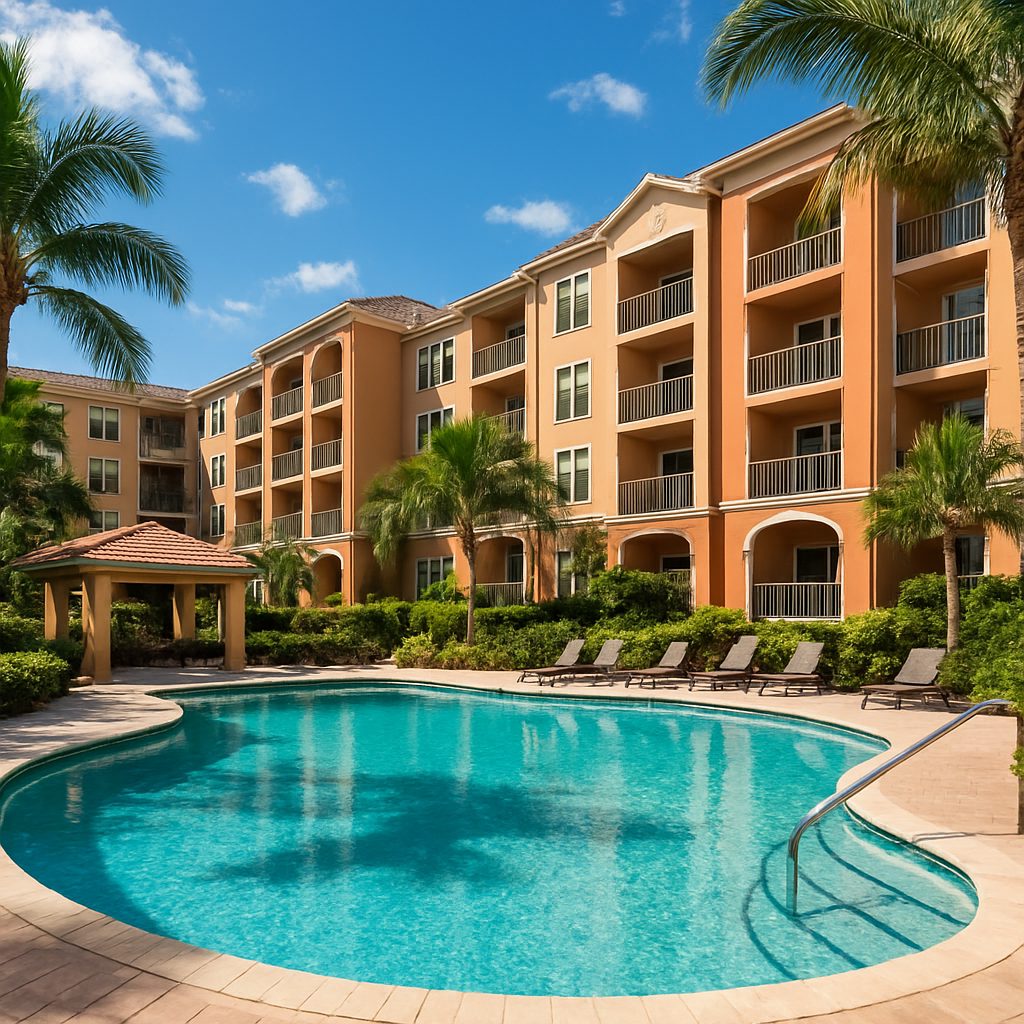
- Core features: one bedroom apartments with utilities included for water and trash, on-site pool, pet-friendly units, tropical grounds, and an on-site leasing team named Leasa to help with tours and paperwork
- Typical renter profile: FAU students who want fewer bills to manage and pet owners who prefer a quiet community rather than downtown nightlife
- Common limits to check: lease length flexibility, furnished availability, Wi Fi speed guarantees, and exact pet fees and breed or weight restrictions
Tradeoff to know: included utilities reduce month-to-month volatility but they can mask inefficient units. If utilities are capped, a landlord may not prioritize energy efficient fixtures. That matters if you work from home and run high electricity loads for heat or electronics.
Specific questions to bring on a Cynthia Gardens tour
- Utilities: exactly which utilities are included and are there caps or surcharges for excess usage
- Pet policy: one time pet fee, monthly pet rent, any breed or weight restrictions, and on-site pet amenities or nearby dog parks
- Maintenance SLA: how repairs are requested, typical turnaround time for urgent versus routine requests, and examples of recent completed work
- Parking and guest policy: assigned parking, fees, guest passes, and towing policy
- Internet and work from home: advertised provider, typical speeds in one bedroom units, and whether wiring supports business grade service
- Lease flexibility: shortest available lease term, options for subletting during academic breaks, and furnished unit availability
Concrete example: A FAU student with a medium sized dog and limited budget will benefit from Cynthia Gardens because utilities are included and on-site maintenance reduces hassles during busy semesters. They should confirm FAU shuttle stops or drive time during rush hour before committing. A young professional who needs reliable 200 Mbps internet and a 30 minute Tri Rail commute should test peak-hour routes and ask about provider performance before signing.
How to judge value versus other Boca Raton options: compare total effective rent not just base rent. Add monthly pet charges, estimated electric if not included, parking fees, and a conservative internet plan. Then factor qualitative items – calm community, proximity to grocery and beach, and maintenance reliability. If another complex offers lower base rent but charges separately for water, trash, and high pet rent, Cynthia Gardens may be cheaper and simpler overall.
Quick touring comparison checklist
- Total monthly cost: base rent + pet fees + parking + estimated utilities
- Commute in context: drive or transit time during peak hours to FAU or workplace – test at those times
- Amenity condition: pool, landscaping, laundry – are they clean and maintained now or clearly neglected
- Maintenance evidence: recent work orders or resident feedback about response times
- Lease terms: minimum lease length, renewal increases, and sublet policy
Use Cynthia Gardens as a benchmark when shortlisting: bring this checklist on tours of Cynthia Gardens and at least two other Boca Raton properties, and compare the effective monthly cost plus real commute time. For transit specifics and planning, review local routes on Plan Door to Door Transit in Boca Raton With Palm Tran, Tri-Rail and check current market rents on Zillow rentals.
Making a decision and next steps checklist
Decide with a shortlist of three and a deadline. Narrowing to three finalist apartment complexes in boca raton fl forces comparisons that matter: total monthly cost, commute time, and pet or lease flexibility. Pick a decision date two weeks after your last tour so you avoid paralysis by endless browsing.
Pre tour and touring checklist
- Documents to bring: government ID, proof of income or guarantor documents, and a copy of your most recent credit check if available.
- Top 10 questions to ask on tour: which utilities are included, average utility costs for similar units, pet fees and restrictions, typical maintenance response time, guest and parking rules, and whether short term or furnished units are available.
- What to photograph and note: door and window seals, water stains, closet and cabinet condition, thermostat type, and parking stall numbering.
- Quick tests to run while there: check mobile signal and Wi Fi speed if available, run the shower for pressure and drainage, and close windows and doors to check noise levels.
Practical insight: landlords often say water is included but exclude electricity. Get exact line items in writing so your break even math is accurate.
Shortlisting method you can use on paper
Three criteria scoring: give 1 2 3 points (3 best) for Neighborhood fit, Total monthly cost, and Amenity match. Add a -1 for any hard red flag such as absent on-site maintenance or strict breed bans if you have a pet. The top scored property becomes your decision target; the second is your fallback.
- Score each complex on the three criteria right after the tour.
- Compare totals and confirm the single red flag rule before making a deposit decision.
- Set your decision deadline and tell the leasing office you are considering other properties to preserve negotiating leverage.
Tradeoff to accept: conceding on a single amenity to secure a better location usually beats saving a small amount on rent and adding a long commute. In practice renters regret long daily drives far more than missing a pool.
After the tour: concrete next steps
- Request the proposed lease in advance and read utility and fee sections line by line before signing.
- Ask for response time commitments for maintenance and document any verbal promises by email; if the leasing office will not put it in writing, treat that as a minus.
- Confirm move in logistics: exact move in date, elevator reservation if needed, and whether there is an on-site move coordinator.
- Arrange renter insurance and set the policy to start the day before move in; many offices require proof before handing over keys.
- Set up utilities you are responsible for and transfer or cancel any current service; use Seamless Commuting: Boca Raton Public Transit Solutions to check local transit proximity.
Concrete example: Marta is a FAU graduate student comparing Cynthia Gardens with two downtown options. She scored each on commute to FAU, total cost including pet rent, and internet reliability. Cynthia Gardens won because utilities were included and maintenance had documented same day response times for similar units; she set a one week deadline to decide and asked the leasing team to send the lease for review.
Highlight: Get the utility breakdown in writing and confirm any move in credits or specials before paying a deposit.
Next consideration: if you need more data on current market listings and commute tradeoffs look at Zillow Boca Raton rentals and Apartments.com Boca Raton, and check transit options at Palm Tran and Tri Rail. If you want local assistance book a tour or ask Leasa on the Cynthia Gardens site to schedule a visit.