Table of Contents
- Assess Your Space and Declutter First
- Small Bedroom Storage Ideas That Work
- Small Bedroom Furniture Layout for Maximum Flow
- Closet Organization for Small Bedrooms
- How to Organize a Small Bedroom on a Budget
- Vertical Storage and Wall Solutions
- Maintain Your Organized Small Bedroom
- Frequently Asked Questions
Last Updated: October 15, 2026
Assess Your Space and Declutter First
To organize small bedroom spaces effectively, the foundation starts with honest assessment. Before buying storage solutions or rearranging furniture, you need to understand exactly what you’re working with. Measure your room’s dimensions, note window and door placement, and identify any architectural features that will affect layout. Then comes the harder part: deciding what stays and what goes.
Decluttering is non-negotiable. Most people underestimate how much they actually own. A practical approach is the “keep, donate, sell” method. Pull everything out of your closet, drawers, and under the bed. Hold each item and ask: Do I wear this? Do I use this? Does this make me happy? If the answer is no to all three, it goes.
The reason this matters in small bedrooms is simple. Every item you keep requires storage space. In a compact room, that’s a luxury you can’t afford. Many people find that after a serious declutter, their original storage solutions suddenly work fine.
Start with clothes since they typically take up the most room. Be ruthless about seasonal items you haven’t worn in two years. Then move to books, decorations, and miscellaneous items. This process alone often creates enough space that you won’t need to buy anything new.
Take photos of items you’re unsure about before donating. If you regret the decision in a few weeks, you’ll remember what you removed and can replace it. Most people don’t regret the purge.
Small Bedroom Storage Ideas That Work
Once you’ve decluttered, storage becomes strategic rather than desperate. The goal is to maximize vertical space while keeping daily-use items accessible. Think up, not out.
Under-bed storage is the most obvious solution. Flat plastic containers with wheels slide out easily and hold seasonal clothing, extra bedding, or shoes. The key is labeling everything so you know what’s stored where without pulling boxes out repeatedly.
Wall shelving transforms dead space into functional storage. Floating shelves above a desk, dresser, or in corners hold books, plants, or decorative items while keeping surfaces clear. Install shelves at varying heights to add visual interest and accommodate different item sizes.
Over-the-door organizers work surprisingly well in small bedrooms. Shoe racks, fabric organizers, or simple hooks use space that would otherwise stay empty. This is especially useful for accessories, scarves, or bags.
Vertical storage solutions include tall, narrow bookcases or corner shelving units. These draw the eye upward and make the room feel taller. A single tall shelf unit takes up less floor space than multiple low pieces.
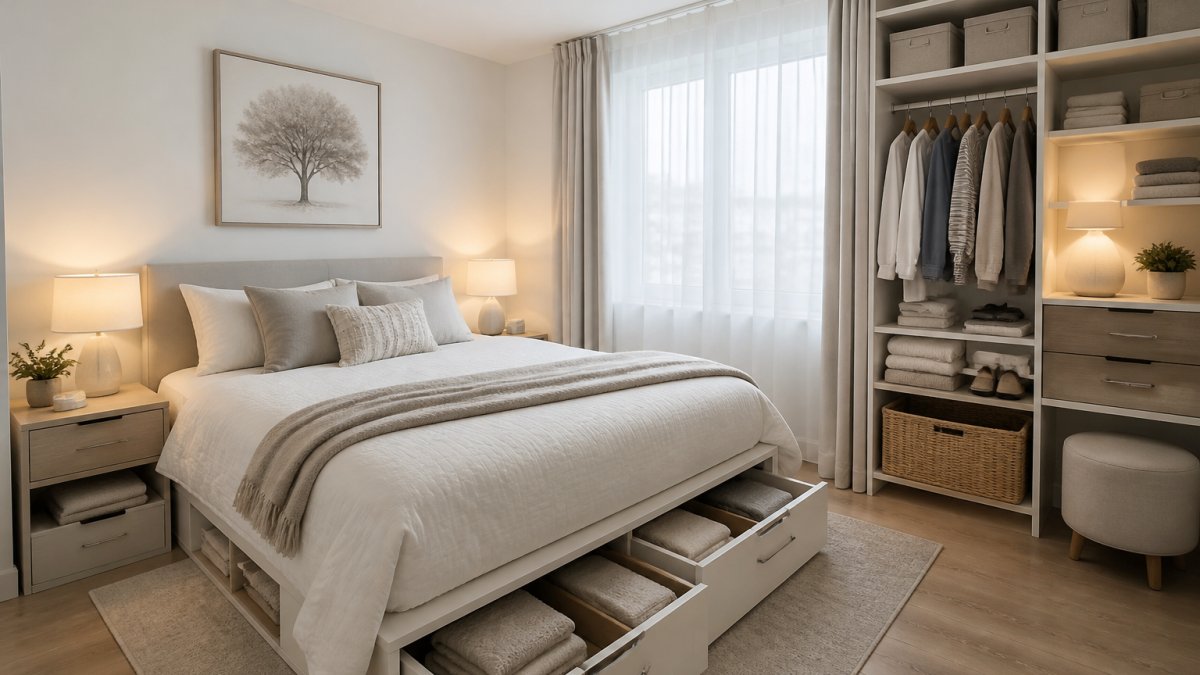
Consider furniture that doubles as storage. Ottomans with hidden compartments, bed frames with built-in drawers, or benches at the foot of the bed provide seating or function while storing items inside. This approach saves space by eliminating the need for separate storage pieces.
The best storage solution is one you’ll actually use. If it’s too complicated to access, you won’t maintain it. Simple, accessible storage beats elaborate systems every time.
Small Bedroom Furniture Layout for Maximum Flow
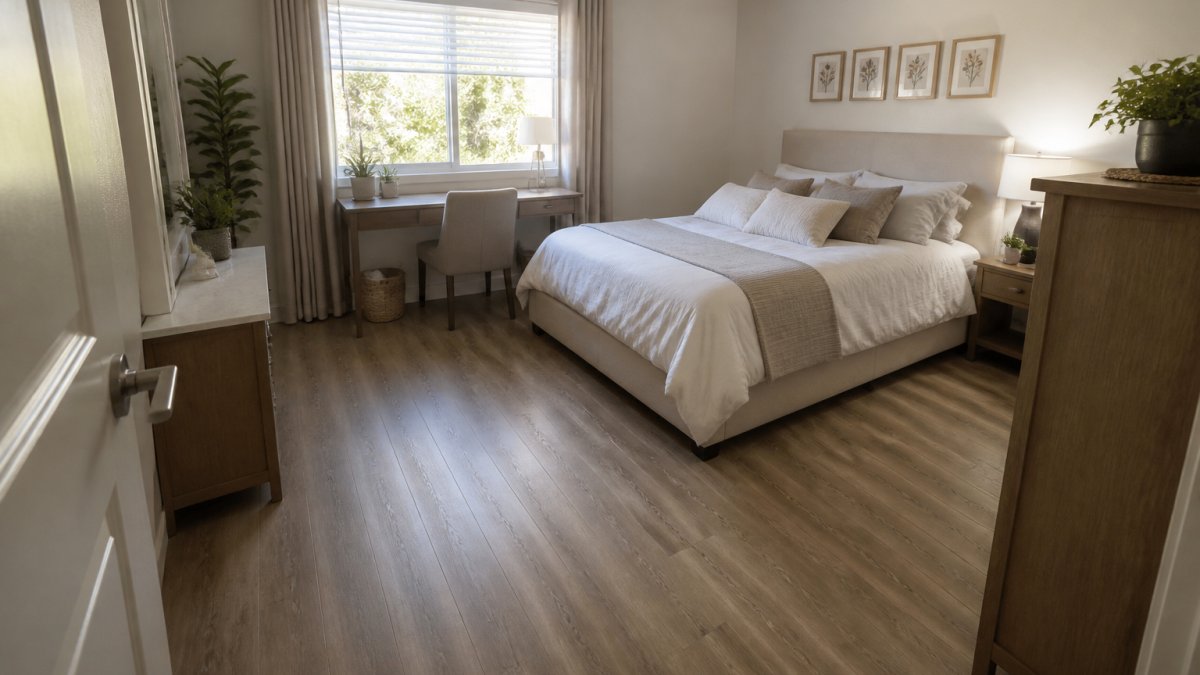
Furniture placement determines whether a small bedroom feels cramped or spacious. The goal is to maximize floor space and create clear pathways. Start by placing your bed against the longest wall, ideally the wall opposite the door. This anchors the room and opens up the rest of the space.
Position your desk or workspace near a window if possible. Natural light improves focus and makes the area feel less confined. If a window isn’t available, ensure good task lighting. Keep the desk compact, a wall-mounted fold-down desk or a narrow table works better than a full-size office desk.
Dressers and nightstands should be minimal. A single narrow nightstand beside the bed takes less space than two full-size ones. A dresser with a smaller footprint works better than a wide, sprawling piece. Vertical dressers are your friend in small rooms.
Keep the center of the room clear. This creates a sense of openness even in a tight space. Avoid pushing every piece against the walls, sometimes floating furniture creates better flow.
Traffic patterns matter. You should be able to walk from the door to the closet to the window without obstacles. If you have to navigate around furniture, the room will feel smaller than it actually is.
Avoid placing the bed directly opposite the door if possible. This blocks sightlines and makes the room feel smaller. If it’s your only option, keep the area in front of the bed clear and uncluttered.
Closet Organization for Small Bedrooms
Your closet is prime real estate in a small bedroom. Organizing it properly means you can store more and find things faster. Start by maximizing vertical space with a double-hanging rod. This instantly doubles your hanging capacity. If your closet has a single rod, a simple rod divider or a second rod installed above the existing one works.
Use slim hangers instead of bulky plastic ones. The difference is remarkable, slim hangers take up roughly half the space. This alone can fit an extra 15-20 items in your closet.
Shelving above the hanging rod stores folded items, bags, or off-season clothing. Use clear bins so you can see what’s inside without opening them. Label each bin with its contents.
Hooks on the inside of closet doors hold scarves, belts, or lightweight jackets. This keeps them visible and accessible while freeing up hanging space for heavier items.
A small dresser or shelving unit inside the closet (if space allows) organizes socks, underwear, and accessories. Drawer dividers keep these items from becoming a tangled mess.
The key to closet organization is visibility. If you can’t see it, you’ll forget you own it. Transparent storage, good lighting, and logical grouping (by type or color) make everything accessible.
Hang heavier items like coats and sweaters in the back and lighter items in front. This creates better weight distribution and makes the closet feel less cramped.
How to Organize a Small Bedroom on a Budget
Effective small bedroom organization doesn’t require expensive storage systems. Many solutions cost little to nothing if you’re creative and strategic about what you buy.
Start with what you already have. Boxes, baskets, and bins from around your home can organize items. Repurpose old containers, jars, or even shoeboxes. Paint them if they don’t match your décor, or tuck them out of sight.
Dollar stores and discount retailers carry affordable storage bins, organizers, and shelving units. A basic plastic storage bin costs a few dollars. Floating shelves from hardware stores run $15-30 per shelf. This is significantly cheaper than custom built-in storage.
DIY solutions work well in small bedrooms. Wall-mounted pegboards organize tools, accessories, or small items. Tension rods in closets create hanging space. Over-the-door hooks and organizers cost under $20.
Second-hand furniture stores and online marketplaces have affordable dressers, shelving units, and storage benches. A used piece often costs a fraction of new and works just as well. Many items just need a quick clean or minor repair.
Vertical storage is cheaper than horizontal storage because it uses existing wall space rather than requiring new furniture pieces. A single tall bookcase costs less than multiple low storage units.
Prioritize spending on items you’ll use daily. Invest in good hangers, quality bins for frequently accessed items, and proper shelving for your closet. Skip decorative storage that doesn’t serve a function.
The budget approach to organizing a small bedroom in Boca Raton is about maximizing what you have before buying anything new.
Vertical Storage and Wall Solutions
Walls are your most underutilized resource in a small bedroom. Every vertical surface offers storage or organizational potential. Wall-mounted shelving creates storage without taking up floor space. Floating shelves look clean and modern while holding books, plants, or decorative items.
Pegboards offer flexible storage for anything with a hole or hook. Accessories, small tools, or frequently used items hang neatly on pegboards. They’re customizable, you can rearrange hooks and holders as your needs change.
Wall-mounted organizers keep items off surfaces. Fabric organizers with multiple pockets hold scarves, belts, or small items. Metal grids with hooks organize bags, hats, or lightweight jackets.
Tension rods between walls create hanging space for clothes, scarves, or bags. They’re invisible when not in use and cost just a few dollars.
Corner space is often wasted. A corner shelf unit or tall narrow bookcase transforms an unused corner into functional storage. This is especially valuable in small bedrooms where every square foot counts.
Hooks on walls hold bags, hats, robes, or lightweight items. A simple row of hooks uses minimal space but stores surprisingly much. Arrange them at varying heights for visual interest.
Wall-mounted desks or fold-down tables create workspace without occupying permanent floor space. These work especially well in small bedrooms where a traditional desk won’t fit.
The principle here is simple: use walls instead of floor space. Vertical storage makes rooms feel larger because it doesn’t consume the square footage you walk on.
Maintain Your Organized Small Bedroom
Organization only works if you maintain it. A system that requires too much effort will fail. Build habits that keep your small bedroom organized without constant struggle.
The “one in, one out” rule prevents clutter from creeping back. When you bring something new into your bedroom, something old leaves. This keeps the total volume of items stable.
A 10-minute daily reset prevents mess from accumulating. Before bed, spend 10 minutes putting things away. Return items to their designated spots. This takes minimal time but prevents chaos.
Seasonal rotations keep your closet and storage relevant. Every three months, swap seasonal clothing. Store off-season items in labeled bins under the bed or in the closet’s upper shelves.
Weekly deep cleaning of one small area prevents the room from becoming overwhelming. Monday might be the closet, Wednesday the desk, Friday under the bed. Breaking it into small tasks makes it manageable.
Clear surfaces daily. A bed with clothes piled on it or a desk buried in items makes the room feel smaller. Spend two minutes clearing surfaces each evening.
Maintenance is easier than the initial organization. Small daily habits prevent the need for major overhauls. Consistency matters more than perfection.
The reason people struggle to organize small bedroom spaces is usually not lack of storage, it’s lack of systems. Once you establish where things go and make it easy to put them away, organization becomes automatic.
Living in a small bedroom in Boca Raton doesn’t mean living in clutter. With thoughtful decluttering, strategic furniture placement, and smart storage solutions, even a compact bedroom becomes comfortable and functional. The key is working with your space rather than against it.
Finding the right living space that supports your lifestyle is just as important as organizing it. At Cynthia Gardens, we understand that small spaces need smart design. Our modern one-bedroom apartments in Boca Raton feature thoughtfully designed layouts with high-end finishes like stainless steel appliances and quartz countertops.
Frequently Asked Questions
What should I declutter first when organizing a small bedroom?
Start with items you don’t use regularly. Remove clothes that no longer fit, duplicate items, and anything broken or outdated. Focus on one category at a time, clothing, books, accessories, so you don’t feel overwhelmed. This creates immediate space and makes the remaining items easier to organize. Be honest about what you actually need and use daily.
How can I add storage to a small bedroom without making it feel crowded?
Use vertical storage solutions like wall shelves, tall bookcases, and wall-mounted organizers rather than floor storage. Under-bed storage containers keep items accessible but hidden. Choose furniture that serves dual purposes, like an ottoman with storage or a bed frame with drawers. Keep storage units in corners or along walls to preserve open floor space and maintain a sense of airiness.
What storage works best in a small apartment bedroom?
Multi-functional furniture is ideal: storage beds, floating shelves, wall-mounted cabinets, and over-the-door organizers maximize limited space. Vacuum-seal bags compress seasonal clothing. Stackable containers and drawer dividers keep items organized within existing furniture. Avoid bulky dressers; instead, use wall space for shelving or install a closet system that uses every inch efficiently.
How can I make a small bedroom feel bigger and less cluttered?
Keep surfaces clear by storing items vertically or in closed containers. Use light colors on walls and bedding to reflect light and create visual space. Mirrors amplify natural light and create the illusion of depth. Remove unnecessary furniture and keep only essential pieces. Good lighting and minimal visual clutter make the room feel open and calm, even if square footage is limited.