
AI-powered leasing tools process highly sensitive tenant data, so treat them as high-privacy systems. The immediate fix is simple: limit the data you share to what’s necessary, insist vendors contractually restrict data use and model training, and keep a human in the loop before any denial goes out.
TL;DR:
- A denial based on a consumer report requires an adverse action notice and accuracy procedures; fair housing rules also govern algorithmic screening.
- Limit staff access by role, encrypt stored and transmitted records, set deletion deadlines, and schedule fairness and privacy tests before complaints arise.
- Before signing, require written limits on data use and model training, deletion and breach timelines, a current subprocessor list, and audit rights.
- Applicants can identify the consumer reporting agency, request the report used in screening, dispute errors promptly, and avoid uploading documents the application does not require.
Table of Contents
- What AI in Leasing Actually Does and the Data It Touches
- Legal and Compliance Baseline: FCRA, Fair Housing, and Enforcement Signals
- Privacy and Security Controls That Reduce Breach and Inference Risk
- Vendor Due Diligence and the Contract Clauses to Insist On
- Practical Steps Renters and Managers Can Take Today
- Cynthia Gardens: An Example of Privacy-Forward, Tech-Enabled Leasing
- Author Perspective: Balancing Speed With Tenant Rights
- Experience Privacy-Forward Leasing at Cynthia Gardens
- FAQ
- Sources
What AI in Leasing Actually Does and the Data It Touches
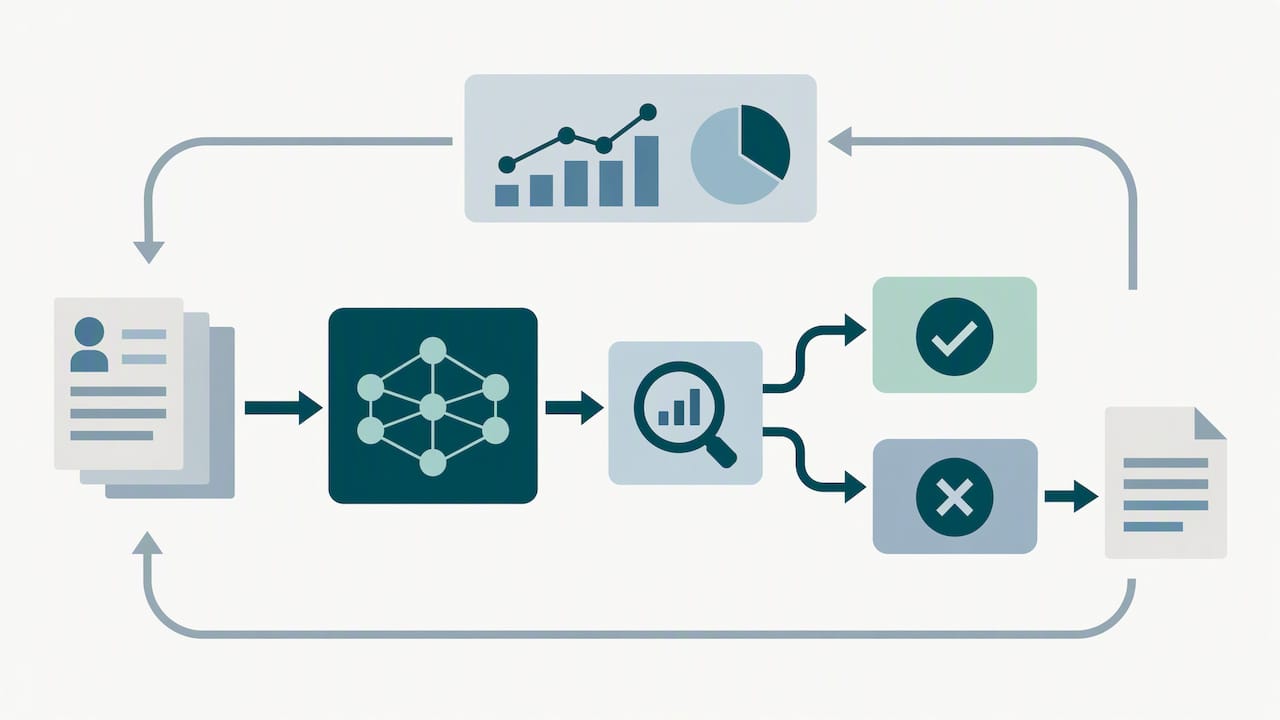
AI now shows up across nearly every step of renting an apartment. Screening platforms score applicants automatically, chat assistants answer prospect questions at 2 a.m., virtual tours replace in-person walkthroughs, and workflow tools route maintenance requests or lease renewals without a human touching them. Each of these systems pulls from a pool of personal data that is far more sensitive than most people realize.
A typical AI-driven screening or leasing stack can aggregate:
- Social Security numbers and government-issued ID scans
- Credit reports, bank statements, and pay stubs
- Eviction history and criminal background records
- Employment verification and income documentation
- Chat logs, voice recordings, and support tickets
The risk is not just that this data could leak. Machine learning models can infer protected characteristics, such as disability, family status, or national origin, from patterns in the data even when nobody asked the model to look for them. That inference is exactly what raises the legal stakes: a system does not need to intentionally discriminate to produce a discriminatory outcome, and regulators treat the outcome, not the intent, as the standard.
Legal and Compliance Baseline: FCRA, Fair Housing, and Enforcement Signals
Two federal frameworks anchor almost every AI leasing privacy question: the Fair Credit Reporting Act (FCRA) and the Fair Housing Act.
Under the FCRA, landlords who use consumer reports, including AI-generated tenant scores built on credit or background data, must provide applicants with an adverse-action notice when a decision relies on that report, and must maintain procedures reasonable enough to assure maximum possible accuracy, according to FTC guidance for landlords. Skipping that notice, or relying on a report you haven’t verified, creates direct legal exposure.
The Fair Housing Act adds a second layer. HUD guidance on tenant screening makes clear the law applies regardless of whether a human or an algorithm made the decision, and recommends that screening tools offer customizability, frequent data updates, and ongoing monitoring to catch discriminatory patterns before they cause harm.
Enforcement is not theoretical. The FTC reached a $2.25 million settlement with RentGrow in July 2026 over allegations that its screening practices failed to meet FCRA and FTC Act accuracy and disclosure obligations.
That $2.25 million penalty shows regulators are willing to pursue screening companies, not just the landlords using them, when accuracy and disclosure rules break down.
What this means in practice:
- Every adverse decision tied to a consumer report needs a documented notice
- Nondiscrimination obligations apply to algorithmic scoring the same way they apply to a human reviewer
- Accuracy and disclosure failures carry real financial penalties, not just reputational risk
Privacy and Security Controls That Reduce Breach and Inference Risk
Strong controls turn a risky AI deployment into a manageable one. Property managers should build these into both internal operations and vendor requirements.
- Restrict access by role. Give AI agents and staff only the data fields they need for their specific task, never blanket access to full applicant files.
- Encrypt data in transit and at rest, and set retention limits so sensitive documents do not sit in storage indefinitely after a lease decision closes.
- Build deletion workflows that actually remove data on schedule, with secure signing processes for lease documents that verify identity without over-collecting personal information.
- Apply privacy-enhancing techniques where feasible, including de-identification and, for larger portfolios, differential privacy, paired with model auditing so decisions can be explained rather than treated as a black box.
- Log and monitor continuously, with an incident response plan ready and periodic fairness and privacy testing built into the calendar, not triggered only after a complaint.
The NIST AI Risk Management Framework frames privacy-enhanced design, provenance tracking, and explainability as core features of trustworthy AI systems, not optional extras layered on later.
Pro Tip: Ask every AI vendor for a written “privacy data map” listing exact fields collected, retention timelines, and whether any of it feeds model training, before signing anything.
Vendor Due Diligence and the Contract Clauses to Insist On
The contract is where privacy protection either holds up or falls apart. Verbal assurances from a sales rep are not protection: commentary on AI vendor contracts from Stanford Law notes that an explicit clause banning the use of customer data for model training is the only enforceable guarantee, and it needs defined audit rights to mean anything.
Before signing with any screening, chat, or leasing-workflow vendor, require:
- An explicit ban on training models with your tenants’ data, or a narrow, auditable exception spelled out in writing
- Purpose limitation language restricting data use to the task it was collected for
- A current subprocessor list, so you know who else touches the data
- Guaranteed deletion timelines and a defined breach notification window
- Audit rights that let you verify compliance rather than take it on faith
During the RFP stage, ask for model descriptions, fairness testing results, how often screening data gets refreshed, and a sample of the adverse-action workflow the tool generates. Tie renewal and payment terms to those same metrics so privacy performance is not just a promise but a condition of the relationship.
Practical Steps Renters and Managers Can Take Today
For renters: ask which company actually acted as the consumer reporting agency on your application, request a copy of the report used, and dispute anything inaccurate immediately rather than assuming it will sort itself out. Our guide on handling a rental application denial walks through that dispute process step by step. Avoid uploading documents beyond what the application actually requires.
For property managers:
- Keep a documented human review step before any denial goes out, never let a score alone trigger a rejection letter.
- Write down your screening criteria so staff apply them consistently, and share that documentation if a dispute arises.
- Require vendors to spell out, in plain language, how data gets updated and deleted over time.
Pro Tip: Draft one short, consistent paragraph for applicant communications explaining what data your screening process uses and who to contact with questions. It cuts disputes and builds trust before problems start.
Cynthia Gardens: An Example of Privacy-Forward, Tech-Enabled Leasing
Our leasing process at Cynthia Gardens pairs convenience with the kind of transparency these controls call for. We publish pricing with no hidden fees, offer AI chat and voice assistance for prospect questions, and use secure, verified e-signing for lease documents rather than open email threads.
- Transparent pricing means applicants know costs upfront, reducing the sensitive financial back-and-forth some leasing flows require
- Virtual tours let prospects evaluate a unit before sharing personal information
- Secure signing workflows verify identity without collecting more than the lease requires
Author Perspective: Balancing Speed With Tenant Rights
Faster leasing is only worth it when it respects the people behind the data. I’d rather see property managers slow down on vendor selection than speed up a process that cuts corners on consent or review. Technology should support good process, not replace it.
— Ayman
Experience Privacy-Forward Leasing at Cynthia Gardens
We built our leasing process around the same principles this guide recommends: clear pricing, secure digital tools, and no surprises about how your information gets used. 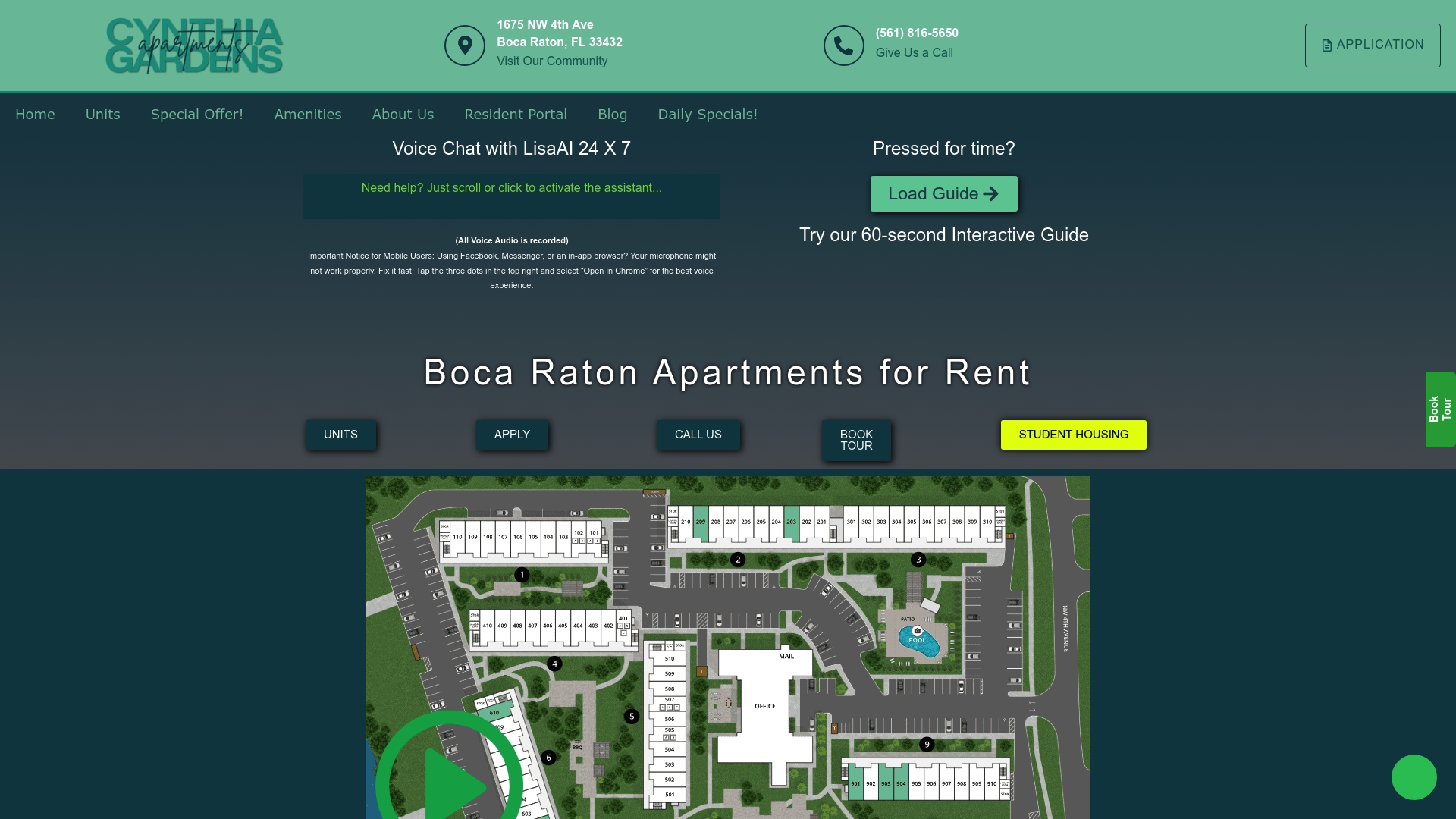
If you’re ready to see it firsthand, browse our one-bedroom apartments or take a virtual tour before you ever share a document.
FAQ
Can I have AI read my lease and ask it questions?
Yes, many leasing tools now include AI chat features that can summarize lease terms or answer general questions about your agreement. Treat these as a convenience layer, not a substitute for reading the actual signed document or asking your property manager to confirm anything you’re unsure about.
Is it possible for AI to collect data without my consent?
Leasing platforms are generally expected to disclose what data they collect and why, particularly when that data feeds a consumer report used for screening decisions. HUD guidance recommends transparency specifically because automated collection can otherwise happen with little visibility for the applicant.
Will AI take over leasing agents?
AI tools are handling more routine tasks like answering prospect questions, scheduling tours, and summarizing documents, but decisions on denials still require documented human review under fair housing and consumer reporting obligations. Leasing agents remain central to judgment calls, disputes, and compliance oversight that automation alone cannot satisfy.
Is AI violating your privacy?
It depends on how the tool is built and used: a system that collects only what it needs, discloses its practices, and limits data use under contract is operating within accepted privacy norms. One that aggregates unnecessary sensitive data or trains models on tenant information without disclosure raises real concerns, which is why vendor contracts and Fair Housing compliance both matter.
What should I check before trusting an AI leasing tool with my information?
Look for clear disclosure of what data is collected, how long it’s kept, and whether a human reviews any decision that affects you, such as a denial. A breach is costly for everyone involved, with the average data breach reaching $4.88 million in 2024, so a provider’s security practices are worth asking about directly.
Sources
- IBM press release: Escalating data-breach disruption pushes costs to new highs
- HUD guidance on screening of applicants for rental housing
- NIST AI Risk Management Framework (AI RMF 1.0)
- FTC: Using consumer reports — what landlords need to know