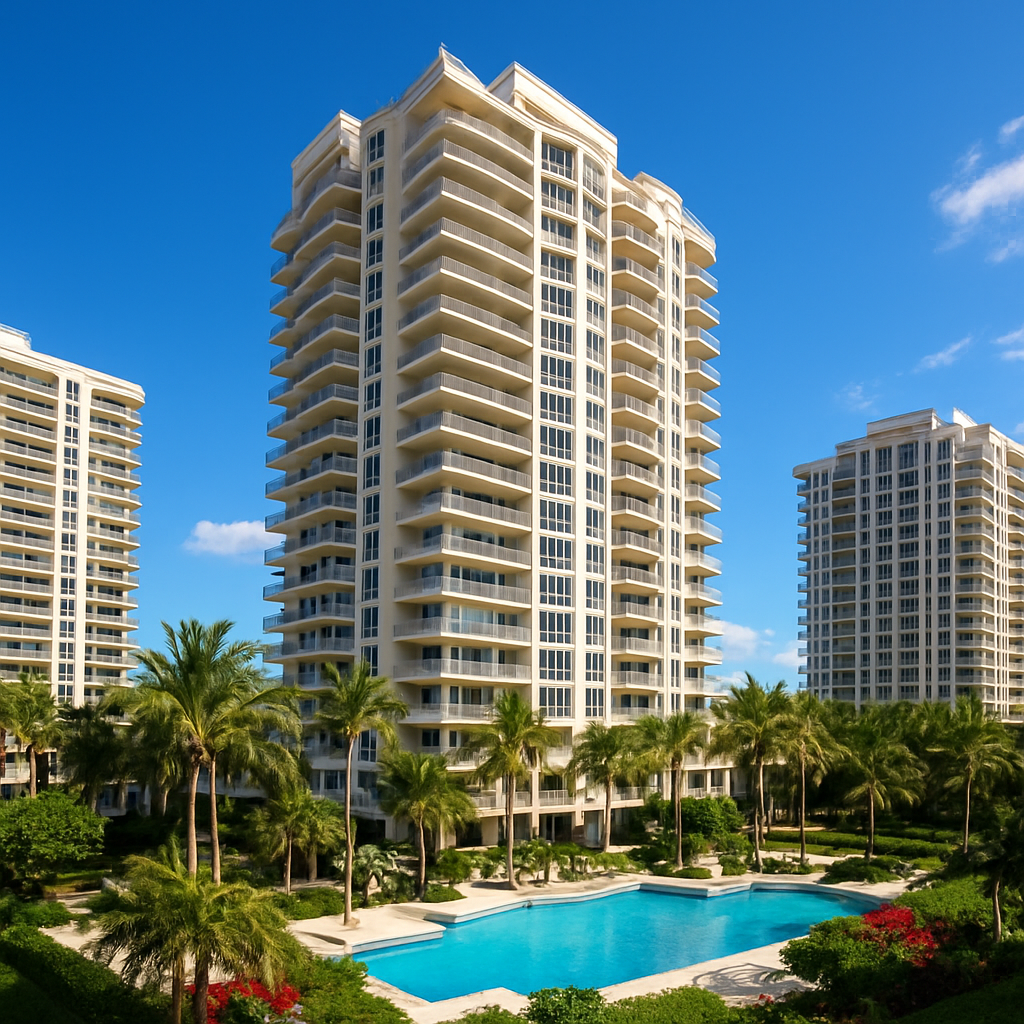
Top-Rated Condo Buildings in Boca: An Inside Look
Where you live in Boca affects commute, monthly cost, and day to day quality of life more than most newcomers realize. This roundup looks at the best condo buildings in boca raton for students and early-career professionals, laying out the tradeoffs between beachfront luxury, downtown convenience, and FAU-area affordability while calling out HOA fees, pet rules, and amenity value. Read on for practical evaluation criteria, a renting versus buying checklist, and a realistic rental alternative if ownership does not fit your budget.
How to judge a condo building for student and young professional life
Key filter: Location plus predictable monthly cost narrow the field fast for students and early career professionals. Prioritize a building that keeps your commute under 20 minutes to FAU or your workplace and that offers clear, stable monthly charges you can budget for without surprises.
What to check first
- Commute and walkability: Walk time to campus, transit stops, grocery, and evening options like Downtown Boca or Mizner Park matters more than an extra amenity floor. Short commutes save time and ride share costs.
- Total monthly cost: Add rent or mortgage, HOA dues, utilities, parking fees, and expected special assessments. HOA dues can change and often explain big price differences between beachfront and inland buildings.
- Pet and guest rules: Many luxury or oceanfront condos restrict dogs by size or breed. If you have a pet, require the HOA pet policy in writing before committing.
- Parking and bike storage: Limited visitor parking or assigned spaces for tandem parking are common tradeoffs near downtown. If you own a car and a bike, verify secure bike storage.
- Security and management: On site management and package rooms reduce friction for busy schedules. A gated entry matters less if the building has controlled lobbies and active staff.
Practical tradeoff: Amenity rich buildings in Boca Raton typically carry higher HOA dues and tougher rental rules. If you prioritize a pool, fitness center, and 24 hour concierge you will likely pay monthly for those services through dues or special assessments that erode rent affordability.
Monthly cost checklist
| Expense | What to verify |
|---|---|
| HOA dues or amenity fees | Recent dues, frequency of increases, and any planned special assessments in board minutes |
| Utilities | Which utilities are included and average monthly bills for similar units |
| Parking | Assigned spots, cost for a second spot, guest rules and enforcement times |
| Insurance and flood risk | Whether the building requires flood insurance and typical owner cost for waterfront units |
Concrete example: A second year FAU student who needs a dog and wants short mornings might choose a mid rise near Palmetto Park Road instead of an oceanfront high rise. That trade reduces commute time, avoids beachfront insurance premiums, and usually keeps HOA dues manageable while preserving access to nightlife near Downtown Boca.
Amenity priorities that actually matter
- Reliable internet infrastructure: Prioritize buildings with documented building wide providers or fiber availability over a designer lobby.
- Laundry options: In unit washer dryer saves trips and time versus shared machines but can raise purchase price for buyers.
- Secure package handling: For students and professionals who order often, an unsecured lobby means missed deliveries and inconvenience.
- Flexible guest policies: Frequent visitors or weekend guests require clear guest parking and short term stay rules to avoid fines.
Judgment call: For most students and early career professionals, predictability beats prestige. A modern inland condo with straightforward rules will usually produce a better day to day experience than a flashy waterfront address that creates recurring financial surprises.
Where renting fits: If pet rules, upfront costs, or HOA uncertainty are blockers, consider a rental option for predictable monthly cost and flexible lease lengths. See practical rental alternatives and neighborhood guidance in Your Complete Guide to Renting in Boca Raton.
Next consideration: When you schedule tours, bring this short checklist and compare two buildings on commute, predictable monthly cost, and pet policy before you evaluate pools or views.
Neighborhood spotlight: East Boca and beachfront condos
East Boca is beachlife first and commuting second. Ocean access, high-end dining along A1A and Palmetto Park Road, and buildings that advertise private beach amenities attract professionals who value lifestyle over bargain rent. For students and early-career workers on tight budgets, that lifestyle comes with tradeoffs that change the math fast.
What matters in East Boca
- Price and recurring charges: beachfront units carry premium purchase prices and higher HOA dues; expect elevated insurance and possible special assessments for seawalls and building envelope work.
- Insurance and flood risk: many oceanfront addresses sit in higher flood zones, which increases owners insurance and may require separate flood policies; renters versus buyers feel this through insurance addenda and building rules.
- Lifestyle versus noise: beachfront views come with tradeoffs — A1A traffic, tourism peaks, and coastal wind-driven corrosion that raises maintenance bills.
- Access and parking: upscale buildings often offer valet and reserved spots but limited guest parking; this influences daily convenience and hosting friends.
Practical insight: If your priority is low, predictable monthly housing costs for study or early-career budgeting, oceanfront ownership is rarely the most efficient choice. The premium you pay for views is not only in mortgage or rent; it shows up as HOA assessments, mandatory insurance, and stricter association rules that can restrict pets, rentals, or renovations.
Concrete example: One Thousand Ocean illustrates the luxury end of East Boca: high-rise oceanfront towers with concierge, private beach access, and full-service amenities that command top-market pricing and correspondingly large HOA contributions. These buildings are excellent for someone who will live in Boca long term and values service and privacy, but they are poor fits for students or short-term renters who need flexibility and predictable monthly costs — renting a nearby apartment often makes more sense. See One Thousand Ocean at One Thousand Ocean.
Use case: A young professional working downtown who values after-work beach time and can absorb higher housing costs should prioritize East Boca condos that minimize street noise and include covered parking. A student or early-career renter who needs a reliable monthly budget and pet-friendly policy should consider inland rentals or Cynthia Gardens as a stable alternative; compare options at Your Complete Guide to Renting in Boca Raton.
East Boca condos deliver lifestyle and views, not bargain utility. Treat ocean access as a feature that increases recurring costs, not a neutral perk.
Neighborhood spotlight: Downtown Boca and Mizner Park area
Direct observation: Downtown Boca is where convenience and nightlife trade square footage for walkability. For students and early career professionals who value short walks to restaurants, coworking, and evening transit, this area often represents the best balance between lifestyle and commute despite higher per-square-foot costs.
What sets Downtown Boca apart
Core attributes: Mid-rise mixed use buildings, ground floor retail, and plazas like Mizner Park and Royal Palm Plaza create a walkable fabric most suburban condo neighborhoods do not. That walkability is the single biggest reason downtown units rank among the best condo buildings in boca raton for young professionals seeking nightlife and short commutes.
- Walkability premium: Expect to pay more per square foot for proximity to Mizner Park and the downtown dining strip.
- Amenity tradeoffs: Buildings often prioritize concierge, rooftop or pocket fitness, and package rooms over large on-site green space.
- Parking and logistics: Limited deeded parking, valet arrangements, and paid guest parking are common; plan for extra monthly parking fees.
- Noise and events: Weekend street events and restaurant terraces raise noise; units on lower floors or facing main streets will feel it.
Practical insight: If you need short, reliable commutes and evening social options, accept smaller unit size or higher HOA dues in exchange for walkability. For investors, downtown demand is strong but many associations impose rental caps or minimum lease lengths that reduce short term rental upside; check rental rules before you buy.
Concrete example: A young professional working downtown may prefer a one bedroom 10 minute walk from Mizner Park even if it is 15 percent smaller than a similar-priced unit inland. That sacrifice often pays back in saved rideshare costs and time, but expect to pay for covered parking or valet and to tolerate louder weekends.
If the priority is nightlife and walkability, Downtown Boca often beats beachfront value for daily convenience. If calm and space matter more, look inland.
On transit and access: Downtown has the best local bus coverage and more scooter and bike options than other parts of the city. For trips beyond Boca, Tri Rail and I 95 access are reasonable, but rush hour driving out of downtown can add 20 30 minutes compared with moving a few blocks inland.
What people misunderstand: Many shoppers assume downtown condos automatically have better resale because of location alone. In practice resale and rental liquidity hinge on unit layout, parking rights, and HOA rules as much as address. A well located unit without a deeded parking spot or with strict rental restrictions will underperform a slightly farther unit that has both.
Further reading and a practical rental alternative: If you want a clearer comparison between renting downtown and leasing a predictable one bedroom with included utilities, see our guide to renting in Boca Raton: Your Complete Guide to Renting in Boca Raton.
Neighborhood spotlight: FAU-adjacent and student-friendly areas
Direct claim: FAU-adjacent neighborhoods are the practical choice for most students and early-career professionals who need short commutes, lower move-in costs, and flexible lease options compared with beach or downtown living.
Why proximity matters: Living within a 10 to 20 minute bike or walk of campus reduces daily friction – less time in traffic, no parking permit scramble, and the ability to take midday classes or labs without losing an entire afternoon. That convenience often offsets a small rent premium near the campus cluster.
Where to focus and what building types you will find
Typical building types: Expect garden style low and mid rise condos, converted duplexes offering shared units, and purpose built apartments that cater to renters. Newly built condos in Boca Raton are less common immediately adjacent to FAU, so most student options are rental buildings or older condo conversions with simpler amenities.
- Walkable blocks: Aim for areas within a 1.5 mile radius of campus for the shortest commute and best transit access.
- Amenity tradeoffs: Buildings near campus often trade fewer bells and whistles for lower rents – expect basic fitness rooms, laundry rooms instead of in unit, and limited guest parking.
- Lease flexibility: Look for furnished short term leases or roommate friendly floorplans if you want to avoid long term financial commitments.
Practical tradeoff: You will sacrifice long term resale upside and waterfront views for convenience. Condo ownership near campus can be attractive to investors but many associations enforce rental caps or require minimum lease lengths that make flipping or short sublets impractical. If your goal is a short stay or semester by semester flexibility, renting an apartment or a managed property is usually the better real choice.
Concrete example: A graduate student who prioritizes labs and evening study sessions might choose a one bedroom rental 0.8 miles from FAU with a 12 month lease, furnished option, and utilities partially included. That setup removes furniture and utility setup as blockers during a busy semester and keeps commuting time under 10 minutes, which matters when classes run late.
- On your checklist for FAU-adjacent tours: Ask about lease minimums, guest and overnight rules, roommate sublet permissions, and whether utilities or internet are included.
- Parking and safety checks: Confirm assigned parking availability, bicycle storage, and evening lighting along your walking route to campus.
- Pet policy reality check: Even student friendly buildings may limit certain breeds or charge monthly pet fees. Verify in writing.
Judgment most people miss: Students often overvalue being precisely next to campus and underestimate the price pressure that creates during term start dates. Being one or two blocks farther with a secure bike or short bus ride can save several hundred dollars per month without a materially worse commute.
Why condo ownership can be more expensive than it looks: fees, insurance, and hurricane risk
Condo purchase price is only the opening line item. Many buyers focus on the mortgage payment and neglect recurring charges that change monthly cash flow and total cost of ownership.
Key cost drivers to budget for beyond mortgage: HOA dues, special assessments, flood and wind insurance, hurricane-proof window or shutter upgrades, and higher utility or parking fees in some buildings. These items are common in Boca Raton and they matter more for waterfront and newer high-rise buildings.
Breakdown – what adds to monthly carrying cost
- HOA dues: Monthly amounts vary wildly. Expect inland or FAU-area buildings to be at the lower end and oceanfront or full-service high-rise buildings to be at the higher end. Typical ranges in the market are roughly $300 to $1,200+ per month depending on amenities and whether utilities are included. See market listings at Realtor for current examples.
- Special assessments: These are not rare. A condo with underfunded reserves can levy a $5,000 to $50,000 assessment for roof, elevator, or facade work. That one-time bill can feel like a tax on ownership and change your effective monthly cost dramatically.
- Insurance and flood risk: Waterfront condos and low-lying properties typically require separate flood insurance plus higher wind coverage. Flood premiums and deductibles depend on FEMA maps and building elevation; budget an extra $100 to $400 per month for exposed units, often more for high-value addresses.
- Hurricane retrofits and windows: Some HOAs mandate impact windows or shutters after storm damage. If the building requires retrofits, owners may face large assessments or a schedule of owner-paid upgrades.
- Parking and amenities fees: Reserved parking, storage lockers, guest parking, and dock slips can carry monthly fees or upfront purchase costs that many buyers forget to include.
Practical insight – predictable versus variable costs. HOA dues are predictable until they are not. Reserve shortfalls, litigation, or storm damage create volatility. If you are early career or a student with tight cash flow, unpredictable assessments are a real affordability risk.
Concrete example: A buyer purchases a downtown one-bedroom listed at $350,000 with a $600 monthly HOA. Lender mortgage payment, taxes, and interest create a base housing cost of about $2,100 per month. Add the $600 HOA plus an expected $150 flood and wind insurance premium and the monthly outlay rises to about $2,850. Then the building announces a $15,000 special assessment for façade repair; amortized over 5 years that is an extra $250 per month. The effective monthly cost jumps to roughly $3,100, a 9 percent increase from the buyer budget.
What to do when you are touring or under contract. Request the HOA budget, reserve study, recent meeting minutes, and the current insurance policy summary. Look for low reserve balances, frequent special assessments in the minutes, or pending litigation. If any of these appear, treat them as negotiation leverage or a reason to walk away.
Next consideration: If your budget is tight or you need certainty for 1 to 3 years, prioritize rentals or buildings with strong reserve studies and stable dues. Paying the purchase price is easy compared to paying surprise assessments or escalating insurance after a hurricane.
Renting instead of buying: Cynthia Gardens as a practical alternative
Direct point: For students and early-career professionals on a limited budget, renting at Cynthia Gardens is a deliberately practical alternative to buying in the market for the best condo buildings in boca raton. You trade equity for predictability, low upfront cost, and fewer surprises from association finances.
What Cynthia Gardens delivers: One-bedroom apartments with included utilities, on-site pool, pet-friendly leases, and a leasing team called Leasa to book tours and answer questions. These features shrink monthly volatility – no HOA dues, no surprise special assessments, and no mandatory condo insurance premiums that spike near waterfront buildings.
Practical tradeoffs to weigh
- Upfront cost: Renting requires security deposit and first months rent – far lower than a condo down payment and closing costs.
- Monthly predictability: Rent with included utilities simplifies budgeting. Owning adds mortgage, HOA, flood or wind insurance, and maintenance variability.
- Flexibility vs equity: Renters keep mobility and avoid maintenance headaches; buyers build equity but accept long-term commitment and market risk.
- Amenities and lifestyle: Cynthia Gardens offers essential renter-focused amenities. If you need resort-style pools, 24-hour concierge, or private beach access common in luxury condos boca raton, ownership or high-end rentals will cost more.
Limitation to accept: Cynthia Gardens will not match the prestige, panoramic ocean views, or high-end concierge services of the top-rated condo buildings in boca raton. If your priority is proximity to Mizner Park nightlife or waterfront living with sweeping Atlantic views, renting there or buying may still be the right move despite higher cost.
Concrete example: A new FAU graduate starting at a healthcare job with a tight monthly budget finds Cynthia Gardens appealing because utilities are included and pets are allowed. In practice that renter avoids an uncertain HOA assessment that would otherwise push an entry-level condo buyer over budget by several hundred dollars a month.
| Monthly rent at Cynthia Gardens | Estimated mortgage + HOA for entry-level Boca condo |
|---|---|
| $1,200 – $1,600 (rent, some utilities included) | $2,000 – $3,000+ (mortgage, HOA, insurance; varies with down payment and unit location) |
Real-world use case: If you need a stable, short-term base while you build credit and decide where to settle, renting at Cynthia Gardens reduces complexity. Use the savings on rent to accumulate a down payment and check condo association documents later when you are ready to buy. For schedule a tour, start with Cynthia Gardens resources such as the Complete Guide to Renting in Boca Raton and let Leasa help with availability.
Renting gives you time to test neighborhoods and commute patterns without the cost and headaches of condo ownership.
Next consideration: Before committing, compare a short list of condos you like on Realtor.com for HOA dues and recent assessments so you know the real cost if you decide to switch from renting to buying.
Tour checklist and exact questions to ask on a condo showing or building visit
Straight to the point: the tour is where you catch what photos and listings hide — petty rules, slow elevators, thin walls, and the real cost of living in one of the best condo buildings in Boca Raton. Treat the visit like an inspection and a negotiation prep session at the same time.
Before you go: documents and quick homework
- Request these documents in advance: most sellers or agents will provide the HOA budget, the most recent reserve study, and board meeting minutes — these show funding levels and upcoming projects.
- Ask for the insurance summary: make sure the building policy and any unit owner responsibility are clear; waterfront or oceanfront buildings raise premiums.
- Check zoning and flood maps: confirm whether the building sits in a flood zone at City of Boca Raton so you can estimate insurance and mitigation costs.
- Confirm rental rules and caps: if you want to rent the unit later, know the percentage of rentals permitted and the application process.
On-site checklist — what to test and observe
- Timing test: ride the elevator at peak times (weekday morning and evening). Long waits are not a minor annoyance; they affect commute reliability.
- Connectivity test: check cell reception and Wi-Fi performance in living area and bedroom — many high-rise buildings have dead zones.
- Plumbing and HVAC: run taps, flush toilets, and set the AC to a low temp; listen for noises and check water pressure.
- Smell and finish: odors, peeling paint, or soft spots near windows suggest water intrusion or poor maintenance — which often precede assessments.
- Balcony and window checks: inspect seals, screens, and railing stability; on oceanfront units, corrosion is a common long-term cost.
- Common areas: look at lobby, mail/package room, gym cleanliness, and pool condition — appearance reflects management discipline.
- Parking and storage: verify assigned spaces, guest parking rules, and availability of storage units or bike racks.
- Security and access: test intercoms, visitor procedures, and key fob behavior after hours.
Exact questions to ask the manager or listing agent (say these verbatim)
- Has the board approved any special assessments in the last five years? If yes, what were they for and how much per unit?
- What is the current reserve percentage and when was the last reserve study completed?
- Are there any pending or planned major capital projects in the next 12–36 months?
- What is the building's rental cap and what is the current rental percentage today?
- Are short-term rentals or platforms like Airbnb allowed?
- What are the monthly average utility costs not covered by the HOA?
- Does the building require owners to carry flood or windstorm insurance separately?
- How does the association handle pest control and mold remediation? Any recent incidents?
- What is the policy on pets, weight limits, breed restrictions, and pet fees?
- Are there deed restrictions or use rules that commonly affect students, roommates, or work-from-home residents?
- How are package deliveries handled and is there a management office onsite during business hours?
- Can I review recent board meeting minutes that mention rule changes, violations, or vendor disputes?
Practical trade-off to watch: luxury amenities like a concierge and resort-style pool reduce friction but raise HOA dues and stricter rules. Smaller, quieter buildings often have lower monthly fees but less on-site service — pick the trade you can afford every month, not the brochure you like.
Concrete example: A graduate student I worked with toured a mid-rise downtown unit and found elevators timed poorly and pockets of cell dead zones in the bedroom. After asking for the reserve study and seeing low reserves, they walked away and chose a pet-friendly one-bedroom rental near FAU with predictable monthly costs instead; the predictable budget mattered more than a nicer lobby.
Ask for documents before the second visit. If the board refuses to share minutes, consider that a red flag about transparency.
Next consideration: before making an offer or signing a lease, compare the building answers to your actual weekday routine — time the elevator, imagine early-morning walks to class or work, and if you need a quick rental comparison use the Cynthia Gardens rental guide at Your Complete Guide to Renting in Boca Raton.
Decision framework: matching your budget and lifestyle to the right condo or rental
Straight rule: pick the housing option that controls your largest monthly cost and removes the most risk for your stage of life. For students and early-career professionals that usually means prioritizing predictable monthly cash flow and proximity to work or campus over headline amenities found in the best condo buildings in boca raton.
A compact decision matrix you can use now
| Primary factor | Signal to Rent | Signal to Buy (Condo) |
|---|---|---|
| Monthly housing budget | Budget under $1,800 — look for unfurnished rentals or Cynthia Gardens-style one-bedrooms with utilities included | Comfortably cover mortgage + HOA + 6 months savings; often requires $2,500+ depending on area |
| Time horizon | Planned stay under 3 years — renting wins for flexibility | Intend to stay 5+ years and can handle maintenance and HOA governance |
| Commute priority | If you need walking distance to FAU or downtown, rent to test neighborhood before buying | If commute is stable and you value long-term neighborhood attachment, buying can hedge future rent inflation |
| Pet needs | Pets important now — choose pet-friendly rentals to avoid HOA restrictions or fees | If HOA allows pets without heavy restrictions, buying may work; many luxury condos limit large breeds |
| Tolerance for association risk | Low tolerance — renting avoids special assessments and reserve shortfalls | High tolerance and willingness to review HOA financials — you can buy but must dig into reserve studies |
Practical trade-off: buying converts a portion of your monthly payment into equity but transfers variability to you via HOA dues, assessments, and insurance. Renting keeps costs predictable but means no equity and potential annual rent increases.
Concrete example: A young nurse with a $2,400 monthly housing budget who needs a 20-minute commute to downtown Boca is usually better off renting a downtown mid-rise or Cynthia Gardens-style apartment that keeps utilities predictable and offers on-site management. Conversely, a professional earning more, planning to stay 7+ years, and willing to review HOA reserves could consider a Boca Raton high-rise condo near Mizner Park — accepting higher HOA dues for walkable convenience and building amenities.
- Quick check before you decide: Request the HOA budget and reserve study when considering a purchase; if reserves cover under 50% of recommended levels, treat that as a red flag.
- Neighborhood fit matters more than amenities: A building with a great pool but an hour commute defeats the purpose for most students and early-career professionals.
- Pet reality check: Luxury condos and oceanfront buildings often have strict pet policies; if a dog matters now, verify the policy in writing or choose a pet-friendly rental.
If you cannot cover a 2–3 month rent buffer plus initial move-in costs without strain, renting first is the safer move.
Judgment you won't hear often: many buyers overpay for amenity-heavy, oceanfront prestige thinking it will appreciate quickly. In practice, location and building financial health drive long-term value—so prioritize commute, HOA stability, and realistic budget over shine. Next consideration: pick a timeline for actions — 2 weeks to tour, 2 weeks to review documents, 30–60 days to decide — and stick to it.