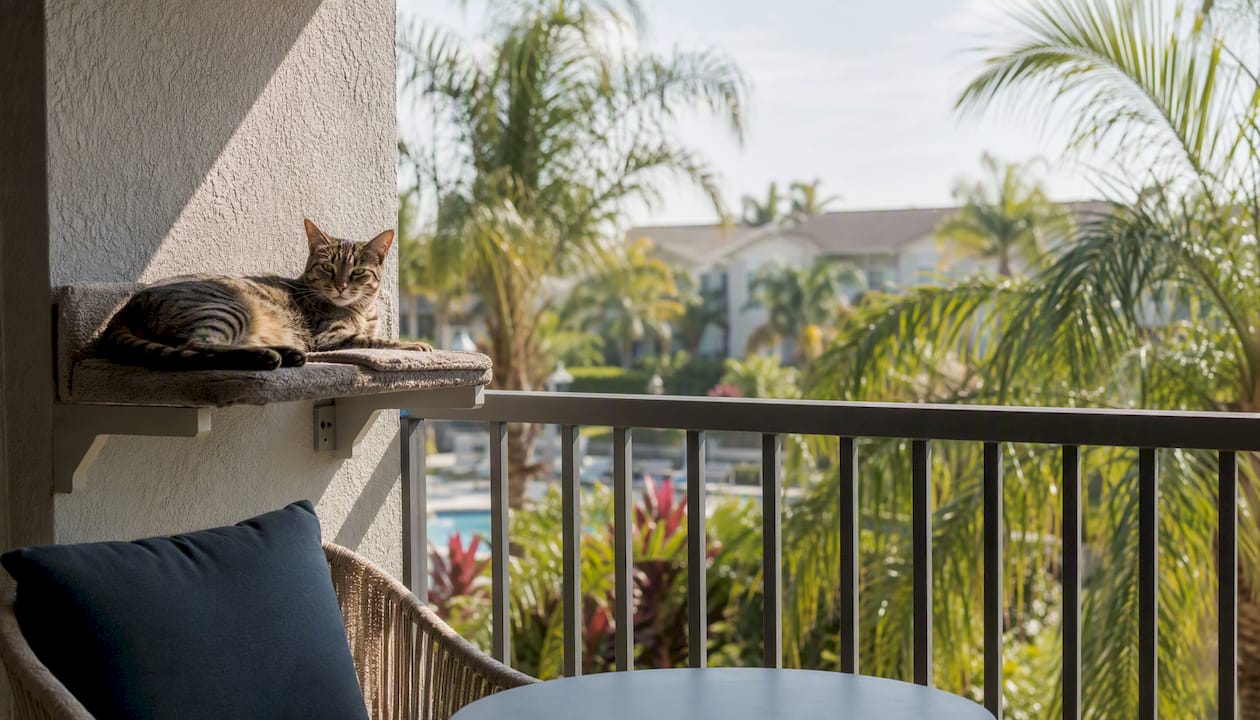
The best cat-friendly apartments offer dedicated relief areas, indoor climbing shelves and window perches, screened or enclosed balconies (catios), cat washing stations, easy-clean hard-surface flooring, waste-bag stations in common areas, and on-site or partnered grooming and vet services. These are the concrete examples of cat amenities worth asking about before you sign anything.
Unit-level amenities to look for:
- Window perches and built-in high shelves
- Screened or enclosed balcony (catio)
- Easy-clean flooring (tile, LVP, sealed concrete)
- Dedicated litter-room nook or utility closet with ventilation
- In-unit grooming sink or utility hookup
Building/community-level amenities to look for:
- Designated cat relief area with regular maintenance
- Stocked waste-bag stations throughout common areas
- Indoor cat play zone or enrichment lounge
- On-site or partnered grooming and veterinary services
- Adoption events and pet-programming partnerships
Pet-friendly housing attracts and retains residents precisely because pets are central to many renters’ housing decisions. According to the LA County pet-housing guidebook, restrictions on pets have been directly linked to higher shelter surrenders in some jurisdictions, which means the stakes of getting this right go beyond convenience.
Key Takeaways
The most important step a cat-owning renter can take is to request the pet-policy addendum and a written amenity map before submitting any application.
| Point | Details |
|---|---|
| Prioritize unit-level features | Window perches, catios, and easy-clean flooring deliver more daily value than shared community spaces. |
| Require written policy terms | Get the pet deposit, fee, and pet-rent amounts in writing before you apply. |
| Verify service delivery on tour | Check waste stations, ask for vendor names, and photograph all cat-specific features during your visit. |
| Use HUD guidance as a benchmark | HUD §§5.315 and 5.318 define reasonable pet rules; use that standard to evaluate any policy you are handed. |
| Cynthiagardens publishes its terms | Transparent pet fees and virtual tours let cat owners verify amenities and costs before committing. |
Table of Contents
- What to check on your apartment tour for cat amenities
- A detailed look at common cat-friendly facilities
- What pet policies actually say and what to require in writing
- How to verify amenity claims and what documents to collect
- How Cynthiagardens implements cat-friendly features
- Why cat-friendly amenities matter more than most landlords admit
- Cynthiagardens makes it easy to find and tour cat-friendly units
- Sources
What to check on your apartment tour for cat amenities
A listing that says “pet-friendly” can mean almost anything. Here is how to verify it in person.
Numbered tour checklist:
- Walk to every relief area on the property map. Check for fresh bags in the dispenser, a clean receptacle, and no strong odor buildup.
- Test balcony screens by pressing firmly at the corners. A screen that flexes or gaps is a safety hazard for cats.
- Count waste stations relative to the number of units. One station per 50–75 pet-owning units is the credible minimum for a well-maintained property.
- Inspect flooring and baseboards in the unit for scratch resistance and ease of cleaning.
- Check closets and utility areas for space to place a litter box with ventilation nearby.
- Ask the leasing agent to show you the nearest grooming or vet partner on a map.
Questions to ask leasing:
- “How often are waste stations serviced, and who is the vendor?”
- “What is the pet deposit, and is any portion refundable?”
- “Can I install a catio or additional balcony screening, and who covers removal costs?”
- “What happens if a pet causes damage beyond the deposit?”
Red flags: Empty bag dispensers, a single waste station near the leasing office only, and vague answers about pet fees or enforcement are all signs the amenity exists on paper but not in practice.
Pro Tip: Request a written amenity map and a copy of the pet-policy addendum during the tour. If leasing cannot produce either on the spot, ask for them in writing before you apply.
A detailed look at common cat-friendly facilities
Unit-level features
Window perches and high shelves give cats vertical territory, which reduces stress and destructive behavior. Fixed wall-mounted shelves rated for at least 25 lbs. are more durable than adhesive options.
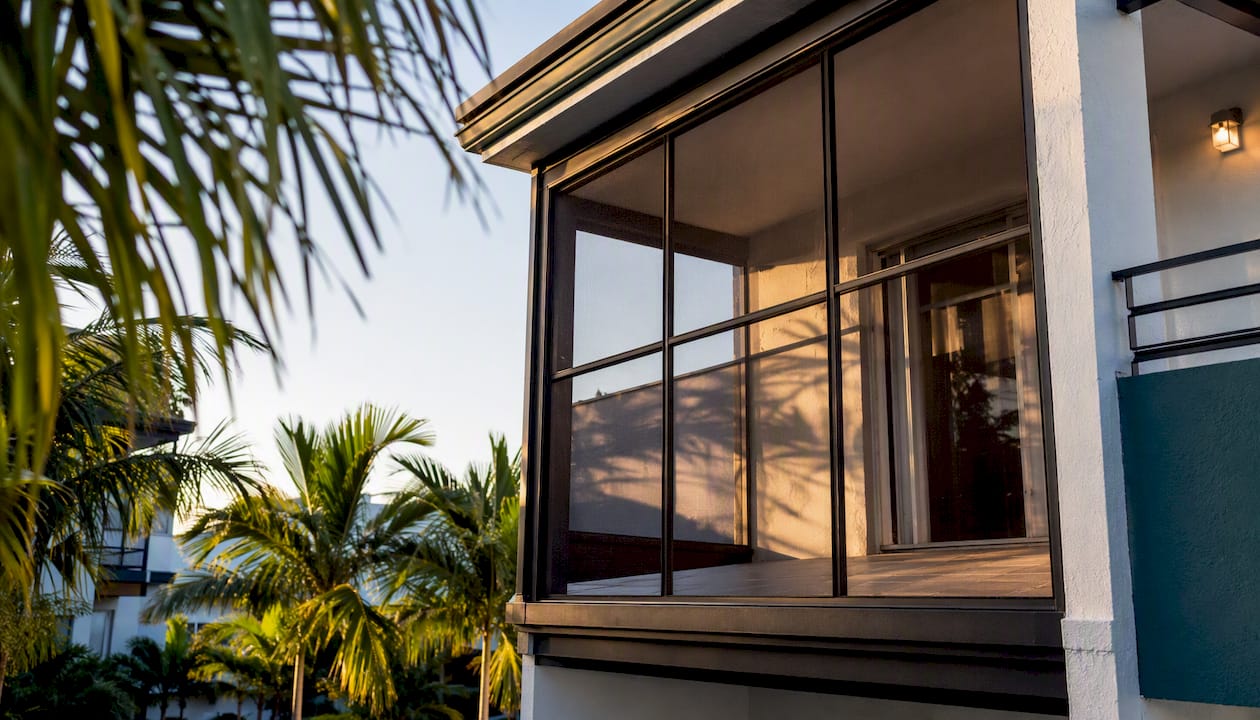
Screened or enclosed balconies (catios) are the single most-requested cat amenity among renters, according to Parcel Pending’s research on pet-owner housing priorities. A proper catio uses 16-gauge or heavier mesh with no gaps wider than one inch. Ask whether the property allows tenant-installed screening and who removes it at move-out.
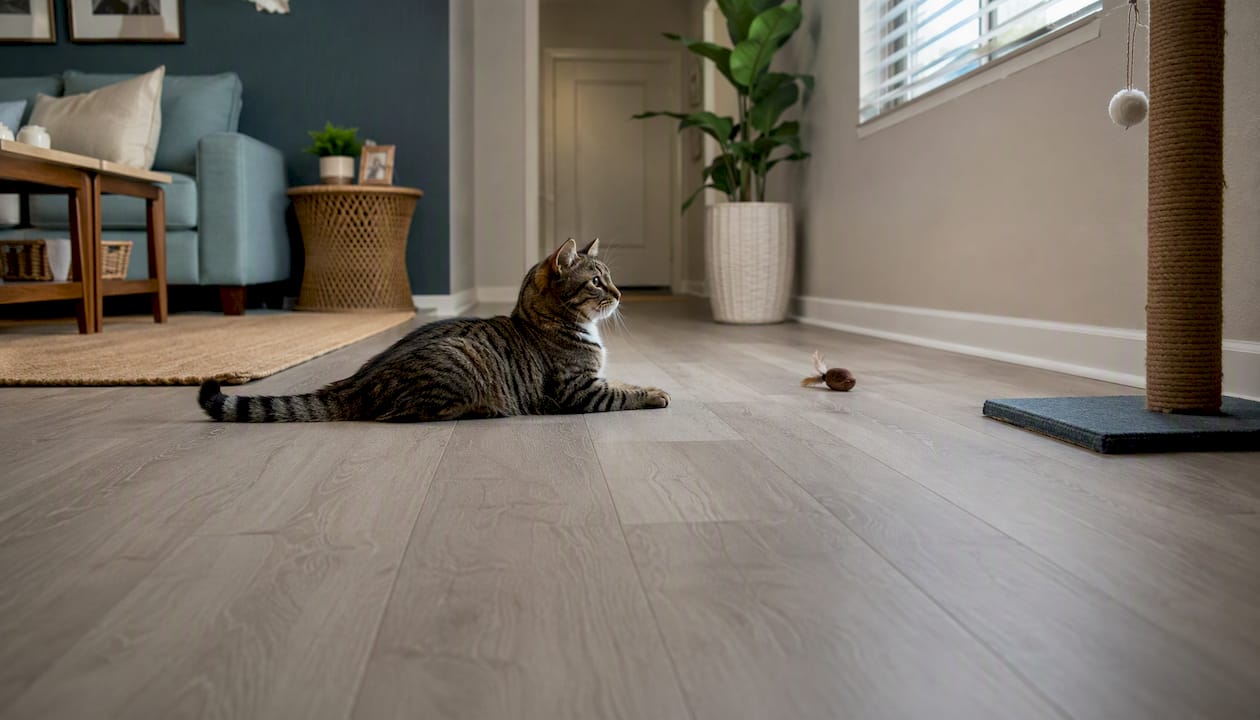
Easy-clean flooring matters more than most renters realize. Tile, luxury vinyl plank (LVP), and sealed concrete all resist odor absorption and claw scoring better than carpet. Washable painted baseboards are a small detail that signals a property was designed with pets in mind.
Dedicated litter-room nooks or utility closets with a ventilation duct nearby solve the odor problem that makes cat ownership contentious in apartment buildings. Without airflow, odor migrates into hallways.
In-unit grooming sinks or utility hookups require a floor drain and a hot/cold supply line. They are rare but worth asking about, especially in newer construction.
Building and community features
| Amenity | What to verify | Credible standard |
|---|---|---|
| Waste-bag stations | Vendor name, service frequency | 1 station per 50–75 pet-owning units |
| Cat play room / lounge | Cleaning schedule, supervision policy | Weekly deep clean minimum |
| Grooming/vet partnership | Partner name, distance, discount offered | Named partner within 1 mile |
| Relief area | Surface type, drainage, lighting | Separate from dog areas; lit at night |
Properties that tie pet rent to a documented service contract have fewer maintenance complaints, per CopsonDoody’s amenity checklist analysis. Installation without operational accountability is the most common failure mode in pet-friendly listings.
Pro Tip: Small, well-maintained cat-specific features — a window perch, a catio, washable surfaces — often deliver more owner satisfaction than expensive, underused community spaces. Prioritize quality of delivery over quantity of amenities listed.
For broader amenity design trends, pet-friendly short-term rental investment guides offer useful context on which features drive the highest resident satisfaction across property types.
What pet policies actually say and what to require in writing
Pet policies in apartment communities range from a simple “cats allowed” clause to detailed addenda covering breed rules, number limits, weight caps, deposits, fees, and insurance. Know what each term means before you sign.
Must-read pet-policy checklist:
- Allowed animal types (cats specifically named, not just “small pets”)
- Number of pets permitted per unit
- Weight or size restrictions (many apply to dogs; confirm cats are exempt or covered)
- Refundable security deposit vs. nonrefundable pet fee (these are different charges)
- Monthly pet rent (separate from base rent)
- Renter’s insurance requirement, including pet liability coverage
- Vaccination and licensing documentation required at move-in
Sample language to request in writing:
HUD regulations at 24 CFR §§5.315 and 5.318 require that pet rules in HUD-assisted housing be reasonable and narrowly drawn to legitimate owner interests. Project owners and PHAs may set deposit limits, density caps, and type or size restrictions within those bounds. For market-rate housing, state law governs deposit caps, so confirm your state’s rules before signing.
Clear, written pet policies and published fee structures reduce disputes and help property managers attract and retain pet-owning residents. If a leasing office cannot hand you a written pet-policy addendum, treat that as a red flag equal to an empty waste-bag dispenser.
How to verify amenity claims and what documents to collect
Listings can overstate. Here is a step-by-step verification process before you apply.
- Request the property’s amenity map in writing and confirm cat-specific features are labeled.
- Ask for the name and contact of the waste-station service vendor.
- Request a copy of the pet-policy addendum before submitting an application.
- Ask when the pet areas were last serviced and whether a vendor report is available.
- Photograph unit features during the tour: screens, perches, flooring, utility closets.
Documents to prepare before applying:
- Current vet records and vaccination certificates
- Pet license receipt (if your city requires one)
- Renter’s insurance certificate with pet liability coverage
- A brief pet profile letter if the property requests one
Timeline: Pet approval can happen the same day at smaller communities or take 2–4 weeks at larger ones that require insurance verification and documentation review. Factors that slow approvals include missing vet records, lapsed vaccinations, and insurance policies that exclude pet liability.
Pro Tip: Ask leasing for a written service commitment — not just a verbal promise — that waste stations are stocked and relief areas are cleaned on a set schedule. Properties that resist putting this in writing rarely deliver it consistently.
For a practical decision framework, how to choose the best apartment for your cat walks through the full renter checklist in detail.
How Cynthiagardens implements cat-friendly features
Cynthiagardens, a one-bedroom apartment community in Boca Raton, Florida, puts several of these features into practice rather than just listing them.
What Cynthiagardens offers cat owners:
- Unit configurations with window placement suited for perch installation
- Enclosed balcony options that support catio screening
- Hard-surface flooring throughout units for easy cleaning
- Vetted local grooming and veterinary partners
- Transparent, published pet-fee structure with no hidden charges
- Virtual tours that show unit-level features before you visit in person
Pet deposit and fee details are published openly on the community’s pet-friendly living page, so you can compare costs before scheduling a tour. The pet deposit rules guide explains exactly what is refundable and what is not.
Pro Tip: Use Cynthiagardens’ interactive property map and AI chat during your virtual tour to ask specific questions about cat features in individual units. You will get faster, more specific answers than a general leasing inquiry.
Why cat-friendly amenities matter more than most landlords admit
The connection between pet-friendly housing and resident retention is well-documented. The LA County pet-housing guidebook links housing restrictions on pets to higher shelter surrenders, which means a community that invests in cat amenities is also reducing a measurable social harm. For renters, that translates to a simpler reality: a property that has thought through cat welfare has also thought through resident experience.
The conventional wisdom is that community-level amenities like cat lounges or play rooms are the headline feature. The evidence points the other way. Well-maintained unit-level features — a solid catio screen, washable floors, a ventilated litter nook — drive daily satisfaction far more than a shared cat room that gets cleaned twice a month. Ask about the small things. They tell you more about how a property is actually run than any amenity list does.
For renters negotiating a lease, this is leverage: if a property advertises cat amenities, ask for a written service commitment tied to those amenities as a condition of signing. Properties that deliver on their promises will agree without hesitation.
Cynthiagardens makes it easy to find and tour cat-friendly units
Cat owners who have done the research deserve a leasing process that matches. Cynthiagardens offers virtual tours that let you inspect unit features — flooring, balcony configuration, window placement — before you set foot on the property. Pet fees are published, not quoted on request, so you can budget accurately from day one.
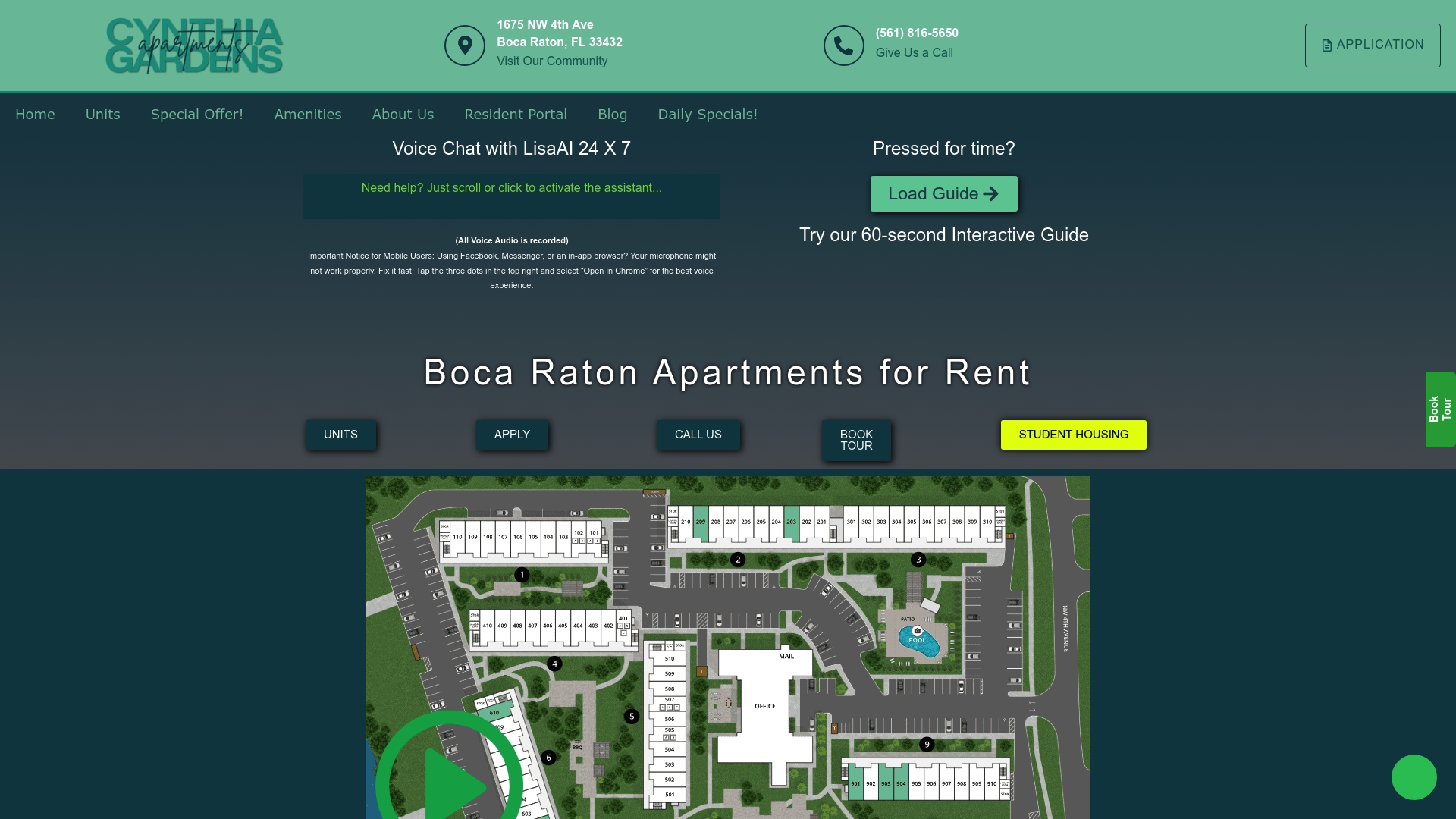
Schedule a virtual or in-person tour of Cynthiagardens’ pet-friendly Boca Raton units and ask the leasing team directly about cat-specific features in available apartments. The AI chat on the site can answer pet-policy questions in real time, any time.
Sources
- CFR-2025-title24-vol1-sec5-315 (HUD pet-rule guidance)
- The Ultimate Pet-Friendly Amenity Design Checklist – CopsonDoody
- Pet Rules for Apartments: Policies to Attract & Retain Tenants | Parcel Pending
- Pet Policy For Renters: Best Practices for Property Managers
- Implementing Pet-Friendly Policies in Residential Multi-unit Rental Housing (LA County guidebook)