
Table of Contents
- The Rising Cost of Living in Boca Raton
- Homeowners Insurance Crisis and Rising Premiums
- Housing Market Volatility and Real Estate Appreciation
- Infrastructure Strain and Urban Sprawl
- Population Boom and Loss of Community Character
- Post-Pandemic Buyer’s Remorse and Economic Displacement
- Why Some Residents Choose to Stay
- Conclusion
Last Updated: August 13, 2026
The Rising Cost of Living in Boca Raton
Housing expenses, property taxes, and everyday costs in Boca Raton have climbed steadily, making it increasingly difficult for residents, especially younger professionals and families on moderate incomes, to sustain their lifestyle. Property taxes run substantially higher than comparable communities nationwide, and homeowners insurance premiums have skyrocketed, often pushing monthly housing burdens beyond what residents would pay elsewhere. Renters face similar pressures as landlords pass rising operating costs directly to tenants.
Groceries, utilities, and transportation costs compound the affordability challenge. A family that lived comfortably on a specific income five years ago may now find that same income stretched too thin, particularly affecting service workers, educators, and other essential professionals whose salaries haven’t kept pace with local inflation.
Many residents report that housing costs alone consume 40-50% of household income, leaving limited resources for savings, emergencies, or quality-of-life spending. This unsustainable ratio is pushing families to [explore more affordable markets elsewhere](/moving-checklist-for-singles/).
The pattern is predictable: residents build equity, refinance or sell, and relocate to areas where that equity stretches further. Young professionals are choosing to establish themselves in lower-cost metros where they can afford down payments and build wealth faster.
Homeowners Insurance Crisis and Rising Premiums
The homeowners insurance crisis in Florida has become one of the most compelling reasons residents are moving out of Boca Raton. Premiums have doubled, tripled, and in some cases quadrupled over the past few years, fundamentally changing the economics of homeownership.
Florida’s insurance market has contracted dramatically as major insurers have exited the state, leaving fewer options and less competition. For someone with a $500,000 home, annual insurance premiums can now exceed $5,000-$8,000 or more depending on property age, condition, and coastal proximity. Combined with mortgage payments, property taxes, and maintenance costs, the total housing expense becomes untenable for many families.
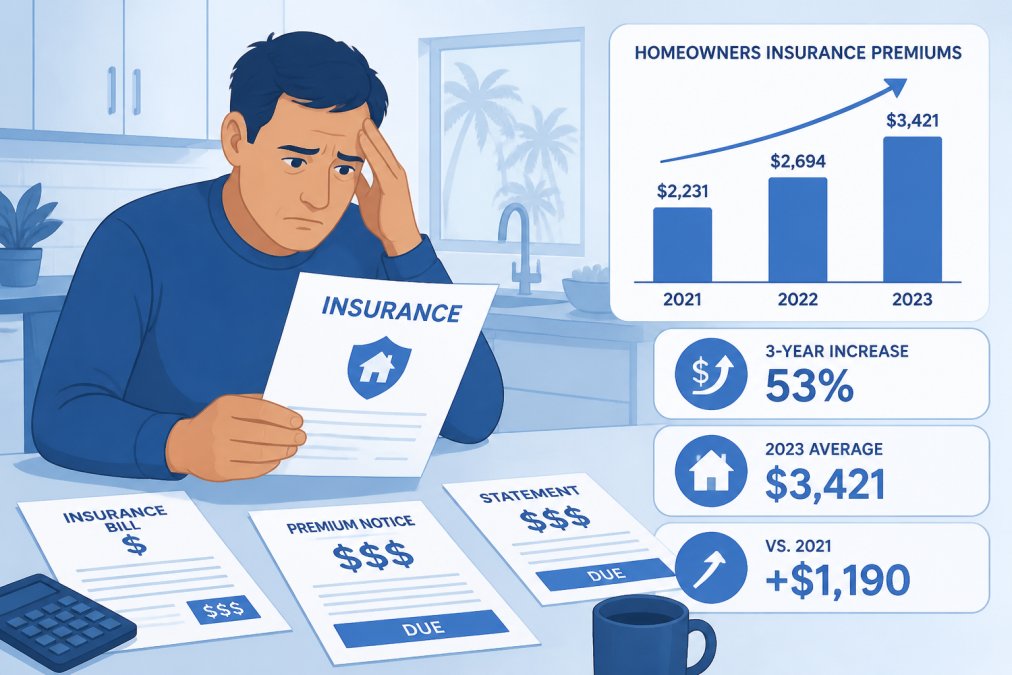
The homeowners insurance crisis isn’t just a cost issue, it’s an uncertainty issue. Residents can’t predict what their insurance will cost next year, making long-term financial planning nearly impossible. This unpredictability alone drives many to sell and relocate to states with more stable insurance markets.
Renters aren’t immune. Landlords pass insurance costs along through higher rents, with units that cost $1,800 per month two years ago now running $2,200 or more. This cascading effect pushes renters out as well, particularly those already struggling with affordability. The insurance renewal notice often becomes the tipping point that prompts the move.
Housing Market Volatility and Real Estate Appreciation
Real estate appreciation in Boca Raton has been steep, creating both opportunities and pressures that drive residents away. Home values have appreciated so rapidly that property taxes and insurance assessments have followed suit. A homeowner who bought for $400,000 five years ago may now see it valued at $650,000 or higher, with corresponding tax increases and insurance reassessments making the property increasingly expensive to own.
This appreciation has also fundamentally changed neighborhood dynamics. Investors and developers see Boca Raton as lucrative, leading to rapid development and the replacement of modest single-family homes with larger, more expensive properties. Long-time residents watch their neighborhoods transform, often losing the community character they originally valued.
Market volatility creates additional pressure. Some residents who bought during the pandemic boom now find themselves underwater or barely breaking even if they need to sell. Others are locked into mortgages at rates far below current market conditions, making relocation financially painful.
If you’re considering selling in Boca Raton’s current market, timing matters enormously. Working with a local real estate professional who understands specific micromarkets can help you navigate the volatility and make an informed decision about whether staying or [relocating makes financial sense](/apartment-moving-tips/).
The real estate appreciation that once seemed like a blessing has become a curse for many residents. Those who can sell at a profit are relocating to areas where that capital buys more space, more affordable ongoing costs, and more financial breathing room.
Infrastructure Strain and Urban Sprawl
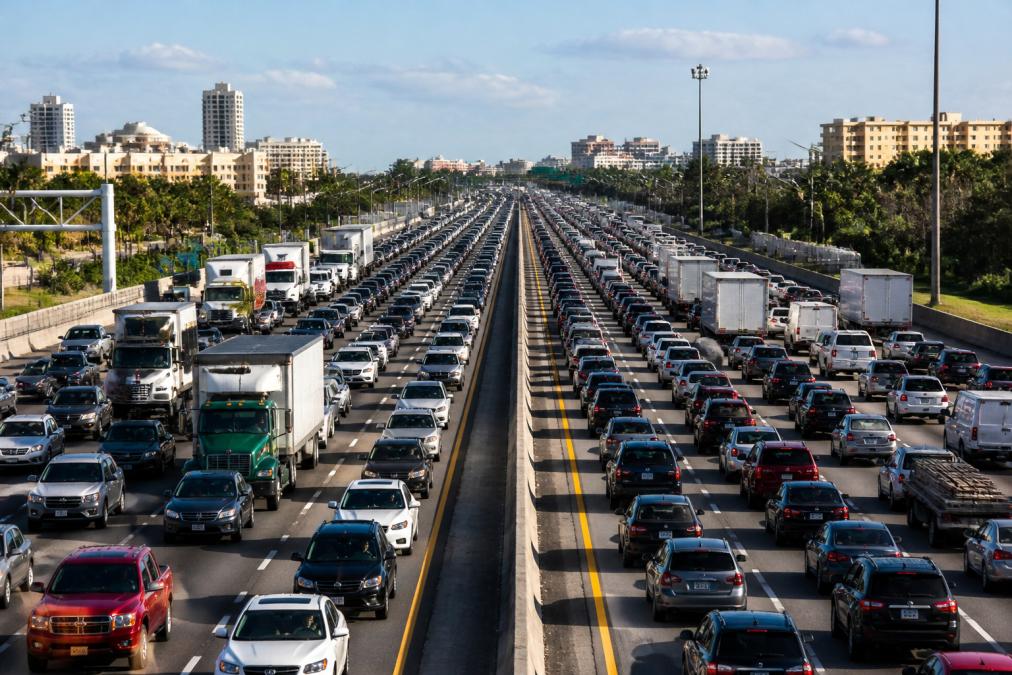
Infrastructure in Boca Raton is struggling to keep pace with rapid population growth and development. Roads that were adequate five years ago are now chronically congested, and public services, water, sewage, schools, emergency response, are stretched thin.
Commute times have become intolerable for many residents. Traffic on I-95 and major surface streets during peak hours can turn a 20-minute drive into a 45-minute ordeal. For professionals commuting to Miami or other job centers, this daily grind erodes quality of life significantly through stress, wasted time, and vehicle wear-and-tear.
Water and utility infrastructure shows signs of strain, with some areas experiencing periodic water pressure issues. Public schools are experiencing overcrowding, which concerns families with children. Class sizes are larger and resources stretched, pushing families who prioritize education to seek alternatives.
Urban sprawl has fundamentally altered Boca Raton’s character. What was once a manageable community has become a sprawling metropolitan area where everything takes longer and requires driving through traffic. This loss of walkability and community cohesion drives residents seeking a slower pace to explore alternatives.
Population Boom and Loss of Community Character
The population boom in Boca Raton has been dramatic and disruptive. Neighborhoods that once had consistent identity and tight-knit feel are being transformed with high-rise condominiums and dense apartment complexes. Established single-family home communities are being redeveloped, and the informal networks binding neighborhoods together are disrupted.
Long-time residents report a sense of displacement even though they haven’t moved. Local restaurants, shops, and gathering spots are replaced by chain establishments and corporate developments. The slower pace of life that attracted them to Boca Raton has been replaced by frenetic metropolitan energy.
This demographic shift creates a transient population. New arrivals often stay for a few years before moving on, undermining community stability and shared investment in the neighborhood’s future. Schools, parks, and public services struggle with rapid influx, and the sense of spaciousness and access to quality public amenities diminishes.
The population boom in Boca Raton has created a paradox: the area is more desirable than ever to newcomers, but increasingly undesirable to those who remember what it was like before the boom. This mismatch is a powerful driver of outmigration.
For residents who value community, predictability, and belonging, the rapid transformation has become unbearable. They’re relocating to smaller, more stable communities where they can rebuild the sense of place they’ve lost.
Post-Pandemic Buyer’s Remorse and Economic Displacement
The pandemic created unusual conditions in real estate markets, and Boca Raton was no exception. Many residents made rapid purchase decisions during the pandemic boom at inflated prices, and now experience significant buyer’s remorse. Some are underwater on mortgages or locked in rates that feel expensive compared to actual income.
Economic displacement is also occurring as property values and rents have climbed. Residents who were comfortably middle-class are finding themselves priced out by wealthier newcomers and investors. Service workers, teachers, healthcare professionals, and other essential workers are increasingly unable to afford housing in Boca Raton. Young people who grew up in the area are forced to relocate, breaking family and community ties.
The pandemic also accelerated remote work adoption, removing the geographic constraint that kept many professionals in Boca Raton. Those who could work from anywhere realized they could maintain income while relocating to lower-cost areas with better quality of life. This flexibility has been a major driver of outmigration, particularly among younger professionals and digital workers.
Why Some Residents Choose to Stay
Despite significant pressures pushing people out, some residents remain committed to Boca Raton. Proximity to family and established social networks is a powerful anchor. Residents with deep roots, children in local schools, aging parents nearby, and long-standing friendships often weigh these connections more heavily than cost considerations.
The climate and outdoor lifestyle appeal to many residents, particularly retirees who prioritize year-round warm weather and beach access. For these individuals, the ability to enjoy outdoor activities 365 days a year outweighs financial pressures.
Professional opportunities also keep some residents anchored. Boca Raton has a strong job market in finance, healthcare, technology, and other sectors. Professionals with specialized skills or established careers may find that local opportunities outweigh cost pressures.
Some residents have achieved financial security that allows them to weather cost increases without disruption. Those who bought decades ago at much lower prices, paid off mortgages, or accumulated significant wealth can absorb rising insurance and tax costs without urgency to relocate.
Communities like Cynthia Gardens appeal to residents seeking maintenance-free living that addresses frustrations driving others away. Modern apartments with high-end finishes, resort-style amenities, and garden-style community settings offer a different lifestyle option than traditional single-family homeownership. For residents tired of dealing with rising property taxes, insurance costs, and home maintenance burdens, the simplicity and predictability of apartment living in a well-managed community provides a reason to stay in Boca Raton.
The decision to leave Boca Raton is deeply personal and multifaceted. Rising costs of living, the homeowners insurance crisis, housing market volatility, infrastructure strain, and loss of community character are all significant factors pushing residents away. Post-pandemic buyer’s remorse and economic displacement have accelerated the trend, particularly among younger residents and those on fixed incomes.
Yet the area retains appeal for those with strong family ties, professional opportunities, or the financial means to absorb cost pressures. For residents considering whether to stay or leave, honest assessment of your financial situation, lifestyle priorities, and long-term goals is key. If Boca Raton’s costs are unsustainable but you value the community, exploring alternatives like affordable housing resources in South Florida or speaking with local real estate professionals can help clarify your options.
For those committed to staying in Boca Raton, communities offering maintenance-free living and predictable costs, like Cynthia Gardens, with its modern one-bedroom apartments, resort-style pool, and convenient location near FAU and the beach, provide a way to simplify your housing situation and reduce the financial burden of homeownership. Schedule a tour today to explore how a garden-style community might work for your lifestyle and budget.
| Factor | Impact on Outmigration | Severity |
|---|---|---|
| Cost of living increases | Unsustainable housing expenses for moderate-income residents | High |
| Homeowners insurance crisis | Doubled or tripled premiums, unpredictable renewal costs | Critical |
| Housing market volatility | Rapid appreciation, buyer’s remorse, investor pressure | High |
| Infrastructure strain | Traffic congestion, overcrowded schools, aging utilities | High |
| Population boom | Loss of community character, transient residents, crowding | Medium |
| Post-pandemic displacement | Economic stratification, generational inability to afford housing | High |
Frequently Asked Questions
What are the primary reasons for the recent population shifts out of Boca Raton?
People are moving out of Boca Raton due to multiple factors: rising cost of living, skyrocketing homeowners insurance premiums, housing market volatility, and infrastructure strain from rapid population growth. Post-pandemic remote work flexibility has also allowed residents to relocate to lower-cost areas. Economic displacement and gentrification have pushed out long-time residents unable to afford increased property taxes and insurance costs. The loss of neighborhood character from urban sprawl and dense development further motivates departures.
How has the homeowners insurance crisis in Florida affected Boca Raton residents?
Florida's homeowners insurance crisis has hit Boca Raton residents hard, with premiums rising significantly year over year. Major insurers have exited the market, forcing homeowners onto the state-backed insurer of last resort, which carries higher costs and less coverage. For many residents, insurance costs now rival mortgage payments, making homeownership financially unsustainable. This insurance burden, combined with rising property taxes and maintenance costs, has become a primary driver of relocation decisions for both homeowners and renters seeking relief from escalating housing expenses.
Is the cost of living in Boca Raton affordable for young professionals and students?
The cost of living in Boca Raton has become increasingly challenging for young professionals and students. Housing costs, property taxes, HOA fees, and homeowners insurance have risen substantially, making it difficult for those with entry-level salaries or tight budgets to afford quality housing. Graduate students and early-career professionals often find themselves priced out, forcing them to seek more affordable communities or relocate after graduation. While some apartment communities offer maintenance-free living and convenient locations, overall affordability remains a significant barrier to long-term residency for younger demographics.
What destinations are people moving to when they leave Boca Raton?
Residents leaving Boca Raton typically relocate to areas with lower cost of living, reduced insurance premiums, and slower urban development. Popular destinations include other parts of Florida with lower property taxes and insurance costs, as well as states offering more favorable financial climates. Some move to secondary cities in states like Georgia, North Carolina, and Texas, where housing is more affordable and infrastructure can better accommodate population growth. Remote work flexibility has also enabled relocations to smaller towns and rural areas where quality of life and affordability align more closely with resident preferences.