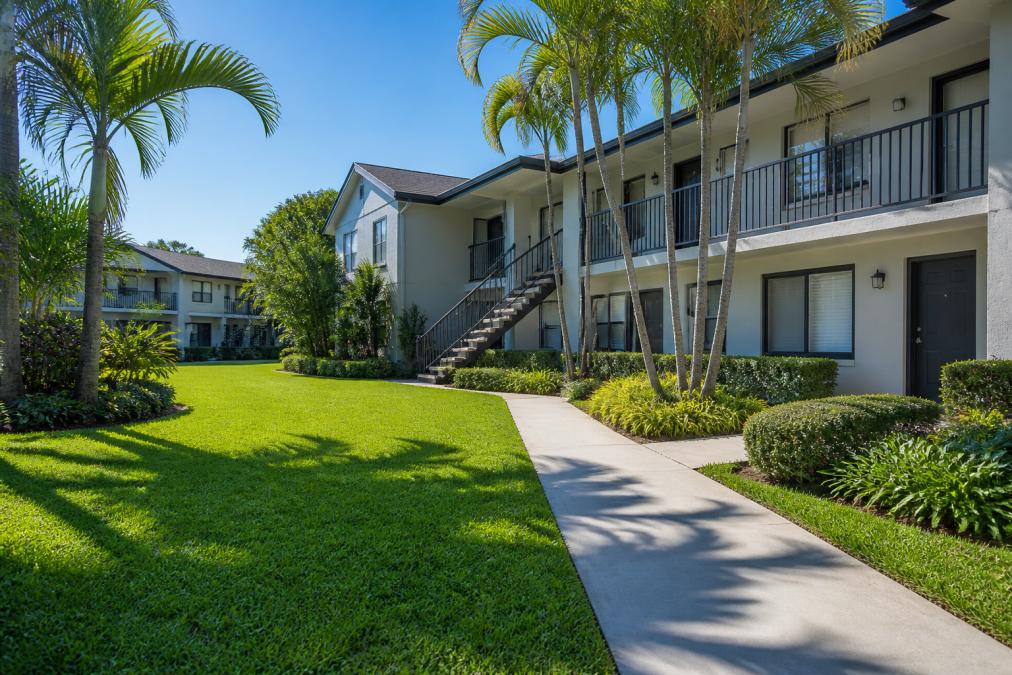
Cynthia Gardens is a residential apartment community in Boca Raton, Florida, offering quiet, garden-style living near Florida Atlantic University, Mizner Park, and Boca Raton’s beaches at 1675 NW 4th Ave, Boca Raton, FL 33432.
Table of Contents
- What Is a Garden Style Apartment?
- Garden Style Apartment vs High Rise: Key Differences
- Top Benefits of Garden Style Apartments
- Pros and Cons of Garden Level Apartments
- Garden Style Apartments for Pet Owners
- Remote Work and Quiet Space Suitability
- Accessibility and ADA Compliance
- Conclusion
Last Updated: August 7, 2026
What Is a Garden Style Apartment?
A garden style apartment is a low-rise residential community typically consisting of one to three-story buildings arranged around landscaped courtyards, green spaces, and pedestrian pathways. Unlike high-rise towers, garden-style communities spread horizontally across the property, creating an intimate living environment where most units have direct ground-level access.
These communities emphasize natural elements, outdoor living, and community connection. Residents enjoy private patios or balconies, shared green spaces, and amenities like pools, grills, and recreational areas. The architecture prioritizes accessibility and connection to nature, distinguishing garden style apartments from urban vertical housing.
Cynthia Gardens exemplifies this approach in Boca Raton, offering modern one-bedroom apartments with high-end finishes within a serene, landscaped setting.
Garden Style Apartment vs High Rise: Key Differences
Understanding these differences helps renters make informed decisions based on their lifestyle priorities.
Layout and Accessibility
High-rise apartments stack units vertically, requiring elevators for access. Garden-style apartments position units horizontally with most residents enjoying ground-floor or low-rise access without elevator dependency.
Ground-floor units mean direct patio access, easier move-in logistics, and immediate outdoor space. Residents with mobility concerns or those moving frequently appreciate the simplified access. Parents with strollers find ground-level living significantly more convenient than navigating elevator banks and hallways.
Garden layouts encourage natural foot traffic through shared spaces, fostering informal social connections. High-rises concentrate foot traffic in lobbies and elevator banks, creating a more transactional feel.
Community Feel and Density
High-rise buildings maximize vertical density, often housing hundreds of residents in a single tower. Garden-style communities distribute residents across multiple low-rise buildings, typically housing 100-300 residents total.
In garden communities, you’re more likely to recognize neighbors and develop genuine community connections. The lower density creates a quieter, more residential atmosphere. Garden-style layouts create natural gathering points where courtyards and landscaped pathways become genuine community spaces rather than utilitarian corridors.
Top Benefits of Garden Style Apartments
Garden-style living delivers tangible advantages that appeal to diverse resident profiles.
Affordability and Cost-Effectiveness
Garden-style communities typically offer lower rental rates than comparable high-rise apartments.
Direct Outdoor Access and Private Entrances
Most garden-style apartments feature private patios, balconies, or ground-level outdoor spaces. This direct access changes how residents use their living space, extending home beyond interior walls.
Private entrances mean reduced contact with building corridors and shared elevator systems. This appeals to residents prioritizing privacy and security. The psychological benefit of direct outdoor access creates a sense of ownership and autonomy.
Green Space and Landscaping Benefits
Garden communities are designed around landscaping. Mature trees, flowering plants, maintained lawns, and water features create visually appealing environments that reduce stress and promote wellbeing. Research consistently shows that access to green space improves mental health and quality of life.
In Boca Raton‘s subtropical climate, well-designed landscaping makes a significant difference in comfort. Mature trees provide afternoon shade, reducing the relentless Florida heat. These spaces also improve air quality and create natural sound barriers that reduce noise from nearby streets.
Natural Light and Cross-Ventilation
Ground-level and low-rise units benefit from multiple windows and direct sunlight exposure. Cross-ventilation allows air to flow through naturally, reducing cooling costs and improving air quality. Natural light improves mood, productivity, and sleep quality, making units feel more spacious and connected to the outside world.
Community Amenities and Resident Experience
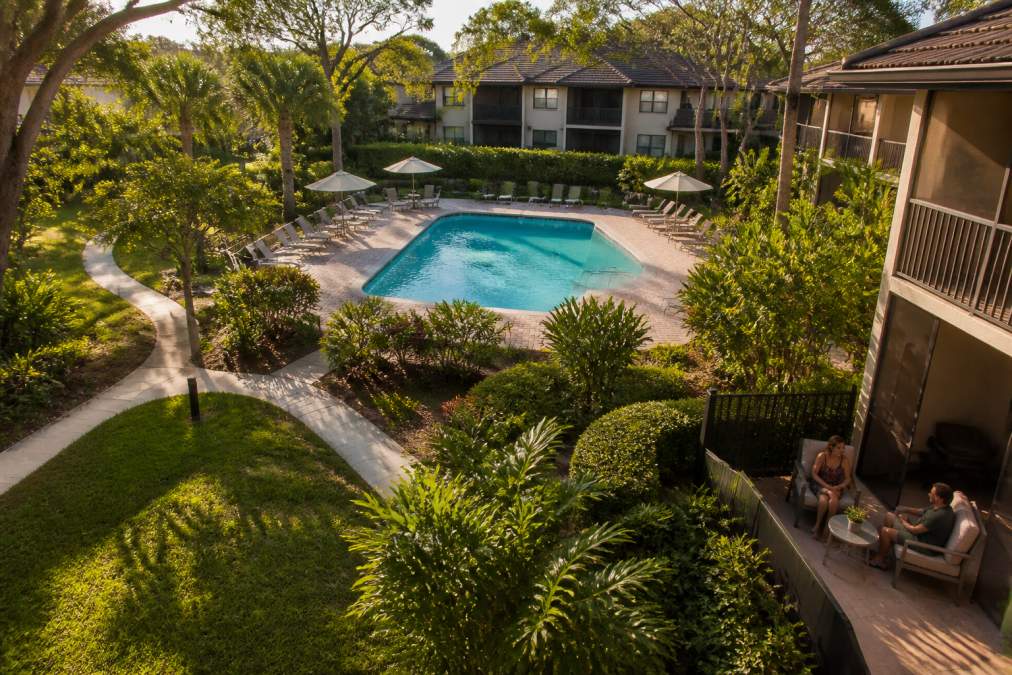
Garden-style communities invest heavily in shared amenities because the lower building height creates natural gathering spaces. Resort-style pools, grilling stations, playgrounds, and fitness areas become genuine community hubs rather than underutilized facilities.
Cynthia Gardens emphasizes this approach, featuring a resort-style pool and lush landscaped grounds designed for resident enjoyment. The community layout encourages residents to spend time outside their units, fostering connections and creating an active resident experience.
Quieter Living Environment
The lower density and horizontal layout of garden communities creates a fundamentally quieter environment than high-rises. Fewer residents per building means less foot traffic, fewer elevator operations, and reduced ambient noise. The landscaping actively reduces noise by absorbing sound from nearby streets.
For professionals working from home or those sensitive to noise, this quieter environment is transformative.
Pros and Cons of Garden Level Apartments
Advantages of Garden Level Living
Ground-level units offer specific benefits worth highlighting. Direct patio access means you control your outdoor space with no shared balconies or neighbors above affecting your comfort. Easy move-in and move-out processes eliminate elevator logistics, making transitions faster and less stressful.
Ground-level units experience less temperature fluctuation than upper floors. During hot afternoons, upper floors absorb more heat. Ground-level units also offer direct egress without depending on elevators during emergencies.
Potential Drawbacks to Consider
Ground-level units face some legitimate limitations. Privacy concerns arise when patios face common areas. Water intrusion risk exists in ground-level units, particularly in Florida’s rainy climate, though this varies by building construction and drainage design.
Pest exposure presents another consideration. Ground-level units have easier access for insects. Proper maintenance and pest control minimize this risk. Limited view potential may affect some residents, though many don’t prioritize distant vistas.
Garden Style Apartments for Pet Owners
Pet owners face unique housing challenges. Garden-style communities offer distinct advantages for residents with dogs, cats, and other animals.
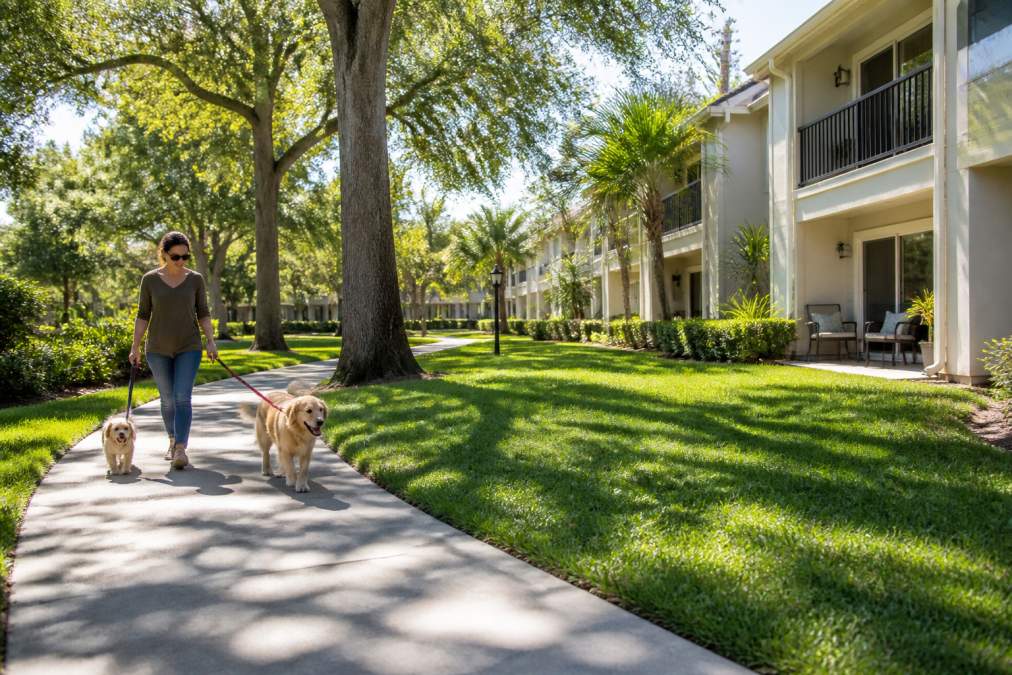
Direct outdoor access makes pet ownership significantly easier. Dogs don’t require multiple elevator trips to reach outdoor areas. The landscaped courtyards and grass areas provide designated spaces for pets to exercise and play without extensive travel.
Community design supports pet socialization. Residents with pets naturally encounter each other in common areas, creating informal pet-owner networks. Quieter environments reduce stress-related barking, and some garden communities provide pet washing stations and designated play zones.
Remote Work and Quiet Space Suitability
The shift toward remote work has transformed housing priorities. Garden-style communities offer specific advantages for professionals working from home.
Quieter environments support focus and productivity. Natural light improves productivity and mood during long work days. The ability to step outside for breaks and natural light exposure supports mental health during remote work.
Flexible space usage becomes easier with private outdoor areas. A patio can serve as an outdoor office, meeting space, or break area. The psychological benefit of peaceful surroundings supports mental wellbeing during intensive work periods.
Accessibility and ADA Compliance
Accessibility considerations affect residents of all ages and abilities. Ground-level and low-rise units eliminate elevator dependency, benefiting residents with mobility challenges, elderly residents, and those with temporary injuries.
The Americans with Disabilities Act (ADA) establishes accessibility standards for multifamily housing. Garden-style communities can meet these standards through thoughtful design. Walkable layouts with maintained pathways support residents with mobility concerns. Parking proximity matters for accessibility, and accessible amenities ensure all residents can participate in community life.
Conclusion
Garden-style apartments deliver a fundamentally different living experience than high-rise communities. The combination of affordability, direct outdoor access, quiet environments, and genuine community connection appeals to diverse resident profiles, from students and young professionals to remote workers and pet owners.
Cynthia Gardens embodies these benefits in Boca Raton, offering modern one-bedroom apartments with stainless steel appliances and quartz countertops within a serene, landscaped garden community. The resort-style pool, lush grounds, and convenient location near FAU and the beach create the peaceful, maintenance-free living experience that garden-style communities are designed to provide.
If you’re seeking a quieter, more affordable, and more connected living environment in Boca Raton, garden-style apartments deserve serious consideration. Schedule a tour today to experience how Cynthia Gardens delivers refined, welcoming living in a community designed around your comfort and convenience.
Frequently Asked Questions
What is the main difference between garden style apartments and high-rise apartments?
Garden style apartments are low-rise, walk-up buildings with ground-floor units featuring private entrances and direct outdoor access. High-rises use elevators, have shared common areas, and typically offer fewer ground-level units. Garden communities emphasize green space, landscaping, and a suburban feel, while high-rises prioritize density and vertical living. Garden style apartments generally provide more natural light, cross-ventilation, and a quieter environment due to lower density and architectural design that reduces noise transfer between units.
Are garden style apartments actually cheaper than high-rise apartments?
Garden style apartments typically offer better rental affordability than comparable high-rise units. Lower construction costs, reduced building footprint, and simpler architectural design translate to lower monthly rent. They also eliminate or reduce amenity fees common in high-rises. However, pricing depends on location, unit size, and local rental market conditions. For grad students or young professionals in Boca Raton, garden communities often provide more value, especially when factoring in proximity to FAU, beach access, and parking included in rent rather than charged separately.
Are garden style apartments pet-friendly?
Garden style apartments are generally more pet-friendly than high-rises because they offer ground-floor units with direct access to outdoor green space, eliminating the need for frequent elevator trips. Many garden communities welcome pets and provide designated outdoor recreation areas. However, pet policies vary by property, some have breed restrictions, weight limits, or pet deposits. When evaluating a garden community, ask about specific pet amenities, available grassy areas for exercise, and any additional monthly pet fees. Communities like Cynthia Gardens in Boca Raton are designed with outdoor living in mind, making them suitable for pet owners.
Will I hear neighbors through the walls in a garden style apartment?
Garden style apartments generally offer better noise isolation than high-rises due to lower density and single-story construction. However, shared walls still exist, and noise transfer depends on building materials, wall construction, and unit placement. Ground-floor units may experience less noise from above since there are no upstairs neighbors. If noise is a concern, choose units away from common areas, request end units, or ask about soundproofing features. Many residents find garden communities quieter for remote work and studying compared to high-rises, though individual experiences vary based on neighbor activity and community management.