
TL;DR:
- Living with a roommate reduces rent costs by 25 to 40%, saving about $6,500 annually. It offers social benefits and better apartment options but requires careful screening and written agreements to prevent conflicts. Compatibility relies more on lifestyle habits than friendship, with clear communication being essential for success.
Roommate living is defined as sharing a housing unit with one or more people to split costs and daily responsibilities. The financial case is clear: living with a roommate typically cuts per-person rent by 25–40%, saving roughly $541 per month or $6,500 annually. As of 2026, 32% of adults aged 18–34 use roommates as a deliberate financial tool, not just a fallback. The pros and cons of roommate living go well beyond the rent check, touching on mental health, daily habits, and long-term goals.
1. What are the top financial benefits of living with a roommate?
Shared housing cuts housing costs as a share of income from roughly 40% down to about 25%. That gap represents real money you can redirect toward savings, student loans, or a future down payment. Many young adults use shared living strategically to hit milestones like homeownership faster than solo renters can.
The savings extend well beyond rent. Utilities, internet, and streaming subscriptions all split two or more ways. Furniture and household supplies get shared from day one, eliminating the need to furnish an entire apartment alone.
| Expense Category | Solo Renter | With One Roommate |
|---|---|---|
| Rent (example: $2,000/mo) | $2,000 | $1,000 |
| Utilities ($150/mo) | $150 | $75 |
| Internet ($80/mo) | $80 | $40 |
| Monthly total | $2,230 | $1,115 |
| Annual savings | — | ~$13,380 |
Pro Tip: Use a shared expense app like Splitwise to track rent, utilities, and groceries in one place. Transparent money management is the single fastest way to prevent financial resentment between roommates.
Splitting costs also gives you access to better apartments in Boca Raton than you could afford alone. Two people sharing a well-located unit often live in a nicer building than either could rent solo.
2. What social and lifestyle advantages come from living with roommates?
Shared housing delivers a built-in social life that solo renters have to work harder to create. Coming home to another person reduces the daily isolation that solo living often produces. Research confirms that shared living improves wellbeing through embedded social connections, even when conflicts arise.

The social benefits are especially strong for students and young professionals new to a city. A roommate becomes a default social anchor, someone to grab dinner with, split errands, or simply decompress after a hard day. That low-effort connection matters more than most people expect when they first move out on their own.
Multigenerational arrangements add another layer of value. 39% of roommate households now involve an age gap of 20 or more years. Younger renters gain mentorship and career perspective. Older roommates often benefit from reduced costs and fresh social energy.
“Solo living, while a social norm, often leads to isolation and inefficiency. Shared living enhances wellbeing through embedded social connections, despite inevitable conflicts.”
The Conversation
The practical benefits of shared chores also add up. When responsibilities are divided clearly, neither person carries the full weight of maintaining a home. A simple chore rotation reduces stress and keeps the space livable for everyone.
3. What are the privacy and compatibility challenges of roommate living?
Reduced privacy is the most consistent drawback of sharing an apartment. You give up control over noise levels, guest schedules, and how common areas look and smell. That loss of control is manageable with the right person and nearly unbearable with the wrong one.
The most common friction points include:
- Cleaning standards: One person’s “clean enough” is another person’s mess.
- Noise and sleep schedules: Night owls and early risers clash without clear agreements.
- Guests and partners: Frequent overnight visitors change the dynamic of a shared space.
- Kitchen use: Food labeling, dish washing, and cooking smells generate more conflict than most people anticipate.
- Temperature and thermostat control: A surprisingly common source of daily tension.
Psychology explains the compatibility gap clearly. Friendship and roommate compatibility differ because daily lifestyle habits and personal boundaries matter more than social chemistry. Your best friend may be a terrible roommate if your sleep schedules, cleanliness standards, or financial habits do not align.
Most roommate conflicts arise from unspoken expectations rather than the issues themselves. The person who never says anything about the dirty dishes until they explode in frustration creates more damage than the dishes ever did.
Pro Tip: Write down your top three non-negotiables before you even start looking for a roommate. Knowing your hard limits in advance makes screening conversations faster and more honest.
4. How to find and maintain a successful roommate relationship
Finding the right roommate is a vetting process, not a social one. Screening roommates thoroughly with lifestyle questions, references, and in-person meetings lowers the risk of a mismatch. Rushing the process or accepting vague answers about finances are both red flags worth taking seriously.
Follow these steps before signing anything:
- Ask lifestyle questions first. Sleep schedule, cleanliness habits, guest frequency, and work-from-home status all matter more than shared interests.
- Check references. A previous landlord or roommate will tell you more in two minutes than a two-hour conversation with the candidate.
- Meet in person. Video calls work, but an in-person meeting reveals energy, habits, and comfort level in ways a screen cannot.
- Propose a trial period. A 30 to 60 day trial period lets both parties assess day-to-day compatibility before a long-term lease locks you in.
- Draft a written agreement. A roommate agreement covering rent, chores, quiet hours, guests, and exit terms handles the vast majority of future conflicts before they start.
- Schedule regular check-ins. A monthly 15-minute conversation about what is and is not working prevents small irritations from becoming serious resentment.
The written agreement deserves special attention. It is less a legal document and more a psychological contract. When both people sign off on expectations in writing, there is no room for “I didn’t know that bothered you.” Clarity protects the relationship.
For a detailed local approach, the roommate selection guide for Boca Raton renters covers red flags and vetting steps specific to the South Florida rental market.
| Screening Step | Why It Matters |
|---|---|
| Lifestyle questions | Reveals daily habit alignment before move-in |
| Reference check | Confirms past behavior with landlords or roommates |
| In-person meeting | Assesses comfort and communication style |
| Trial period | Tests real-world compatibility with low commitment |
| Written agreement | Sets enforceable expectations on key shared living topics |
Key Takeaways
Roommate living saves significant money and reduces isolation, but it requires deliberate screening and written agreements to avoid the conflicts that end most shared arrangements.
| Point | Details |
|---|---|
| Financial savings are substantial | Roommates cut per-person rent by 25–40%, saving roughly $6,500 annually. |
| Social benefits are real but not automatic | Shared living reduces isolation, but only when both people invest in the relationship. |
| Compatibility beats friendship | Daily habits and lifestyle alignment matter more than social chemistry when choosing a roommate. |
| Written agreements prevent most conflicts | Covering rent, chores, guests, and exit terms in writing handles the majority of future disputes. |
| Vetting takes effort but pays off | Thorough screening with references and a trial period dramatically reduces the risk of a bad match. |
Why roommate living is usually worth the discomfort
I have watched a lot of people approach the roommate question the wrong way. They either romanticize it, expecting a built-in best friend, or they dread it, imagining constant conflict. The reality sits firmly in the middle, and it is more manageable than either camp expects.
The financial argument alone is hard to ignore. Saving $6,500 a year is not a minor convenience. For a young professional or student, that money is the difference between building savings and treading water. I have seen people use two or three years of roommate living to pay off student loans and put a down payment together. That is a real life outcome, not a hypothetical.
The harder truth is that most roommate arrangements fail because of avoidance, not incompatibility. People let small frustrations accumulate rather than having a five-minute conversation. Psychologists are right that emotional intelligence and flexibility are the real deciding factors in whether shared living works. The people who thrive with roommates are not the ones who never have conflict. They are the ones who address it early and renegotiate when things change.
My honest recommendation: treat the screening process like a job interview, not a social audition. Ask the uncomfortable questions upfront. Write the agreement before you move in. Then revisit it every few months. Shared living done right is one of the best financial and social decisions a young adult can make. Done carelessly, it is one of the most draining.
— Ayman
Boca Raton apartments worth sharing at Cynthiagardens
Cynthiagardens is a modern apartment community in Boca Raton built for young professionals, students, and pet owners who want quality without hidden fees. The community offers well-maintained one-bedroom apartments with transparent pricing, AI chat support, virtual tours, and an interactive property map that makes finding the right unit fast and straightforward.
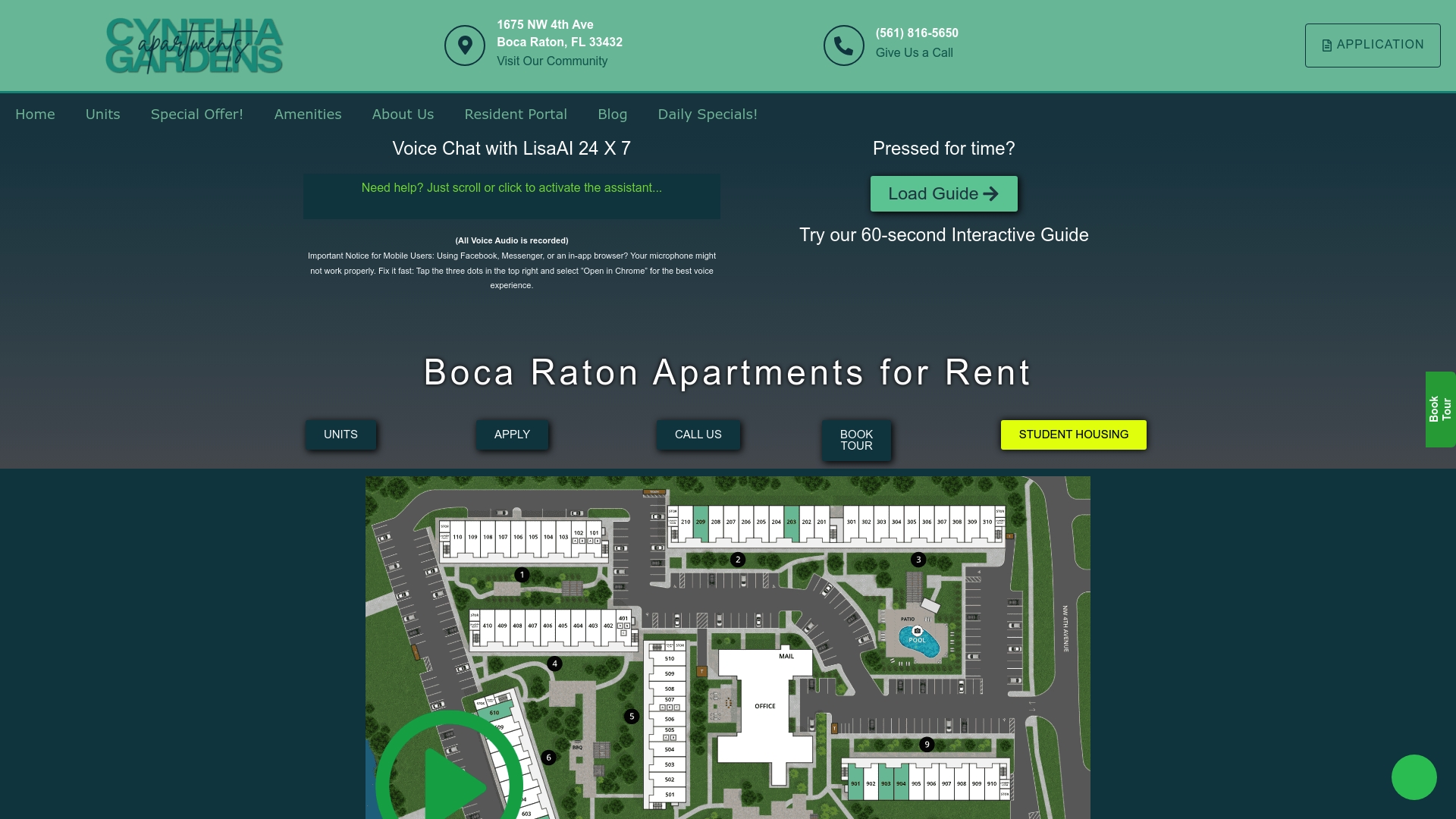
Whether you are planning to share a unit with a roommate or weighing your options solo, the apartment styles and features at Cynthiagardens are worth a close look. Layouts are designed with livability in mind, and the leasing process is built to give you clear answers without the runaround. Connect with the Cynthiagardens team today to schedule a virtual tour and see what fits your situation.
FAQ
How much money does a roommate actually save you?
Living with one roommate saves roughly $541 per month or about $6,500 annually per person, and reduces housing costs as a share of income from around 40% down to 25%.
Is living with a roommate worth it for young adults?
For most young adults, yes. 32% of adults aged 18–34 use roommates as a deliberate financial strategy, and the savings often accelerate goals like paying off debt or building a down payment.
What causes the most roommate conflicts?
Unspoken expectations cause more conflict than the actual issues. Cleanliness standards, noise levels, guest frequency, and money habits are the most common friction points, and all of them are manageable with a written roommate agreement.
Should I live with my best friend as a roommate?
Not necessarily. Psychology shows that friendship and roommate compatibility differ significantly. Daily lifestyle habits and routines matter more than social chemistry when choosing who to share a home with.
What should a roommate agreement include?
A solid roommate agreement covers rent splits, utility responsibilities, chore schedules, quiet hours, guest policies, and exit terms. Covering these key areas addresses the vast majority of conflicts before they start.
Recommended
- 7 Key Advantages of Affordable Housing for Young Renters
- What Is Roommate Matching? A Renter’s Complete Guide
- How to Find Roommates in Boca Raton Today – Luxury Apartments for Rent in Boca Raton | Premium Boca Raton Apartments | Aapartments Boca Raton
- Studio vs One Bedroom Apartment: Key Differences – Luxury Apartments for Rent in Boca Raton | Premium Boca Raton Apartments | Aapartments Boca Raton