
TL;DR:
- Community pet policies define rules for pet ownership in residential communities and influence tenant experience. Understanding these policies helps pet owners avoid unexpected costs and ensures compatibility with community rules. Properly managed policies benefit both residents and property managers by increasing retention, occupancy, and community satisfaction.
Community pet policies are sets of rules governing pet ownership within residential communities, designed to balance the needs of pet owners, non-pet residents, and property management. For pet owners considering community living, understanding these policies is the difference between a smooth move and a costly surprise. The importance of community pet rules goes well beyond simple restrictions. Well-crafted policies protect your rights, clarify your costs, and signal whether a community genuinely welcomes you and your pet. This guide breaks down what these policies cover, why they matter, and how to use them to your advantage.
Why consider community pet policies before signing a lease
Community pet policies function as the legal and social framework for pet ownership in any shared residential setting. The industry term for the formal document you will sign is a “pet addendum,” which attaches to your lease and spells out every rule, fee, and restriction that applies to your pet. Without reading it carefully, you can face unexpected charges, lease violations, or even eviction.
The stakes are real. 81% of property managers report growth in pet ownership across their portfolios, yet only 43% of renters report owning pets. That gap means policies are being written faster than renters are reading them. Communities that get pet policies right create a foundation of trust. Those that get them wrong create conflict, liability, and turnover.
“Pet policies have evolved from compliance hurdles to strategic leasing and retention tools, with overreliance on restrictions often backfiring by encouraging assistance animal misrepresentation.”
Understanding pet-inclusive housing from the start puts you in a far stronger position as a renter.
How community pet policies benefit residents and property managers

The benefits of pet policies run in both directions. Pet owners gain clarity, legal protection, and access to pet-friendly amenities. Property managers gain revenue, lower vacancy rates, and longer-term residents.
The retention numbers are striking. Pet-friendly policies extend resident stays by 27%, pushing average occupancy from 27.5 months to 33 months. At an average rent of $1,800 per month, that adds nearly $10,000 in value per resident stay. That is not a marginal gain. It is a structural advantage for any community that embraces pets thoughtfully.
Occupancy rates improve too. Properties with pet-friendly policies see a 4% improvement in occupancy and fill vacant units about 10 days faster. In a 200-unit building, that translates to roughly $600 in additional revenue per move-in. For pet owners, faster-filling communities signal high demand and a positive reputation worth investigating.

The social benefits are just as significant. Pet owners report stronger emotional wellbeing and a greater sense of belonging when their community actively supports pet ownership. Shared pet areas and pet waste stations create natural gathering points that build neighbor relationships. The advantages of pet-friendly apartments extend well beyond convenience. They shape the daily quality of life for you and your pet.
What do common community pet rules actually include?
Most community pet policies share a standard set of components, though the details vary widely. Knowing what to look for protects you from surprises.
Typical restrictions include:
- Pet limits: Most communities cap pets at one or two per unit.
- Weight and size limits: Limits of 25 lbs or 50 lbs are common, though some communities have no weight cap.
- Breed restrictions: Certain breeds, often labeled “aggressive,” may be prohibited. These lists vary by community and insurance carrier.
- Vaccination requirements: Proof of current vaccinations is standard, particularly for dogs.
- Noise and waste rules: Policies typically include clauses on excessive barking and mandatory waste cleanup.
Fee structures are where pet owners often get caught off guard. Nearly 70% of properties charge monthly pet rent, and over 50% collect a non-refundable pet fee at move-in. The three main charges are:
| Fee Type | What It Covers | Refundable? |
|---|---|---|
| Pet deposit | Potential damage caused by your pet | Yes, if no damage |
| Non-refundable pet fee | Administrative and wear costs | No |
| Monthly pet rent | Ongoing cost of allowing pets | No |
Monthly pet rent of $25–$50 often exceeds the initial deposit total within a year. Calculate your full annual cost before signing, not just the move-in fee.
One critical legal point: the Fair Housing Act requires communities to exempt assistance animals from breed restrictions. Assistance animals are not pets under federal law, so standard pet fees and deposits cannot apply to them. This distinction matters enormously if you rely on an emotional support or service animal.
Pro Tip: Ask for the pet addendum before your lease signing appointment. Read it separately, in full, and write down any clause you do not understand before you sit down with leasing staff.
What challenges come with pet policy enforcement?
Even well-written policies break down in practice. The most common problems stem from inconsistency, misrepresentation, and vague language.
Nearly 50% of property professionals report that renters hiding pets has become more common. This creates real liability for both sides. An undisclosed pet that causes damage or injures a neighbor leaves the renter legally exposed and the community financially at risk.
The core enforcement challenges are:
- Assistance animal misrepresentation: When breed restrictions are too aggressive, some renters falsely claim their pet is an assistance animal. This undermines the system for residents who genuinely need accommodation.
- Inconsistent documentation: Communities that do not collect the same records from every resident create fairness problems and legal exposure.
- Vague policy language: Clauses like “excessive noise” or “minor damage” without clear definitions lead to disputes at move-out.
- Breed restriction misalignment: Breed restrictions often conflict with actual insurance requirements, restricting applicants without reducing real risk.
Pro Tip: If a community’s breed list seems arbitrary or unusually long, ask the leasing office which insurance carrier drives those restrictions. The answer tells you a lot about how the policy was built and whether it is likely to change.
Lease agreements can also allow policy amendments at renewal, meaning a pet that was allowed when you moved in could face new restrictions later. Always ask whether the pet policy can change during your tenancy and get the answer in writing.
Best practices for pet owners navigating community pet rules
Knowing the rules is only half the job. Using them to your advantage requires a clear strategy before, during, and after signing.
- Request the pet addendum early. Get it before you tour. A community that hesitates to share it upfront is a red flag.
- Calculate total pet costs over 12 months. Add the non-refundable fee, monthly pet rent, and any deposit to get your real first-year cost. Compare this across communities before deciding.
- Ask about policy stability. Confirm in writing whether pet rules can change at renewal. Some communities lock in pet terms for the lease term. Others reserve the right to update them.
- Document your pet’s temperament. A letter from your vet or trainer describing your pet’s behavior can help if a community evaluates pets individually rather than by breed alone.
- Check amenities before committing. Pet waste stations and designated pet areas rank highest in resident satisfaction. Grooming stations and premium services matter far less. Prioritize the basics.
- Use technology to your advantage. Communities with tech-enabled pet documentation processes reduce disputes and enforce policies consistently. This protects you as much as it protects management.
- Explore pet adoption resources. If you are considering adding a pet after moving in, resources like pet adoption guides can help you understand how pet policy changes connect to longer resident stays and community culture.
Pro Tip: When negotiating a pet addendum, ask if the community evaluates pets by temperament rather than breed alone. More communities are moving in this direction, and it opens doors for owners of commonly restricted breeds.
For a detailed look at what features actually matter in a pet-welcoming community, the guide on pet-friendly apartment features covers the specifics worth checking before you sign.
Key Takeaways
Community pet policies protect pet owners and property managers alike, and reading the pet addendum in full before signing is the single most important step any renter can take.
| Point | Details |
|---|---|
| Retention drives policy value | Pet-friendly policies extend resident stays by 27%, adding nearly $10,000 per stay in value. |
| Fee structures add up fast | Monthly pet rent of $25–$50 often exceeds the initial deposit within one year. |
| Legal protections exist | The Fair Housing Act exempts assistance animals from breed restrictions and standard pet fees. |
| Enforcement gaps create risk | Nearly 50% of property professionals report hidden pets are increasing, raising liability for renters. |
| Amenities signal commitment | Pet waste stations and designated areas rank higher in satisfaction than premium pet services. |
What I have learned about pet policies after years of watching renters sign the wrong lease
The most expensive mistake I see pet owners make is treating the pet addendum as a formality. They skim it, sign it, and then discover at move-out that a vague “damage” clause cost them their entire deposit. The policy was always there. They just did not read it.
The second mistake is choosing a community based on the fact that it “allows pets” without asking what that actually means. Allowing pets and welcoming pets are two different things. A community that charges $75 per month in pet rent, bans 12 breeds, and has no outdoor pet area is technically pet-friendly. It is not actually built for pet owners.
What I have seen work consistently is this: pet owners who treat the pet addendum like a contract negotiation, not a checkbox, end up in better situations. They ask questions. They get answers in writing. They compare total costs, not just monthly rent. And they look for communities where the pet policy reflects genuine thought about how people and animals actually live together.
The trend is moving in the right direction. More communities are dropping blanket breed restrictions in favor of individual pet evaluations. More are investing in pet waste stations and dedicated outdoor areas. The communities doing this are seeing the retention data prove them right. For pet owners, that shift creates real options. Use them.
— Ayman
Cynthiagardens and pet-friendly living in Boca Raton
Pet owners looking for a community that takes pet policies seriously have a clear option in Boca Raton.
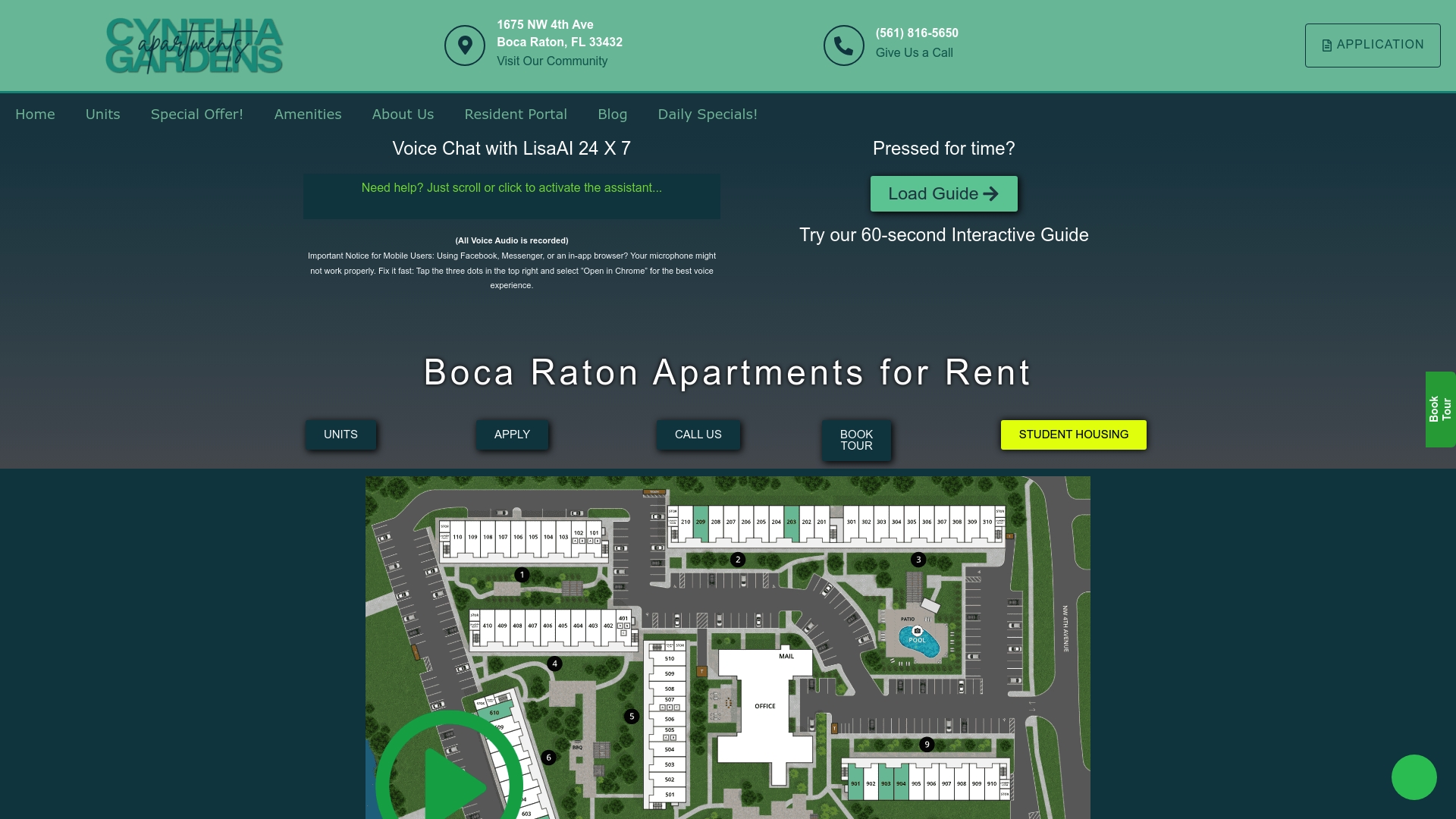
Cynthiagardens offers well-maintained one-bedroom apartments with transparent pet policies and no hidden fees. The community is built for young professionals, students, and pet owners who want to know exactly what they are signing before they sign it. From clear pet ownership guidelines to community rules that support daily life with a pet, Cynthiagardens makes the terms easy to understand from day one. Explore pet-friendly living in Boca Raton or browse apartment styles and features to see what the community offers for you and your pet.
FAQ
What is a pet addendum in a lease?
A pet addendum is a legal document attached to your lease that outlines all rules, fees, and restrictions related to your pet. It governs everything from breed limits to monthly pet rent and damage liability.
Can a landlord change pet policy during my lease?
Some lease agreements allow pet policy amendments at renewal, meaning restrictions could apply to pets that were previously allowed. Always ask for written confirmation of whether pet terms are locked in for your lease term.
Are assistance animals subject to community pet policies?
No. Under the Fair Housing Act, assistance animals are not classified as pets, so standard breed restrictions, pet deposits, and pet fees cannot legally apply to them.
How much does pet rent typically cost?
Monthly pet rent commonly runs $25–$50, which means it can exceed the initial non-refundable pet fee within a single year. Calculate your total 12-month pet cost before comparing communities.
What pet amenities should I look for in a community?
Pet waste stations and designated outdoor pet areas rank highest in resident satisfaction. These basics matter more than premium services like grooming stations when evaluating whether a community is genuinely built for pet owners.
Recommended
- Questions for Leasing Pet Owners: 2026 Checklist
- how to find pet friendly apartments: A Quick Guide – Luxury Apartments for Rent in Boca Raton | Premium Boca Raton Apartments | Aapartments Boca Raton
- Navigating Your Apartment Pet Policy – Luxury Apartments for Rent in Boca Raton | Premium Boca Raton Apartments | Aapartments Boca Raton
- Why Choose Pet-Inclusive Housing for You and Your Pet