Cynthia Gardens is a residential apartment community in Boca Raton, Florida, offering quiet, garden-style living near Florida Atlantic University, Mizner Park, and Boca Raton’s beaches at 1675 NW 4th Ave, Boca Raton, FL 33432.
TL;DR:
- Proper upkeep in a cat-friendly apartment involves proactive safety measures, specialized cleaning, and structural checks. Regular maintenance prevents health emergencies, protects deposits, and creates a stable environment for cats. Clear agreements and documentation with landlords improve safety, transparency, and cooperation.
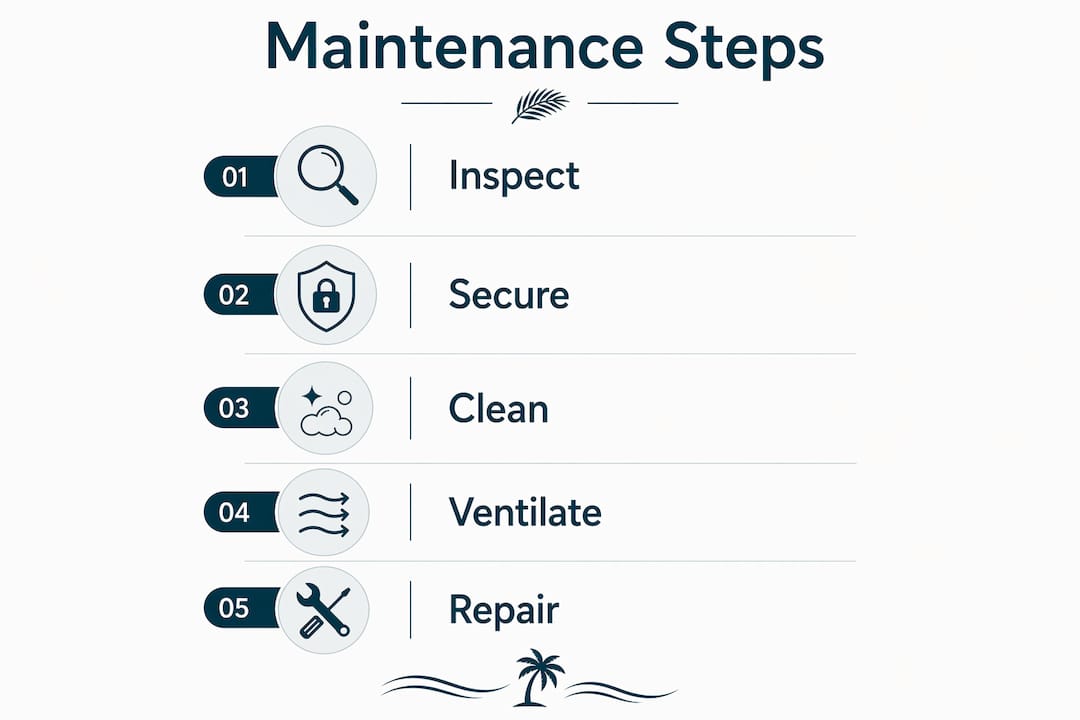
Proper upkeep in a cat-friendly apartment is defined as the combination of proactive safety measures, specialized cleaning, and structural checks that protect both your cat and the rental unit. The role of maintenance in cat-friendly apartments goes far beyond wiping down counters. It covers everything from securing cabinet locks and replacing air filters to coordinating safe pest control with your property manager. Done right, cat-friendly apartment maintenance protects your security deposit, prevents feline health emergencies, and keeps your living space genuinely livable. This guide covers the specific practices, tools, and collaboration strategies that make the difference.
What are the key maintenance practices that protect cats and apartments?
Preventive upkeep is the foundation of any cat-safe living space. The most effective practices address three areas: hazard control, surface protection, and air quality.
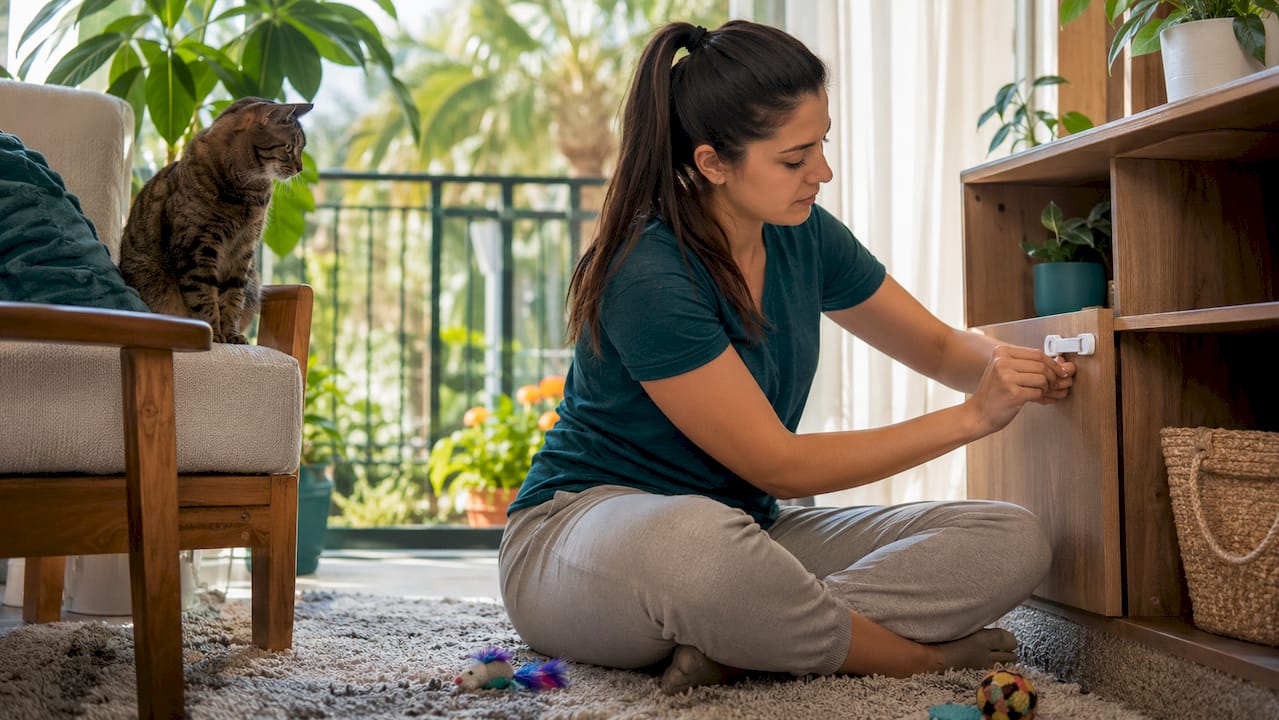
Hazard control starts with cabinet locks. Childproof cabinet locks take about 20 minutes to install and are fully reversible, making them ideal for renters. They block access to cleaning products, medications, and other household toxins that cats investigate out of curiosity.
Surface protection saves your deposit. Floor damage and odor are the top reasons pet owners lose security deposits. Low-pile rugs and washable slipcovers under $50 absorb impact and neutralize odors before they soak into flooring. Enzymatic cleaners, such as Nature’s Miracle or Rocco and Roxie, break down urine proteins at the molecular level. Standard cleaners mask the smell. Enzymatic products eliminate it.
Air quality requires a schedule, not a reaction. Replace HVAC filters every 30–60 days in a cat household instead of the standard 90-day cycle. Cat dander accumulates fast and degrades air quality well before a filter looks visibly dirty.
Here is a quick checklist of core maintenance tasks for cat owners:
- Install childproof cabinet locks on all lower cabinets storing chemicals or medications
- Clean litter boxes daily and deep-clean with unscented soap weekly
- Apply enzymatic cleaner to any accident spot within 24 hours
- Replace HVAC filters every 30–60 days
- Inspect window screens monthly for tears or loose frames
- Verify pest control products are cat-safe before any building-wide treatment
Pro Tip: Request the Safety Data Sheet from your property manager before any pest control treatment. Residual chemicals from treated floors can transfer to cats through grooming, even after surfaces appear dry.
How does maintenance affect cat health and wellbeing in an apartment setting?
The connection between apartment upkeep and feline health is direct and measurable. A clean, stable environment prevents illness. A neglected one accelerates it.
Consider oral health as one example. Around 70% of cats develop periodontal disease by age three, according to the American Veterinary Medical Association. That statistic points to a maintenance gap: feeding stations that are hard to reach, water bowls that go unchanged, and food residue that builds up in hard-to-clean corners all contribute to poor oral hygiene. Keeping feeding areas accessible and washing bowls daily is a maintenance habit with a direct health payoff.
Litter box hygiene follows the same logic. Cats avoid dirty boxes and will find alternatives, usually your carpet or furniture. Daily scooping and weekly full changes are not optional upkeep. They are behavioral management.
The four maintenance habits most directly tied to cat health outcomes are:
- Daily litter box scooping to prevent avoidance behavior and urinary tract issues from holding waste
- Fresh water station maintenance to encourage hydration and reduce kidney stress, especially in dry Florida climates
- Consistent feeding area cleaning to lower the risk of bacterial buildup that contributes to periodontal disease
- Daily observation of appetite, mobility, and litter box output as a form of proactive preventive monitoring that catches health changes early
Environmental stability matters too. Cats are sensitive to disruption. Consistent cleaning schedules, predictable smells, and stable furniture placement reduce anxiety-driven behaviors like over-grooming or aggression. Maintenance is not just physical upkeep. It is behavioral management for your cat.
How can renters and property managers collaborate on cat-friendly maintenance?
The most effective cat-friendly apartment maintenance happens when tenants and landlords treat it as a shared responsibility with clear written terms. Verbal agreements do not hold up when a dispute arises over pet damage.
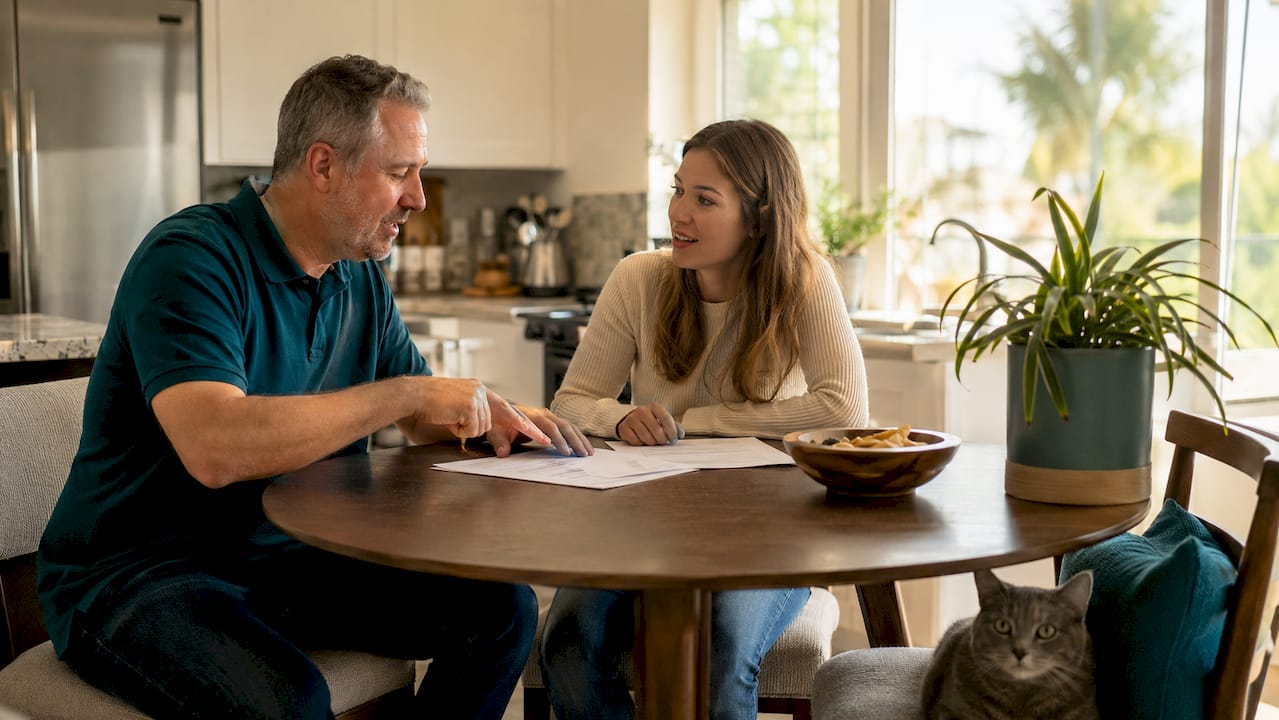
A signed pet addendum should specify who handles what: the tenant cleans and prevents damage, the landlord maintains building systems and approves pet-safe treatments. This document protects both parties. Without it, maintenance conflicts are almost inevitable.
Building landlord trust before you sign. A pet resume with veterinary records including vaccination proof, spay or neuter status, and a written cleaning plan turns your cat from an unknown risk into a documented, predictable tenant. Landlords who see organized documentation are more likely to approve cats and more likely to communicate openly about maintenance schedules.
Protecting your cat during maintenance visits. Door signs stating “Pet inside, please wait before entering” are more reliable than verbal requests to maintenance staff. Written communication creates a consistent instruction that does not depend on memory or handoff between workers.
Here is a comparison of reactive versus proactive maintenance approaches for renters:
| Approach | Reactive | Proactive |
|---|---|---|
| Cleaning schedule | Clean after visible damage or odor | Scheduled daily and weekly cleaning routines |
| Pest control | Request treatment after infestation | Verify pet-safe products before building treatments |
| Maintenance visits | No preparation | Door signs, cat secured in safe room |
| Deposit protection | Address damage at move-out | Document condition with photos at move-in |
| Landlord relationship | Respond to complaints | Share pet resume and maintenance plan upfront |
Pro Tip: Walk through the apartment with your landlord at move-in and photograph every existing scratch, stain, or scuff. This apartment maintenance checklist approach creates a baseline that protects you from being charged for pre-existing damage.
What safety modifications require ongoing maintenance to support cats?
Cat-proofing an apartment is not a one-time project. Every modification you install needs periodic inspection to stay effective and safe.
Vertical territory and shelving
Cats exert 2–3 times their body weight when jumping, which means cat shelves must be mechanically anchored and load-tested at twice the cat’s weight before use. A shelf that holds steady on day one can loosen over months of daily use. Check mounting hardware every 60 days and re-anchor anything that shifts.
Scratching posts and surfaces
Scratching posts protect your walls and furniture, but only when they are stable and appealing. A wobbly post gets ignored. Cats then redirect to baseboards or door frames. Replace sisal wrapping when it frays and check post bases monthly for stability.
Toxic plant and material management
Many common houseplants, including lilies, pothos, and philodendron, are toxic to cats. Maintenance here means regular auditing of what enters your space. New plants, candles, and air fresheners all require a toxicity check before placement.
Here is a quick reference for modification maintenance intervals:
| Modification | Maintenance task | Frequency |
|---|---|---|
| Cat shelves and wall mounts | Check anchor hardware for loosening | Every 60 days |
| Scratching posts | Inspect base stability and sisal condition | Monthly |
| Window screens | Check for tears or loose frames | Monthly |
| Cabinet locks | Test latch function | Every 90 days |
| Litter box ventilation | Clean surrounding area and check airflow | Weekly |
Litter box placement also requires ventilation maintenance. A box in a closed closet without airflow creates ammonia buildup that irritates feline respiratory systems. If your apartment layout allows it, position the box near a vent or use a small fan to circulate air. This is a low-cost fix with a measurable impact on your cat’s comfort.
Key takeaways
Consistent, proactive maintenance is the single most effective way to protect both your cat’s health and your apartment’s condition throughout your tenancy.
| Point | Details |
|---|---|
| Hazard control is reversible | Childproof cabinet locks install in 20 minutes and fully remove at move-out. |
| Enzymatic cleaners protect deposits | Products like Nature’s Miracle eliminate urine proteins that standard cleaners leave behind. |
| Health monitoring is maintenance | Daily observation of litter habits and appetite catches illness before it becomes an emergency. |
| Documentation builds trust | A pet resume with vet records and a cleaning plan increases landlord approval and reduces disputes. |
| Written communication protects cats | Door signs during maintenance visits prevent escapes more reliably than verbal requests. |
Why proactive maintenance changed how I think about renting with cats
I used to treat apartment upkeep as something you did when something broke. A stain appeared, you cleaned it. A screen tore, you reported it. That reactive approach cost me a security deposit early in my career, and it taught me something that most renter guides skip entirely.
The real cost of poor maintenance is not the deposit. It is the vet bill. A cat that ingests residual pest control chemicals, falls from an improperly anchored shelf, or develops a urinary issue from a neglected litter box creates an emergency that no cleaning product fixes. The financial and emotional cost of that outcome dwarfs any upkeep effort.
What I have found actually works is treating maintenance as a weekly practice, not a reaction. A 15-minute Sunday walkthrough covers litter box condition, screen integrity, cabinet lock function, and feeding station cleanliness. That routine catches 90% of problems before they escalate.
The other thing most renters overlook is documentation. Photographing your apartment at move-in, keeping records of every maintenance request you submit, and maintaining a written cleaning log transforms you from a liability in a landlord’s eyes into a reliable tenant. That shift in perception opens doors, sometimes literally, to better apartments and more flexible lease terms.
If you are searching for cat-friendly housing tips or evaluating a new community, ask the property manager directly how they handle pest control notifications and whether they require advance notice before maintenance entries. The answers tell you everything about how seriously they take pet safety.
— Ayman
Find a Boca Raton apartment built for cat owners
Cynthiagardens is a modern apartment community in Boca Raton, Florida, designed with pet owners in mind. Every unit is well-maintained, transparently priced, and managed by a team that understands what cat owners actually need from their living space.
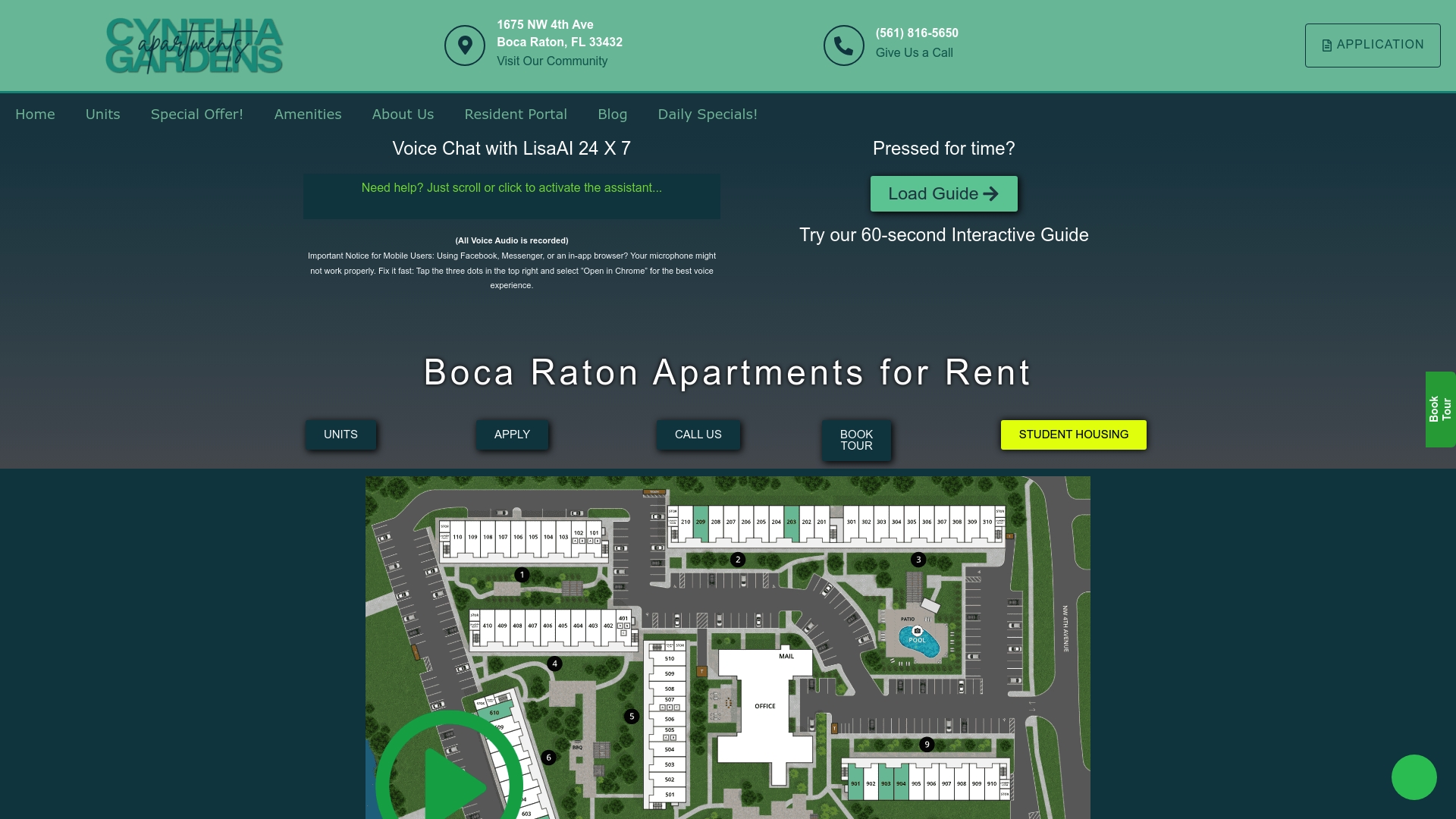
From responsive maintenance coordination to clear pet policies, Cynthiagardens removes the friction that makes renting with a cat stressful. You can explore available apartment styles and features to find a layout that works for both you and your cat. Virtual tours, AI chat support, and an interactive property map make it easy to evaluate your options before you ever set foot on site. If you want a community that treats pet-friendly living as a standard, not an exception, Cynthiagardens is worth a closer look.
FAQ
What is the role of maintenance in cat-friendly apartments?
Maintenance in cat-friendly apartments covers hazard-proofing, specialized cleaning, air quality management, and structural checks that protect both the cat and the rental unit. It prevents health emergencies, reduces deposit disputes, and keeps the living environment stable for feline behavior.
How often should I replace air filters in a cat household?
Replace HVAC filters every 30–60 days in a home with cats, compared to the standard 90-day cycle. Cat dander accumulates faster than most renters expect and degrades air quality well before a filter looks visibly dirty.
What should I do before a pest control treatment in my building?
Request the Safety Data Sheet for any product being used and confirm it is safe for cats before treatment begins. Cats can ingest residual chemicals from treated floors through grooming, even after surfaces appear dry.
How does a pet resume help with apartment maintenance agreements?
A pet resume with veterinary records, vaccination proof, and a written cleaning plan establishes your cat as a known, manageable tenant. This documentation makes landlords more likely to agree to clear maintenance terms and less likely to dispute normal wear at move-out.
What is the most common reason cat owners lose their security deposit?
Floor damage and odor are the leading causes of deposit deductions for pet owners. Using low-pile rugs, washable slipcovers, and enzymatic cleaners consistently throughout the tenancy is the most cost-effective way to prevent both.