
Searching for a one-bedroom pet-friendly apartment in Boca Raton can quickly get frustrating when every listing claims to welcome your dog or cat, but the rules are confusing and hidden fees pop up later. For young professionals and FAU students, this hunt matters because your pet is part of your life, not just an accessory. This guide breaks down what ‘pet-friendly’ really means, highlights the difference between true amenities and restrictions, and explains which transparent leasing practices actually support stress-free living in Florida.
Table of Contents
- Defining Pet-Friendly Amenities And Misconceptions
- Types Of Pet Amenities For Boca Raton Renters
- Key Features Of Modern Pet-Friendly Apartments
- Policies, Restrictions, And Legal Rights For Pet Owners
- Costs, Risks, And Common Pitfalls With Pet Amenities
Key Takeaways
| Point | Details |
|---|---|
| Understanding Pet-Friendly | “Pet-friendly” varies by property; inquire about specific rules and restrictions before signing a lease. |
| Know Legal Rights | Service and emotional support animals have protections under the Fair Housing Act; regular pets do not. |
| Evaluate Amenities Carefully | Ensure that advertised pet amenities are well-maintained and suitable for your pet’s needs. |
| Budget for Hidden Costs | Anticipate potential expenses such as pet deposits, monthly fees, and veterinary care to avoid financial strain. |
Defining Pet-Friendly Amenities and Misconceptions
The term “pet-friendly” sounds straightforward, but it means different things at different properties. Most people assume it simply means pets are allowed, period. That assumption creates real problems when you’re apartment hunting with your dog or cat.
What “pet-friendly” actually means varies widely depending on the property. It typically means animals are allowed on the premises, but the specific rules can differ dramatically. Some apartments allow any pet; others impose strict limits.
Here’s what pet-friendly rules typically include:
- Size restrictions limiting dogs to 25 pounds or smaller
- Breed restrictions excluding certain breeds regardless of individual temperament
- Pet fees ranging from one-time deposits to monthly charges
- Area limitations restricting where pets can go within the community
- Number limits capping how many pets you can have
One major misconception: pet-friendly means unrestricted pet access. That’s rarely accurate. Most properties with pet amenities enforce specific rules about where your pet can travel and what behaviors are acceptable.
Another myth worth addressing involves the distinction between regular pets and service animals. Legal protections under the ADA and Fair Housing Act apply specifically to service and emotional support animals, not standard pets. This distinction matters because it changes what landlords can require from you.
Here’s a quick overview of how regular pets differ from service and emotional support animals in rental housing:
| Feature | Regular Pets | Service Animals | Emotional Support Animals |
|---|---|---|---|
| Legal Protection | Limited or none | Full federal protection | Partial federal protection |
| Can Be Denied By Landlord | Yes, for any reason | No, must be accommodated | No, must be reasonably accommodated |
| Documentation Required | Not required | Medical/ADA documentation | Healthcare provider letter |
| Pet Fees Permitted | Yes, deposits/rent | No fees allowed | No fees allowed |
Young professionals and students often overlook a critical detail: “pet-friendly” doesn’t automatically mean pet-friendly amenities exist. The building might allow pets but offer zero dedicated pet infrastructure. No dog parks. No pet relief areas. Nothing.
Amenitiesgo beyond simply allowing pets. Real pet-friendly spaces include designated areas where your pet can exercise, play, and socialize safely. Think about what your specific pet actually needs.
Transparent properties like ours spell out exactly what pet-friendly means for your situation. No hidden breed restrictions. No surprise pet fees buried in the lease. That clarity matters when you’re signing a year-long commitment.
The bottom line: ask specific questions before assuming any apartment is truly pet-friendly for your situation.
Pro tip: Request a copy of the complete pet policy before scheduling a tour, and compare it against your pet’s specific needs—this saves time and prevents disappointment later.
Types of Pet Amenities for Boca Raton Renters
Pet amenities vary dramatically between properties, and what one landlord calls “pet-friendly” might look completely different from another. Understanding what’s actually available matters when you’re choosing where to live with your pet.
Common pet amenities at rental communities include:
- Designated pet relief areas where dogs can safely do their business
- Dog parks or play yards for exercise and socialization
- Pet washing stations saving you time and water at home
- Pet waste disposal services keeping common areas clean
- Walking trails designed with pets in mind
- Pet-friendly community rooms for meetups and events
Some properties go further by offering pet grooming stations and hosting pet-focused social events. A few even partner with local veterinary services or provide training classes.
Beyond physical spaces, financial amenities matter too. Some communities offer flexible pet fee structures or negotiate lower deposits for well-trained animals. Others waive breed restrictions or provide pet insurance partnerships.
However, amenities only matter if they’re actually usable. Many properties advertise pet parks but fail to maintain them properly. Others restrict access to certain hours or require reservations, defeating the purpose.
For young professionals and students in Boca Raton, the most practical amenities are often simple ones: accessible relief areas, basic waste disposal, and clear policies about where pets can go. Understanding what amenities truly support your pet’s needs versus what’s just marketing fluff saves stress down the road.
The best pet amenities solve real daily problems—not just look good in photos.
When evaluating a property, prioritize amenities your pet will actually use. A dog park is wonderful, but only if your schedule allows regular visits. A pet washing station helps if you use it, but some renters find it inconvenient anyway.
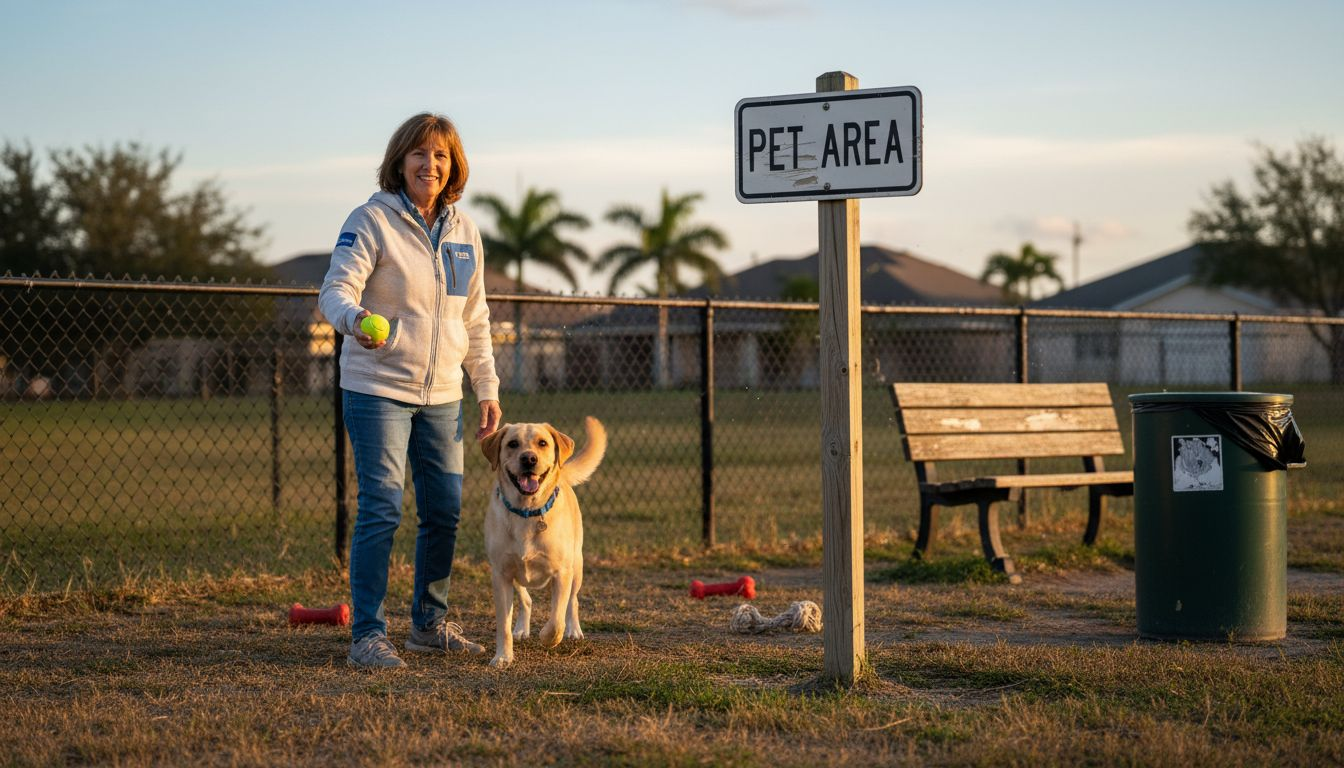
Transparent communities spell out exactly what amenities exist, their quality, and any restrictions on access. This honesty helps you decide whether the space truly works for your situation.
Pro tip: Visit the property during times your pet would typically use the amenities—like afternoon or early evening—to see actual usage, maintenance quality, and whether other pets create a comfortable social environment.
Key Features of Modern Pet-Friendly Apartments
The best pet-friendly apartments go beyond simply allowing animals on the property. Modern communities recognize that pets are family, and they design accordingly.
Key features that separate truly pet-friendly apartments from the rest include:
- Inclusive pet policies minimizing breed and size restrictions
- On-site pet exercise areas like dog parks and play yards
- Pet grooming stations equipped for regular cleaning and maintenance
- Pet waste disposal infrastructure throughout the community
- Nearby veterinary service access for emergencies and routine care
- Transparent, written policies clearly explaining all pet rules
Modern pet-friendly apartments also emphasize safe, clean environments with clear ownership guidelines. This approach reduces conflicts between pet owners and other residents while fostering responsible pet ownership.
Beyond physical amenities, quality pet-friendly communities provide education and support resources for pet owners. This might include training workshops, pet behavior consultations, or partnerships with local animal welfare organizations.
Another critical feature is accessibility and affordability. Modern developments increasingly recognize that pet owners shouldn’t face extreme cost barriers. This means reasonable pet deposits, transparent pet fees, and no surprise charges buried in lease agreements.
Community spaces designed for pet interaction matter too. Dog parks are nice, but pet-friendly lounges where residents socialize build stronger communities. These spaces help you connect with other pet owners facing similar challenges.
The best pet-friendly apartments treat pet ownership as integral to the community, not as a nuisance to tolerate.
For young professionals and students in Boca Raton, transparency matters most. You need to know exactly what restrictions apply, what amenities exist, and what costs you’ll actually pay. Hidden fees or surprise breed restrictions create frustration down the road.
Successful modern pet-friendly apartments track resident retention rates and satisfaction. If the community invests in quality pet amenities, residents stay longer and report higher happiness. That mutual benefit shows in how the property operates.
Pro tip: Ask about the property’s collaboration with local veterinary services and whether they offer preferred pricing—this combination saves money on emergency care and routine check-ups throughout your lease.
Policies, Restrictions, and Legal Rights for Pet Owners
Pet ownership in rental housing exists in a gray zone legally. Your rights aren’t automatically protected just because you own a pet, but federal and state laws do provide some safeguards worth understanding.
The Fair Housing Act protects service animals and emotional support animals, requiring landlords to make reasonable accommodations. Regular pets like dogs and cats get far less protection. This distinction matters more than most renters realize.
Common restrictions landlords enforce include:
- Breed bans excluding specific dog breeds entirely
- Weight limits capping pet size (often 25-50 pounds)
- Pet deposits requiring upfront money before move-in
- Monthly pet rent adding ongoing costs to your lease
- Number limits restricting how many pets you can have
- Additional insurance requirements you must carry
Understanding service and emotional support animals separately is crucial. These have federal protections that override most pet restrictions. A service animal trained for a disability can’t be denied; an emotional support animal prescribed by a healthcare provider gets similar legal standing.
Regular pets offer no such protection. Landlords can legally deny or restrict them unless state or local law says otherwise. Florida has specific tenant laws worth reviewing, but they don’t guarantee broad pet rights.
You have legitimate options when facing unfair restrictions. Negotiating with landlords about reasonable policy modifications sometimes works. Getting pet policies in writing prevents future disputes about what was promised.
Pet ownership is not a protected class, so landlords can refuse pets for any non-discriminatory reason.
For young professionals and students, obtaining written permission for your pet before signing a lease protects you legally. A verbal “yeah, pets are fine” creates problems if a manager changes or you need to prove permission later.
State and local laws vary significantly. Some areas prohibit certain breed restrictions. Others require landlords to justify pet fees as reasonable. Knowing your specific location’s rules strengthens your negotiating position.
Transparent communities like ours spell out all policies upfront so there’s no confusion. Clear lease clauses about what’s permitted prevent conflicts after you move in.
Pro tip: Request a complete written copy of all pet restrictions, fees, and policies before signing your lease, then have a clear conversation about any modifications you need—document everything in writing as part of your lease addendum.
Costs, Risks, and Common Pitfalls with Pet Amenities
Pet-friendly apartments sound perfect until you see the actual costs. Many renters underestimate how much their pet will really expense them beyond the monthly rent.
Financial costs of pet amenities include:
- Pet deposits ranging from $200 to $500 upfront
- Monthly pet rent adding $25 to $100+ to your lease
- Pet insurance requirements you must carry separately
- Veterinary care costs for regular checkups and emergencies
- Food and supplies that add up throughout the year
- Cleaning fees if property damage occurs
Pet ownership requires money beyond housing. Financial expenses for veterinary care and pet services accumulate quickly. Young professionals on tight budgets often face sticker shock when calculating total monthly pet expenses.
Here’s how typical pet costs can impact your monthly budget:
| Expense Type | Typical Monthly Cost | Budgeting Tip |
|---|---|---|
| Pet Rent | $25-$100 per pet | Ask about total monthly charges |
| Food & Supplies | $50-$75 per pet | Buy in bulk for savings |
| Insurance | $10-$40 per pet | Check for community discounts |
| Vet Care Savings | Varies, up to $50 | Look for veterinary partnerships |
| Cleaning Fees | $0-$30 (as needed) | Keep receipts for possible refunds |
A common pitfall: hidden or unexpected fees. Some properties advertise low pet deposits but charge high monthly pet rent. Others claim pet-friendly status but impose restrictive conditions that make ownership impractical.
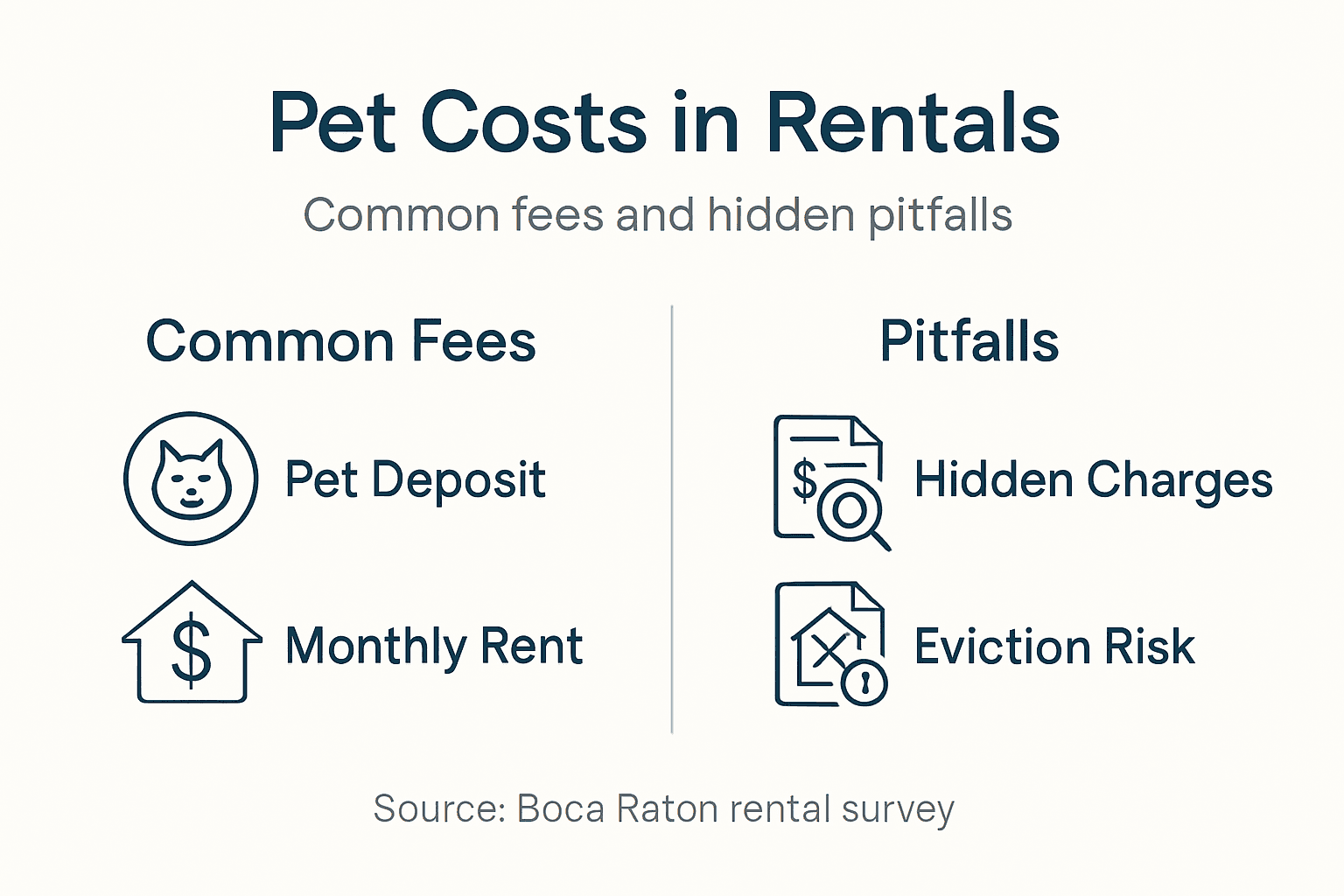
Risks extend beyond money. Property damage from pets creates disputes between tenants and landlords. Poorly maintained pet amenities become safety hazards—overgrown dog parks or contaminated relief areas pose health risks to your pet.
Another pitfall involves policy misclassification. Some renters falsely claim their pets are emotional support animals to avoid restrictions. This misuse harms genuinely disabled people who rely on legitimate accommodations and creates landlord skepticism about all support animal claims.
Pet amenities require ongoing maintenance to remain safe and functional for your pet.
Eviction risk becomes real when pet policies are violated. Breed restrictions, weight limits, or number caps seem minor until you violate them and face eviction. A family forced to rehome a beloved pet faces both emotional and financial loss.
Community noise and property concerns matter too. Poorly managed dog parks become nuisance zones with constant barking. Inadequate waste disposal creates sanitation problems affecting all residents, not just pet owners.
Transparent pricing prevents these pitfalls. Knowing exactly what fees you’ll pay—and why—helps you budget properly. Understanding all restrictions before signing protects you from future conflicts.
Quality properties maintain their pet amenities diligently. This investment shows they take pet ownership seriously and prevents the deterioration that turns amenities into liabilities.
Pro tip: Calculate your total monthly pet costs including deposits, pet rent, insurance, and veterinary care before signing a lease, then compare that against your budget to ensure you won’t face financial strain.
Discover True Pet-Friendly Living at Cynthia Gardens
Finding an apartment that calls itself pet-friendly can feel confusing when hidden fees, strict breed restrictions, or lack of real pet amenities get in the way. If you want transparent pricing and genuine pet-friendly features without surprise costs or unclear policies you are not alone. The key to stress-free pet ownership starts with a community that understands your needs and your pet’s daily comfort.
At Cynthia Gardens in Boca Raton you get more than just permission to have a pet. Our modern apartments combine affordable pricing with dedicated pet-friendly amenities including safe exercise areas and clear, upfront pet policies. We support young professionals and students with tech-forward leasing tools that make exploring and choosing your perfect pet-friendly home easy and confident.
Explore our community and see how we deliver the pet amenities and transparency that truly matter.
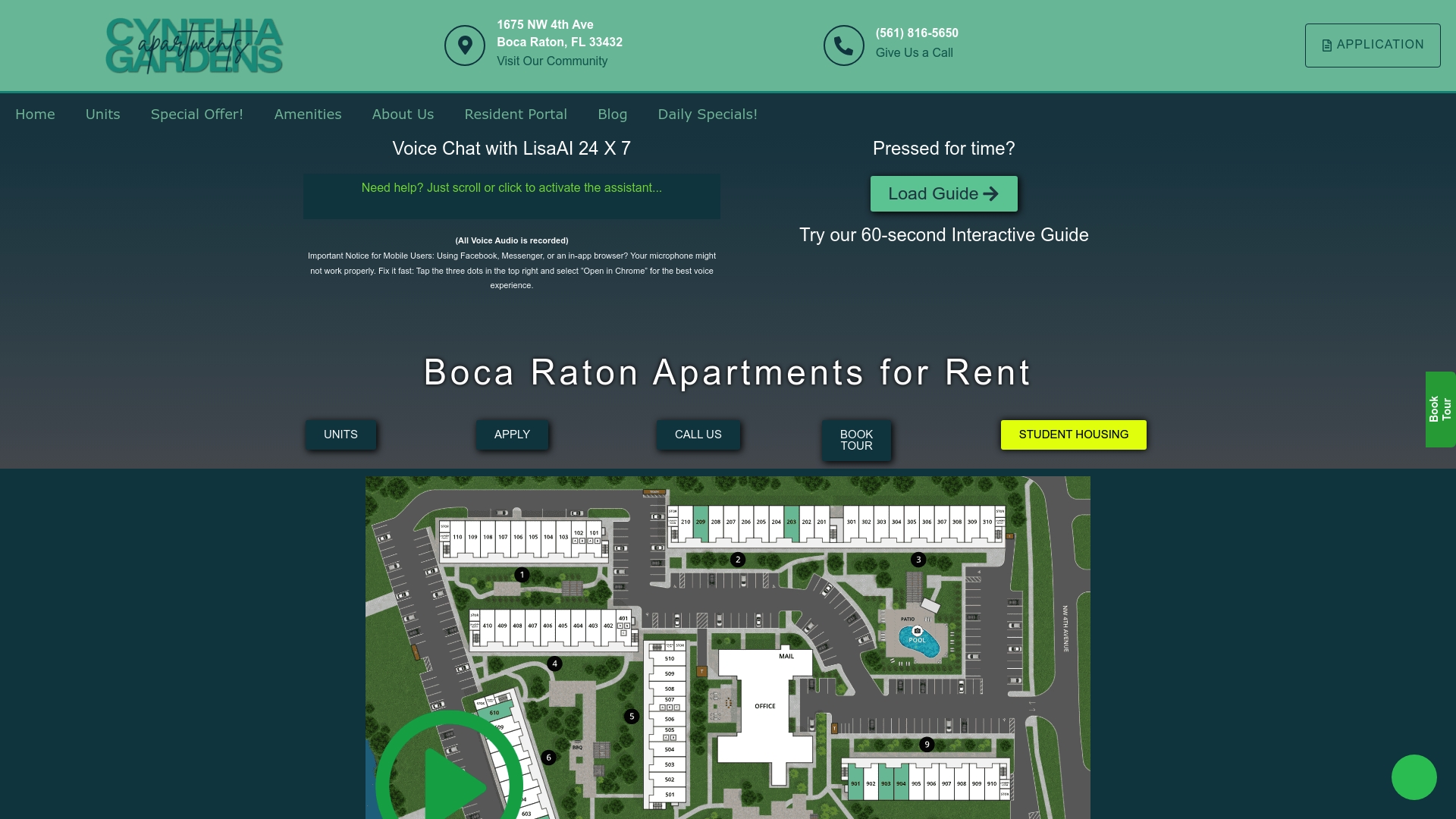
Make your next home a place where you and your pet can thrive together. Visit Cynthia Gardens today to schedule a virtual tour and step into a pet-friendly lifestyle without the guesswork or surprises.
Frequently Asked Questions
What does pet-friendly mean in rental housing?
Pet-friendly typically means animals are allowed on the premises, but specific rules can vary widely among properties, including size, breed restrictions, and pet fees.
What are some common pet amenities to look for in an apartment?
Common pet amenities include designated pet relief areas, dog parks, pet washing stations, waste disposal services, and walking trails specifically designed for pets.
How can I ensure a rental property is genuinely pet-friendly?
Request a copy of the complete pet policy before touring the property, and ask specific questions about any breed or size restrictions, pet fees, and available amenities to ensure they fit your pet’s needs.
What should I consider when budgeting for pet expenses in an apartment?
Consider costs such as pet deposits, monthly pet rent, food and supplies, pet insurance, veterinary care expenses, and potential cleaning fees. Total monthly pet costs can add up quickly, so budget accordingly.
Recommended
- Premier Apartment Complex in Boca with Pet-Friendly Living – Luxury Apartments for Rent in Boca Raton | Premium Boca Raton Apartments | Aapartments Boca Raton
- The Best Pet-Friendly Apartments in Boca Raton – Luxury Apartments for Rent in Boca Raton | Premium Boca Raton Apartments | Aapartments Boca Raton
- What Is a Pet-Friendly Apartment in Boca Raton?
- Why Rent Pet-Friendly Apartments in Boca Raton