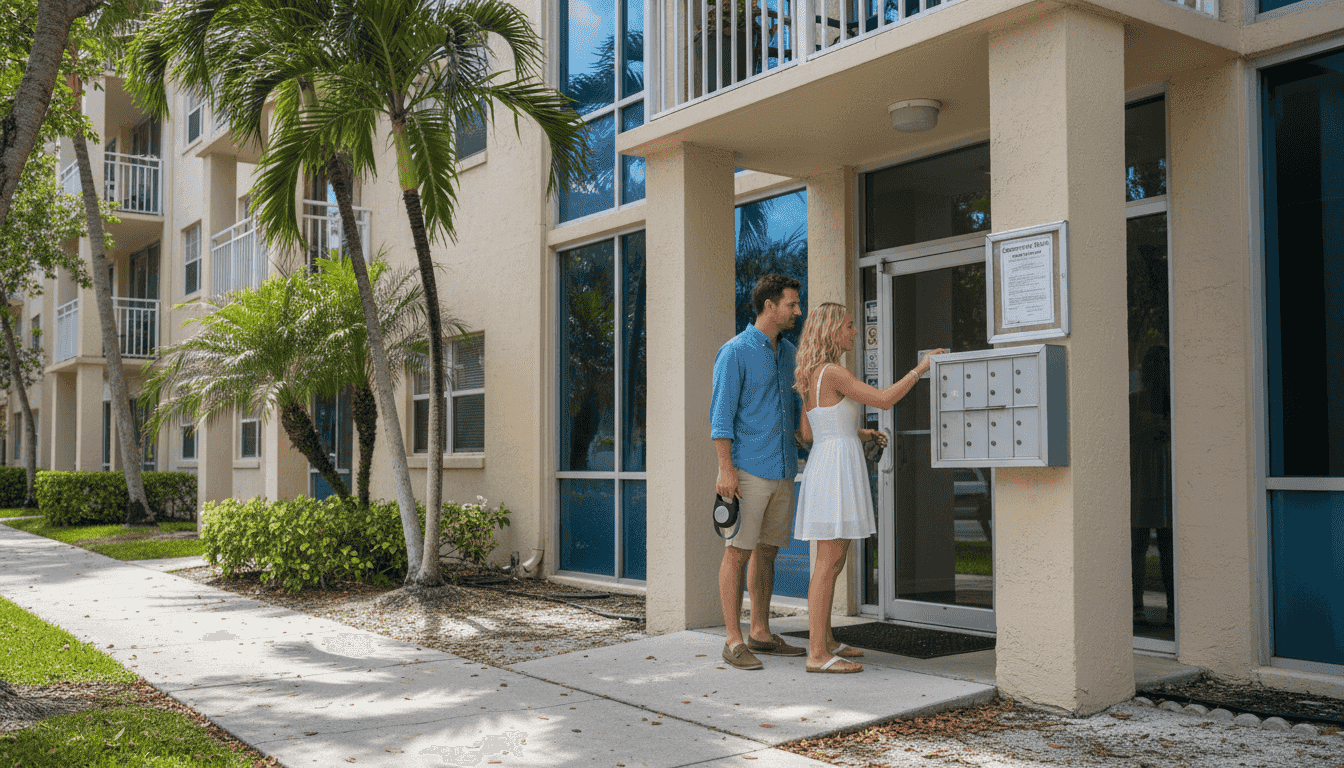
Moving into your first apartment in Boca Raton can feel overwhelming if you do not know the community rules up front, especially when you have a pet. Apartment guidelines are more than random landlord decisions—they exist to support safety, fairness, and comfort for everyone. Understanding building codes and pet policies from the start means you get peaceful mornings, avoid surprise fees, and keep your furry friend welcome in your home. This guide reveals what to expect, helping you make smart leasing choices.
Table of Contents
- Defining Apartment Community Rules And Purposes
- Categories Of Community Rules Explained
- Common Policies For Pets, Noise, And Amenities
- Resident Rights, Duties, And Consequences
- Navigating Rules For A Hassle-Free Stay
Key Takeaways
| Point | Details |
|---|---|
| Importance of Community Rules | Apartment community rules are essential for maintaining order, safety, and mutual respect among residents. They help prevent conflicts and ensure a pleasant living environment. |
| Categories of Rules | Rules are categorized into safety, behavioral, maintenance, pet, guest, and amenity usage, each serving specific functions to enhance communal living. |
| Rights and Duties | Residents have rights to safe living conditions and timely repairs, while duties include adhering to community rules and maintaining the apartment. |
| Proactive Communication | Clear communication with management and neighbors is crucial to prevent misunderstandings and to navigate community rules effectively. |
Defining Apartment Community Rules and Purposes
Apartment community rules aren’t arbitrary restrictions dreamed up by landlords. They’re structured guidelines that shape how residents live together and how the building operates safely and fairly.
Think of these rules as the foundation of your living experience. Without them, apartment communities would descend into chaos—neighbors playing music at 3 a.m., maintenance issues piling up, and no clear boundaries about what’s acceptable behavior.
What Are Apartment Community Rules?
These are official guidelines set by your apartment community that govern everything from noise levels to pet policies to parking rules. They typically cover:
- Quiet hours and noise restrictions
- Pet ownership and breed policies
- Parking regulations and guest parking
- Maintenance responsibilities and repair timelines
- Smoking policies (if applicable)
- Community amenity usage rules
- Guest policies and overnight visitor limits
Why Communities Need Rules
Building codes and safety standards establish minimum requirements for apartment design, construction, and maintenance, which directly impacts how your building operates. But beyond legal compliance, rules serve a bigger purpose: they protect your quality of life.
Rules create order. They prevent neighbor disputes before they start. They ensure the building stays well-maintained so your apartment—and your investment in your lease—holds its value.
Who Sets These Rules?
In most apartment communities, management sets and enforces rules based on state and local regulations. Some communities operate under homeowner association structures, where resident-governed organizations establish rules that shape everything from exterior appearance to community behavior.
Rules may also reflect building codes, fire safety regulations, and lease agreements you signed.
Why Rules Matter to You
If you’re a young professional or student moving to your first apartment or searching for affordable housing in Boca Raton, understanding these rules upfront prevents conflicts later. A rule you didn’t know about could result in fines, lease violations, or even eviction.
Rules protect you too. Noise restrictions mean you get peaceful mornings before class or work. Pet policies ensure the building is genuinely pet-friendly or protects those with allergies. Parking rules mean you’ll actually find a spot.
Clear, transparent community rules create the foundation for peaceful, harmonious apartment living where everyone knows what to expect.
Pro tip: Request a copy of the community rules before signing a lease, and ask about any rules you find unclear—especially pet policies, quiet hours, and parking if you have a vehicle.
Categories of Community Rules Explained
Apartment community rules fall into several distinct categories, each serving a specific purpose. Understanding these categories helps you grasp why certain rules exist and how they affect your daily life.
Think of rules as organized into buckets. Safety rules, behavioral rules, maintenance rules, and amenity rules all work together to create a functioning community. Each category addresses different aspects of apartment living.
Safety and Building Code Requirements
Fire safety, accessibility, and energy efficiency standards are mandated by law and form the backbone of community rules. These aren’t optional—they exist to protect you and everyone in the building.
Safety rules typically include:
- Fire safety protocols and emergency procedures
- Blocked exit routes and stairwell access
- Smoke detector and alarm maintenance
- Emergency contact information requirements
- Hazardous material restrictions
Behavioral and Conduct Rules
These rules govern how residents interact with each other and use shared spaces. They’re about creating a respectful living environment where everyone’s quality of life matters.
Common behavioral rules include:
- Quiet hours (typically 10 p.m. to 7 a.m. on weekdays)
- Guest policies and visitor limitations
- Noise restrictions for music, parties, and equipment
- Harassment and discrimination prohibitions
- Smoking and vaping policies
Property and Maintenance Rules
These protect the physical condition of your apartment and common areas. When residents follow maintenance rules, the building stays functional and attractive for everyone.
They cover repairs, lease compliance, and responsibility for damage. Management handles structural maintenance, but residents manage their interior spaces.

Pet and Guest Policies
For pet owners like yourself, these rules are crucial. Pet policies specify breed restrictions, size limits, number of animals allowed, and additional pet fees or deposits.
Residential occupancy classifications dictate how apartments must accommodate various resident needs, which directly impacts pet-friendly designations and community design.
Guest policies define how long visitors can stay, parking permissions for guests, and quiet hours visitors must respect.
Amenity Usage Rules
If your community has a fitness center, pool, or clubhouse, these spaces have dedicated rules. They specify hours of operation, reservation requirements, and behavioral expectations.
Different rule categories work together like interconnected systems—remove one and the whole community balance shifts.
Pro tip: Create a quick reference document with the rules that affect you most (quiet hours, pet policies, parking), and post it on your fridge to stay compliant from day one.
Here’s a quick reference comparing the main categories of apartment community rules and who enforces them:
| Rule Category | Enforced By | Typical Focus |
|---|---|---|
| Safety & Building Codes | Management, local authorities | Emergency procedures, safety equipment |
| Behavioral & Conduct | Management, residents | Noise limits, respectful behavior |
| Maintenance & Property | Management, tenants | Repairs, cleanliness standards |
| Pet & Guest Policies | Management, resident groups | Animal restrictions, visitor limits |
| Amenity Usage | Management, HOA | Access hours, reservation process |
Common Policies for Pets, Noise, and Amenities
These three policy areas directly affect your daily life in an apartment community. Whether you have a furry friend, value peaceful mornings, or want to use the fitness center, understanding these policies prevents conflicts and helps you enjoy your home.
Let’s break down each category so you know exactly what to expect before signing your lease.
Pet Policies: What You Need to Know
Pet ownership regulations balance resident preferences with legal protections by addressing pet types, breeds, sizes, fees, and vaccination requirements. These policies ensure comfort and safety for all residents, including those with allergies or fears.
Most pet policies cover:
- Allowed pet types (dogs, cats, birds, reptiles, etc.)
- Breed and size restrictions
- Pet deposit or monthly pet fees
- Vaccination and licensing requirements
- Number of pets allowed per unit
- Pet behavior standards and liability clauses
For young professionals and students in Boca Raton with pets, clarity on these rules upfront saves money and prevents unexpected conflicts with management.
Noise Policies: Respecting Shared Walls
You share walls with neighbors. That’s apartment living. Noise policies exist to protect everyone’s right to peaceful enjoyment of their home.
Local noise ordinances establish sound level limits during specific times to preserve peace and reduce nuisance complaints. Most communities enforce quiet hours from 10 p.m. to 7 a.m. on weekdays and slightly later on weekends.
Noise restrictions typically apply to:
- Music and entertainment systems
- Parties and gatherings
- Construction or maintenance activities
- Pet noise (barking)
- Heavy footsteps or moving furniture
- Power tools and equipment
Violating noise policies can result in warnings, fines, or lease termination, so take these seriously.
Amenity Usage Rules
If your community has a fitness center, pool, or clubhouse, these spaces have specific rules. They typically require reservations for private events, specify operating hours, and outline behavioral expectations.
Common amenity rules include:
- Hours of operation (often 6 a.m. to 10 p.m.)
- Guest policies for amenity access
- Reservation requirements for events
- Cleanliness and maintenance standards
- Equipment usage guidelines
- Noise restrictions in shared spaces
Pet, noise, and amenity policies aren’t punitive—they’re designed to protect everyone’s right to enjoy their apartment.
Pro tip: Review the noise policy and pet restrictions before your move-in date, and ask management for clarification on gray areas like acceptable guest counts or music volume during daytime hours.
Compare the impact of violating different apartment policies:
| Policy Area | Common Violations | Potential Consequences |
|---|---|---|
| Noise | Loud music after hours | Warning, fine, eviction risk |
| Pet | Unauthorized animal breed | Loss of deposit, eviction, fines |
| Amenities | Unauthorized event | Access loss, fines, complaint |
| Maintenance | Failure to report damage | Increased repair cost, fees |
| Parking | Unauthorized vehicle | Towing, fine, loss of spot |
Resident Rights, Duties, and Consequences
Apartment living is a two-way street. You have rights that protect your living situation, and you have duties that keep the community functioning. Understanding both prevents misunderstandings and protects you legally.
This balance between rights and responsibilities shapes how apartments operate and how disputes get resolved.
Your Rights as a Resident
Tenants have fundamental rights including safe, habitable living conditions, timely repairs, and privacy protection. Management cannot legally ignore maintenance requests, discriminate based on protected characteristics, or violate your privacy without cause.
Your key rights include:
- Right to a safe, clean, habitable unit
- Right to timely repairs and maintenance
- Right to privacy (with notice for inspections)
- Right to protection from discrimination
- Right to organize without retaliation
- Right to receive proper notice before eviction
If management violates these rights, you have legal recourse through complaint processes, mediation, or small claims court.
Your Duties as a Resident
Just as management must provide safe housing, you must uphold your responsibilities. Residents must pay rent on time, maintain their unit, and comply with community rules. This creates the cooperative environment necessary for community well-being.
Your key duties include:
- Pay rent in full and on time
- Maintain the unit in clean, undamaged condition
- Follow all community rules and lease terms
- Respect neighbors and shared spaces
- Report maintenance issues promptly
- Use amenities responsibly
Consequences of Rule Violations
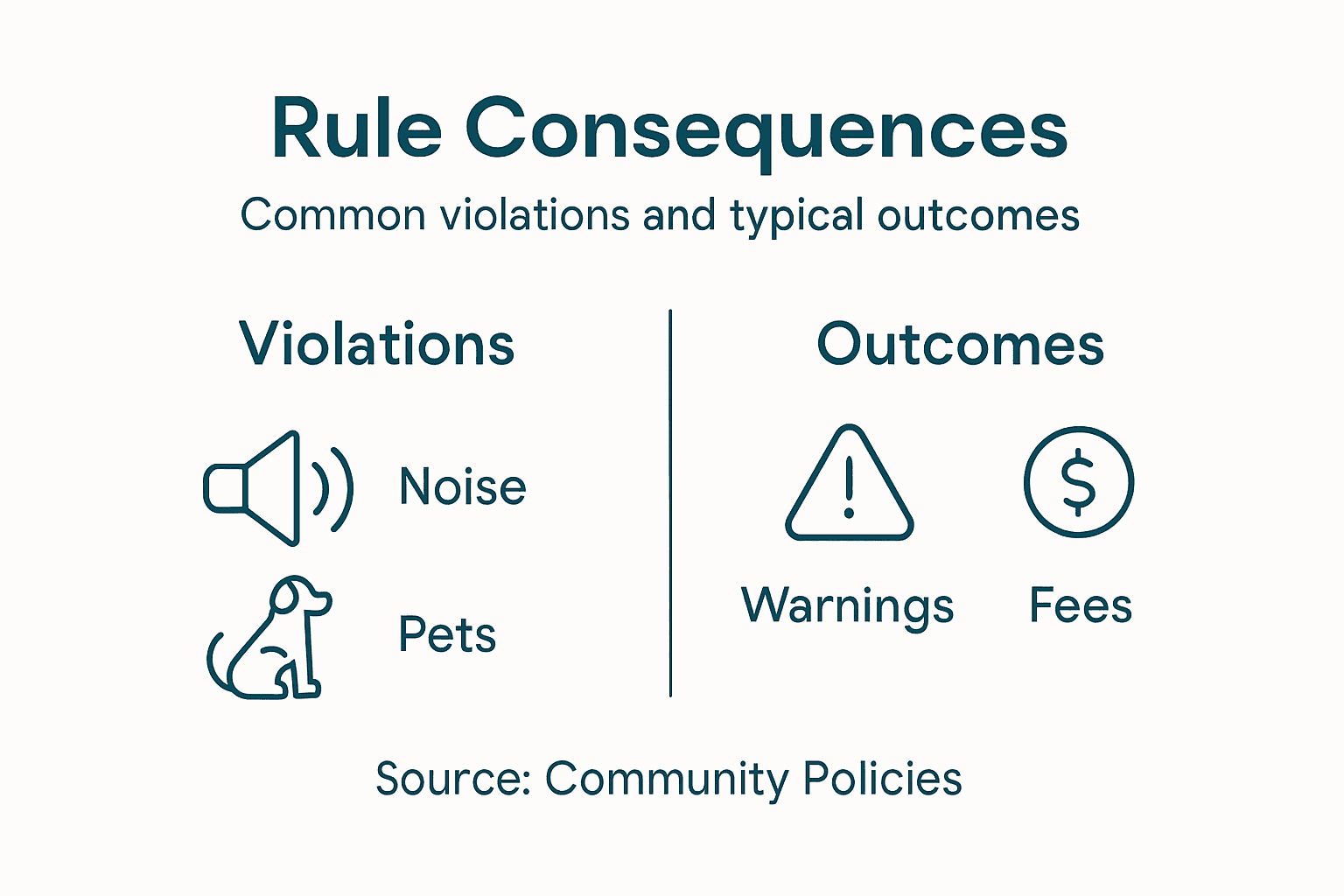
Breaking community rules has real consequences. Minor violations may start with written warnings. Repeated or serious violations escalate quickly.
Possible consequences include:
- Written warnings or notices
- Fines or fees (typically $50-$500 per violation)
- Loss of amenity privileges
- Required lease compliance meetings
- Lease termination and eviction
- Legal action and damage claims
For pet owners, noise violations, or repeated maintenance issues, consequences accumulate. One noise complaint might be a warning. Three complaints in six months could mean eviction proceedings.
Documentation Matters
Keep records of everything. If you report a maintenance issue, follow up in writing. If management claims you violated a rule, request written documentation. This protects both sides and provides evidence if disputes escalate.
Rights and duties aren’t opposing forces—they work together to create a fair, functioning community where everyone knows where they stand.
Pro tip: Request a written copy of all community rules and your lease agreement before move-in, and document any maintenance requests via email so you have proof of communication.
Navigating Rules for a Hassle-Free Stay
Following community rules isn’t about blindly obeying restrictions. It’s about protecting your peace, your wallet, and your right to stay. When you understand and respect rules, life in your apartment becomes significantly easier.
Here’s how to navigate rules proactively and avoid conflicts before they start.
Read and Understand Before Move-In
Understanding lease terms, local housing laws, and community policies is the foundation of a hassle-free stay. Request the complete rule book before signing your lease, and ask questions about anything unclear.
During your lease review:
- Request a detailed community rules document
- Ask management to clarify gray areas
- Note specific quiet hours, pet policies, and parking rules
- Confirm amenity access and reservation procedures
- Understand the process for reporting maintenance issues
- Get contact information for emergency situations
Clarifying everything upfront prevents “I didn’t know that” situations later.
Communicate Proactively With Management
Tenants should communicate with landlords and use available resources to resolve conflicts, ensuring a peaceful stay. Don’t wait for management to contact you about problems. Reach out first.
If you’re planning a gathering, notify management. If your pet tends to bark, work with neighbors to minimize disturbance. If you spot a maintenance issue, report it immediately in writing.
This proactive approach shows respect and prevents violations.
Document Everything
Keep records of all communications with management. Screenshot emails. Save work orders. Document noise complaints you receive or file. If disputes arise, written documentation protects you.
Maintain records for:
- Maintenance requests and responses
- Lease violation notices
- Neighbor communication attempts
- Violation complaint letters
- Move-in and move-out inspection photos
Know Your Local Laws
Community rules can’t override state or local tenant laws. Familiarize yourself with basic tenant rights in your area. If management enforces an illegal rule, you have recourse.
Common protections include:
- Retaliation protection for reporting violations
- Right to habitable housing conditions
- Notice requirements before eviction
- Discrimination protections
- Security deposit return timelines
Build Good Neighbor Relationships
Neighbors are your first line of defense against rule conflicts. A quick conversation prevents escalation. If your music is too loud, a neighbor’s polite knock gives you a chance to fix it before it becomes a formal complaint.
Treating neighbors with respect creates a buffer against minor violations becoming major problems.
Navigating rules successfully means understanding them, respecting them, and communicating openly when questions arise.
Pro tip: Create a rulebook checklist on your phone or in a notes app, marking off items you understand and flagging areas to clarify with management before your lease starts.
Live Comfortably with Clear Community Rules at Cynthia Gardens
Navigating apartment community rules can feel overwhelming, especially when it comes to pet policies, noise restrictions, and amenity usage. At Cynthia Gardens, we understand these common challenges for young professionals and students in Boca Raton. Our community offers transparent guidelines and a welcoming environment that respects your rights and responsibilities, so you can enjoy apartment living without surprises or conflicts.
Ready for a hassle-free leasing experience that prioritizes clarity and convenience? Explore our affordable one-bedroom apartments where clear communication meets modern amenities and pet-friendly options. Visit Cynthia Gardens to discover how we make living in Boca Raton simple and stress-free. Don’t wait—secure your perfect home today and experience peaceful, rule-respecting community life.
Frequently Asked Questions
What are apartment community rules?
Apartment community rules are official guidelines that govern various aspects of living in an apartment, including noise levels, pet policies, maintenance responsibilities, and use of community amenities. They aim to ensure a safe and enjoyable living environment for all residents.
Why do apartment communities need rules?
Apartment community rules create order and help prevent conflicts between residents. They protect the quality of life by ensuring that common spaces are maintained and that residents behave in a way that respects their neighbors.
Who sets the apartment community rules?
Apartment community rules are typically set by management based on state and local regulations. In some cases, resident-governed associations or homeowner associations (HOAs) may also have a hand in establishing these rules.
What are the consequences of violating apartment community rules?
Violating community rules can lead to various consequences, including written warnings, fines, loss of amenity privileges, and in extreme cases, eviction. It’s crucial for residents to understand and adhere to these rules to ensure a harmonious living environment.
Recommended
- apartment complex boca raton fl – Luxury Apartments for Rent in Boca Raton | Premium Boca Raton Apartments | Aapartments Boca Raton
- Boca Raton’s Best Amenities – What To Look For In Your Next Apartment – Luxury Apartments for Rent in Boca Raton | Premium Boca Raton Apartments | Aapartments Boca Raton
- Boca Raton Neighborhoods – Choosing The Right Area For Your Apartment – Luxury Apartments for Rent in Boca Raton | Premium Boca Raton Apartments | Aapartments Boca Raton
- Discover the Hidden Gems: Why Boca Apartments Are Your Next Dream Home – Luxury Apartments for Rent in Boca Raton | Premium Boca Raton Apartments | Aapartments Boca Raton
- Insurance Claim Myths Explained: What Every Homeowner Needs To Know