
Finding an affordable one-bedroom apartment in Boca Raton can feel overwhelming when rent prices climb faster than paychecks and every extra fee chips away at your plans. For young professionals, FAU students, and pet owners alike, clear budgeting is often the difference between financial peace and end-of-month stress. This guide walks you through honest expense tracking and transparent pricing so you can confidently set realistic limits, calculate true living costs, and avoid the budget traps many newcomers face.
Table of Contents
- Step 1: Assess Your Monthly Income And Expenses
- Step 2: Set Realistic Apartment Rent And Fee Limits
- Step 3: Calculate Ongoing Costs Including Utilities And Pet Fees
- Step 4: Verify Your Budget With Transparent Pricing Tools
- Step 5: Review And Adjust Your Budget For Confidence
Quick Summary
| Key Message | Explanation |
|---|---|
| 1. Assess Your Financial Situation | Calculate total monthly income and expenses accurately to establish a solid budget. |
| 2. Set Rent Limit Based on Income | Spend no more than 30% of your income on housing to maintain financial stability. |
| 3. Account for Ongoing Costs | Include utilities and pet costs to understand the true cost of living in Boca Raton. |
| 4. Verify Pricing with Market Data | Use reliable resources to compare actual rent prices and fees to avoid overpaying. |
| 5. Regularly Review and Adjust Budget | Monitor actual spending versus budgeted amounts to ensure financial sustainability. |
Step 1: Assess your monthly income and expenses
Before you sign a lease or move to Boca Raton, you need a clear picture of your financial situation. This step forms the foundation of your entire apartment budget. Without it, you’ll be guessing instead of planning.
Start by calculating your total monthly income. Pull out your recent pay stubs and add up everything you earn each month. If you have multiple income sources (your job, side gigs, freelance work), include all of them. This is your starting point.
Next, list every expense you currently pay or will pay once you move. The key is being thorough and honest about what you actually spend, not what you think you should spend.
Break your expenses into two categories:
- Fixed costs stay the same each month: rent, insurance, subscription services, loan payments
- Variable costs change: groceries, gas, dining out, entertainment, pet supplies if you have a furry roommate
Write down the specific dollar amount for each expense. Don’t estimate. Go back through your bank statements and credit card bills from the last two to three months to find real numbers.
Here’s what a basic expense list might look like for someone moving to Boca Raton:
Here’s a summary of typical monthly apartment expenses for Boca Raton newcomers:
| Expense Category | Typical Range | Notes |
|---|---|---|
| Rent | $1,500–$2,000 | One-bedroom average in Boca Raton |
| Utilities | $150–$300 | Includes electric, water, internet |
| Transportation | $100–$350 | Car payment, insurance, or transit |
| Groceries & Food | $250–$400 | Varies by shopping/eating out habits |
| Pet Fees & Care | $75–$165 | Includes pet rent and supplies |
| Renter’s Insurance | $10–$30 | Often required for lease |
| Entertainment | $75–$200 | Movies, dining out, hobbies |
| Emergency Savings | $50–$200 | Recommended monthly contributions |
- Rent (your one-bedroom apartment)
- Utilities (electric, water, internet)
- Groceries and food
- Transportation (car payment, gas, insurance, or public transit)
- Phone bill
- Pet expenses (if applicable)
- Personal care items
- Entertainment and dining out
- Savings goal
- Emergency fund contributions
Making a budget helps ensure you spend less than you earn each month. Subtract your total expenses from your total monthly income. If the number is positive, you’re on solid ground. If it’s negative or too close to zero, you need to adjust.
The gap between income and expenses determines whether your apartment is actually affordable, not just the rent price alone.
Don’t skip this calculation because you think you already know the answer. Most people underestimate their variable expenses by 20 to 40 percent. Writing it down reveals the truth.
Pro tip: Use a simple spreadsheet or budgeting app to track these numbers for at least two months before signing your lease. This real data beats any estimate when deciding if Boca Raton is financially feasible for you right now.
Step 2: Set realistic apartment rent and fee limits
Now that you know your actual income and expenses, it’s time to determine how much rent you can actually afford. This is where numbers meet reality, and it’s critical to get it right.
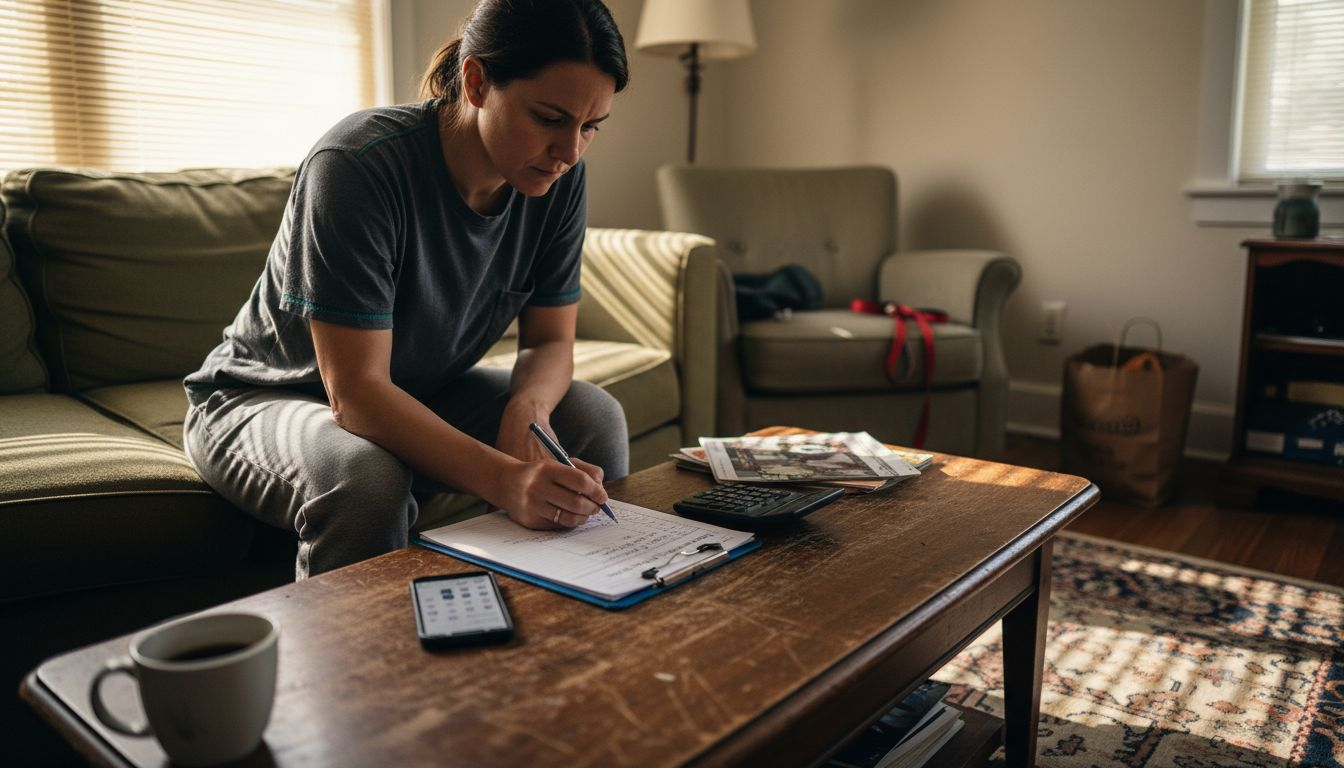
The golden rule is simple: spend no more than 30% of your income on housing. If you earn $3,000 per month, your rent limit is $900. If you make $4,500 monthly, cap rent at $1,350. This isn’t arbitrary—housing cost affordability directly impacts your ability to cover other expenses and build savings.
But rent is only part of the housing equation. You also need to account for additional costs that come with your one-bedroom apartment:
- Utilities (electricity, water, internet)
- Renter’s insurance
- Pet fees (if applicable)
- Parking fees
- Amenity charges or community fees
Add these together and your total housing cost should still stay under that 30% threshold. A $1,000 rent might seem affordable until you realize utilities add another $150 and pet fees add $75 monthly.
Here’s how to calculate your realistic rent limit:
- Take your total monthly income
- Multiply by 0.30 to find your 30% ceiling
- Subtract anticipated utilities and fees from that number
- The result is your maximum rent payment
Let’s say you earn $3,600 monthly. Thirty percent equals $1,080. If utilities and fees total $250, your actual rent limit is $830. That’s the hard cap.
Your maximum rent isn’t what landlords will accept—it’s what your budget can sustain without crushing other financial goals.
When you search for apartments in Boca Raton, you’ll see pricing all over the board. Stick to your number. Don’t rationalize overspending because a place has a nice balcony or is one block closer to FAU. Financial discipline now prevents financial stress later.
Review lease agreements carefully for hidden fees. Some communities advertise low rent but charge extra for things you didn’t expect. Transparent pricing matters—know every fee before signing.
Pro tip: Create a spreadsheet showing your 30% income limit minus expected utilities and fees, then use that final number as your non-negotiable rent ceiling when touring apartments in Boca Raton.
Step 3: Calculate ongoing costs including utilities and pet fees
Rent is only the beginning. The real cost of apartment living includes everything that keeps your space functional and comfortable. Most people forget to budget for these until they get their first electric bill in Florida heat.
Utilities are your biggest variable cost after rent. In Boca Raton, expect to pay for electricity, water, gas (if applicable), internet, and trash collection. Utility expenses represent a meaningful portion of your total housing budget and fluctuate based on season and usage.
Here’s what you need to estimate:
- Electricity (significant in Florida summers)
- Water and sewer
- Internet and cable
- Trash and recycling
- Renters insurance
Contact your leasing office or ask current residents what they typically pay. Don’t guess. A one-bedroom in Boca Raton might run $100 to $200 monthly for electricity alone during summer months. Winter bills drop, but you need the worst-case number for accurate budgeting.
If you have pets, add another layer of costs. Pet deposits typically range from $200 to $500 upfront. Monthly pet fees range from $25 to $75 depending on the community. But deposits and fees are just the start.
Pet ownership involves ongoing financial responsibilities beyond apartment fees. Calculate your annual pet budget:
- Pet deposit (one-time)
- Monthly pet rent
- Food and supplies
- Veterinary care and emergencies
- Grooming and other services
A dog or cat easily costs $1,000 to $2,000 annually when you factor in food, vet visits, and preventative care. That’s roughly $85 to $165 per month you need to account for.
Utilities and pet costs are non-negotiable ongoing expenses, not optional add-ons you can trim later.
Create a complete monthly cost breakdown. Start with rent, add utilities (use high estimates), add pet fees and care costs, then add renter’s insurance. This total should still keep your overall housing costs under 30% of your income.
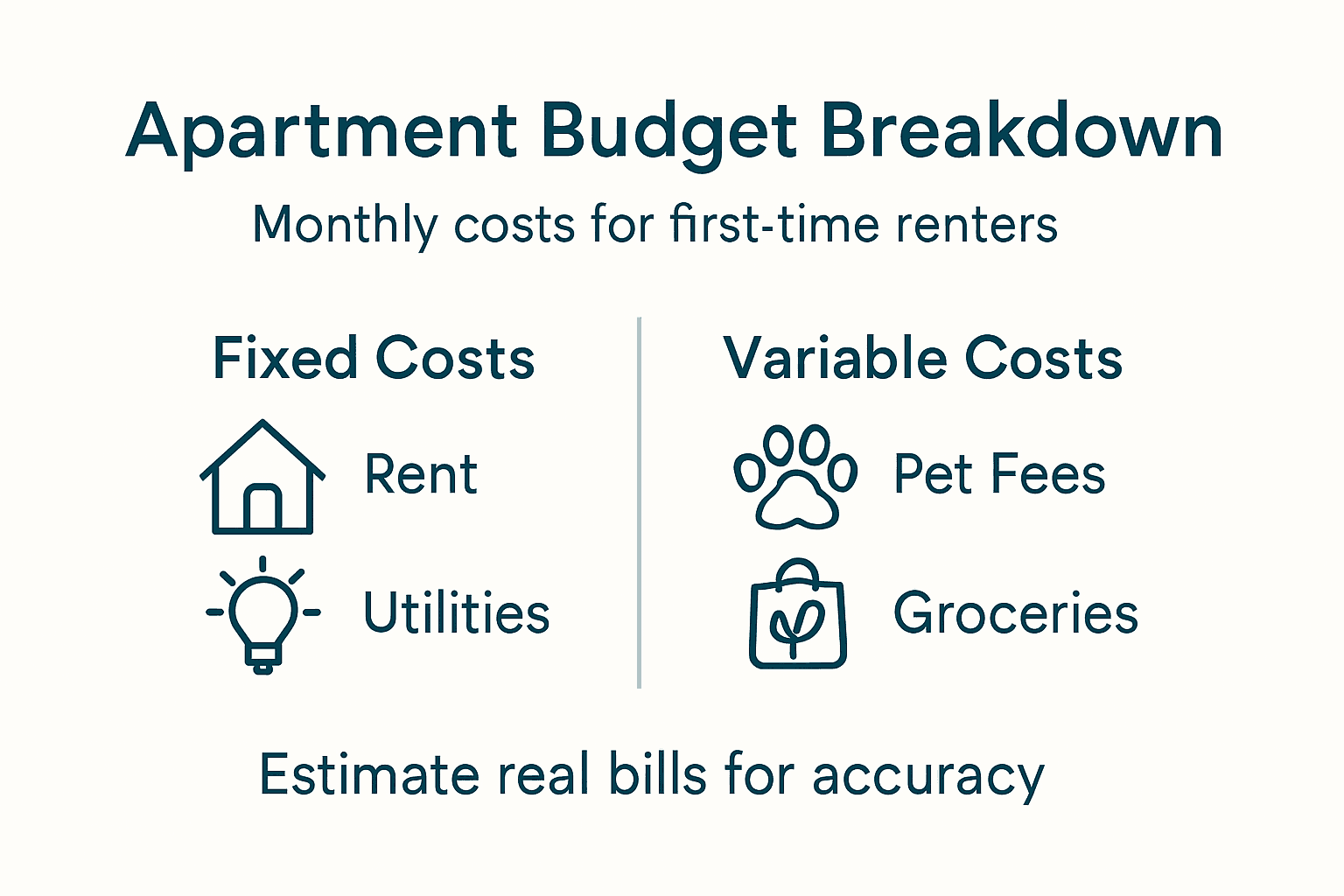
If the number is too high, you either need to find a less expensive apartment or adjust your timeline for getting a pet.
Pro tip: Ask your potential apartment community for their utility averages for a one-bedroom and actual pet fees in writing before signing anything. Compare multiple communities to find transparent pricing that matches your budget.
Step 4: Verify your budget with transparent pricing tools
You’ve calculated your numbers on paper. Now it’s time to verify them against real market data. This protects you from overpaying and ensures your budget reflects actual Boca Raton pricing.
Government resources exist specifically for this purpose. The HUD Fair Market Rent lookup by ZIP code shows you what rental prices actually look like in your area. Enter Boca Raton’s ZIP code and you’ll see median rents, giving you a baseline for comparison.
This matters because your $830 rent limit might be unrealistic in one neighborhood but entirely achievable in another. Market data shows you where your money goes furthest.
Start by gathering pricing information from multiple sources:
Here’s a quick comparison of apartment pricing data sources for budget verification:
| Source | Type of Data | Reliability | Ease of Access |
|---|---|---|---|
| HUD Fair Market Rent | Median rents by ZIP | Highly accurate | Free, online |
| Listing Websites | Current rental rates | Frequently updated | Easy, but limited details |
| Leasing Offices | Actual fees & costs | Most reliable | May require contact |
| Local Groups | Community insights | Variable | Useful for hidden costs |
- HUD Fair Market Rent lookup by ZIP code
- Apartment listing websites (Apartments.com, Zillow, Rent.com)
- Community leasing offices directly
- Online rental price databases
- Local Facebook groups for Boca Raton renters
Look for apartments that fall within your budget range and note their actual utility costs. Some communities provide this information upfront. Others require you to ask. Transparent pricing from the start is a green flag.
When you contact leasing offices, ask specific questions. Don’t accept vague answers. Request written documentation of all fees before scheduling a tour.
Here’s what to verify:
- Base rent amount
- All additional monthly fees (pet, parking, amenities)
- Average utility costs for a one-bedroom
- Lease terms and rent increase policies
- Move-in costs (deposit, first month, last month)
Compare what communities quote against the market data you found. If one apartment charges significantly more than market average, understand why. Better amenities? Location? Or just overpriced?
Transparent pricing isn’t just convenient—it’s a sign that a community respects renters and operates honestly.
Some communities make budgeting easier by breaking down costs clearly upfront. Others hide fees until you’re ready to sign. Avoid the latter. Your budget depends on accuracy, and accurate pricing comes from communities committed to transparency.
Once you’ve verified pricing matches your budget, you’re ready to make a decision.
Pro tip: Request utility cost estimates and fee breakdowns in writing from three different communities, then compare them against government rental pricing tools to ensure you’re getting fair market rates in Boca Raton.
Step 5: Review and adjust your budget for confidence
A budget isn’t a one-time creation. It’s a living document that needs regular review and adjustment. This final step builds confidence that your apartment decision is financially sustainable.
Start by comparing your planned budget to actual spending. After your first month in your new Boca Raton apartment, track what you really spent versus what you estimated. Did utilities cost more? Less? Were there surprise fees you didn’t anticipate?
Regular budget monitoring ensures spending aligns with your plans and helps you catch problems early. Most people find gaps between expectations and reality. That’s normal and fixable.
Here’s what to review each month:
- Actual rent payment
- Utility bills (watch for seasonal changes)
- Pet-related expenses
- Groceries and dining out
- Transportation costs
- Savings contributions
Set a recurring monthly reminder to review your budget. Spend 15 minutes comparing actuals to estimates. Look for categories where you overspent or underspent.
When you find discrepancies, adjust. If electricity costs $180 instead of $150, update your budget. If you’re spending less on groceries than expected, celebrate but don’t increase other spending automatically.
Adjusting your budget as necessary helps you stay on track with savings goals and builds confidence in your financial management. The goal isn’t perfection. It’s awareness and control.
After three months of real data, you’ll have a budget that actually reflects your life. This is when confidence kicks in. You know your numbers work because you’re living them.
A budget that evolves with your actual spending is infinitely more useful than a budget that never changes.
If your actual costs exceed your budget by more than 10 percent, that’s a warning sign. You might need to cut expenses elsewhere or reconsider your apartment choice. Better to adjust now than struggle for 12 months.
Some months will be tight. Others will have breathing room. Track the patterns across several months to see the real picture, not just one month’s snapshot.
Pro tip: Create a simple spreadsheet with your budgeted amounts in one column and actual spending in the next, updated monthly for at least three months to build confidence that your Boca Raton apartment budget genuinely works.
Make Budgeting for Your First Apartment Stress Free at Cynthia Gardens
Budgeting for your first apartment means facing challenges like managing rent within 30 percent of your income and factoring in utilities, pet fees, and unexpected costs. These financial hurdles can make finding the right home overwhelming. At Cynthia Gardens, we understand how important transparent pricing and clear fee breakdowns are to avoid surprises and keep your budget on track.
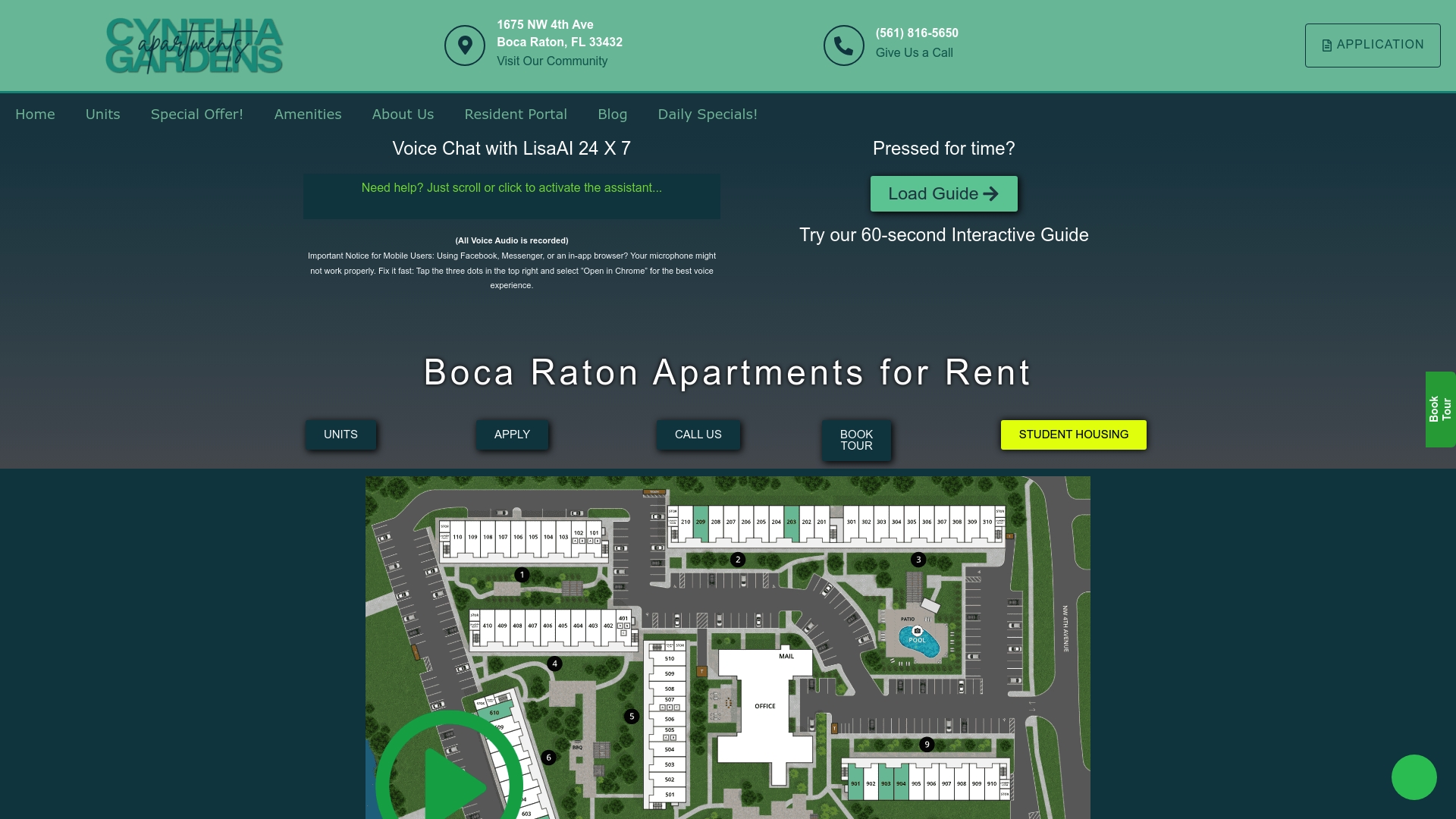
Take control of your apartment search with our modern, affordable one-bedroom apartments in Boca Raton that emphasize honesty and convenience. Experience our tech-forward leasing process featuring AI chat support, virtual tours, and an interactive property map to find your perfect fit confidently. Start your stress-free budgeting journey today by exploring Cynthia Gardens and see how we simplify apartment living with clear costs and no hidden fees. Visit us now and make financial confidence your foundation.
Frequently Asked Questions
How can I assess my monthly income and expenses before moving into my first apartment?
To assess your monthly income and expenses, start by calculating your total monthly income from all sources. Next, list and categorize your fixed and variable expenses, ensuring you include specific dollar amounts based on your actual spending patterns over the past few months.
What percentage of my income should I spend on rent for my first apartment?
You should ideally spend no more than 30% of your monthly income on rent. Multiply your total monthly income by 0.30 to determine your rent limit, and be sure to include additional costs like utilities and fees in your calculations.
How should I budget for ongoing costs like utilities and pet fees?
Begin by estimating your monthly utilities, such as electricity, water, and internet, alongside any potential pet fees if you have pets. Create a complete monthly cost breakdown that includes these estimates, ensuring that your overall housing costs remain under 30% of your income.
What tools or methods can I use to verify my budget against the current rental market?
Use government resources and online rental listing websites to gather data on current rental rates in your area. Compare these figures with your established budget to ensure that your expectations align with actual market conditions.
How can I adjust my budget after moving into my first apartment?
Regularly monitor your spending by comparing your actual expenses against your budgeted amounts. Set a recurring monthly reminder to review your financial situation, and make adjustments to your budget based on any discrepancies you find, ensuring it reflects your real-life expenses.
Recommended
- First Apartment Shopping Guide: What You Really Need – Luxury Apartments for Rent in Boca Raton | Premium Boca Raton Apartments | Aapartments Boca Raton
- First Apartment Essentials: The Complete Setup Guide – Luxury Apartments for Rent in Boca Raton | Premium Boca Raton Apartments | Aapartments Boca Raton
- First Apartment Moving Checklist: 8 Essential Steps for 2025 – Luxury Apartments for Rent in Boca Raton | Premium Boca Raton Apartments | Aapartments Boca Raton
- The Ultimate 2025 First Apartment Checklist for 9 Essentials – Luxury Apartments for Rent in Boca Raton | Premium Boca Raton Apartments | Aapartments Boca Raton
- Buy or Rent in the South of France? Make the Smartest Choice.